He Doesn't Work Like You Figured
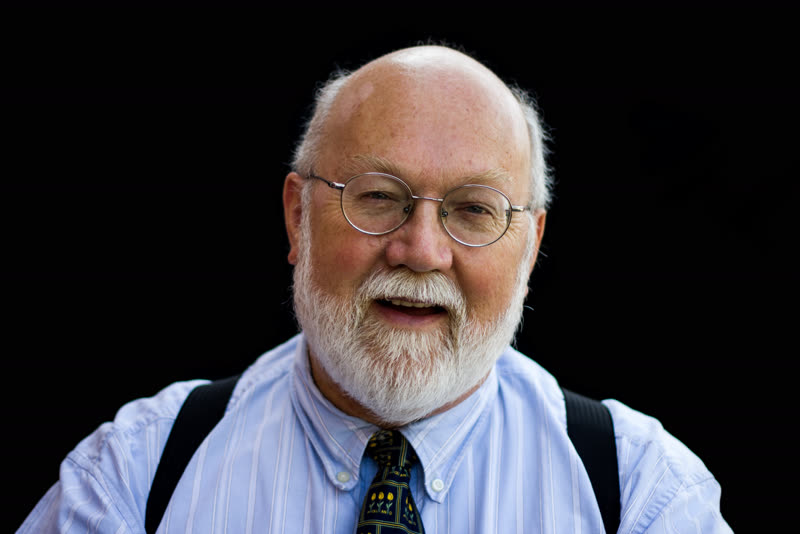 Tim Pasma Sunday AM Genesis July 5, 2026
📖 Read the Scripture passage (ESV)
Gen.45.16-46.27 (ESV)
46 1 So Israel took his journey with all that he had and came to Beersheba, and offered sacrifices to the God of his father Isaac. 2 And God spoke to Israel in visions of the night and said, “Jacob, Jacob.” And he said, “Here I am.” 3 Then he said, “I am God, the God of your father. Do not be afraid to go down to Egypt, for there I will make you into a great nation. 4 I myself will go down with you to Egypt, and I will also bring you up again, and Joseph's hand shall close your eyes.”
Transcript
Please take your Bibles and turn with me to Genesis chapter 45. Genesis 45. Again, we continue the saga of Joseph as we follow the steps that he takes. We see here, again, now the story of his father and his family as they continue in what God has promised. You follow as I read chapter 45 verse 16 through chapter 46 verse 27. When the report was heard in Pharaoh's house, Joseph's brothers have come.
It pleased Pharaoh and his servants. And Pharaoh said to Joseph, say to your brothers, do this, load your beasts and go back to the land of Canaan And take your father and your households and come to me and I will give you the best of the land of Egypt and you shall eat the fat of the land. And you, Joseph, are commanded to say, do this. Take wagons from the land of Egypt for your little ones and for your wives and bring your father and come.
Have no concern for your goods for the best of all the land of Egypt is yours. The sons of Israel did so, and Joseph gave them wagons according to the command of Pharaoh and gave them provisions for the journey. To each and all of them he gave a change of clothes, but to Benjamin he gave 300 shekels of silver and five changes of clothes. To his father he sent as follows, 10 donkeys loaded with the good things of Egypt and 10 female donkeys loaded with grain, bread, and provision for his father on the journey.
Then he sent his brothers away, and as they departed, he said to them, Do not quarrel on the way. So they went up out of Egypt and came to the land of Canaan to their father Jacob. And they told him, Joseph is still alive, and he is ruler over all the land of Egypt. And his heart became numb, for he did not believe them. But when they told him of all the words of Joseph which he had said to them, And when he saw the wagons that Joseph had sent to carry him, the spirit of their father Jacob revived.
And Israel said It is enough Joseph my son is still alive I will go and see him before I die So Israel took his journey with all that he had and came to Beersheba and offered sacrifices to the God of his father Isaac And God spoke to Israel in the visions of the night and said, Jacob, Jacob. He said, here am I. Then he said, I am God, the God of your father.
Do not be afraid to go down to Egypt, for there I will make you into a great nation. I myself will go down with you to Egypt. And I will also bring you up again, and Joseph's hand shall close your eyes. Then Jacob set out from Beersheba. The sons of Israel carried Jacob their father, their little ones and their wives in the wagons that Pharaoh had sent to carry him.
They also took their livestock and their goods, which they had gained in the land of Canaan, and came into Egypt, Jacob and his offspring with him, his sons and his sons' sons with him, his daughters and his sons' daughters, all the offspring he brought with him into Egypt. Now these are the names of the descendants of Israel who came into Egypt, Jacob and his sons. Reuben, Jacob's firstborn, and the sons of Reuben, Hanak, Pelu, Hezron, and Carme, the sons of Simeon, Yemuel, Yamin, Ohad, Yaqin, Zohar, and Shaul, the son of a Canaanite woman, the sons of Levi, Gershon, Kohath, and Merari, the sons of Judah, Ur, Onan, Shelah, Perez, and Zerah.
But Ur and Onan died in the land of Canaan, and the sons of Perez were Hezron and Hamul. The sons of Issachar, Tola, Puva, Job, and Shimron, the sons of Zebulun, Sered, Elon, and Yalil, these are the sons of Leah, whom she bore to Jacob in Patamaran together with his daughter Dinah. All together, his sons and his daughters numbered 33. The sons of Gad, Ziphion, Haggai, Shuni, Esbon, Eri, Erodai, and Ereli.
The sons of Asher, Imnah, Ishva, Ishvi, Beriah, with Sarah their sister, and the sons of Berea, Heber, and Malkiel. These are the sons of Zilpah, whom Laban gave to Leah his daughter, and these she bore to Jacob sixteen persons. The sons of Rachel, Jacob's wife, Joseph, and Benjamin. And to Joseph in the land of Egypt were born Manasseh and Ephraim whom Asenath the daughter of Potipharah the priest of On bore to him And the sons of Benjamin Bela Becker Ashbel Gerah Naaman Ehi Rash Mupim Hupim and Ard These are the sons of Rachel, who were born to Jacob, fourteen persons in all.
The sons of Dan, Hushim, the sons of Naphtali, Yaziel, Guni, Azer, and Shalem. 1 These are the sons of Bilhah, whom Laban gave to Rachel his daughter, and these she bore to Jacob, seven persons in all. 2 All the persons belonging to Jacob, who came into Egypt, who were his own descendants, not including Jacob's sons' wives, were sixty-six persons in all.
3 And the sons of Joseph, who were born to him in Egypt, were two. All the persons of the house of Jacob, who came into Egypt, were seventy. Let's pray. Lord God, open our hearts now to your word. We pray that it would produce change in us. It would produce confidence in our God.
It would help us to see Jesus clearer. It would, dear Lord, be that which would equip us to live. So open your word to us now, we pray. In Jesus' name, amen. Your family has lived here for 400 years and now you've been told it's time to leave because remember this is only a temporary place and you're a temporary resident. That's what the people who left Egypt in Exodus heard.
As they left Egypt, they left the only land they had ever known. Keep that in mind. It was difficult. Well, it was difficult at the end of those days, unbearable under the current Pharaoh, but this is the only country they had ever known. Now, if you want some perspective, think about maybe you are a descendant of one of the pilgrims on the Mayflower. That would mean that your family has been here just a shade bit more than 400 years, about 400 years, okay?
So your roots go all the way back to Plymouth, 400 years in this country. And now you're told that really this is not your place, this is not your land, you're to move. You get a sense of how the Israelites felt at that point If you were with that original group of people leaving the land where you had roots for the last 400 years you probably would have some questions like, is this really God's plan for us as a people?
Why were we here in the first place if God always intended for us to leave? Why are we leaving Egypt? Both the narrative you have before us tells the story of the ancestors of these people, but they are moving to Egypt those 400 years earlier. And those 400 years earlier, Jacob surely asks, why are we going to Egypt? It's been quite a story so far. God chose a man, Abraham, as the one who had found this nation.
He gave him some great promises, that this old man and his wife would have a son, their very own son, that this son would produce a nation that would inhabit the land of Canaan, and that a seed to bless all the nations would come from this son. The son of promise, Jacob, really seemed to mess things up by leaving the land, playing favorites, and he even loses a son that he probably considers the son of promise. The promise of God to this people revolves around the land of Canaan, not of Egypt.
You must keep that in mind. The promises of God to Abraham and his family revolve around the land of Canaan. They don't revolve around the land of Egypt. So what's going on? Well, again, this is the story of God's determination to keep the promises of the covenant he made with Abraham. A family whose future is tied up with the land of Canaan now must leave for Egypt.
How will God keep his promise of making a people who will inherit the land of Canaan? And you find out as you read the story, it doesn't make sense to Jacob either. Well, let's see once again how God uses a confusing situation to fulfill his promise. I hope you don't get tired of this story, right? All through the book of Genesis, you see how is God going to keep the promise with all this stuff that's going on?
It just seems like someone's always trying to wreck that plan, but God always keeps his promise. And you're going to see the same thing here. Sometimes you might wonder whether God is working. Sometimes you might wonder whether he's working at all. As the story unfolds, you might say, it seems so right, God must be working. Or, to put it in parlance of today, it must be a God thing.
If you look at all the good stuff that's happening as we begin the story. Now, I'm not going to re-read the entire text again, particularly the names of all the people of Jacob. I remember hearing one time John MacArthur saying, well, if you have a problem with the genealogies, the problem is with you, because God decided it was important to put it there.
Nevertheless, I'm not going to read through those names again, all right? You follow along as we work our way through this text. Refer to the text, okay? What we see, we're wondering whether God is working. And as the story unfolds, you say, God has to be working. First of all, look at Pharaoh's favor and his promise.
You see that in verses 16 through 20. Pharaoh's household rejoices at what's happening with Joseph's family. You remember where we left it last week. Joseph is weeping and kissing all his brothers and all this gets to Pharaoh's household. And he is absolutely, he is glad for this. He is thrilled that this is now happening and Joseph and his brothers are reconciled.
So out of the joy of his heart, he issues this command to the family. Take provisions home to your father in Canaan and return to Egypt with all your families. And when you return I will make sure that you have access to all the possessions and all the best agricultural land in Egypt The best of the land that is the furniture the houses the clothes the good stuff of Egypt In fact, he says, we have so much here, you can leave your possessions behind if you want.
That's how favorable he is to them. And you're going to have access to this great land. And he sends wagons to transport all of those families. Consider this, it's like you immigrating to this country and the president says don't worry about it and he sends all the limousines to pick you up. Alright, it's that kind of a thing. That's how favorable Pharaoh is to these people.
And then you see the provision of Joseph. He follows all of Pharaoh's commands, providing all that the king promised. In verses 21 through 24, you see that Joseph says, Okay, get all this stuff together. Let's get this job done. And he sent them wagons, gave them provisions for the journey. He gave them all a change of clothes.
All of these things are happening. And of course, don't forget the forgiveness of Joseph. Look at verse 22. To each and all of them he gave a change of clothes, but to Benjamin he gave 300 shekels of silver and five changes of clothes. And then verse 24, a curious statement, Then he sent his brothers away, and as they departed he said to them, Do not quarrel on the way.
This is all about Joseph's forgiveness. He enriches his brothers with money and clothes. He does not harbor any hard feelings. He favors Benjamin, which he has the right to do if he wants to, but knows that such favor is no longer going to bring a jealous response from his brothers. And he sends some great gifts to his father, the good things that are noted in verse 23, as well as provisions for the journey.
And then again, that strange statement, do not quarrel with one another on the way, on the way home. And when they talked to dad, the old crime was bound to come up and quite possibly mutual accusations were likely to surface. Now what do we say about this Right They have just been wow by the fact that Joseph has revealed himself he is alive they can get over it they are all thrilled to death but on the way home they say We are going to have to tell dad about this You know who is really at fault here don you It really Reuben it was your idea first And then Judah it was your idea Yeah but you guys were part of it too Don't think you can get, you know, he says, don't even do that.
Don't even do that. They had repented. Joseph had forgiven them. And so it was done. Don't even bring it up. Don't even quarrel about it.
It's a done deal. Forgiveness is there. The slate is clean. Let's move on. And then there's a reunification of the family. Another great thing, right?
Pharaoh's favor, the provision of Joseph, the forgiveness of Joseph, now the reunification of the family in verses 25 through 28. So they went up out of Egypt and came to the land of Canaan to their father Jacob, and they told him Joseph is still alive and he's ruler over all the land of Egypt. And his heart became numb, for he did not believe them. Now, isn't that a great way to put it?
He's numb. He's like, like he's thought he's been dead for over 20 years and now all of a sudden you're telling me he's alive. That's hard to take in one shot. But when they told him all the words of Joseph, which he had said to them, and when he saw the wagons that Joseph had sent to carry him, the spirit of their father Jacob revived and Israel said, it is enough.
Joseph, my son, is still alive. I will go and see him before I die. You have this reunification of the family. The boys return home with the good news and Jacob can't believe the good news. He's in shock. But when he sees everything they've brought, including the wagons, Jacob believes them and determines to go see his son.
And notice that nothing is said of the riches of the land of Canaan. That's absent in these statements. It's all about getting the family together again and seeing his lost son. So all these things are going on. Pharaoh's favor, provision of Joseph, forgiveness of Joseph, reunification of the family. Surely God must be at work because everything is turning out so well.
It's a, as we would say, right? We have the favor, promises, and possessions from the most powerful man in the world. Our family has been reunited. Our long lost son has been recovered. We have been delivered from starvation and the shadow of death Surely God is at work in fulfilling his promises But Jacob reaction appears to be it still seems wrong God, I don't see how God could be at work in this.
Now why do I say that? Well that at least seems to be his original reaction. Because notice what it says in 46 verse 3. That God appeared to him and said, Do not be afraid to go down to Egypt. Jacob is afraid to go. Jacob is afraid to go.
Now, notice it says, we'll look at those first four verses. So Israel took his journey with all that he had and came to Beersheba and offered sacrifices to the God of his father Isaac. And God spoke to Israel in visions of the night and said, Jacob, Jacob. And he said, here am I. Then he said, I am God, the God of your father. Do not be afraid to go down to Egypt, for there I will make you into a great nation.
I myself will go down with you to Egypt, and I will also bring you up again, and Joseph's hand shall close your eyes. Now, first of all, he's reached the southernmost spot in the promised land, the point of no return. To go beyond this point means he steps out of the land around which all the promises revolve. Do you remember in the Fellowship of the Ring, I don't know if you watched the movies or if you read the books or both, but do you remember Samwise Ganji says to Frodo, this is it.
If I take one more step, I'll be the farthest away from home I've ever been. Remember that? Well, if Jacob takes one more step, he is out of the land of promise. He sacrifices to the God of his father, Isaac. Now, if you recall, and maybe you don't, but if you look back earlier in Genesis, Beersheba is where Isaac lived. And this is probably the altar that Isaac had built when he lived there and in which Jacob made his sacrifice.
And he acknowledges that this God, this is the God who made a covenant with his family. And I think he's inquiring of God. He's offering or he's inquiring of God what to do. And God responds in verse 3. And he indicates, which indicates that Joseph is certainly uncertain. He's afraid.
And God says, don't be afraid. I am with you. Now, why would Jacob seek answers from God when everything seems to be going right? Why would he hesitate? Why would he be afraid? Why would he inquire of God?
Well, just think about this. Abraham, in the face of a famine, like them, went to Egypt. And what happened? It turned out to be a disaster. You remember? He lied about his wife.
His wife was taken into Pharaoh's harem. All those horrible things happened because of that. It was a disaster when Abram went down there. And then when Isaac faced a famine, you read this in chapter 26, when Isaac faced a famine, he was forbidden by God to go to Egypt. God said to Isaac, do not go down to Egypt, dwell in the land of which I will tell you.
And then on top of that he said, Sojourn in this land, and I will be with you, and will bless you, for to you and your offspring I will give these lands, and I will establish the oath that I swore to Abraham your father. So he tells Isaac, don't leave this land. This is the land I promised your father. And then remember that the covenant God had made with Abraham's family revolved around the land.
Over and over, when the covenant was made and reaffirmed, God says, To your offspring I will give this land, and I will give to you and to your offspring after you the land of your sojournings, all the land of Canaan, for an everlasting possession. And then finally, this thought certainly must have occurred. How are we going to produce a nation? Because if we move to that nation, we inevitably will be assimilated by the Egyptians.
Intermarriage, all of that. We will cease to be a people. So, the circumstances seem to indicate that God's working, but the past revelation of God says just the opposite. That he wouldn't be working. And so, you might conclude, it seems confusing. How can God be working Is He really trying to fulfill Is He really working to fulfill his promises Well you must always believe that God remains faithful to his promises no matter how confusing no matter what happening God is determined to fulfill his promises In this chapter, God assures Jacob that he has not forgotten the covenant and that he is determined to keep those promises.
God confirms with Jacob that despite all that he knows, he indeed is going to fulfill the promises. Despite the confusion that's happening here, he's going to fulfill those promises. And so he appears to Jacob in a vision. Now, he had appeared to Jacob two other times in a vision. The first is in chapter 28, when Jacob is leaving the land. The first time he left, remember, he thought his brother Esau was going to kill him, right?
And so, he left. He left the land, right? And he went to his relatives. And then, in chapter 31, when he's going to go back to the land, Because Laban is cheating him and he says, we've got to go back. God appeared in a vision in chapter 31 to tell him to go back. And he identifies himself as the God of the covenant, the God of your father.
And then he makes a promise that Jacob surely recognizes. I myself will go down with you to Egypt. Now, look at chapter 28 when Jacob was leaving the land the first time, when he was fleeing for his life. Chapter 28, verses 13 through 15. And behold, the Lord stood above it. Remember, he sees this ladder, right, ascending into heaven.
And behold, the Lord stood above it and said, I am the Lord, I am Yahuwah, the God of Abraham, your father, and the God of Isaac, the land on which you lie. I will give to you and to your offspring. Your offspring will be like the dust of the earth and you shall spread abroad to the west and to the east and to the north and to the south And in you and your offspring shall all the families of the earth be blessed Behold, I am with you and will keep you wherever you go.
And I will bring you back to this land, for I will not leave you until I have done what I have promised you. When he left the land before, God said, I am with you. And God says the exact same thing as he leaves once more, as he once more leaves this land. Jacob hears God's promises that he will keep his, that he will remain true to the covenant. He says essentially to Jacob, I'm taking the long road to Canaan.
We're taking the long road to Canaan. But then he adds a new detail to that promise made at Bethel when he was leaving. In keeping with my covenant promise to Abraham, I will indeed make of you a great nation, even though it means residing in another nation. I will still make of you a great nation in Egypt. And he promises Jacob to bring him back to this land instead of the miserable death he had predicted for himself.
Remember earlier he had said my gray hairs will go down to Sheol. Now he says your son Joseph will close your eyes and you'll be buried here in this land. And then you see the last confirming act of God in the verses that follow. So why would he list all these people? Why would he list all those people? These are the list of Jacob's descendants.
The first flowering of God's promise of a great nation. Here God confirms that he is indeed fulfilling that promise. Look, there's 70 of you going down. Look how much there are of you, right? There was Abraham, Isaac, Jacob. Now there's a ton of kids.
There's a ton of people. This is the, if you will, the beginning of the fulfillment of the promise of giving them great descendants. So Jacob leads them out of Beersheba in an obvious act of faith. So even though it looks like the wrong way to go, God remains faithful to his promises. Now are you willing to believe that God will fulfill every promise and accomplish every purpose of his even when it seems confusing even when it seems wrong Will God fulfill his promises to you, even when it's confusing, even when it seems that everything is going wrong?
You've got to ask yourself that question. Look at Habakkuk. Some of you remember when we studied through the book of Habakkuk. Habakkuk cries out to God and he says, God, you are a righteous God. Look at all the injustice and perversity that's going on in your nation. And you said that you would bring judgment on them.
And God says, I am. I'm going to send the Babylonians. And Habakkuk says, wait, that's not the way to do it. How can you bring people who are more evil than us as judgment? Right? Habakkuk did not expect God to work that way.
I had a friend who years ago lost his son in drowning. He lost his son by drowning. How could God be possibly working there? Does God take the light in the drowning of children? That incident caused my friend to plumb the depths of evil, Which eventually led him to Christ. And he became a pastor.
And this was a guy who would never... You talk about sharing the gospel with every creature. That was Ron. He even had a gospel tract holder by his front door. So when people came in, he'd be able to give them a tract. Right?
All of that through the death of his son. God promised that he would gather a people from every tongue and tribe and nation. Albania, interesting country, was for 500 years under the rule of Islam. 500 years it was part of the Ottoman Empire under the Muslim Turks. And so it became an Islamic nation against the gospel. Right?
It was Islamic. Now it's interesting, you know, to think of European looking people are Muslims. We're not used to that. But if you go to Albania, you see lots of Muslims. And they look like us. It was Muslim for 500 years.
And then after World War II, atheism, communism came in. Communism swept, took over that country, right? Just absolutely dedicated to wiping out all religion. In fact, I remember this in high school in the 1970s. I heard Albania made an official proclamation that it was officially atheist, where all religion, all religion had been outlawed and eliminated.
And then in 1990, when communism fell, from what I understand, there were only two people in the entire nation who professed belief in Christ. Will there be only two people from that nation in the great chorus singing praises to the Lamb? You know what happened? Atheism softened Islam so that it became nominal. If you go to Albania today, you'll still see the mosques, you'll still hear the prayers, you'll still see some of the people dressed as fundamentalist Muslims, but for the most part, it's nominal and not so opposed to the gospel.
I remember having a conversation with my friend Saimir, and they were having a Christmas outreach. And I asked him, how do you do that in an Islamic country that's officially Islamic? How do you have a Christmas outreach? And he said, well, when atheism came in, they decided that they were going to have like a national holiday around New Year's Day, And now we going to use decorated trees and all those kinds of festivities And so now because of that we can use those kinds of things for the gospel because it already part of our national culture now We can use those sorts of things to preach the gospel And so now you have hundreds of Albanians following the Lord.
Now, would you ever have thought that God would make the way for the gospel by introducing atheism? Would you have done it that way? Right? God doesn't work the way we do. I remember in the 2016 campaign when Donald Trump was running against Hillary Clinton and World Magazine, which is a Christian news magazine, had made a call for both of the candidates to step down because of their moral qualities, their character.
And you should have read the subsequent letters to World Magazine. How could you call on Donald Trump to step down? By trying to dissuade voters from voting for him, you've encouraged the advance of anti-Christ's kingdom. Or, if the Republican nominee does not win, then we will get a Supreme Court justices who will kill religious liberty. Shame on you.
Or, cancel my subscription, I will give my money to more worthy Christian organizations who truly serve Christ. Now the issue is not whether you're for Donald Trump or not. That's not the issue. But what was behind those letters? God had to work in a certain way or Christianity is doomed. If God doesn't work this way through this man, who knows what terrible things are going to happen.
It's anti-Christ, right? That was the heart behind them. It was God has to work in certain ways or he's not working at all. Listen, you've got to ask yourself this question. What would you do if the present political climate led to the failure of America, but also to the exaltation of Christ's name at the same time? If America fell but the kingdom of God exploded as a result would you think that was God working You see If you truly believe that God fulfills his purpose in any way that he sees fit, you will not look for ways that fit how you think God ought to act.
You will not lose hope. You must believe that God will always fulfill his purposes no matter what. You say, well, how can you be sure of that? Pastor Tim, how can you be sure of that? You know, the answer to that question inevitably, inevitably, inevitably leads us to the cross. Many places in the Old Testament, two that come into my mind right now are Isaiah 42 and Isaiah 49, that talk about, in the Old Testament, the Gentiles becoming worshippers of God, Becoming part of the people of God.
And so everyone started looking for a conquering king. He's going to conquer the Gentiles and bring them into the people of God. But instead, they get Jesus. There's no way he could be king, they were saying to themselves. He breaks all the traditions. He breaks all our religious traditions.
He cannot be from God. He cannot be God's chosen king. And besides that, the Gentiles whom he is supposed to rule are the very ones who condemn and kill him. But it's through the instrument of Gentile oppression. Get this. It's through the instrument of Gentile oppression that the Gentiles are brought into the people of God.
Would you have done it that way? Would you expect God to have worked that way? He's going to fulfill his promises. He's going to bring people from every nation. How? By having the nations humiliate and crucify the king That how he gets them under his rule In ways that we would never anticipate God fulfills his purposes He has promised good for all those who are his, both in this life and the one to come.
And we need to stop trying to figure out how he's going to get it done. He's promised eternal life to all who believe in his son. The one who is crucified and humiliated. Now think about that. He looks weak as he hangs on that cross. He looks defeated.
And you cannot figure out how God could possibly do anything good through humiliation, crucifixion, and weakness. But then, you're expecting God to work in a way that you understand. And he commands you to believe in him as your only hope, even as he works in ways that don't make any sense to you. Father, your word is clear to us. Your providence is always gracious, always working for good.
Things happen in our lives, things occur to fulfill your gracious promises. And yet we don't understand how you do it. But Father, we are reminded again of how you turn everything upside down and do the things that we would never dream of how you could accomplish your purposes. And so, Father, I pray, increase our faith when things are bad, when things are confusing, Remind us you still fulfill your promises.
You will do it. You are faithful. And you will accomplish it in ways that we could never dream. Help us then now to trust you, strengthen our faith, and we'll thank you in Jesus' name. Amen.
Also referenced in this sermon
Other passages mentioned, beyond the main text.