The Future Is Now
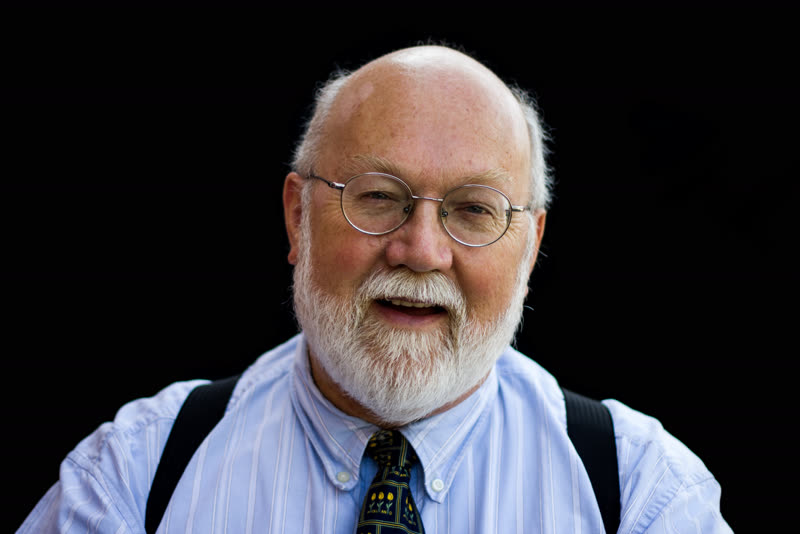 Tim Pasma Sunday AM Revelation April 11, 2010
📖 Read the Scripture passage (ESV)
Revelation
Transcript
of what it means to look ahead. We pray, Father, that today would be a profitable time of seeking to understand how we can grasp the whole scope of Scripture and put revelation in its place in that scope. We're thankful that you have called us together. Lord, we have come here because we wanted to, but yet we know we're here because you called us and you have instilled in us a heart that loves you.
Pray that even today our love would increase for you as we see just how you fulfill your purposes. Give us insight. Give us wisdom today so that we can be good interpreters of your word. We pray this now in the name of Jesus, our Lord and our King. Amen. Eschatology.
Doesn't it just roll off the tongue and sound really impressive to you? Yeah, it sounds great, doesn't it? Well, I learned the meaning of that word when I was rather young because I grew up in circles that loved to study eschatology. That is, the doctrine of last things. and it was common for us to call that the study of the last days. Some of you also might have grown up in that tradition or as new believers you were introduced to all of these eschatological things that are going to happen in the last days.
And many people today still love that study and that's good because as we're going to see today, the Bible is all about eschatology. It's all about the doctrine of the last days. but it almost always when I was growing up involved trying to understand how everything was going to work out in the end to fit all the pieces of the puzzle together to understand all that was going to happen so so we began to look for signs the coming of Jesus that would indicate that it was near and by that coming what we meant was that Jesus was going to appear and he was going to secretly rapture that is take all the Christians out of the world and leave everybody behind Sounds familiar doesn it And we were going to be gone for seven years And we going to spend seven years in heaven And during those seven years on earth all these horrible things were going to happen like the coming of the Antichrist and the rebuilding of the temple in Jerusalem and all kinds of Jewish people would believe in Jesus, and they were going to die for it, and there was the mark of the beast, and all kinds of horrible, awful things were going to happen. Now the important part to remember in all of this was that this stuff was supposed to happen in the future.
Alright? It might be a future that's just around the corner. It might be a future that's way off. We don't know. But the future was a curiosity to us because it was merely curiosity because we weren't going to experience any of it. We weren't going to experience any of that horrible stuff that happened in those seven years.
Okay? we were going to be gone from all of that. So it was merely a matter of curiosity for us. And guess what book told us about the future? Guess what book we always studied about the future? It was the book of Revelation. It was the book of the future.
It was a book on eschatology. Now, we were right. Revelation is a book on eschatology. It is a book about the last days. However, many have misunderstood eschatology, the last days. And because we've misunderstood eschatology, we've misunderstood the book of Revelation.
Now, for some weeks now, you've heard me say this phrase time and again. The future is now. You've heard me say that. What does that mean? Well, today I want to step back from our exposition of Revelation, okay? I want to step back because I think it's very, very, very important for us to understand what I mean when I say the future is now, okay?
When I say to you the last days are here, I think it's important for us to understand that so we can get a better handle on Revelation. See, the problem is, so many of us have come to Revelation already with a lot of stuff in place, and thus, because we've misunderstood the concept of eschatology, we come with that to the book of Revelation and we misunderstood the book of Revelation I want us to take a step back and talk about eschatology Because if we understand that that sets the scene or that sets the stage if you will gives us a frame of reference so that we can come to the book of Revelation and read it in the right way. Because as I found, my views of the book of Revelation changed not because I studied the book of Revelation, But because I was, frankly, as a pastor, here's what happened.
I just started slugging my way through books of the Bible. Okay? And if you've been here for any number of years, you know what we do. We preach through books here. And as I was studying my way through the books, it was like, this stuff's not adding up. And it was because those things changed, my views of the book of Revelation started to change.
So it wasn't because, it was because I was starting to understand more of what this was about, the whole setting before I came to Revelation. So that's what I want to do this morning, okay? And I want to do that by this. First of all, trying to understand something called inaugurated eschatology. Because that's what the Bible teaches. Inaugurated eschatology.
Showing how the Old Testament and the New Testament understands eschatology, the doctrine of last things. And then, second, I want us to take a quick look at this idea of a secret rapture. Alright? That's the idea that's behind so much of this popular things like the Left Behind series. Alright? This idea that Jesus comes in the heavens, does not come to earth, comes in the heaven, raptures all the Christians, takes them out, and then for seven years all this stuff happens and then the church and Jesus come back.
So that's the idea of a secret rapture. We'll talk a little bit about that. And then finally, at the end, let's look at some evidences from the book of Revelation that tells us that the future is now. Now let me begin by saying that at the end of this survey, you should be thinking this. The future is now and future. Okay?
The future is now and future. just go with me on the ride okay and you'll see how it all works out all right let's talk about this first of all we want to understand this concept that I believe the Bible gives us called inaugurated eschatology if you want to understand Inaugurated Eschatology keep three words in mind Okay? Keep three words in mind. Anticipated, invaded, inaugurated.
Okay? Those are the three words to keep in mind if we're going to understand Eschatology. Anticipated, invaded, inaugurated. Okay? Now, the Old Testament anticipated the New Age. The Old Testament anticipated a New Age that was going to come with this mysterious messianic figure.
This Messiah was going to come and He was going to bring a New Age. Let's look at a few things. It anticipated a Davidic ruler. It anticipated a ruler who would come from the house of David. Turn with me to Isaiah 11, verses 1 through 9. There shall come forth a shoot from the stump of Jesse, and a branch from his roots shall bear fruit.
And the Spirit of the Lord shall rest upon him, the Spirit of wisdom and understanding, the Spirit of counsel and might, the Spirit of knowledge and the fear of the Lord. And his delight shall be in the fear of the Lord. He shall not judge by what his eyes see or decide disputes by what his ears hear, but with righteousness he shall judge the poor and decide with equity for the meek of the earth.
And he shall strike the earth with the rod of his mouth, and with the breath of his lips he shall kill the wicked. Righteousness shall be the belt of his ways and faithfulness the belt of his loins. The wolf shall dwell with the lamb, and the leopard shall lie down with the young goat, and the calf and the lion and the fattened calf together, and the little child shall lead them.
The cow and the bear shall graze, their young shall lie down together, and the lion shall eat straw like the ox. The nursing child shall play over the hole of the cobra, and the weaned child shall put his hand in the adder's den. They shall not hurt or destroy in all my holy mountain, for the earth shall be full of the knowledge of the Lord as the waters cover the sea.
Now there we find described this ruler who's going to come from the house of David. recall what Caleb read this morning from 2 Samuel 7. At that point, God says to David, I promise that there will come from you a ruler over my people and I will establish his throne forever. Right? Alright, and here then, Isaiah picks up that theme and now he adds to it this idea this is going to be some great ruler because he's going to bring justice over the entire world and the curse will be removed.
That brings us to the second point. It anticipated the removal of the curse. This new age that the Old Testament anticipated, looked forward to, was the removal of the curse. Turn, if you will. No? Turn, as you must, to Isaiah 35.
Isaiah 35, verses 1 through 7. The wilderness. I'm reading fast because, man, we've got a lot of Scripture to go through. Okay? So you turn fast and you read fast. All right?
The wilderness and the dry land shall be glad. The desert shall rejoice and blossom like the crocus. It shall blossom abundantly and rejoice with joy and singing. The glory of Lebanon shall be given to it, the majesty of Carmel and Sharon. They shall see the glory of the Lord, the majesty of our God. Strengthen the weak hands and make firm the feeble knees.
Say to those who have an anxious heart, be strong, fear not. Behold, your God will come with vengeance. With the recompense of God, he will come and save you. Then the eyes of the blind shall be opened and the ears of the deaf unstopped. Then shall the lame man leap like a deer and the tongue of the mute sing for joy. For waters break forth in the wilderness and streams in the desert.
The burning sand shall become a pool and the thirsty ground springs of water. In the haunt of jackals where they lie down, the grass shall become reeds and rushes. Again, sounds a bit like chapter 11. But again, now here we have this removal of the curse. Okay? The removal of the curse.
There's going to be all these things that happen. The desert's going to blossom. All these things are going to happen. The eyes of the blind will be open. The lame man's going to leap. The deaf are going to hear.
The tongue of the mute are going to sing for joy. All these are going to happen in this new age. So it anticipates the removal of the curse. Turn to Isaiah 61 now. Isaiah 61. Now, I've kept us in Isaiah because it would be easier just to stay in one book and easier for turning.
But you can see this through all the prophets of the Old Testament. These things, these same kinds of themes. This Davidic ruler The removal of the curse And now watch this Isaiah 61 1 and 2 The Spirit of the Lord God is upon me because the Lord has anointed me to bring good news to the poor He has sent me to bind up the brokenhearted, to proclaim liberty to the captives and the opening of the prison to those who are bound, to proclaim the year of the Lord's favor and the day of vengeance of our God, to comfort all who mourn, to grant to those who mourn in Zion, to give them a beautiful headdress instead of ashes, the oil of gladness instead of mourning, the garment of praise instead of a faint spirit, that they may be called oaks of righteousness, the planting of the Lord, that He may be glorified.
Here you find that it anticipates, the Old Testament anticipates judgment, and with that judgment comes salvation. Now remember, judgment and salvation are not separated. when God judges that also brings salvation to his people. He judges his enemies and saves his people. That's a consistent theme through the Old Testament. You see, judgment and salvation always connected.
All right? So judgment means salvation. Salvation means judgment. They are connected together. Here, this one, and what's happening is Isaiah is putting the words in the mouth of the servant of the Lord who's going to come and says he's come with this good news, bind up the brokenhearted, proclaim liberty, proclaim the year of the Lord's favor and the day of the vengeance of our God.
Okay? So we see judgment and salvation that comes in this anticipated new age. Now turn to the book of Joel. The book of Joel, chapter 2. Joel Amos Obadiah are you there? aren't the minor prophets fun? figure out where you are Joel chapter 2 let's look at verses 28 through 32 Joel 2 28 through 32 and it shall come to pass afterward that I will pour out my Spirit on all flesh.
Your sons and your daughters shall prophesy. Your old men shall dream dreams, and your young men shall see visions. Even on the male and female servants, in those days I will pour out my Spirit. And I will show wonders in the heavens and on the earth, blood and fire and columns of smoke. The sun shall be turned to darkness and the moon to blood there before the great and awesome day of the Lord comes And it shall come to pass that everyone who calls on the name of the Lord shall be saved For in Mount Zion and in Jerusalem there shall be those who escape, as the Lord has said, and among the survivors shall be those whom the Lord calls.
Now you see that the Old Testament in this new age anticipates the outpouring of the Holy Spirit. God will pour out His Spirit in this last days. in this new age that's coming, there will be an outpouring of the Holy Spirit. And in that final new age, salvation will be available for all who call on the name of Jehovah. Now from this perspective of Joel, who is he talking about?
He's talking about Jews. He's saying, again, many people are unfaithful, but on that day there will be a people of us, a remnant of us, who will call on the name of the Lord, on the name of Jehovah, and we'll be saved. So there's this anticipated outpouring of the Holy Spirit. All right? Now turn to Daniel. Daniel chapter 12.
Daniel chapter 12, very last chapter of Daniel. Verses 1 through 4. At that time shall arise Michael, the great prince, who is in charge of your people. and there shall be a time of trouble such as never has been since there was a nation till that time. But at that time, your people shall be delivered. Everyone whose name shall be found written in the book and many of those who sleep in the dust of the earth shall awake, some to everlasting life and some to shame and everlasting contempt.
And those who are wise shall shine like the brightness of the sky above and those who turn away to righteousness and those who turn many to righteousness like the stars forever and ever. But you, Daniel, shut up the words and seal the book until the time of the end. Many shall run to and fro and knowledge shall increase. Well, what do we have here? It anticipated this new age the resurrection of the righteous.
The resurrection of the righteous to eternal life. Okay? Not the resuscitation of their bodies, but raised to immortality, to a life eternal. They shall rise from the dust. the righteous, the unrighteous, what? For contempt. So they see that anticipated When this new age arrives there going to be this great resurrection of people to immortality Now, here's an important thing to remember.
When you read the Old Testament book, you know what you're reading? You're reading an eschatological book. It's all about the future. It even starts in Genesis. Do you realize that? Genesis 3.15.
There's going to come this one who's going to crush Satan's head. already in the very first chapters of the Bible we're in eschatology. And it continues through the entire Old Testament until when you come to the Old Testament it's picked up this steam and really rolling along where they have this full-orb view of this new age that's going to come with all of these things. The Davidic ruler, the curse gone, judgment and salvation for God's people, the Holy Spirit poured out, and resurrection of the righteous.
Now those are just a few of the themes. I only picked out those. There's many more. We can go at it from a different angle, but here's what you need to see. The Old Testament anticipated a new age when all these things would be true. Now, the New Testament reveals that the new age has invaded the present age.
Now, that's real key here. This new age has invaded the present age. I say that, as we're going to see with a number of passages, but here's where Jesus kind of sums it all up. In Luke chapter 17, in Luke chapter 17, he's in this discussion with the Pharisees, and in verse 20 and 21, here's what we read. Being asked by the Pharisees when the kingdom of God would come, the kingdom, this new age, when it was going to come, He answered them, the kingdom of God is not coming with signs to be observed.
Nor will they say, look, here it is, or there. Note, for behold, the kingdom of God is in the midst of you. Hear what Jesus is saying? It's here. It arrived. It arrived.
Well, what about the Davidic ruler? Well, he's the anticipated Davidic ruler. We know that because on Palm Sunday, Jesus purposely got on a colt to fulfill Old Testament prophecy. He did that on purpose. He was saying by that act. Ah, hey, the King has come.
And when the people said, you know, blessed is the Son of David, did He tell them, stop, don't say that. It's not time yet. No, no. No, no, I haven't arrived yet. I'm really not come for that. He didn't say that, did He?
What did He do? He accepted their praises. He said, yeah, I am the King. I am the King. And I've noted here Acts 2, which was our New Testament reading this morning, what does Peter say? Clearly, Peter says, there was a promised ruler that was to come from the house of David.
David in Psalm 16 says, you're not going to let your Holy One see corruption. Right? David was talking about the King of God's people. And Peter says, aha! That's Jesus. Now note, Peter says, God promised that one of David's descendants would sit on the throne.
David said such a descendant would not see corruption. Jesus is that descendant. He has been exalted to heaven where he sits on the right hand of the Father. He sits on a throne. This God has made him both Lord, that is, he has declared him God and Christ, that is, what? King.
Now make no mistake about it. Peter was saying at that point, the Davidic ruler has come and he is sitting on the throne. It's in heaven. And he is sitting there as the ruler of God's people. That was promised to David. Turn, if you will, now to Matthew chapter 11.
Do you remember that John the Baptist was in prison? and he started having doubts. And so he sent his disciples to Jesus and he said, okay, although I've been preaching it that you're the one who is supposed to come, are you really the one who is supposed to come? Because here he is in prison. He's been talking about this one who's going to come and usher in the judgment of God.
And here's Jesus walking around doing miracles and being kind to poor people and helping the poor and healing the sick and preaching this gospel and saying, blessed are the meek, because they're on the earth. He not wiping out any Roman soldiers And so John is saying are you really the one who supposed to come And here how Jesus responds to John inquiry in chapter 11 verse 2 Now when John heard in prison about the deeds of Christ, he sent word by his disciples and said to him, are you the one who's to come or shall we look for another? And Jesus answered them, go and tell John what you hear and see.
Note, the blind receive their sight and the lame walk. lepers are cleansed and the deaf hear and the dead are raised up and the poor have good news preached to them and blessed is the one who is not offended by me. Does that sound familiar? It should. He's quoting from Isaiah 35. He's quoting from Isaiah 35. He's saying, look, Isaiah said that when Messiah comes, what's going to happen?
The deaf are going to hear. The lame are going to walk. Right? Straight out, he's coming straight out of Isaiah 35, which we just looked at. Alright? So Jesus removes or reverses the curse, or begins to reverse the curse.
Let's put it that way. He begins to rule. He reverses the curse. Alright? What about judgment and salvation? Turn over to Luke chapter 4. you're going to be hungry this afternoon because you have been working hard today haven't you Luke chapter 4 key text here in understanding this whole issue Luke chapter 4 beginning in verse 16 and he came to Nazareth where he had been brought up and as was his custom he went to the synagogue on the Sabbath day and he stood up to read and the scroll of the prophet Isaiah was given to him.
He unrolled the scroll and found the place where it is written. Now he's going to read from where we read Isaiah 61. All right? We read Isaiah 61. He's going to read it. Here's what Jesus did.
The Spirit of the Lord is upon me because he has anointed me to proclaim good news to the poor. He has sent me to proclaim liberty to the captives and recovering of the sight to the blind, to set at liberty those who are oppressed, to proclaim the year of the Lord's favor. And he rolled up the scroll and gave it back to the attendant and sat down. And the eyes of all in the synagogue were fixed on him.
And he began to say to them, today this scripture has been fulfilled in your hearing. What scripture The scripture that anticipated the new age of God judgment and salvation He says it fulfilled There no way around that is there Here it is. The new age has arrived. It's here. I'm telling you it's fulfilled. Okay?
What about the Holy Spirit poured out? What about that one? Well, let's turn to Acts chapter 2. Acts chapter 2. Remember, the Spirit of the Lord is supposed to be poured out in the future, in the last days, in this time of God's new age. Well, watch this.
Peter starts out his sermon because the Holy Spirit's descended. They're speaking in the tongues of the people around them. They're understanding in their own languages. And here's what Peter says. Verse 16, but this is what was uttered through the prophet Joel. The passage we read.
And in the last days it shall be, God declares, it shall be God declares, that I will pour out my spirit on all flesh, and your sons and your daughters shall prophesy, and your young men shall see visions, and your old men shall dream dreams. Even on my male servants and female servants in those days I'll pour out my spirit, and they shall prophesy. And I will show wonders in the heavens above, and signs on the earth below, blood and fire and vapor of smoke.
The sun shall be turned to darkness, and the moon to blood, before the day of the Lord comes, the great and magnificent day. And it shall come to pass that everyone who calls upon the name of the Lord shall be saved. Wow. Notice that. Now, jump over to verse 33. Jump over to verse 33.
Note this. Being therefore exalted at the right hand of God and having received from the Father the promise of the Holy Spirit, he has poured out this that you yourselves are seeing and hearing. What do we see? The new age has arrived. The Holy Spirit's been poured out, and he's been poured out by Jesus. Note, and note this carefully, everything happens in Jesus.
It's all fulfilled in Jesus. He's the key. Jesus is the ruler. Jesus reverses the curse. Jesus brings salvation. And Jesus is the one who pours out the Spirit that Joel predicted would happen in the last days.
So Peter is saying, hey, this is it. this is a fulfillment to what Joel said the last days are here the future is now okay oh this next one I love Turn to 1 Corinthians 15 This says it to me. 1 Corinthians 15. You know what 1 Corinthians 15 is about? It's about the resurrection. There's some people in Corinth saying, ah, you know, it's silly to think that mortal bodies are going to be raised from the dead.
And Paul's argument is, oh, you don't believe in mortal bodies being raised from the dead to immortality? You think that's silly? What do you do with Jesus? What do you do with Jesus? And he develops that argument. And then verse 20.
Here's how he describes it. But in fact, Christ has been raised from the dead, key term, the first fruits of those who have fallen asleep. For as by a man came death, by a man has come also the resurrection of the dead. For as in Adam all die, so also in Christ shall all be made alive. But each in his own order, Christ the firstfruits, then at his coming those who belong to Christ.
Jesus is the firstfruits. He is the first of the final end of the present age resurrection. Now I want you to hear me out. Jesus is the first fruits of the final end of the present age resurrection. Daniel said, at the end, people will be raised from the dead to immortality. Paul says, Christ has been raised to immortality.
And He is the first fruits. Now the first fruits, you know what those were? That is to say, the harvest had already begun. the harvest has begun. And what they would do is they would bring in the firstfruits of their harvest and give it to God. Remember, in the firstfruit offering to God. Whenever they started their harvest, harvest would begin, the first cuttings would go straight to God.
What's the point? Oh, don't miss this. You know that the disciples really got into trouble for preaching the resurrection of Jesus, didn't they? And who did they get in trouble with? the Pharisees. Now, that doesn't make sense because the Pharisees were the ones who believed in the resurrection. The Sadducees were the ones who didn't believe in a resurrection.
So why when the disciples were preaching the resurrection of Jesus, why did the Pharisees It's so mad at them. You know why? Because here's what they were saying. Jesus didn't just get life back into his body. He's been raised to immortality. And the Pharisees are going, oh, no, no, no.
Uh-uh. That can't be true. Really. What the disciples were saying is the end that Daniel predicted with the resurrection of the righteous to immortality, it's here. It started. There's Jesus.
He's got an immortal body. He's never going to die. You see, they were saying he's part of that final end of the age resurrection that Daniel was talking about. That's why Paul uses the word first fruits. it's not that Jesus is just a pledge there's the last day of resurrection right there it happened now the future is now resurrection to immortality which is supposed to happen at the end of the age it's happened in Jesus that's why the disciples got into trouble because they weren't saying the Pharisees would be okay if you said well someone's resuscitated they didn't like the idea that the last resurrection had already occurred.
They did not like that idea at all. Besides, what does Daniel say? This is key. Daniel said this will be the resurrection to immortality of whom? The righteous. Now think about that.
What did they say about Jesus? He's a blasphemer, right? And if he is now being raised in last day resurrection, which is the resurrection of the righteous, we were wrong. That's why it's so important to see that. That's why the resurrection was so important. They're wrong.
Because that last day of resurrection is all about the resurrection of the righteous, not the unrighteous. You were wrong. You were dead wrong. You were really wrong. You are in big trouble wrong. Right?
So, the future is now. There's the first fruits. The last day of resurrection has occurred. Now, it hasn't completely occurred, has it? Because you know all of us here sitting in this auditorium right now if Jesus doesn return soon we all going to die Our bodies are going to Right I remember at one of the NAN conferences, one of the guys getting up, and he was a doctor.
He said, always remember this, doctors have a 100% failure rate. You ever think about that? They aren't the high priests who are going to keep us alive forever. They have a 100% failure rate. Right, so here's the point. What are we saying then?
This is why you can say the future is now. Because all the things that were anticipated started to happen when Jesus arrived on the scene. What the Old Testament saw as the coming of a brand new age started to happen when Jesus showed up. It all started to happen. Now, we would say it's inaugurated. Why?
Because the New Testament teaches that Jesus has thus inaugurated the new age. The new age has arrived, but not completely. It has arrived, but not yet. It's been inaugurated. It started with Jesus. Okay?
For example, is He ruling? Certainly He is. But does everyone bow the knee to Jesus yet? Not yet. Will it happen? Absolutely.
What about the removal of the curse? Well, Jesus healed people, raised people from the dead. But we don't see the removal of it completely yet, do we? No, we don't. No, we don't. But we have the hope of that.
It's going to happen yet. Jesus started the whole thing. How about this one? How about judgment and salvation? Now this is important to see. This is important to see.
Look back at Luke 4 again. Look back at Luke 4. Now Jesus does this. He says, To proclaim the year of the Lord's favor, and he rolls up the scroll. Do you know that he stopped in the middle of a sentence? Do you remember what we read in Isaiah 61?
In Isaiah 61 it says this, To proclaim the year of the Lord's favor, and the day of vengeance of our God Right But in the middle of that sentence to proclaim the year of the Lord favor Jesus rolls up the scroll And He doesn't say the day of the vengeance of our God. He rolls up the scroll at that point and says this is fulfilled. What's going on? Jesus began the whole thing of salvation.
But the judgment part of it, it's coming. In fact, you might say this. The judgment part has started with us. Because the Bible in the New Testament consistently says that God starts in His judgment with what? With the people of God. But there's coming a day when He's going to deal with those who are not.
And so, Jesus started the whole event of salvation, but it's not yet complete. Right? There's still the redemption of our bodies. There's still all of that. And there's still the judgment that ushers in all the wonderful things of that new age. How about the Holy Spirit?
How about the Holy Spirit? In the reading of the Gospel today, I read Ephesians 1, verse 14, where it says the Holy Spirit is the guarantee. That word means down payment. The Holy Spirit is the down payment of our inheritance until we acquire possession of it to the praise of His glory. Now, when you go to Galatians chapter 5, what do you read? The fruit of the Spirit is love, joy, peace, patience, and so forth, right?
Now, the Holy Spirit is the down payment. It is the Spirit is so working in our lives that we are already experiencing, to a certain degree, the life of the age to come. Right? The age to come is going to be all love. It's going to be all joy. It's going to be all peace.
It's going to be all those things, isn't it? And the Spirit is the down payment. We're experiencing life to a certain degree. In other words, experiencing the life of the age to come has already started. It's been inaugurated in our lives. Okay?
The resurrection. We will be resurrected. Okay? We will be resurrected Jesus is the first of it Jesus began the whole resurrection End last day resurrection It will be completed when he comes So you see Jesus has begun to fulfill all that was promised Jesus will finish fulfilling all of the promises when he comes again. But he's inaugurated the beginning of that.
So the future is now, but the future is also future. Let's look at it this way. Here's how the Old Testament saw it. They saw the present age and then the coming of Messiah. Okay? Messiah appears and brings this cataclysmic end to the old age and now the new age, the age to come, begins.
That's how the Old Testament sees it. But the New Testament says, remember, Old Testament is the testament of shadows. Here's how the New Testament looks at it. It says, here's the present age. But then, Jesus has been raised from the dead and He begins the age to come. What do we see?
An overlap. Right? The new age has invaded the old age. Okay? The age to come is here. Alright?
But then when Jesus comes again, it'll be all complete and it's only age to come. Completely age to come. No more of the present age. So you see, we live in the overlap of two ages. We have our feet, one foot in the present age, one foot in the age to come. And that's, by the way, where your struggle comes from.
See? That's where your struggle against sin comes from. That's one of the reasons why we struggle, because we're still in this present age, still subject to much of it, but already experiencing the age of the life to come. so there is this already not yet tension. There's an already here but not yet. There's this tension. Take a breath.
Now you say, what does this have to do with revelation? If we understand that the future is now, then we will see revelation as not just about some future way off that does not involve us. Instead, we will see that the future is now, which means that eschatology is not about out there. Eschatology is about right now. Now, we are in the new age. We are also still in the present age.
The future is now, and the future is future. Okay? So Revelation, which is indeed a book about eschatology, is about now and the future. So when we get through Revelation 2 and 3, as most people have said, okay, now we're done. That's about the church. now everything that happens from chapter 4 on to the end is all future, I would say no. No, not at all.
No, sir. It's about now and the future. Much of the book of Revelation is talking about us now. Some of the book of Revelation is talking about what is yet to come. So as we proceed through this book, we have to keep this already not yet in our minds, or we'll misunderstand it. You see, eschatology is about now, isn't it?
And about the future. It's not just about the future. Okay? So that's real important to see that. Alright. Now, the second thing I said we'd talk about is understand the idea of a rapture.
Behind the concept of a secret rapture, where Jesus comes, takes the church out, the idea behind that concept is the idea that God has two peoples. That is the very basic, that is the cornerstone of this view. God has two peoples. The real people of God are the Jews. God had made a covenant with Abraham, and he must fulfill all the promises to Abraham.
And then there is another people of God called the church, made up mostly of non-Jewish people, Gentiles, and some, a minority of the Jews who believe in Jesus. Now what does this have to do with the rapture? Simply this. Jesus came to the Jews. This is how the system says it. Jesus came to the Jews and offered his kingdom, the age to come, to the Jews.
But the Jews rejected him. So God set aside the Jews. Set them aside. He said, I'm not going to work with you as a people now. I going to turn my attention now to another people to the Gentiles And they formed another people called the church So now we live in this parenthesis It kind of like a parenthesis God temporarily works with this group called the church, but God has to fulfill his promises to Abraham.
Well, how can he do that when he got the church here? Ah, you take the church out, and then God comes back and works with his real people, the Jews, and fulfills all the promises with them. But he has to take the church out. All right? He can't go back and work with them until we're gone. So that's the foundation.
That's the cornerstone. The secret rapture has to occur so that we're taken out of the way so God can go back and work with Israel. There's a problem with that. The Bible teaches that the church is the people of God. We are not a parenthesis. We are the apex of God's redemptive purposes.
The church is the people of God. We are not, you know, okay, I'll work with them for a while, and then I'm done with them, I'll go back to the real deal. No. Well, why do you say that, Pastor? Well, let me give you three reasons why I say that. Three passages, okay?
I'm sorry, four. The first is this. This is what got me started thinking about this. You know what the first thing that got me kind of doubting the way I was brought up or was taught was this. I would stand in front of this congregation and say this. this cup is the new covenant in my blood. Do you believe that?
Do you believe that you live under a new covenant with God? Well, when you look at the promise of that in Jeremiah 31, here's what it says. Behold, the days are coming. There again, there's that new age. Behold, the days are coming, declares the Lord, when I will make a new covenant with the house of Israel and the house of Judah, then I have no right to stand before you and say, this cup is a new covenant in my blood, if it not meant for us If that supposed to be for Israel and we the church not Israel then what right do I have to say that to you Because that was promised to the house of Israel and the house of Judah, right?
That's when I started saying something's not right here. Because Jesus intended this for us. Which makes me think then that this promise to the house of Israel and the house of Judah is a promise to us. He's talking to us. It's us he's talking to. I heard a pastor once, and I love this pastor.
Please understand that. I love this pastor. He had a pastor's heart. He loved his people. But he believed that two people thing. And I remember, and he wrestled with this.
And I remember him saying to the congregation, you know, this is meant for Israel. but we do it because we get to lick the frosting and i thought no this is ours this is our covenant it's not a covenant for them only it's for us who've not been born as jewish people we are the people of god we don't get to lick the frosting We get to dive into the cake. Right? You know, I had cake this morning for breakfast.
Lydia had made this really incredible cake and brought it home. And I hadn't had any sugar at all all week. You know? I'm saving sugar for Sunday. Sunday came, and I had cake for breakfast. All right?
Now what's the point? The point is, I didn't get to just lick the frosting. I devoured that thing. And that is exactly what God wants us to see. This communion, this covenant is ours. It isn't just meant for people of Israel.
It's meant for us. We're under the new covenant. It is our covenant. Man, to just say that we get to lick the frosting, it just disheartens me. Oh no, I get the whole thing. I get the whole thing.
Turn to Ephesians 2. Ephesians chapter 2. Now Now listen carefully to what the Apostle Paul says here Ephesians chapter 2, beginning in verse 11. Therefore, remember that at one time you Gentiles in the flesh called the uncircumcision by what is called the circumcision, that is, you Gentiles in the flesh called uncircumcision by the Jews. a circumcision was made in the flesh by hands.
Remember that you were at that time separated from Christ, alienated from the commonwealth of Israel and strangers to the covenants of promise, having no hope and without God in the world. That is, the only people who had that kind of hope, who had those kinds of covenants, were the Jewish people. They were the people of God. But you Gentiles, you didn't have any of it.
You were without hope and without God in the world. You were. You didn't have it. They did. Now look what he says. But now, but now in Christ Jesus, you who once were far off, that's us Gentiles, have been brought near by the blood of Christ.
For he himself is our peace who has made us both, Jews and Gentiles, both one and has broken down in his flesh the dividing wall of hostility by abolishing the law of commandments expressed in ordinances that he might create in himself one new man. Now he's not talking about you and me. He's talking about one new man. Not Jews, not Gentiles. One man. Okay?
He's talking corporately here. One man. Alright? One new man in place of the two. So making peace and might reconcile us both to God in what? One body through the cross, thereby killing the hostility.
And he came and he preached peace to you who were far off Gentiles. and peace to those who were near Jews. For through him you both have access in one spirit to the Father. So then, note, you are no longer strangers and aliens, but you are fellow citizens with the saints and members of the household of God. Built on the foundation of the apostles and prophets, Christ Jesus himself being the cornerstone in whom the whole structure being joined together grows into a holy temple in the Lord.
In him you also are being built together into a dwelling place for God by the Spirit. What is he saying? He's saying there's no more Jew and Gentile. That's gone. We are the people of God. And notice he says, you were once alien. from the commonwealth of Israel, but now he says, you're no longer strangers and aliens.
The covenants that were given to Israel are our covenants. You're right. They're ours. We're no longer strangers and aliens. The promises God made to them are our promises. They're our promises.
So those covenants belong to us. We're fellow citizens with our Jewish brothers and sisters. We are the household of God. We are the dwelling place of God. We are the people of God. There is no distinction anymore.
It's gone forever. There's only one people of God, and we are it. We are it. All right? Now let me take you to 1 Peter 2. 1 Peter 2, verses 9 and 10.
Very quickly, I love these verses. But you are a chosen race, a royal priesthood, a holy nation, a people for his own possession, that you may proclaim the excellencies of him who called you out of darkness into his marvelous light. Once you were not a people, but now you are what? God's people. Once you had not received mercy, but now you have received mercy.
Do you see those descriptive phrases, chosen race, royal priesthood, holy nation, a people belonging to God? Those are the labels used in Exodus chapter 19, verse 5, in which God says to Israel, if you keep my covenant, then you will be for me a royal priesthood, a chosen nation, a kingdom, a people belonging to me. No, if you keep the covenant. Did they keep the covenant?
No. But you know what? Someone did come, and he kept the covenant. And so by faith in him, we become what Israel never did, the people of God. Now, why do I labor all that? Because if there's only one people of God, then there's no need for a rapture.
Right? If the church is not a parenthesis, if we are the apex of God's redemptive purposes, and we are what the Old Testament was always pointing to, us, then there's no need to take the church out. Therefore, that's gone. The whole structure of that kind of a rapture collapses. It has to collapse, because there's only one people of God. Well, someone says, what about the promises of Abraham?
Okay they can be summed up in three words Land people king That the promise to Abraham Say God never fulfilled the promise They never conquered the land. They never got all that. All right, let's talk about that. Real quickly, what about people? What does Galatians 3 say? If you believe in Christ, who's the seed of Abraham, you are descendants of Abraham.
So when Abraham looked at the sky, and God said, I'm going to make your descendants like the stars in the sky, He had you in mind too. Not just Jewish people. There's this innumerable host of people that are descendants of Abraham through faith in Christ. That's you and me. We're stars in the sky. Okay?
They say, alright, okay, what about the king? Promised to Abraham in the Abrahamic Covenant. We've already seen that, haven't we? Jesus is the king. What about the land? Doesn't the people of Israel get the land?
Look at one verse in the Bible. Romans chapter 4. Watch this. Romans chapter 4, verse 13. Underline it. Highlight it.
Don't forget it. Here's what it says. For the promise to Abraham and his offspring that he would be heir of Palestine, did not come through the law, but through the righteousness of faith. Whoops. What did I miss? Wrong word.
Heir of the world. What? Yeah. That's it, folks. When you go to the Old Testament and you read it, you've got to read it from New Testament eyes. It's supposed to be read that way.
When God said, I'm going to give you a people that are going to be more than the stars in the sky. What did Abraham think? I'm going to have a lot of descendants. But what do we know now? There was one descendant that connects us all. So we're the stars in the sky.
What about the king that was supposed to come from him? Jesus. What about the land? It's the world. You know, if I promise to pay you $5, if I borrow $5 from you and promise to pay it back, and then I pay you back $200, you're going to say, oh, no, no. No, no, no, no, no.
Don't give me $200. You're going to break your promise by giving me $200. Is that right? Have I broken my promise by giving you instead of No I haven I haven broken my promise at all I gave you the 5 but I gave you 195 more Okay, so when you look at the Old Testament, realize that the promises read from Old Testament eyes would look like that, but when you go to the future, there's a greater fulfillment that they didn't imagine.
So Abraham doesn't get this little slice of land. He gets the whole world, along with you and me, who are his descendants, who also get the land, right? so you see with this idea that we're the people of God fulfilling the purposes of Abraham already there's nothing more to be fulfilled to Abraham except we get the land and the king is universally recognized alright but we are the people of God we are the people of Abraham God's fulfilled all those promises so there's no need to take us out and go back and finish the job it's being finished now alright last thing Turn to the book of Revelation. So, on that point, let me just say this.
That means then, don't look for the rapture in Revelation. It's not there. It doesn't exist. Now, there's also the problem that you don't find the rapture ever, that kind of a secret rapture mentioned anywhere in the Bible. You can't find it anywhere. It's not there.
That's kind of a big problem. But there's no need for it if we are the people of God. All right, very quickly now. You need to understand that Revelation addresses you today. How do I know that? This is kind of a review.
The blessings are promised to those who not only hear but obey what's written. If most of Revelation is about way out in the future and we're not going to be around, then what is there for us to obey? Right? What is there for us to obey? There's nothing. The whole book doesn't give us a whole lot to obey.
It says in Revelation 1, verse 3, blessed are those who hear and what? Who keep what is written in it, for the time is near. So there, I've got to obey the whole book. I can't obey the whole book if I'm not around. I'm not around. All right?
In writing to the seven churches of Asia, John says that what he wrote, notice, verse 3, for the time is near. These things that are going to happen. They're coming. They're coming quickly. They're near. And when you look at verse 1, the things that must soon take place and then when you look at 22 verse 6 at the end of the book these are the things that must soon take place So they were going to happen in their history A lot of it, not all of it, because some of it's still what?
Future. Already? Not yet. Okay? And then lastly, and I think this is key, this is what really helped me as well. This is a letter addressed to seven particular churches.
So when you read it and you see it in verse 4, the salutation, verse 10 and 11, write this thing down, write this down, and send it to those seven churches. It's a circular letter to be passed on to all the churches identified here. So the entire book, all 22 chapters, is a letter. And because many have not seen that it's a letter to the churches, the whole thing, they assume that only 2 and 3 are addressed to the churches and 4 through 22 are not addressed to the churches.
But it's not seven letters. What is it? It's one letter addressed to the churches. So it's a letter addressed to the church under attack, under attack of persecution and temptation and seduction. It's a letter that's supposed to help us resist persecution, stand firm in persecution, and be pure in temptation. So the whole book is addressed for that purpose.
And we conquer because of the victory of the Lamb. And remember, and we're going to see beginning next week, that Jesus makes a promise to the church with the words, to the one who conquers, I will, and then gives a promise. Well, what does it mean to conquer? You've got to read the rest of the book. So the church is supposed to conquer. How does the church conquer?
It knows how to conquer by reading the rest of the book. So there, the book is for us today. to teach us how to withstand and be pure. Now, God has been gracious in giving you, I think, attention this morning, okay? I know that right now I'm sure you feel like I've just drug you through a knothole, okay? But I pray, and I've been praying this, particularly before I got up to preach, that you would see that eschatology is not just a point of curiosity for us.
It's us. We're there. And there's still some. left. It's there, you see. So the future is now and later. So let's read our, not just Revelation, but let's read our Bibles with the assurance that Jesus will bring all his promises to fulfillment with joy because we are the people of God and with hope that God will teach us and empower us to conquer in the battles that will be described in this book.
Let's pray. Father, you have been gracious this morning in giving your people extraordinary attention, and I thank you for that. Now, Father, this has been quick. It's been so condensed, and yet I pray that you would give your people a sense of the fact that the whole Bible is about the future and the future is now. And that it says so much more to us when we understand that.
We anticipate great blessings again. And as we re-enter the book next week, we pray that with these thoughts in mind, with this framework in mind, we would hear and obey and be blessed. thank you father for teaching us and your spirit who makes these truths alive we thank you in the name of Jesus amen
Also referenced in this sermon
Other passages mentioned, beyond the main text.