The Millennium Is Not A Spaceship
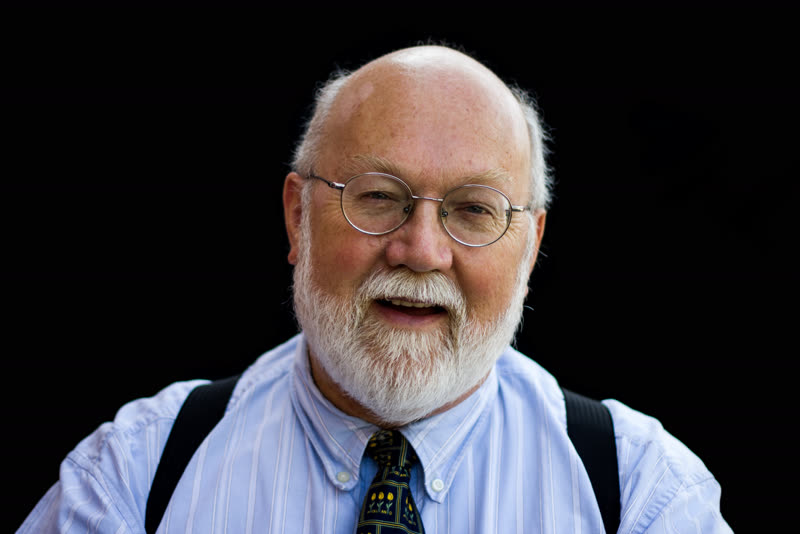 Tim Pasma Sunday AM Revelation October 21, 2012
Main passage Revelation 20
📖 Read the Scripture passage (ESV)
Understanding Revelation 20
Revelation 20(ESV)
1 Then I saw an angel coming down from heaven, holding in his hand the key to the bottomless pit and a great chain. 2 And he seized the dragon, that ancient serpent, who is the devil and Satan, and bound him for a thousand years, 3 and threw him into the pit, and shut it and sealed it over him, so that he might not deceive the nations any longer, until the thousand years were ended. After that he must be released for a little while.
4 Then I saw thrones, and seated on them were those to whom the authority to judge was committed. Also I saw the souls of those who had been beheaded for the testimony of Jesus and for the word of God, and those who had not worshiped the beast or its image and had not received its mark on their foreheads or their hands. They came to life and reigned with Christ for a thousand years. 5 The rest of the dead did not come to life until the thousand years were ended. This is the first resurrection. 6 Blessed and holy is the one who shares in the first resurrection! Over such the second death has no power, but they will be priests of God and of Christ, and they will reign with him for a thousand years.
7 And when the thousand years are ended, Satan will be released from his prison 8 and will come out to deceive the nations that are at the four corners of the earth, Gog and Magog, to gather them for battle; their number is like the sand of the sea. 9 And they marched up over the broad plain of the earth and surrounded the camp of the saints and the beloved city, but fire came down from heaven and consumed them, 10 and the devil who had deceived them was thrown into the lake of fire and sulfur where the beast and the false prophet were, and they will be tormented day and night forever and ever.
11 Then I saw a great white throne and him who was seated on it. From his presence earth and sky fled away, and no place was found for them. 12 And I saw the dead, great and small, standing before the throne, and books were opened. Then another book was opened, which is the book of life. And the dead were judged by what was written in the books, according to what they had done. 13 And the sea gave up the dead who were in it, Death and Hades gave up the dead who were in them, and they were judged, each one of them, according to what they had done. 14 Then Death and Hades were thrown into the lake of fire. This is the second death, the lake of fire. 15 And if anyone's name was not found written in the book of life, he was thrown into the lake of fire.
Transcript
Take your Bibles this morning and turn to Revelation chapter 20. Revelation chapter 20. As you're turning, let me just say a few things. The first is that you will have in your bulletin an insert that is supposed to be a handout that will help you understand what I'm going to say today. The second thing is it's supposed to go along with a PowerPoint, which, of course, does not work.
That was obvious as my wife was coming into the auditorium this morning. She said, what's wrong? Evidently, my face showed it. What I wanted to say was the Lord just doesn't want us to be advanced in our technology. I ran through this whole PowerPoint here in this spot last night to make sure everything worked. The Lord and His providence is very mysterious to me.
So you're going to have to figure out what I'm saying and fill in the blanks as best you can, all right? I'm not going to say, put this in the blank. You're just going to have to figure that out. Maybe you'll pay more attention. I don't know. Let's find out.
Let's turn to the Word of God now. Revelation chapter 20, I want to read through this chapter. You follow as I read. Then I saw an angel coming down from heaven, holding in his hand the key to the bottomless pit and the great chain. And he seized the dragon, that ancient serpent, who is the devil and Satan, and bound him for a thousand years and threw him into the pit and shut it and sealed it over him so that he might not deceive the nations any longer until the thousand years were ended.
After that, he must be released for a little while. Then I saw thrones, and seated on them were those to whom the authority to judge was committed. Also I saw the souls of those who had been beheaded for the testimony of Jesus, and for the word of God, and those who had not worshipped the beast or its image, and had not received its mark on their foreheads or their hands.
They came to life and reigned with Christ for a thousand years. The rest of the dead did not come to life until the thousand years were ended. This is the first resurrection. blessed and holy is the one who shares in the first resurrection over such the second death has no power but they will be priests of God and of Christ and they will reign with him for a thousand years And when the thousand years are ended Satan will be released from his prison and will come out to deceive the nations that are at the four corners of the earth, Gog and Magog, to gather them for battle.
They're numbers like the sand of the sea. And they marched up over the broad plain of the earth and surrounded the camp of the saints and the beloved city, but fire came down from heaven and consumed them. And the devil who had deceived them was thrown into the lake. The beast and the false prophet were, and they will be tormented day and night forever and ever.
Then I saw a great white throne and him who was seated on it. From his presence earth and sky fled away, and no place was found for them. And I saw the dead, great and small, standing before the throne. And books were opened. Then another book was opened, which is the book of life. And the dead were judged by what was written in the books according to what they had done.
And the sea gave up the dead who were in it. Death and Hades gave up the dead who were in them, and they were judged, each one of them, according to what they had done. Then death and Hades were thrown into the lake of fire. This is the second death, the lake of fire. And if anyone's name was not found written in the book of life, he was thrown into the lake of fire.
Let's pray. Father, we now come to your word. Help us to understand it. Lord, especially in a day like today, We pray that you would help us to concentrate, to think, and Lord, to think in ways that would make us come to decisions about what we believe. And Lord, help us now, help me now in this hour to lead the congregation in thinking through this vital but very controversial chapter. help us to do that so that we will be clearly convinced of what your word teaches that we will take what we are clearly convinced of and found our hope in it especially on the revelation of jesus christ in glory help us as we do that now in jesus name amen All of us here probably have seen the Star Wars movies and maybe you remember a pivotal scene in what is now called Episode IV, A New Hope.
You remember it the scene where Han Solo Princess Leia Luke Skywalker Chewbacca R2 and C make their escape in Han spacecraft called the Millennium Falcon Someone might say, wow, what a cool name for a spacecraft, the Millennium Falcon. Where did they come up with such a name like that? well the term millennium is not made up and it isn't originally applied to a spacecraft it actually comes to us from the bible millennium is the latin word for a thousand years and it comes to us from revelation 20 where you find a thousand year time period described now revelation 20 is one of the most controversial chapters in the entire bible second only to the first two chapters of genesis if you were to go to grace seminary when i was in school way way back in those ancient days of the late 70s a bible believing seminary you might hear this conversation between a couple of students. So what are you?
Premillennial or amillennial? What? Are you kidding? I'm neither. I'm postmillennial. And you might say, what is that all about?
Those are the three schools of theology that have grown up around Revelation chapter 20. They are the ones that have grown up around that and have argued about what view of Revelation 20 is the correct one. And all of three of those views are held by Bible-believing, gospel-centered people. You all know Dave Durnland. He's one of our missionaries. A good friend of mine, a good friend of yours.
He would call himself premillennial. You remember Jerry Marcellino? Jerry was here a few years ago and preached here. Jerry is one of the founding granddads of the fire, the fellowship we belong to. Jerry would call himself post-millennial. And then our friend that we come to respect around here Jay Adams he amillennial I mean all three views are held by people who truly believe the Bible Now you thinking at this point Pastor Tim surely you not going to bore us with a dry dusty arcane theological discussion about these three views And my answer to you is yes and no.
Yes, we are going to have this discussion. And no, by God's grace, I won't bore you. Okay? But this is important. It is important. As a young pastor, I used to call myself a pan-millennialist.
You know what a pan-millennialist is? It's someone who looks at all three views and says, oh man, they all make great points. I don't know which view to embrace. Well, what does it matter? It'll all pan out in the end. And that's what I used to say.
I don't know. But you know, you can't, honestly, you can't keep going that way. And again, one of my colleagues, Charlie Fry, once said to me, Pastor Tim, you've got to decide because it determines a lot of things. It determines how you're going to approach life. Whichever view you have is going to in some way determine how you approach life and how you approach the hope of the coming of the Lord Jesus Christ.
It's going to affect those things. I can remember, and we're going to see this in a few minutes, post-millennial people tend to be very, very, very optimistic about the way things are going in the world. Now remember at a fire, at one of our fire conferences, the missionaries were getting up and giving their reports and telling these great stories about how the gospel was advancing.
And Jim Neuheiser, who's a millennial, got up and said, Wow, God, I mean, things are really going well with missions. And Jerry Marcellino, our post-millennial friend, said, Amen! And Jim's response was, well, probably not that good. It's going to affect how you look at the world and how you organize your life. The view that was pounded into my head all the way up through my seminary training tended to make people think that tradition kind of like well we're not going to suffer we'll just hang on until Jesus comes back and then the suffering really get poured out we're not going to suffer that much and and so we tended to get dull toward the world and even the injustices of the world and so forth and so it has an effect on you so today I want to introduce you to these views and then help you understand what this chapter itself indicates where I want to lead you and where we're going to land.
And then the week after next, we're going to dive into this chapter then and take it apart and see what God has to say in particular. But today I want us to seek to understand, because I think it's really, really, really important that we understand what this chapter overall says and how it places everything within God's larger framework of how his plan unfolds in the world, okay? And these kind of sermons just really scare me because I don't want to bore you.
And yet I think it's important for the people of God to understand these things. All of us are theologians. That's never a question. Everyone's a theologian. The question only is whether you're a good one or a bad one. I want you to be good theologians.
And so I want us to look at this carefully. So the first thing we want to do is understand the rival views of Revelation 20. Okay? Let's understand these rival views. And you have three charts that are in front of you. And I'm going to try to help you understand it.
The first one is called pre-millennialism. In that little box, pre-millennialism. This is probably the most popular and most familiar view in this country. Probably most of us, I would guess, Most of us here were taught this view. This is a view that says that Jesus returns to the earth before the millennium. He returns before the millennium, before the thousand years and Satan's imprisonment.
Jesus returns before the millennium, so it's called pre-millennialism. That's why it's called that, because it says Jesus returns before the millennium starts or right at the beginning. And if if you the only thing missing in the chart if you want to look at it is an arrow down that says Jesus returns And if you going to draw it on your chart it right at the beginning of the millennium Pre Happens before the millennium starts And so Jesus returns to earth.
Satan is bound. And then he reigns on the earth for 1,000 years. And believers who've been resurrected rule with Jesus. They get that from verses 4 and 5, that these come to life and reigned with Christ for a thousand years. Verse 5, this is the first resurrection. At the end of the thousand years, Satan is released and he gathers a vast army of fallen humanity to rebel against Christ's reign and then to lose in this great climactic battle, which we have seen in verses 7 through 10.
Now, let me just give you a little detail here. This is not the battle of Armageddon. Armageddon happens, see, premillennials, as we've talked about, tend to read Revelation chronologically. Now, we haven't done that, because I don't think that's the right approach to Revelation. But they tend to read it chronologically, And so they see in chapter 19 where Jesus comes and defeats this incredible army and throws into the lake of fire the beast and the false prophet.
That's Armageddon. That's already happened. That's happened a thousand years before. Now at the end, there's another great battle in which Satan is defeated after he raises his great army. with Satan's defeat then Jesus ushers in the sin free curse free new heavens and the new earth and eternal joy begins that at the end of the millennium now the curse is removed everything is renewed and now we have the new heavens in the new earth now note you have two resurrections sometimes three resurrections in this view you will have two, sometimes three, resurrections in this view.
How so? Well, first, believers at the beginning of the millennium are raised from the dead. The believers are raised from the dead at the beginning of the millennium And then at the end of the millennium unbelievers are raised from the dead And the judgment that we read in verses 11 through 15 occurs For some there a certain premillennialism called dispensational premillennialism that has three resurrections.
You know, Jesus comes in the air in a rapture and believers, church believers, are raised from the dead and those who are alive are transformed, but Jesus doesn't come all the way to the earth. They go up to him and are in heaven. And there's supposedly this seven years great tribulation. And then at the end of that is the beginning of the millennium and Jesus returns.
And then there's a second resurrection of a lot of other people, Old Testament saints and so forth. And then the third resurrection occurs at the end of the millennium for unbelievers and those who died during the millennium. OK. And so there are in some views are three resurrections. OK. So that's premillennialism.
The next is called postmillennialism. post-millennialism as its name suggests this view asserts that jesus returned to earth occurs after the millennium after the thousand years so it's called post-millennial that makes sense doesn't it post-millennial jesus so the arrow comes down at the end of the millennium okay jesus returns at the end of the millennium. So the millennium is the age or the thousand years is a symbolic number representing a long period of time between Jesus' ascension and his second coming. So the millennium is the age in which we now live.
We're in the millennium in other words. The thousand years is not literal, it's symbolic. It just represents a long period of time and at the end of that period of time, Jesus returns. So it's the age in which we now live. Now, post-millennialists have a very distinctive view of this period in which we live. Satan is bound, as we see in the first three verses, Satan is bound during this age.
So the gospel has unfettered progress throughout the world Satan can stop the gospel now It goes through all the world and when you read about this coming to life in verses 4 and 5 also identified as the first resurrection it symbolizes the new birth of salvation that both martyrs and confessors of Christ experience This chapter symbolizes the worldwide spread and the overwhelming success of the gospel in all the nations. Now, you don't read about that in Revelation 20. What they do is they look at other passages of Scripture and say, see, the gospel is powerful.
Look at all these prophecies, primarily from the Old Testament and so forth. And they say that the gospel has this overwhelming success and a vast majority of the world's population become Christians so that whole families, whole societies, nations are transformed by the witness of Jesus' disciples. The lordship of Jesus is not just recognized privately by individuals, but the lordship of Jesus becomes so powerfully convincing that his lordship is publicly recognized in governments.
Imagine this, governments saying, yes, Jesus is Lord, and we're going to operate the way Jesus wants us to. And the arts, where artists are saying, yes, Jesus is Lord, and our art ought to reflect that. and science saying, yes, Jesus is Lord, and science ought to reflect that. I love this view. You imagine what would happen to movies and our literature if that was the case?
Wouldn't that be tremendous? And so, justice, compassion, peace, economic stability, flourishing arts, better physical health will result. All of this showing that Jesus is king and his word is the best and only basis for all of society. Now, that doesn't happen. Here's the thing. Here's the thing to remember.
For these folks today and the present way they look at that, this is the result of the gospel. It's not the result of winning elections. It's not the result of getting the machinery of government and society. It's about the Gospel having such a widespread, powerful effect that all these areas, from culture to government to families to society, all of it.
But then toward the end of this golden age, the Gospel leads then to a golden age. The gospel leads to this golden age, but at the end of this golden age, Satan is loose and a period of intense rebellion against his word and the persecution of the church breaks out throughout the world. And then Jesus returns in glory to raise and judge the dead and to condemn sin as we read in Revelation 20.
And he is in the eternal state with the curse-free, sin-free new heavens and new earth and eternal joy begins. Now that's the post-millennial view. All right? The last is called the amillennial view, ah. At first sight, you might think that the ah in front of the word means no millennium. Typically, when you put a in front of a word, it's like it negates that word.
Like when you say someone is amoral, what are you saying about that person? You're saying he's got absolutely no morals, right? So when you say amillennial, you may think, well, that means there's no millennium. And that's not exactly true. It does mean that there is no literal millennium. No, it's not like a thousand years Jesus reigns on earth.
It's saying, no, that's not the case. That's why it's called. No literal millennium means, ah, in other words, but it doesn't say there isn't a millennium. It's saying we're in it. OK. amillennialism asserts that the thousand years again symbolizes the time between Jesus ascension and his return and thus Jesus returns after the millennium that is at the end of the age in which we live the arrow comes down again at the end of the age we are in the millennium it symbolizes the age in which we live.
Now that sounds like post-millennialism because it agrees with them that Jesus returns after the so-called millennium. But it differs as to the nature of that millennium. It differs with the premillennialists and it differs with the post-millennialists about the nature of that millennium. It disagrees with the premillennialists that there are resurrected people in immortal bodies living on a sin world Living in a sin world and living with other people who have non bodies which is what the premillennialists would have, right?
Right? Can you see that? There's a resurrection of believers at the beginning of the millennium when Jesus returns. That's what verses 4 and 5 says. That's what the premillennialists would say. Look at verse 4 and 5.
People are raised from the dead and they rule with Jesus. and so you have this a thousand year period where you got people in resurrected bodies living with people with not resurrected bodies perishable bodies they don't die these people do okay so they differ with the premillennialists on that and they differ with the post-millennialists because they don't see the age as a golden age they don't see everything getting better all right because of the gospel they don't see that so it disagrees with the premillennialists and disagrees with the postmillennialists and they all disagree with each other about the nature of the millennium alright again let me just say this okay footnote if someone's premillennial or someone's postmillennial I love them I love Jerry Marcellino I certainly love Dave Durnland we've had some interesting conversations over the years oops I gave away where I'm headed haven't I? But so don't use this, please don't use this as a weapon against your brothers, okay? This is not something that we start beating each other over the head with.
This is something for friendly discussions and refining one another, okay? So let's not ever use this. Frankly, I grew up in a tradition that if you wouldn't believe like we did exactly, well then forget you. We're not going to have anything to do with you. If you have any of those other positions, well, then you just don't know the Bible and you're distorting the Bible and you're all this kind of, let's not do that.
Right? This is an area where, as I said, this has been beaten around for 2,000 years. And so let's remember that. Now back to where we were. Amillennialism says, this is the, by the way, the last phrase with the two blanks, that life in this age is under the curse until Jesus returns In this age it still sin cursed until Jesus returns And at the end of this age at the end of this age in which we live Satan will succeed in assembling a worldwide coalition that will bring the church to the edge of extinction.
We've talked about that already, haven't we? From chapter 16, chapter 19, chapter 11. Where it seems that the book of Revelation teaches that Satan will assemble a worldwide, for the first time, a worldwide alliance, a coalition that will bring the church nearly to extinction. But then Jesus will appear in glory to destroy the coalition, to raise and judge all the dead, and to judge and to destroy Satan and usher in the new heavens and the new earth.
So the amillennialists, instead of seeing a golden age after which Jesus returns, sees this age is living under the curse with sin and wickedness existing and growing alongside the gospel until there's this great coalition that is eventually defeated. And then Jesus ushers in the new heavens and the new earth. Now, the question is, where do we go from here?
Those are the three views. What do we do with it? Let's do two things. First, I want to gather some clues from other scriptures. I want to see how Revelation 20 fits with other scriptures. I want to do that with you this morning.
And then let's take a closer look and see how Revelation 20 actually fits in the book of Revelation itself. So I want to see how it fits in the broader categories that scripture gives us. And then how Revelation 20 fits within Revelation itself. And I think that ought to lead us in particular directions. First of all, understand how Revelation 20 fits other scriptures.
What about the binding of Satan? What about the binding of Satan? Let's look at a couple passages. And again, you know, this is a lecture that should take a whole semester. And we need to look at all kinds of scripture here to put it all into perspective. But we don't have time.
So we can look at a few. So I want you to turn to Matthew chapter 12. Matthew chapter 12 I think this has been instrumental for me as I studied through Matthew and as we went through Matthew together and as I over the years been thinking through these things this is a pivotal chapter I think in this whole discussion Matthew chapter 12 we won read the whole thing We want to read verses 22 through 29.
Now watch what it says. Then a demon-oppressed man who was blind and mute was brought to Jesus, and he healed him, so that the man spoke and saw. And all the people were amazed and said, Can this be the son of David? But when the Pharisees heard it, they said, it's only by Beelzebul, the prince of demons, that this man casts out demons. Knowing their thoughts, Jesus said to them, every kingdom divided against itself is laid waste.
And no city or house divided against itself will stand. And if Satan casts out Satan, he's divided against himself. But then how then will his kingdom stand? And if I cast out demons by Beelzebul, by whom do your sons cast them out? Therefore, they will be your judges. But if it is by the Spirit of God that I cast out demons, then the kingdom of God has come upon you.
Or how can someone enter a strong man's house and plunder his goods until he first binds the strong man? Christ bound Satan when he arrived with the kingdom of God when Jesus arrived with the kingdom of God he bound Satan now look Jesus says verse 28 but if it is by the spirit of God that I cast out demons then the kingdom of God is a has come upon you why does he say that because right above you will notice in verse 18 through 21 that Matthew quotes for us from Isaiah chapter 42. What does Isaiah 42 say?
It says, Behold my servant whom I have chosen, my beloved with whom my soul is well pleased. I will put my spirit upon him and he will proclaim justice to the Gentiles. He will not quarrel or cry aloud, nor will anyone hear his voice in the streets. A bruised reed he will not break, and a smoldering wick he will not quench until he brings justice to victory and in his name the Gentiles will hope this is a messianic prophecy from Isaiah chapter 42 Jesus says or Matthew said Jesus was fulfilling that how because the spirit of God was upon him and so when he says in verse 28 this if the spirit of God does these things then the kingdom's here you see The kingdom is here.
That's what Isaiah said. And so I'm doing this not by Satan, but by the Spirit of God. And therefore, the kingdom is here. And what does that mean? The kingdom of God is forcefully advancing. Jesus' miracles show the greater authority he has that's even greater than Satan's.
By that authority, he binds up Satan and plunders his house. What is he saying there? He says, you know what? The kingdom of God has come and the king can go into anywhere in Satan's kingdom. He can take whoever he wants, whenever he wants, at will. That's amazing, isn't it?
I love that. Because the king has arrived, the gospel can go into anywhere. Satan can't do a thing about it because he's the strong man that has been bound. And the Lord Jesus Christ, through the gospel, can go and get anybody he wants whenever he wants. Because Satan's bound. The strong man is bound.
He plunders his house. He just goes and takes. Some of you are sitting here. Not some of you. All of you sitting here, and this guy included, has been plundered from Satan. He's been bound.
And therefore, Jesus takes whoever he wants. The kingdom of Satan has been rendered powerless over the gospel, you see. Now, let's look at Colossians chapter 2. Look at Colossians chapter 2. Listen, folks. Theology is not boring.
If it's boring, the problem's not in the theology. You know what I prayed before I came up here? I said, God, you know. Lord, you know how these lecture sermons, I'm always afraid of them. Because I'm here to preach. by God's grace I'm preaching today all right look at Colossians 2 verses 13 through 15 and you who were dead in your trespasses the uncircumcision of your flesh God made alive together with him having forgiven us all our trespasses by canceling the record of debt that stood against us with its legal demands this he set aside nailing it to the cross key verse he disarmed the rulers and authorities and put them to open shame by triumphing over them by the Jesus bound Satan at the cross Satan wasn only bound when Jesus showed up with the kingdom but Jesus has bound Satan at the cross.
He bound him at the cross. He's disarmed him. You know, Satan cannot force you as a child of God. Satan can't force you to do anything. the only thing Satan has in his arsenal it's a powerful weapon the only thing he's got is deception that's it, he's got no other way he cannot make a Christian do anything, he's been disarmed he can't point a gun to your head, he's got no gun he's been disarmed he can't do anything to you except through deception it's the only thing he's got going for him see now it's powerful but again if you sin you can't blame satan you can never blame satan most you can say is fooled me again all right let's go on let's look at ephesians 1 now again we just read this i read this in in as as we read the gospel together this morning.
From Ephesians 1, we read verses 16 through 23, and that's where we want to go. And I don't want to read it again, but do you remember what it says that this power that God worked in Christ, he raised him from the dead and did what? He seated him, verse 20, seated him at his right hand in the heavenly places, far above all rule and authority and power and dominion and above every name that is named, not only in this age, but the one to come.
What does he mean when he's talking about rule, authority, power and dominion and all these names? He's talking about the satanic forces. Jesus has been elevated above them. He rules over them. Just as we confessed, as we confessed our faith, that Jesus is king and he rules over good and evil. Good angels, bad angels.
He limits and works the forces of evil as He wills. And that's what this text says. So we can say then that Jesus bound Satan through His ascent, His resurrection and ascension. Alright? Through His resurrection and ascension He bound Satan. So from His coming in the incarnation and bringing the kingdom of God He bound Satan At the cross he bound Satan In his resurrection and ascension he binds Satan All those things are true.
Now, they don't say bind, but Revelation puts it in a symbolic way. So you get the point. Satan's been bound. Satan has been bound. Okay? So we have this symbolic language of the force of evil in this world bound in a way so that the gospel can go on.
And he can't get all those forces together until he's allotted time. Now again, you say, but Satan's alive and well. There's even a book by that title. Right? And you're right. He is alive and well.
Is he in the world? Sure he is. But again, this is symbolic language, so you get the point. You get the point. Remember, this is to help us in terms of persecution and seduction. What do we need to know when it seems like the forces of evil are going to crush us?
Satan's back. All right, let's go on. Now, in the first part of this chapter, is this raining on earth or in heaven? that's a good question to ask a premillennialist would say well this is jesus who's returned and now he's reigning on the earth for a thousand years with those who've been resurrected well i think what we need to see is that this is an echo of an old testament passage is found in chapter seven it should be familiar to us it's that wonderful son of man passage that we read and and that jesus often referred to when he called himself the son of man in daniel chapter 7 verses 9 and 10 we read this as I look this is Daniel in the vision he has thrones were placed in the ancient of days took his seat his clothing was white as snow and the and the hair of his head like pure wool his throne was fiery flames its wheels were burning fire a stream of fire issued and came out from before him a thousand thousand served him and ten thousand times ten thousand stood before him the court sat in judgment and the books were open that ought to the first people who are revelation 20 should have all sudden said whoa whoa this sounds familiar why because in chapter 20 what do you see you see thrones right in a heavenly court and at the end of the chapter what do you see Books are opened So right away you should be thinking Daniel 7 And so what's going on here is you've got to note the thrones and the open books.
This ought to make us think Daniel 7. The thrones appear before their occupants do. In Daniel 7, you see God sitting on a throne, but there's other thrones, but there's no occupants in those thrones. When you come to Revelation 20, you find out who sits on those thrones. You find out who's sitting on those thrones. It's revealed in Revelation 20.
But here's the important point. See the location of this. The location of the scene is heaven, not earth. See, it's not on earth. What John is looking at, Okay, the first vision in chapter 20 he sees about Satan. The second vision he sees is not the earth, but heaven.
That's what he sees. So it's not Jesus reigning on earth with resurrected people necessarily. It's Jesus reigning in heaven. And the occupants of those thrones, which are empty in Daniel 7, now we see the occupants of those thrones in heaven. These are those who have been beheaded, those who have confessed Christ. and have gone to glory are sitting on those thrones.
This is in heaven, not on earth. I think that's important for us to see. So this does not refer to saints reigning with Jesus on earth, but with him in heaven. Okay? What about death and resurrection? We need to consider what Scripture says about death and resurrection.
This, I think, is very important for us in understanding Revelation chapter 20. All right? So first I want you to look with me at 1 Corinthians. We're going to spend our time in 1 Corinthians 15. It's in this chapter that we read the most about resurrected bodies and when and so forth and so on. 1 Corinthians 15, let's start in verses 25 and 26.
For he must reign, that is Jesus in heaven, until he has put all his enemies under his feet. The last enemy to be destroyed is death. Okay? Okay? The last enemy to be... I'm sorry, I'm in the wrong verse.
We should be in verse 42. That's my next point. Sorry. Verse 42. So it is with the resurrection of the dead. What is sown is perishable, what is raised is imperishable.
It is sown in dishonor, it is raised in glory. It is sown in weakness, it is raised in power. It is sown a natural body, it is raised a spiritual body. If there's a natural body, there's also a spiritual body. So there's this going to be this resurrection body. Jump over to verses 50 to 54.
I tell you this, brothers, flesh and blood cannot inherit the kingdom of God, nor does the perishable inherit the imperishable. Behold, I tell you a mystery. We shall not all sleep, but we shall all be changed in a moment, in the twinkling of an eye, at the last trumpet. For the trumpet will sound, and the dead will be raised imperishable, and we shall be changed.
For this perishable body must put on the imperishable, and this mortal body must put on immortality. When the perishable puts on the imperishable, and the mortal puts on immortality, then shall come to pass the saying that is written, death is swallowed up in victory oh death where is your victory oh death where is your sting your sting now note this okay resurrection bodies exist in the new created order where sin is destroyed and sin's curse no longer exists when i read first corinthians 15 paul is saying that Paul is saying that these resurrected bodies are in a state where there's no sin. Okay?
They're in a state where there's no sin. Resurrected bodies do not belong to the old order of creation, but are part of the new creation. The problem that I can see with premillennialism, and again, I'm not pounding on anybody. I'm just saying, I'm trying to understand and get an accurate understanding of the word of God. The problem with premillennialism is it has these resurrected bodies still living in a sin-cursed world before the new heavens and the new earth.
And 1 Corinthians 15, at least to me, indicates or says that the imperishable belongs to a sin-free, curse-free environment. They're made for that, and that's where they exist. They don't exist in the old order, and that's a problem. Okay So resurrection bodies exist in the new creation order where sin is destroyed and the curse is gone That what he seems to indicate here Scripture says that the last enemy to be destroyed is death right The last enemy to be destroyed is death.
Over in verses 25 and 26. For he must reign until he has put all his enemies under his feet. The last enemy to be destroyed is death now that's significant why why because when you look at when you look at verses 52 through 55 death is swallowed up in victory what when we get our bodies verse 23 but each in his own order christ the first fruits then at his coming those who belong to christ All right, what are we saying here?
The resurrection occurs at Christ's coming. That's what it says in verse 23. Verses 25 and 26 says, the last enemy to be destroyed is death. Verses 52 through 55 says, death is swallowed up in victory when? When we get our new bodies. When you come to Revelation 20, 7 through 10, right, the scene of the big battle, If you have a premillennial view, you've got the last enemy being defeated at the beginning of the thousand years, and there's still some other enemies to be conquered at the end of the thousand years.
Right? Satan and all his forces. The last enemy to be conquered is death. Not death, not immortality, then this enemy. You see what I'm saying? so it would appear that if death is the last enemy then the resurrection of immortals the resurrection passage also indicates that jesus return signals the end of the old order of death and the beginning of the new order of no curse of sin all right from all the passages we read in 1 Corinthians 15, it appears that Jesus returns, right, that Jesus returns signals the end of the old order of death and the beginning of the new order where there no death So if Jesus returns at the beginning of the thousand years you don have the new order yet.
You have kind of a thousand years where the curse isn't so bad, and then the new heavens and new earth. But these passages seem to indicate that when Jesus returns, The new order comes with him. That has to be then at the end of what we see in Revelation 20. All right? Let's keep going, okay? Scripture indicates as well only one resurrection.
It appears to me that when I read the rest of the Bible, there's only one resurrection. For example, Daniel chapter 12. Daniel chapter 12 this is one of the clearest Old Testament passages verses 1 through 3 at that time shall arise Michael the great prince who has charge of your people and there shall be a time of trouble such as never has been since there was a nation till that time but at that time your people shall be delivered everyone whose name shall be found written in the book and many of those who sleep in the dust of the earth shall awake some to everlasting life and some to shame and everlasting contempt.
And those who are wise shall shine like the brightness of the sky above, and those who turn many to righteousness like the stars forever and ever. In the Old Testament, you see one resurrection, the wicked and the righteous being raised. And then in John chapter 5, this is a passage I read quite often at the graveside. John chapter 5, verses 28 and 29. do not marvel at this for an hour is coming when all who are in the tombs all who are in the tombs will hear his voice and come out those who've done good to the resurrection of life and those who've done evil to the resurrection of judgment so there is doesn't seem to be this resurrection here and a resurrection later it seems to be one resurrection where everyone is raised and then judged so unlike premillennialism there's only one not two or even three resurrections and so back to revelation 20 when we read in verses four and five about these who have who are coming to life and the first resurrection of in those two verses i believe it has to symbolize something other than the resurrection of the body All right Okay.
What about evil in this age? What about evil in this age? Turn over to Matthew 13. This is the parable of the weeds explained. You know this parable. Verse 36, Then he left the crowds and went into the house, and his disciples came to him, saying, Explain to us the parable of the weeds of the field.
He answered, The one who sows the good seed is the son of man, the field is the world, and the good seed is the sons of the kingdom. and the enemy who sowed them is the devil. The harvest is the close of the age and the reapers are angels. Just as the weeds are gathered and burned with fire, so will it be at the close of the age. The Son of Man will send his angels and they will gather out of his kingdom all causes of sin and all lawbreakers and throw them into the fiery furnace.
In that place there will be weeping and gnashing of teeth and the righteous will shine like the sun in the kingdom of their father. He who has ears, let him hear. Jesus indicates that there's this, alongside the gospel reaching people, there's also the sons of the devil, and they grow together all the way until the end of the age. It's not like suddenly there's this golden age.
It's like it just seems to go through the entire age. Evil growing and existing. This describes an age where evil grows and exists right up until Jesus returns. Okay? And you see the same thing in chapter 24. In chapter 24, we can read verses 3 through 14.
You're familiar with these. I believe, as we preached through Matthew some years ago, this is where we landed. Jesus is describing the age in which we live. What's it going to be consistent of? We're going to have false Christs. There's going to be wars and rumors of wars.
Okay? nation's going to rise against nation kingdom against kingdom famines earthquakes they'll deliver you up to death or put you to death they'll hate you because of his names people are going to fall away there's going to be betrayal there's going to be false prophets there's going to be lawlessness the love of many will grow cold all these things Jesus indicates that this age is one where evil grows, exists, and grows right up until he returns. That seems to be the tenor of scripture. No golden age, but an age in which both things are happening.
The gospel grows and evil grows. By the way, there are times where the gospel grows more than evil, and we call that revival. There are other times where evil grows more than the gospel. Those are very difficult times, like in North Korea, all right? But it just keeps going like that from the beginning to the end of the age, all right? Now quickly, let's finish up with this last point.
Understand how Revelation 20 fits the book of Revelation. In other words, what I'm saying here is consider how Revelation works, how it has unfolded up to this point. We shouldn't abandon what we've pursued when we get to Revelation 20. It should be the same thing. What's the same thing? Well, remember that Revelation uses symbols to communicate truth.
You read it symbolically, so expect it in Revelation 20. Expect it in Revelation 20. Expect symbols to be used there. You know, the bizarre, vivid images you see are intended to communicate truth to you in a way that makes you remember. Now, I don't know about you, but obviously there's symbolism used here. All right?
Is there an angel with a great big giant chain that wraps up a dragon? Is there? Well, some people would, I know people who argue that we got to read that literally. It's a real chain. Well, the problem with that is what do you do with serpent and dragon then? Is it one or the other?
Maybe it's a hybrid. Well, it's not a dragon. It's not a serpent. That's symbol for Satan. So the chain is symbolic. And being locked in a bottomless pit is symbolic.
It isn't that Satan was thrown in a bottomless pit and for a thousand years he keeps falling. Right? That all symbolizes something, so we ought to expect that. You remember, for example, in Revelation chapter 11, where they have the two prophets, right, that are preaching and then they die and the whole world is looking at them on the streets of Jerusalem and rejoicing.
You remember that that was a highly symbolic passage saying this. The church has a prophetic voice in the world It like prophets who proclaim the word of God to a hardened people And they proclaim it and they proclaim it and then they are crushed And it looks like they're dead, but then at the end they're raised. They're rescued by God, and the whole world is suddenly, oh no, we're in big trouble.
That was a highly symbolic view of the church and what's going to happen in this age. So we ought to expect symbolism here. It shouldn't stretch it to say the thousand years is symbolic. I mean, if the chain is and the Satan and dragon is and all these other things are symbols, then the thousand years can also be symbolic, okay? Remember that Revelation uses anticipation.
So we ought to expect it when we come up, when we ramp up to Revelation 20. Anticipation. What's anticipation? Well, for example, Revelation chapter 14, verse 8. You remember that? No, you don't.
So I'll tell you. Revelation 14.8, it just says in passing, fallen, fallen is Babylon the great. That was in 14. But that's all we saw. Fallen, fallen is Babylon the great. That's all we saw.
But then we come to chapter 17. See, it anticipates the fall of Babylon. In chapter 17 and 18, there we saw the fall of Babylon in great detail. Well, the same thing, we ought to see the same thing here. Let me show you. Revelation 16.
Revelation 16, verse 16. Well, verse 13, I saw coming out of the mouth of the dragon and out of the mouth of the beast and out of the mouth of the false prophet, three unclean spirits like frogs, for they are demonic spirits performing signs who go abroad to the kings of the whole world to assemble them for battle on the great day of God the Almighty, verse 16, and they assembled them at the place that in Hebrew is called Armageddon. There we see anticipated, or just mentioned, this great battle.
Now, when we come to, that anticipates what we read in chapter 19, verse 17. Remember, an angel standing in the sun, a loud voice calls for all the birds of the world to come for there's going to be this huge battle and all these kings and commanders and everybody and even the nobodies are going to be slaughtered and they going to have this incredible feast Well now we have in greater detail what was anticipated before And then verse 20 Oh by the way Satan the false prophet and the beast are mentioned in chapter 16 The false prophet and the beast are mentioned in chapter 19. In chapter 20, verses 7 through 10, we won't read it.
All right. You see another of this great battle, only here Satan is singled out. What do you think is going on? It's anticipation. It tells you about it and then it fills it in. And so it's anticipated in chapter 16, but all the details are filled in, in chapter 19 and chapter 20.
So chapter 16 introduces the battle and those judged, but later includes greater detail. so if we saw anticipation maybe this is what in revelation 20 maybe this is what is described there and before okay remember that revelation uses and this is very important as we've seen recapitulation revelation uses recapitulation you remember recapitulation is it's telling the same story from a different angle right it's like god rewinds the dvd or he hits the chapter skip and goes back and replays the dvd that we've already seen before but only this time we see it from another angle how did we see this before well you remember the seven seals the seven trumpets and the seven bowls. They all describe the same time period, but they tell you something different in each one, right? You remember that?
How about this? In chapter 11 describes this age as the time when the church proclaims the word of God like prophets, stands as the instrument, as the mouthpiece of God, and speaks the word of God like prophets to the world, and then it's killed. But then when you come to chapter 12, you see a dragon, a serpent, and a false prophet, I mean a dragon, a beast, and a false prophet harassing the church.
Remember? And trying to go after the mother of the church, and then the one who's born, and then the church itself. And there you get this picture of this age, only not the church as the prophet, but now the church as the harassed enemy of the dragon who enlists his allies A different view of the same age only just a little bit different detail All right So do you think that could be happening in Revelation 20 Yeah, it's recapitulation.
It's telling the story of this age from a different angle. Why do I say that? Look at look at chapter 20 in verses 7 through 10. It sounds a lot like the battle in chapter 19 and a lot like the battle in chapter 16. In fact, there are three words used over and over. They are this.
There are three strands that appear in all three times. Deception, gathered or assembled, and war or battle. And by the way, it's interesting, in the Greek text it doesn't say, for example, in chapter 20, and he will come out to deceive the nations that are at the four corners of the earth, Gog and Magog, to deceive, to gather them for battle. They're numbers like the sand of the sea.
Oh, gather them for battle or for war. In the Greek text, it's for the battle, which is a reference to the past. So what am I saying? I'm saying you have a recapitulation here, there, and I would expect it in the rest of the chapter as well. It's telling the same story. So Revelation 20 recapitulates the story of this age, only introducing something new that we need to know to in order to equip us for our battle against persecution and seduction.
It's telling us the same story from a different angle. So we're better prepared. Right. So we're getting the same story again, only from another angle, so that we can stand in persecution. What do I know? Chapter 11.
We're a prophet. We stand and we proclaim God's word to the world. Right? In chapter 12, we're harassed by the dragon and his two allies. That's the story of our life. chapter 20. Those who are killed look like losers, but they're reigning in heaven.
Now can you see? Different angles give us different equipment so we can fight and we can stand. So at the end of the day, where are we on this chapter? Well, if we've got to put a label on it, where do you think we've landed? Amillennialism. I think it makes the most sense.
I think that's exactly what's going on here. And although we may hate labels, oh, I hate labels. You know what? I like labels. Because they serve a purpose. Because now I know, okay, I know what you're saying about how the whole Bible fits together. how God's story unfolds.
I know what camera lens you're looking through. Right? So that's where we've landed. Let's conclude with this. So why is that important? So why is this important?
Here's why it's important. This last week I was reminded I had the wonderful privilege of sitting under the preaching of my son's pastor. He preached on 1 Peter chapter 1, verse 13, says this, Therefore, preparing your minds for action and being sober-minded, set your hope fully on the grace that will be revealed at the revelation of Jesus Christ. I'm going to set my mind on this.
I'm living in an age that is going to be evil. There's going to be persecution and seduction. But what I know is this. At the end of that age Jesus is going to return in glory And he will defeat all of our enemies The last one being death And so I going to set my mind fully on Jesus and the revelation of God grace that will come when he arrives at the end of the age.
And I'm going to live in this age like it's an evil age. And I'm not going to expect to be rescued from this evil age so that everyone else suffers, I'm going to expect to suffer too. I'm going to expect suffering. But I know this, that there's one coming and with him the grace of God in its final form to rescue the people of God and to bring to us a new heaven and a new earth in which there will never be death.
There will be no sin. There will be no suffering. That's why this is important. You're ready for action in this life if you're looking ahead and you see Jesus come back. Father, thank you for your word. This has been a long day and Lord, you have demanded of us some things physically.
And yet, Lord, this is important for us. Help us as we continue to set our hope fully on the grace that will be brought to us at the revelation of Jesus in glory. Thank you for your word. Thank you for the hope that we have in Jesus. And we thank you for all of this in his name. Amen.
Thank you.
Also referenced in this sermon
Other passages mentioned, beyond the main text.