A New Story
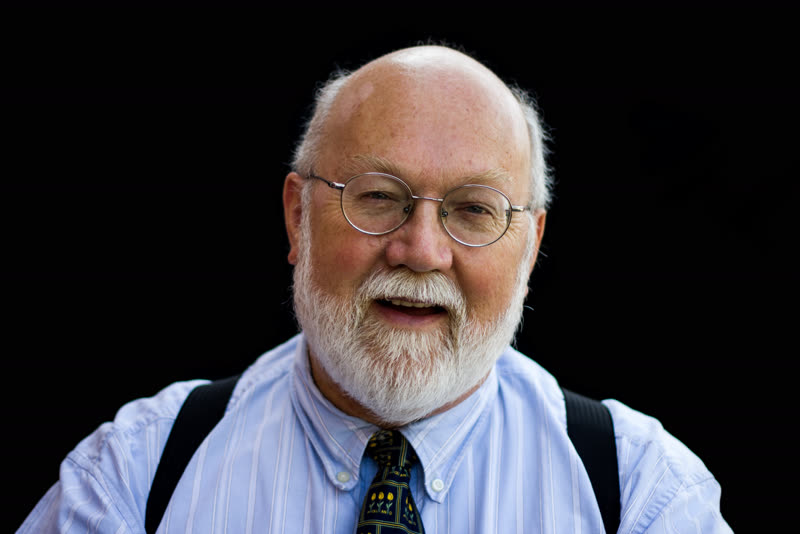 Tim Pasma Sunday AM Gospel Gifts October 6, 2013
Main passage Matthew 26:17-30
📖 Read the Scripture passage (ESV)
Matthew 26:17-30(ESV)
The Passover with the Disciples
17 Now on the first day of Unleavened Bread the disciples came to Jesus, saying, “Where will you have us prepare for you to eat the Passover?” 18 He said, “Go into the city to a certain man and say to him, ‘The Teacher says, My time is at hand. I will keep the Passover at your house with my disciples.’” 19 And the disciples did as Jesus had directed them, and they prepared the Passover.
20 When it was evening, he reclined at table with the twelve. 21 And as they were eating, he said, “Truly, I say to you, one of you will betray me.” 22 And they were very sorrowful and began to say to him one after another, “Is it I, Lord?” 23 He answered, “He who has dipped his hand in the dish with me will betray me. 24 The Son of Man goes as it is written of him, but woe to that man by whom the Son of Man is betrayed! It would have been better for that man if he had not been born.” 25 Judas, who would betray him, answered, “Is it I, Rabbi?” He said to him, “You have said so.”
Institution of the Lord's Supper
26 Now as they were eating, Jesus took bread, and after blessing it broke it and gave it to the disciples, and said, “Take, eat; this is my body.” 27 And he took a cup, and when he had given thanks he gave it to them, saying, “Drink of it, all of you, 28 for this is my blood of the covenant, which is poured out for many for the forgiveness of sins. 29 I tell you I will not drink again of this fruit of the vine until that day when I drink it new with you in my Father's kingdom.”
Jesus Foretells Peter's Denial
30 And when they had sung a hymn, they went out to the Mount of Olives.
Transcript
Well, I must tell you, I bring you greetings from Grace Church of Tirana, Albania, and from the Way of Hope Baptist Church in the same city, who impressed upon me the necessity of me bringing to you their greetings. It's great to go to another country and see brothers and sisters in Christ who are serving Him and seeking to extend His Kingdom. Albanians, a country in 1967 said that it had been successful in crushing out all religion in its country and was the first country in history to be 100% atheist as I talked to people that grew up in that totalitarian regime they were pretty much correct Pastor Ganesh talks about the fact that to him Jesus was just a legend that his grandfather told him about that people tried to kill him but he escaped that's what he knew about Jesus growing up so it's a rather interesting country and it was good to be there to see the Lord at work I'm looking forward to sharing with you a number of the things that happened someone said to me yesterday so how was your vape? and caught themselves and I said it wasn't a vacation I worked hard on the shores of the Mediterranean Sea so it was a good time it's a good time i anticipate sharing some great things with you as we look at that well we want to look at the text of scripture now in preparation for the lord's table so let's just ask god to open his word to us as we come to him father we now come to you.
We have praised you. We have offered our money to you. We have heard the scriptures read. Now, Father, we come to this part where we listen to you. And so I pray you would give us ears that would hear. We confess to you that we're too easily distracted.
We confess to you that sometimes we are very thick and often dull to the truths of your word, and yet we know that your spirit is more powerful than any distraction, that your spirit is more powerful than our lack of intelligence as we see it. Help us now then to give ourselves to hearing you as we look into your word In Jesus name Amen You know that we understand so much through stories. Annie came home the other day with a book.
She works at the library and she came home with a book called A Hundred Dresses. And I started reading that book and it was fascinating to to enter into the mind of a little girl who made fun of this other little girl because of everyone else who made fun of her. And even though she was poor, like the little girl they were making fun of, she didn't want to be from outside the crowd.
And she didn't want to be singled out herself if she would be different. And it was fascinating to see this author tell this story from the viewpoint of this one little girl who would make fun of the other little girl who was so poor that she claimed to have 100 dresses back home. And it was just interesting to see that story develop and tell me about what it's like.
Tell me about that experience that we've all had, right? The experience of, I don't want to be on the outside. I want to be on the inside. But it was told through a story. Stories are important. And the Bible is a storybook.
Not in the sense of being a fiction. It's the story of God. It's the story of God at work in this world. And in one of the early chapters of that story, you find that God has formed the people in accordance with a promise He had made to Abraham, Isaac, and Jacob. And as we heard this morning in the Old Testament, they're now a nation within a nation. They're the nation of God within the nation of Egypt.
But God had determined to deliver them from Egypt. And as part of that deliverance, He instituted the Passover meal as a perpetual reminder of that great redemption, that great deliverance, that great salvation from slavery. And He wants through that succeeding generations to remember the story of God's redeeming acts on their behalf. Now let's fast forward.
Let's move ahead in the story of God's people to the time Jesus heads with His disciples to Jerusalem. And here we want to see the story in the table. Matthew 26. Turn there with me. We be reading verses 17 Matthew 26 17 The story of God and His act of redeeming a people now has moved forward We centuries ahead of that former act We're centuries ahead of that first redemptive work of God in delivering His people.
Verse 17, Now on the first day of unleavened bread... We heard about that, didn't we? The first day of unleavened bread. Wes read that to us. Now on the first day of unleavened bread, the disciples came to Jesus saying, Where will you have us prepare for you to eat the Passover? He said, Go into the city to a certain man and say to him, The teacher says, My time is at hand.
I will keep the Passover at your house with my disciples. And the disciples did as Jesus had directed them, and they prepared the Passover. When it was evening, he reclined at table with the twelve, and as they were eating, he said, Truly I say to you, one of you will betray me. And they were very sorrowful and began to say to him one after another, Is it I, Lord?
He answered, He who has dipped his hand in the dish with me will betray me. The Son of Man goes as it is written of him, but woe to that man by whom the Son of Man is betrayed. It would have been better for that man if he had not been born. Judas, who would betray him, answered, Is it I, Rabbi? He said to him, You said so. Now as they were eating, Jesus took the bread, and after blessing it, broke it, and gave it to the disciples and said, Take, eat, this is my body.
And he took a cup, and when he had given thanks, He gave it to them saying, Drink of it, all of you, for this is My blood of the covenant which is poured out for many for the forgiveness of sins. I tell you, I will not drink again of this fruit of the vine until that day when I drink it new with you in My Father's kingdom. And when they had sung a hymn, they went out to the Mount of Olives.
Now here in the Gospel, Matthew relates the events leading to the inevitable death and resurrection of Jesus. On the way down that road, we come to this stop. this place, this just like a resting place in the midst of the hurry story going on in which Jesus stops and begins to interpret the events that are going to happen. Jesus Himself explains to you the meaning of those events yet to happen.
But He also, in the process, in the midst of that explanation, institutes for the church the celebration of something new, the Lord's Table. Now the occasion of all this is the Passover, The most anticipated celebration in the life of the people of God. The height of the year The apex of their year this is it Think Christmas or think Thanksgiving This is the apex of the year this great feast this Passover feast this festive occasion with a wonderful meal that would recall for them the deliverance of God, the deliverance that God had for His people out of Egypt.
And in this celebration, they recall the horrible, bitter years of servitude under the oppressive might of the Egyptians. And they recall the glory of God's purpose as He miraculously brings the plague of death upon those Egyptians. But yet, He passes over every Israelite house who has the blood spattered on the doorposts. They remember the incredible might of God delivering them through the Red Sea and wiping out the Egyptian army.
Jesus now explains what His death is all about and the importance in the future of recalling His death. And through this vivid celebration, He intends to teach what His death actually accomplishes. And at this point, He forever changes the Passover. Investing it with entire new meaning. Something they had never dreamed. Something all of a sudden now.
He takes what they had celebrated for centuries and changes the meaning of it forever. That is what we call the Lord's Table. Now, we need to see a new then, listen carefully, we need to see a new interpretation of the story. Have you ever read the short story Ransom of Red Chief? It's a great story. If you haven't read it, you ought to read it.
I'll tell you about it right now. I mean, these two guys blow into town and they want to make some quick money. So they decide to kidnap this one kid. So they kidnap this kid. They hold him for ransom. They send a note to his parents with a demand for ransom payment.
Well, while they're waiting, and they're waiting, and they're waiting, no answer comes. This kid terrorizes them. I mean, he just proves too much. He just makes their life miserable until finally, at the end of the story, the kidnappers end up paying his parents to take it back. Alright? Now you just don't expect that as you read the story.
You're not expecting that. The story of God's people, as we read it here in Matthew, the story of God delivering His people, there's a sudden and an unexpected turn in what's going on in this meal. Now during this part of the Passover celebration, Jesus gives thanks over the bread with a traditional prayer. Blessed art thou, O Lord our God, King of the universe, who brings forth bread from the earth.
And He distributes the bread just as anybody would do and as everybody has done for centuries in that Passover celebration. And then He says something that surely must have stunned His disciples. He said, take and eat. This is My body. No one had ever said that in a Passover celebration. Never.
Is this some kind of arrogant audacity? The celebration of the Passover was a celebration of the mighty deliverance of Israel by the hand of God from the Egyptians. It was a celebration of the mighty acts of God. In fact, it celebrated God Himself. The God who revealed Himself to Moses said this, I am the Lord. I appeared to Abraham, to Isaac, and to Jacob as God Almighty.
I also established My covenant with them. Moreover, I have heard the groaning of the Israelites whom the Egyptians are enslaving, and I have remembered My covenant. This is Jehovah. The covenant-making, covenant-keeping God. This is the One that they celebrated in the table. This is the One who said, because of My covenant, I'm going to deliver My people from Egypt.
And that whole Passover was a celebration of this God who had delivered His people by His mighty acts. And now at this point, Jesus calls on these disciples to transfer their worship from the God of their fathers to Jesus of Nazareth. You see, they've got to be stunned. That's what he's saying here. To lay aside their ancient covenants for a new covenant.
To replace the annual celebration of the impressive ritual of the Passover for a simple remembrance of bread and wine. All of it, in that upper room, all of this taking place. One theologian captured the newness of this when he wrote and now here a Galilean peasant in a borrowed upper room within 24 hours of his humiliating death which might seem to blast all his work, who steps forward and says, I put away that ancient covenant which knits this nation to God.
It is antiquated. I am the true offering and sacrifice, by the blood of which sprinkled on altar and on a people a new covenant built upon better promises shall henceforth be. This is amazing what Jesus is doing here. This is a new covenant, He says, in My blood. He's saying the old way is gone. what either this is unmeasurable arrogance or Jesus is more than just a man.
Jesus is more than just a Passover celebrant. He must be if he does this. And here's a new interpretation of the food and the drink indicating a new and a greater deliverance wow take eat this is my body and he took the cup and when he had given thanks he gave it to them saying drink of it all of it for this is my blood of the covenant which is poured out for many for the forgiveness of sins this is a new and greater deliverance from now on Jesus people just like the old people of God will think of redemption as they eat that bread but it will be a deliverance of God in Jesus not some abstract deliverance of God not something that we can throw around in an abstract way this is the deliverance of God in a person in Jesus the deliverance from sin by a new Passover lamb that's incredible there's something happening here at this point we have to see the new covenant in the story let's take a look at verses 27 and 28 and he took it a cup and when he had given thanks he gave it to them saying drink of it all of you for this is my blood of the covenant which is poured out for many for the forgiveness of sins Here is the blood poured out This is an unmistakable reference to a violent death When we see that word blood in the New Testament, that we're delivered by the blood of Jesus, it's not saying, as some have proposed, there's a vial of Jesus' blood up in heaven that delivers us.
It's not what it's saying. When there's a reference to that blood, it's a reference to violent death. Alright? Just like the Old Testament sacrifices. You know, we kind of have all these Sunday school pictures of the Old Testament sacrifices. My friends, can you imagine being a child and going with your parents to the tabernacle or the temple and seeing that lamb laid on an altar and the priest taking the head up and just slitting its throat?
There's nothing cute or picturesque about that at all, is there? Suddenly you see the life draining out of that lamb on the altar. When you talk about spilling blood, you're talking about dying a violent death. Every sacrifice was that way. This is no exception. This is a violent death, but it's a violent death as a substitute for many.
This blood is poured out for many for the forgiveness of sins. just as the Scripture said of the predicted Lamb in Isaiah 53, verse 12, Therefore, I will give him a portion among the great, and he will divide the spoils with the strong, because he poured out his life unto death and was numbered with the transgressors. For he bore the sin of many and made intercession for the transgressors. He bore the sin of many.
He was numbered with the transgressors. which is exactly what Jesus is saying. He takes the place of sinners and sacrifices Himself to take away their sin. They knew that. They knew that in some fashion God overlooked their sin as before the priest would slit that throat, they would put their hands on the sacrificial victim and in a symbolic way transfer their sin to that victim and that victim would die.
They all knew the picture. But here is Jesus now saying it's My blood that's poured out. I will die the violent death. And it is Me, and because of Me, that will forgive your sins Not only that but by pouring out His blood He ratified a new covenant Notice the text again For this is My blood of the covenant which is poured out for many for the forgiveness of sins.
The blood of the covenant. What's that all about? What is that all about? Whenever a covenant was made, blood was spilled. A violent death occurred. That was all part of it.
In Exodus 24, as that old covenant came into being, as those people said, we will submit to this covenant we are making with God. Here's what happened. Moses then took the blood, sprinkled it on the people, and said, this is the blood of the covenant that the Lord has made with you in accordance with all these words. This is the blood of the covenant.
Jesus is using the same terminology. This is my blood of the covenant. Whenever a covenant came into being, blood was shed. The covenant comes into force. That is, it becomes the rule of life with the shedding of blood. If I were to enter into a covenant with you about something, we would, at the end of making that covenant, shed the blood of something in order to seal that covenant, to put the mark of authenticity on it.
So as Jesus says these words, in my mind, in my thinking, in my imaginations, His disciples have to call to mind this new covenant that God had promised in the old. Because in that new covenant that He promised through Jeremiah and Ezekiel some 500 years before Jesus, they talked about a covenant that would bring forgiveness of sins. Certainly, when Jesus uses this terminology, this is my blood of the covenant which is poured out for many for the forgiveness of sins, surely they must have thought of the new covenant.
Turn to Jeremiah 31. Let's look at that new covenant as it was promised in the old, which Jesus certainly is referring to. Jeremiah 31. Let's begin reading in verse 31. coming, declares the Lord, when I will make a new covenant with the house of Israel and the house of Judah. Not like the covenant that I made with their fathers on the day when I took them by the hand to bring them out of the land of Egypt.
My covenant that they broke, though I was their husband, declares the Lord. But this is the covenant that I will make with the house of Israel after those days, declares the Lord. I will put my law within them, and I will write it on their hearts, and I will be their God and they shall be my people. And no longer shall each one teach his neighbor and each his brother, saying, Know the Lord, for they shall all know me from the least of them to the greatest, declares the Lord.
For I will forgive their iniquity and I will remember their sin no more. Now, a covenant is a rule of life that outlines our obligations to one another. But what's interesting about this covenant is that the obligations are entirely God's. Do you notice that? Do you notice that there are no obligations on our part? It is entirely God's.
It's not our commitment to God, but God's promises to us that are the focus. now, he says this is going to be different than the old covenant this is going to be a better covenant how is it better? how is this covenant that Jesus says is now being ratified will be ratified, when I'm hung on that cross it's as if God sprinkles the blood on a new people and this new covenant comes into force comes into play How is it better than the old one? Well, here's one. The new covenant is better because in this covenant, God writes His law on our hearts.
This was not the case with the old covenant. The old covenant had the law of God written externally, but not internally. In that old covenant, God gave the directives. He gave the commandments. Worship only Me. Keep the Sabbath.
Honor your parents. Do not steal. Do not covet. Do not commit adultery. But that is all God gave His people in that covenant And laws have no ability to transform people Laws do not transform people Now, the law of our state in Ohio says, basically, you'll be punished if you murder someone. Right?
Do not murder anyone. And because of that law, there are no murders in this state. Right? wrong answer if that were the case we wouldn't have to have police but what happens we got to have police municipalities hire policemen patrol neighborhoods and arrest violators if we would if the law could keep us from the punishments because if the law could transform us, we just wouldn't need all those means of enforcement.
What was missing in the old covenant was the ability to keep those commandments. You remember as a kid, you'd be so excited and you'd open up this present. It would be this like this remote control car. And like, man, you are just, you're like, oh, this is the greatest present I've ever gotten in my entire life. This is the best Christmas ever. And you turn it on and it doesn't work.
And you're messing around with it and finally you notice, of course, that the package says battery not included. And your parents have not bought the batteries because they didn't see it either. What a bummer. You can't run the thing because there's no energy. There's no batteries. That's what's missing in the Old Covenant.
No batteries. No batteries. got this really neat thing, but no power to keep it. Now was there something wrong with that covenant? No. The problem wasn't the covenant. The problem was what?
The people. They had no ability to keep that covenant. We're all born with a natural hatred of God's law. we all have a natural instinct to rebel that is the default position in our souls born in sin we rationalize qualify make excuses and we do everything we can to get around the intent of the law you ever notice that when you tell your daughter that it time for lights out you go upstairs later to find the lights out but she underneath the covers with a flashlight Right?
You get around the intent of the law. There's something about us. And the only thing that old covenant could do was to pronounce you guilty. That's all it could do. In fact, that's what the Apostle Paul says in Romans 3. if you'd turn there. Romans 3.
Verse 10, As it is written, None is righteous, no, not one. No one understands. No one seeks for God. All have turned aside. Together they have become worthless. No one does good, not even one.
Their throat is an open grave. They use the fear of God before their eyes. Now, we know that whatever the law says, it speaks to those who are under the law so that every mouth may be stopped and the whole world may be held accountable to God. For by works of the law, no human being will be justified, declared righteous in his sight, since through the law comes knowledge of sin.
That's all the old covenant could do. It could say, you're a sinner. You're guilty. But you see, with this new covenant, God not only gives us commandments of law on our hearts, with this covenant, God not only tells us what is right and wrong, but He writes those on our hearts. That is, He transforms us so that deep down we love what God tells us to do.
And we do keep it. Now, do we keep it perfectly? No. No. No, but you know what it's like. You know what it's like down deep.
You love that law. And you weep when you break it. and you rejoice when by God's grace you do obey. They're God and they will be my people. In the old covenant, the people eventually fell under its curses, and he wiped them out. He wiped out all the institutions. But we no longer need the sacrifice of bulls and goats, the temple and the altar for access to God.
In this new covenant, he becomes our God and we his people, and that never will be broken. That can never be broken. There will be nothing that will break that covenant In the old it was broken The curses fell The people were not His In the end The new covenant is better because it brings us an intimate knowledge of God. Do you ever wonder what it means that no one will teach their neighbor or their brother, know the Lord?
Right? What does that mean? Simply this. it doesn't mean that we have complete knowledge of God and all that He desires of us, but it means that we have sufficient knowledge of God so that we can live this new life. Have you ever noticed a new Christian? Two months ago, he wouldn't have darkened the door of a church. But now that he's been converted and come to Christ, and now when you say God wants you to do something, He says, alright.
That's what I love about new Christians. And what I love about new Christians is this. You say, they tell you, oh, this is what happened at work and I blew my temper and I really told them off. I said, well, you probably don't know this yet, but the Bible says, here, let's look it up. And you say, love your enemies, do good to those who hate you, and so forth.
And typically a new Christian says, oh, okay. He doesn't start going, yeah, but does Jesus really mean this? Could it mean that? Like some of us old Christians, right? They just go, oh, okay. I love that about new Christians.
I could spend all day with them. They're fun. They go, oh, alright, that's what God says. I guess I better do it. Well, why is that? Why is it?
Because they now have this sense of God they didn't have before. Before they would have said, so what? I don't want to get run over. That's stupid. Now they go, oh, okay. Because they know God.
It's like the Apostle Paul. You remember? He's on the road to Damascus and the Lord Jesus appears to him and talks to him. And the first thing he says after Jesus identified Himself was, what will you have me to do, Lord? See, he knew already there's this instinctive knowledge of God that comes with conversion. That's what's part of the promise of the New Covenant.
We all know God. We don't know Him exhaustively, but we know Him sufficiently to know. That's what God says. That's what I have to do. The new covenant is better because it promises the forgiveness of sins. Now notice, you know what it says?
I will forgive their iniquities and will remember their sins no more. What? Does God have amnesia? I mean, when I was a kid, I was taught God actually forgets about your sins. He doesn't forget. There's a difference between forgetting and not remembering.
Do you know that? There's a world of difference between forgetting and not remembering. You learn history in high school, you just, 20 years later, you forget it. You shouldn't, but you do. Right? Forgetting is passive.
It just happens. Not remembering is active. See, God can't forget anything. He's omniscient. But He will choose to not remember. What does that mean?
Well, turn back in the prophet Jeremiah again. Because he's already used that phrase in chapter 14. What does it say? I will forgive their iniquities and remember their sins no more. Already the parallelism there in that phrase should tell you something. I will forgive their iniquities and remember no more.
That's talking about forgiveness. So forgiveness is choosing to not remember. What does not remember mean? Jeremiah 14.10 This is the Lord concerning this people. They have loved to wander thus. They have not restrained their feet.
Therefore, the Lord does not accept them. Now, He will remember their iniquity. You see that? I'm going to remember. I'm going to mark that out. I'm going to punish you.
To not remember means I'm not going to bring it up to use against you. That's a marvelous thing to remember. I'm not going to use those sins against you. When God says, I will choose you, how do you imagine the last day? do you imagine the last day is showing up at judgment day and you step up to the front of the line i don't know we all i have these imaginations of things and sitting in chairs and stuff like that but anyway so now you're at the front of the line right start right every word every deed every thought you had is going to appear on that screen is that what you think of the last day?
You know what the new covenant says? No video on that day. God not going to bring it up to use against you He not going to bring it up to use against you He chosen to not remember So with this new covenant, God makes a promise that He will never ever bring up your sins to use against you, to condemn you. There should be a collective sigh of relief at this point.
You know, even those folks who seem to really have it together, would tell you, you don't want to know what's going on in my mind. You don't want to know what I'm thinking. That's usually worse than what's showing up on the outside, right? None of that's ever going to happen. The question is, how does God pull it off? How does he pull it off without compromising himself?
One of the interesting fellows I met in Albania was a man named Lenzi. Lindsay was our translator in our first counseling conference. Lindsay, now something you know about Albania is Albania is like 60, 70% Muslim. Now it's nominal Muslim, okay? You can hear the calls to prayer. That's one of the interesting things, a mosque just down the street, we could hear the calls to prayer every day.
But people aren't stopping and praying. It's nominal Islam. But Lindsay was a committed follower of Muhammad. it. And he knew this, Allah, Allah is perfect and Allah requires perfection. He said, I knew that in order to please Allah, I had to pray five times a day without missing and I had to pray perfectly. But I knew that I wasn't praying perfectly because my mind would wander in the midst of my prayers.
I knew I wasn't living perfectly. But Islam tells me that for some, that for some, Allah puts your sins behind His back. And the thing that bothered me about that was this. Allah no longer is holy. He's preferential. How could He put any of our sins behind His back when He expected perfection? and why only some and not others?
Why could He wink at some sin but condemn others? How could He do that and still be holy? That a great question The question is how can God do that He can do it through Jesus That how This is my blood of the covenant which is poured out for many for the forgiveness of sins. It all comes into focus in the person of Jesus Christ. He is the one who brings this covenant into force.
The old covenant came into force when Moses took the blood of the sacrifice and sprinkled it on the people. This is the blood of the covenant that the Lord has made with you in accordance with all these words, said Moses. And so with the shedding of blood on the cross, Jesus ratified a new covenant. He became the mediator of this new covenant. Now, Jesus is the key here to seeing why the old and the new are different.
How so? Through Jesus, we are freed from sin so that we can obey. That wasn't true in the sacrifices of the Old Testament. They were not freed from their sin by those sacrifices. By this sacrifice we are. Romans 6.6 For we know that our old self was crucified with Him so that the body of sin might be done away with, that we should no longer be slaves to sin.
We're not slaves to sin, so we can obey. Through Jesus we've received the Holy Spirit who transforms us and gives us new hearts. Jesus said this, Unless I go away, the Counselor will not come to you. But if I go, I will send Him to you. When He comes, He will convict the world of guilt in regard to sin and righteousness and judgment. How is it that God becomes our God and we His people?
Through Jesus, we're reconciled to God. And so He becomes our God and we are His people. Therefore, brothers, since we have confidence to enter the most holy place by the blood of Jesus, and since we have a great high priest over the house of God, let us draw near to God with a sincere heart in full assurance of faith. How does that happen? Through Jesus.
Through Jesus, we know God. 2 Corinthians, For God who said, Let light shine out of the darkness, made His light shine in our hearts, made His light shine in our hearts to give us the light of the knowledge of the glory of God in the face of Christ. That's how we all know God. Through Jesus we have forgiveness of sins. In Him we have redemption through His blood the forgiveness of sins in accordance with the riches of God grace That how the new covenant is bettered Because of Jesus He accomplishes everything that the new covenant has promised Well, notice now the end of the story.
Verse 29. I tell you I will not drink again of this fruit of the vine until that day when I drink it new with you in my Father's kingdom. This table speaks not only of Jesus' death, but new life with Him and the Father at the great Messianic banquet. Some months ago, we finished the book of Revelation. You remember chapter 19, the marriage supper of the Lamb.
This table not only looks to the past, it looks to the future. It looks to that great day when we will have a party. Jesus forgoes this wine not to perfect His character, not to gain any merit from God, but in order to say to you, I don't want to enjoy this wine without you. Do you know that Jesus uses the language of a banquet and a party in order to assure you, His disciples, that the last day for you will be full and rich and joyous?
You understand that? This table says on the last day, since God's not going to bring up all your sins, it's going to be, and I'm not being sacrilegious when I say this, we're going to have a party. The last day for us means party. Okay? That's what it means. It says I don't want to drink this wine until that day when we're together again. and so just as the table fulfills the Passover it's a fulfillment it's the pointer to the great messianic feast when Jesus appears to rescue us and to feast with us what kind of a gift does the gospel bring us? it brings us a new covenant a new story a new story that explains our redemption a greater redemption, a better redemption, a deeper deliverance than anyone has ever experienced.
That's what the Gospel gives us as we come to Him. to this table. Let's pray. Father, as we come here now, I pray that we would celebrate knowing that Jesus has taken our place. That Jesus has ratified and brought into force this new covenant that governs us. That brings to us these precious promises of God. As we come to this table now, I pray that we come with hearts that are rejoicing for the great work of Jesus our Lord.
And so now, Father, we come to rejoice and to celebrate. We pray this in Jesus' name. Amen.
Also referenced in this sermon
Other passages mentioned, beyond the main text.