Every Dog Has His Day
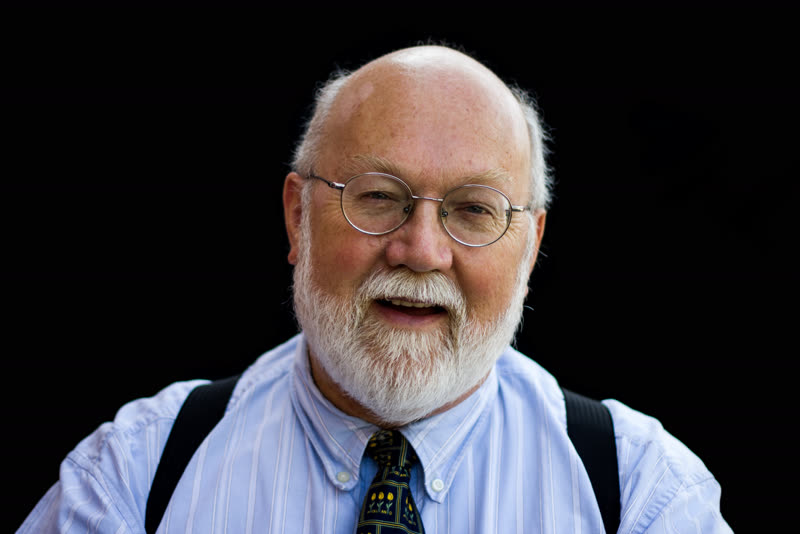 Tim Pasma Sunday AM Habakkuk May 25, 2025
Main passage Habakkuk 2:5-20
📖 Read the Scripture passage (ESV)
Habakkuk 2:5-20 (ESV)
5 “Moreover, wine is a traitor,
an arrogant man who is never at rest.
His greed is as wide as Sheol;
like death he has never enough.
He gathers for himself all nations
and collects as his own all peoples.”
6 Shall not all these take up their taunt against him, with scoffing and riddles for him, and say,
“Woe to him who heaps up what is not his own—
for how long?—
and loads himself with pledges!”
7 Will not your debtors suddenly arise,
and those awake who will make you tremble?
Then you will be spoil for them.
8 Because you have plundered many nations,
all the remnant of the peoples shall plunder you,
for the blood of man and violence to the earth,
to cities and all who dwell in them.
9 “Woe to him who gets evil gain for his house,
to set his nest on high,
to be safe from the reach of harm!
10 You have devised shame for your house
by cutting off many peoples;
you have forfeited your life.
11 For the stone will cry out from the wall,
and the beam from the woodwork respond.
12 “Woe to him who builds a town with blood
and founds a city on iniquity!
13 Behold, is it not from the Lord of hosts
that peoples labor merely for fire,
and nations weary themselves for nothing?
14 For the earth will be filled
with the knowledge of the glory of the Lord
as the waters cover the sea.
15 “Woe to him who makes his neighbors drink—
you pour out your wrath and make them drunk,
in order to gaze at their nakedness!
16 You will have your fill of shame instead of glory.
Drink, yourself, and show your uncircumcision!
The cup in the Lord's right hand
will come around to you,
and utter shame will come upon your glory!
17 The violence done to Lebanon will overwhelm you,
as will the destruction of the beasts that terrified them,
for the blood of man and violence to the earth,
to cities and all who dwell in them.
18 “What profit is an idol
when its maker has shaped it,
a metal image, a teacher of lies?
For its maker trusts in his own creation
when he makes speechless idols!
19 Woe to him who says to a wooden thing, Awake;
to a silent stone, Arise!
Can this teach?
Behold, it is overlaid with gold and silver,
and there is no breath at all in it.
20 But the Lord is in his holy temple;
let all the earth keep silence before him.”
Transcript
If you would, take your Bibles this morning and turn once more to the book of Habakkuk. Let's pray. Father, open your word to us now. This is more than just a record of a conversation. This is a word that you have intended to be addressed to us in this place at this time. So give us ears to hear. give us the willingness the heart to gain understanding of your of who you are and what you're like for lord your character is on display in this book and we want to know it so help us so that we can worship you right we can serve you well as we understand who you are so open our open our hearts to the truth of this scripture we pray in jesus name amen here in the bible we find the prophet Habakkuk in a conversation with God that torments his soul witnessing the horrific conflict violence and injustice in his land he's cried out to God to intervene and heaven remained silent how long oh God how long will you remain silent and allow such perversion to continue Habakkuk cries out and finally God answers he says Habakkuk the wickedness will end because I will intervene with judgment I will send the Babylonians that brutal unstoppable people to see justice done and Habakkuk now in absolute anguish cries out no God no your eyes are too pure to look on evil you cannot do any wrong You can't tolerate wrong.
No, this cannot be. For the people that you're unleashing on your people are even more wicked than they are. Your ways contradict your character. And so he mounts the stairs and goes to the watchtower to wait for God's reply. And soon he hears Habakkuk, the answer is coming. And when it arrives, put it on the billboard so everyone can see it. well the answer arrives and here's what it is chapter 2 verses 5 through 20 moreover wine is a traitor an arrogant man who is never at rest his greed is as wide as shield like death he is never enough he gathers for himself all nations and collects as his own all peoples shall not all these take up their taunt against him with scoffing and riddles for him and say woe to him who heaps up what is not his own for how long and loads himself with pledges will not your debtors suddenly arise and those awake who will make you tremble then you will be spoiled for them because you have plundered many nations all the remnant of the people shall plunder you for the blood of man and violence to the earth to cities and all who dwell in them woe to him who gets evil gain for his house to set his nest on high to be safe from the reach of harm you've devised shame for your house by cutting off many peoples you have forfeited your life for the stone will cry out from the wall and the beam from the woodwork respond woe to him who builds a town with blood and founds a city on iniquity behold is it not from the lord of hosts that people's labor merely for fire and nations weary themselves for nothing for the earth will be filled with the knowledge of the glory of the lord as the waters cover the sea woe to him who makes his neighbors drink you pour out your wrath and make them drunk in order to gaze at their nakedness.
You will have your fill of shame instead of glory. Drink yourself and show your uncircumcision. The cup in the Lord's right hand will come around to you and utter shame will come upon your glory. The violence done to Lebanon will overwhelm you as will the destruction of the beast that terrified them for the blood of man and violence to the earth to cities and all who dwell in them what prophet is an idol when its maker has shaped it a metal image a teacher of lies for its maker trusts in his own creation when he makes speechless idols woe to him who says to a wooden thing awake to a silent stone arise can this teach behold is overlaid with gold and silver and there is no breath at all in it but the lord is in his holy temple let all the earth keep silence before him.
So he says, here's the message that goes on the billboard in letters so large, no one could possibly miss their meaning. W-O-E, woe, which is a curse. A curse rests on him who conquers, brutalizes, and oppresses. A curse rests on him for God is holy and just. So what is God teaching us through Habakkuk? The first thing is this, understand that God sees his instruments with holy eyes.
Verse 5, moreover wine is a traitor, an arrogant man who is never at rest. His greed is as wide as Sheol. Like death he is never enough. He gathers for himself all nations and collects as his own all peoples. Habakkuk said to God, you remember, your eyes are too pure to look on evil. You cannot tolerate wrong.
God, you're holy, so you cannot use such wicked instruments. Can't you see? Don't you see what these people are like? Can't you see it? But God has not been fooled. he is not so angry at his people that he can't see straight he is neither blinded by rage nor deceived by fraud he sees what it is with holy eyes he sees exactly what these bloodthirsty people are like He says the Babylonians are like a drunk Have you ever seen a drunken person?
Oftentimes they're deceived and they've lost all sense of who they are, blinded to their true condition. He sees himself as strong and invincible. and the intoxication of power with the Babylonians will betray them. They open wide the door to their own destruction. God says, I see the Babylonians and they're like a drunk. They're arrogant. They're intoxicated with power and dominion.
Success has swollen and befuddled their minds. And like a drunk, they're never at rest. They're drunk with ambition. They can't restrain themselves. They're so unsettled and discontented, they go abroad fighting and conquering. And guess what?
They're as greedy as the grave. Now, what does he mean by that? Have you ever noticed the grave's insatiable appetite? Millions of people die every day. And it doesn't stop, does it? It doesn't stop.
The grave never says, enough, I've got enough now. It just keeps devouring people. And so he says, these conquerors can never get enough of the spoils of conquest. They can't get enough. They always want more. As God looks at the instruments of his discipline, his gaze remains holy.
He's not jaded. He's not abandoned his character. He sees them for what they are. He's saying to Habakkuk, I see what they're like. My holy eyes understand. My holy eyes say, these are wicked.
They're like drunken. They're insatiable. They will not stop. I get it. I see it. I know it.
Now, God's view such oppressors as they are, the question remains then. You see them for what they are. How can you use them? And here's what Habakkuk learns, or here's what he needs to understand, and this is what we need to understand. We need to understand that God exercises righteous judgment on his instruments. God still exercises righteous judgment even on the instruments that he uses.
He uses such instruments and then he judges them for their wickedness. What judgment? you ask the reciprocal judgment of God working by providential means look at verse 6 shall not all these take up the taunt against him with scoffing and riddles for him and say these things say all the things that follows if you bring destruction you see God is a ruler and the universe doesn't operate independent of his character if you bring destruction destruction will visit you if you oppress you will be the object of oppression if you exploit someday you will be ransacked in these verses god says a nation reaps what it sows now notice the nations have been conquered will someday heap scorn and ridicule on their conquerors which is what the first part of verse 6 says shall not these take up their taunt against him with scoffing and riddles for him and say, whoa. The Babylonians are an object lesson of all those who overstep God's bounds.
And by the way, this is not just about an empire that existed long ago. It means today. It means today. This describes God's judgment on any who would perpetrate such things against people. That includes governments. That includes businesses.
That includes individuals. Some of you are sitting here saying, my employer just uses people up. I always find it interesting that companies now have a department called human resources. Isn't that fascinating? It used to be personnel department. Now it's human resources, as if human beings are resources we can use and discard at will. it's just interesting to me and some of you here may be thinking my company just uses us up listen they're not going to get away with it forever they're not you need to understand that god's justice works in the universe it works those who exploit will someday be exploited whether it's governments businesses individuals God's justice remains the same even those instruments that he uses to judge wickedness who are wicked themselves God will judge them and that's what this whole passage is about note God judges the plunderers verse six by the way the word woe you know when you hear Jesus say woe to you scribes and pharisees it's not like oh my It's terrible, isn't it?
No. Woe is a curse. It's landing a curse on someone. It's cursing them. It's a very, very strong word in the Bible. So when you see that word woe, understand, boy, this is serious business.
This is the pronunciation of a curse. And so what we see here are these curses laid upon this instrument that God's going to use. Curses laid upon the Babylonians. so what does he say look at verse six through nine woe to him who heaps up what is not his own for how long and loads himself with pledges will not your debtors suddenly arise and those awake who will make you tremble then you will be spoiled for them because you have plundered many nations all the remnant of the people shall plunder you for the blood of man and violence to the earth to cities and all who dwell in them God judges the plunderers.
He says you pile up goods and take taken by conquest. You take them because you're the biggest kid on the block. No one can stop you and you're going to use your strength. You shed man's blood. You massacre and destroy entire cities. How long will this go on with impunity?
And God says they're going to reap an impossible debt. He likens them, the conquerors, that are like borrowers. They borrow. They keep piling up debt, pledging to pay the debt. They go on borrowing, heaping up pledges until it becomes impossible to pay the debt. The conquered peoples will revolt and exact from the conquerors what they took. and with interest.
The spoiler becomes the spoiled. Consider this. What sprung to my mind was, and if you've read any history or looked at it, particularly World War II, have you ever seen, do you ever see the rubble of the cities like Berlin at the end of World War II? That nation stood and said, we are the superior race and we will conquer. And look what happened to them.
The nation was laid in rubble. That's what God is saying here. The plunderers will someday pay the debt. He goes on. God judges the exploiter. Verses 9 through 11.
Woe to him who gets evil gain for his house, to set his nest on high, to be safe from the reach of harm. You have devised shame for your house by cutting off many peoples, you have forfeited your life. For the stone will cry out from the wall, and the beam from the woodwork respond. Again, here's one who builds his empire by the spoils of conquered nations.
He uses those resources to set his nest on high. He plunders or exploits all these nations, and he builds a fortress that no one will be able to touch, impregnable, escaping ruin and disaster. using their murderous plunder to build a fortress outside the justice of God and beyond the hand of adversity. Glory and honor forever. Again, I'm reminded of Hitler in Germany, maybe because I've been reading and thinking along these lines for a couple of weeks.
But remember, when Hitler came to power, he said, we're going to build what? A thousand-year Reich, right? and his Reich, his rule, his nation, that particular rule lasted for 12 years, not a thousand. And so he's saying here, if you do this and think you're impregnable, think again. You will reap ruin and shame. Powerful empires and nations have enslaved and destroyed whole races of men and have impoverished entire cities and nations, all for the purpose of building a reputation of strength and glory.
Yet in destroying others, God will see that they forfeit their lives and turn their honor to disgrace. Shame and ruin are the only rewards for exploitation. It's interesting. When Babylon fell, you read it in the book of Daniel. You read in Daniel of the night that the capital city of the Babylonian Empire fell. They thought they were impregnable.
What were they doing? Do you remember what they were doing? Do you remember the story? The hand appears and writes on this big wall. Right? You've been weighed and found wanting.
Right? Do you remember that story? What's going on? The Persians are outside the city walls. And they think that their city is so impregnable, they're having a wine feast which in other words of saying they're getting drunk it's like they're not worried about it they're not worried about what the persians are going to do they're impregnable and what does god say is going to happen to them they're going to fall and that's exactly what happened what's interesting about that they thought they're impregnable and they were the walls were unbelievably thick it was it was an incredible city what you know what the persians did?
They diverted the river. And they went under the wall. Where the river? I mean, you couldn't defeat these people. They had a water source coming through the city. You couldn't lay siege and be successful unless, of course, you divert the river and go in under the walls.
It's amazing to see how God in his providence brought that city down, brought that empire down. He goes on. God judges the violent oppressor. Verses 12-14 woe to him a curse on you who builds a town with blood and founds a city on iniquity behold is it not from the Lord of hosts that people's labor merely for fire and nations weary themselves for nothing for the earth will be filled with the knowledge of the glory of the Lord as waters cover the sea judgment awaits the empire that builds its magnificent cities with the blood and sweat of conquered peoples They build their palaces and boulevards and walls by bloodshed and brutality of forced labor.
The foundations are cemented with the blood of their victims. But they're going to reap nothing. What does he say is going to happen? Because that labor produces fuel for the fire and exhaustion for the laborers. What does he say? He says they build it up.
It's like building a big bonfire. You use all this labor. You violently oppress all these people to build this city. And what happens? You're just building a big bonfire. You're building something that's going to be destroyed.
You building fuel for the fire he says It all goes up in smoke essentially This is so true that it seems to be written into the moral code of the universe. Behold, is it not from the Lord of hosts? That doesn't look like the Lord's involved. Another power comes in and wipes them out. But it's the Lord's instrument that accomplishes that. And the Lord's determined this is what's going to happen.
But while the conqueror's exertions come to nothing and their desire for an empire that lasts for a thousand years is never realized, the purposes of God will most certainly be fulfilled. You see what he says in verse 14? Fascinating. For the earth will be filled with the knowledge of the glory of the Lord as the waters cover the sea. The glory of the Lord in the face of Christ will spread all over the world.
Empires rise and fall. Think of this. Empires rise and fall, but Christ's kingdom continues to conquer. And it has since the days of Jesus. Empires have come and gone, but the empire of Jesus continues to spread and to grow. Habakkuk didn't realize how this would happen, but we know now that the gospel advances without bloodshed, without the unwilling labor of its subjects, without exploitation.
It advances. It advances. In fact, Habakkuk says this begins with the fall of Babylon. Think of this. Babylon. What happened after the exile to Babylon?
Do you know what happened? You know what happened? Before Babylon, what was the big problem that God's people faced? It was idolatry. All the way up to where Babylon enters the picture, you see God's people all the time struggling with idolatry. They're going to serve Yahuwah and Baal, right?
You keep over and over. But you know what happens after the Babylonian exile? Israelites, Jewish people, have never again struggled with idolatry. Well, at least outward idolatry. All right? That's been the case.
That sets the stage. The exile taught the people of God to abandon their idolatry. The Persian Empire. What happened with the Persian Empire? It returned the people of God back to Israel, back to their land. You remember Cyrus started the process and sent people back.
And there were three waves that went back under the Persians, went back to where God had planted his people. And then next came the Greek or the Macedonian Empire under Alexander the Great, conquered most of the known world. Right. From India. As far as I forget how far west it goes. but guess what happened you know what that did that brought a universal language to the far reaches of the earth the whole what then became the roman empire had one language it was greek which is what our new testament is written in right and then rome gave the cohesion and the peace that brought the gospel over the entire known world it's interesting to see god's providence of spreading his kingdom.
By the way, it's not done. The Lord Jesus will return and finish the job. When whole earth will be filled with the glory or the knowledge of God, like the sea covers the world. So you see, God in his providence is working all of these things. He goes on, verses 15 through 17, God judges the demoralizer. Notice what he says, woe to him who makes his neighbors drink. you pour out your wrath and make them drunk in order to gaze at their nakedness you will have your fill of shame instead of glory drink yourself and show your uncircumcision that's pretty graphic language the cup in the lord's right hand will come around to you and utter shame will come upon your glory the violent stand in lebanon will overwhelm you as will the destruction of the beast that terrified them for the blood of man and violence to the earth, the cities, and all who dwell in them.
The conqueror humiliates and degrades his victims to rob them of their dignity and their will to resist. And like a wicked neighbor, he gives the cup to others, and in their drunken stupor, he exposes their nakedness for his amusement. And rendered helpless, he exploits them at his pleasure. but he will reap degradation he will be drunk and his nakedness will be shown and he will drink the cup of wrath the cup that he's that he will drink is the cup of God's wrath Yahweh had once given that cup to his own people in Isaiah 51 you read this see I have taken from your hand that is Judah the cup of staggering you shall drink no more from the bowl of my wrath and I will put it into the hand of your tormentors.
For the time being, they pursue self-glorification through the humiliation of their neighbors. But because of their shameful behavior, they too will be humiliated and they will suffer the wrath of God. They will reap disgrace. By the way, it also includes the ruthless exploitation or the ruthless exploitation of nature for ends. Do you notice he talks about you've destroyed the trees of Lebanon, the cedars and the animals for their efforts of conquering other nations.
Their overwhelming violence against nature and man will bring God's retribution. You see? Lastly, God judges the idolater. Right? Verses 18 and 19. What prophet?
An idol, when its maker has shaped it, a metal image, a teacher of lies? For its maker trusts in his own creation, when he makes speechless idols. Woe to him who says to a wooden thing, awake, to a silent stone, arise. Can this teach? Behold, it is overlaid with gold and silver, and there is no breath at all in it. At the root of all this evil is the idolatry of these empires.
How foolish to bow down to the creation of your hands. He's saying it looks impressive on the outside, right? Gold, silver, it looks very impressive, but it's speechless. It's lifeless. And the fool who worships an idol is the exact opposite of one who walks by faith. He's going to reap confusion.
It teaches lies because it draws the mind away from the true God and truth. the external appearance deludes people into believing it has impressive power but it leads to confusion and all the disgrace and the dishonor that god brings on idolaters so here it is god how can god use the babylonians because his holiness and justice won't allow them to continue in their wicked ways that's why his holiness and justice has not been suspended. He will judge them. But the last thing he tells us is this, understand the necessity of a quiet faith.
He concludes it in verse 20, but the Lord is in his holy temple. Let all the earth keep silence before him. What must Habakkuk and everyone else see? They must see that Yahweh, Jehovah, the Lord is in the temple of the universe, and they must see that the instrument he has chosen to use, a wicked instrument indeed, does not escape the holy analysis of God nor his judgment.
Habakkuk had asked God, how can you use such an instrument on your people? And God replies, because I'm going to judge them for their wickedness as well. When you see the currents of history running along with empire rising and empire falling, you must realize it's the judgment of God written in large letters for everyone to see. So how do you respond?
Silence Silence You don interrogate You don question There no uncertainty about the goodness and holiness and the power of God You don't have to whine and ask, why does God allow this or why does God do that? There's a little proverb used of the powerful. Every dog has his day, right? every dog has his day it's the same as god judges the powerful and the nations of the world now look habakkuk asks a good question we know we notice this remember he's asking this is confusing god i don't get it please help god does and now god says you know what don't have an arrogant spirit Ask the questions, but don't have an arrogant spirit of shaking your fist at God and whining about, God, this is not right.
God, this is unjust. He's saying, don't do that. Be silent when it comes to that. Quiet. God is in the temple of the universe. And by the way, we don't have to be arrogant.
Can we be confused at times? Sure. We've talked about that. We've seen how that happens. And God gives an answer. But listen, how is it that we can rest with confidence in God?
Because the same thing has happened to his son. Look with me just for a moment in the book of Acts. First of all, Acts chapter 2. Listen. Let's hear it carefully now. Jesus is the guarantee that God never overlooks any unrighteousness.
That even when it looks like what's happening is contrary to his character, we can still have a quiet, confident faith in God. Acts chapter 2. This is the middle of the very first sermon in the Christian era, after the Holy Spirit has descended. the Apostle Peter is talking to the people who crucified Jesus. And in verse 22, he says this, Men of Israel, hear these words.
Jesus of Nazareth, the man attested to you by God with mighty works and wonders and signs that God did through him in your midst. As you yourselves know this Jesus delivered up according to the definite plan and foreknowledge of God you crucified and killed by the hands of lawless men Was Jesus' crucifixion an accident? Did God look down and say, oh my, those wicked men are going to do this to Jesus.
What can I do with that? No. It was planned before the foundation of the world. this was God's plan, that this wickedness would be against his son. But what does he call the men who did it? What does he say then? What does he call them?
Verse 23, he calls them lawless men. Lawless men, they're wicked men. You say, wait a minute, wait a minute. They accomplished your plan. Yep. And they're still wicked?
Yep. Just like God used the Babylonians. Same thing happened with the son. Look over at chapter 4. In this prayer, the church is facing persecution. They come to God in prayer.
They're asking for his help. And they say in chapter 4, beginning in verse 24, Sovereign Lord, here's how they pray. Sovereign Lord, who made the heaven and the earth and the sea and everything in them, who through the mouth of our father David, your servant, said by the Holy Spirit, Why did the Gentiles rage and the peoples plot in vain? The kings of earth set themselves and the rulers were gathered together against the Lord and against his anointed.
For truly in this city they were gathered together against your holy servant Jesus, whom you anointed, both Herod and Pontius Pilate, along with the Gentiles and the peoples of Israel, to do whatever your hand and your plan had predestined to take place. What does he say here? He says, look, people conspired against Jesus. The people did, and these Gentiles conspired against God's anointed one, like Psalm 2 said.
They conspired against him. They're wicked. But what? They accomplished God's plan. So you see, God doesn't turn a blind eye. He doesn't turn a blind eye.
Will he use wicked instruments to accomplish his purposes? Yes, he did it with his son. And so you can have quiet, confident faith in God when it doesn't seem to make sense. Because it certainly didn make sense with his son You going to save a people through wickedness Through injustice Yeah. Does he let those instruments off free? No.
He still calls them what they are. You see? So we need to understand the necessity of a quiet faith. This is where it's leading us. We can have a quiet confidence in God. because he always remains holy and just. Now consider what God has said to Habakkuk and to you.
He has not abandoned his justice, but his righteous justice works in history and with the nations. Can God use wicked instruments to accomplish his holy, good, and righteous purposes? Look to Jesus. you'll find the answer there look to Calvary and see the most wicked of events accomplishing the salvation of God's people but the blood of Jesus does not cry out for vengeance does it? cries out for mercy to all who would entrust themselves to him his blood works not disgrace but glory but the Lord is in his holy temple that all the earth be silent before him.
Father, again we're thankful for your word that shows us your very character. You answer our questions in your word. Give us ears to hear it, I pray. Father, you have shown us in your son that even wicked purposes fulfill your purposes. we could never accomplish that, but you can. You can accomplish mercy and still be true to your character. We thank you, Father.
Help us to leave with a quiet, confident faith that can rest in you because of who you are. And when the difficulties come, and when we don't have the answers, help us to be confident in you because you will always remain true to your character thank you thank you for your word today in Jesus name Amen