Here Comes Deliverance!
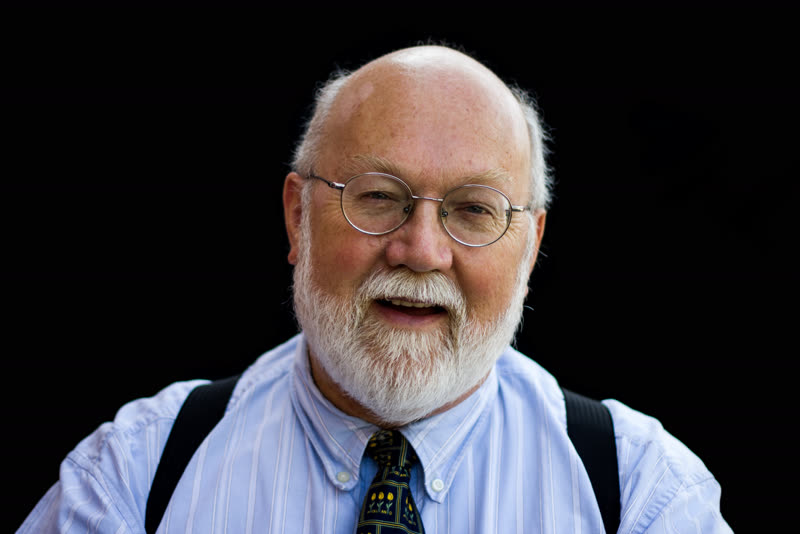 Tim Pasma Sunday AM Habakkuk June 1, 2025
Main passage Habakkuk 3:1-15
📖 Read the Scripture passage (ESV)
Habakkuk 3:1-15 (ESV)
1 A prayer of Habakkuk the prophet, according to Shigionoth.
2 O Lord, I have heard the report of you,
and your work, O Lord, do I fear.
In the midst of the years revive it;
in the midst of the years make it known;
in wrath remember mercy.
3 God came from Teman,
and the Holy One from Mount Paran. Selah
His splendor covered the heavens,
and the earth was full of his praise.
4 His brightness was like the light;
rays flashed from his hand;
and there he veiled his power.
5 Before him went pestilence,
and plague followed at his heels.
6 He stood and measured the earth;
he looked and shook the nations;
then the eternal mountains were scattered;
the everlasting hills sank low.
His were the everlasting ways.
7 I saw the tents of Cushan in affliction;
the curtains of the land of Midian did tremble.
8 Was your wrath against the rivers, O Lord?
Was your anger against the rivers,
or your indignation against the sea,
when you rode on your horses,
on your chariot of salvation?
9 You stripped the sheath from your bow,
calling for many arrows. Selah
You split the earth with rivers.
10 The mountains saw you and writhed;
the raging waters swept on;
the deep gave forth its voice;
it lifted its hands on high.
11 The sun and moon stood still in their place
at the light of your arrows as they sped,
at the flash of your glittering spear.
12 You marched through the earth in fury;
you threshed the nations in anger.
13 You went out for the salvation of your people,
for the salvation of your anointed.
You crushed the head of the house of the wicked,
laying him bare from thigh to neck. Selah
14
You pierced with his own arrows the heads of his warriors,
who came like a whirlwind to scatter me,
rejoicing as if to devour the poor in secret.
15
You trampled the sea with your horses,
the surging of mighty waters.
Transcript
Let's pray. Dear Heavenly Father, we come to you knowing that we have sinned in countless ways, and these sins weigh on us, Lord, and they are impossible to hide from you, a holy God, and impossible for us to reconcile on our own account. So we confess that we have fallen short of your glory, not just in what we've done, but in who we are apart from your grace. we thank you that we can come to you a father who doesn't turn us away and in your mercy you've given us Christ who carried our guilt and bore our judgment and made a way for us to be reconciled to you so we ask Lord for his sake that you forgive us for our sins not just the ones that we can even recall but Lord those that those sins that we're blind to I pray Lord that you and your grace would also free us from the grip of those past sins that we would look to Christ for the atonement we have in him and Lord I ask that by your spirit you'd help us to grow in holiness to desire what is good and help us to grow more and more into the likeness of your son Christ.
We pray this, Lord, not trusting in ourselves, but in the finished work of the cross and in Christ our Savior. And we ask these things in his name. Amen. Take your Bibles this morning. Let's turn again to the book of Habakkuk. as we've spent the last few weeks in this book, finishing this Sunday and the next, be looking at Habakkuk chapter 3 today. Before we look into the Word, let's pray and ask God to help us.
Father, we have opened your word now to hear you speak to us through this prophet from long ago. Our prayer is that we would see this for what it is, a message intended not merely for the people of that bygone era, but for us as well. for you have included it in your word that we might understand it in the day in which we live and understand your message to us through it. So help us now, I pray, to listen carefully to your voice as you speak through this text.
Thank you, Father, for revealing yourself to us in your word. Help us to receive that revelation this morning in faith that we might serve you well and love you. We thank you in Jesus' name. Amen. You have to live by faith. We've seen that, haven't we?
As Christians, we're called to live by faith. And in this book, we see a man of faith and how he lives in the day in which God placed him. We live in this world by faith, meaning we live in this world taking God at his word, even though everything seems to go in the opposite direction of his word. Yet we still believe it. We believe or we live by what we know is true of God.
And in this book we see a man of faith and how he lived. And we've watched Habakkuk, this man of faith, as he struggles with the purposes of God. He had seen violence and justice and perversions in the land and he could not understand why God remained inactive. He says, God, you're AWOL. Where are you? Why do you let this continue?
And when God responded by saying that the Babylonians would arrive to bring judgment on the people, Habakkuk's faith was confused. And it said, God, that's inconsistent with your character. That can't be true. That's not like you. Surely you don't mean that. And yet Habakkuk went to God for the answer, and patiently waited for his reply.
Instead of just saying, God, you don't make sense. I'm done with you. God, you don't make sense. This doesn't make any sense to me. So therefore, I don't believe all these things about you. Instead, by faith, he went into the tower to wait and to see what God would say.
He believed that God would respond. And the reply came. And the answer he was to broadcast to the people. Listen, I do remain holy and just, for I will bring the Babylonians to the judgment that they deserve. They will reap what they sow, for I am a righteous ruler. Now with that revelation of God swimming in his head, how will Habakkuk now respond?
What will his response be now? What will he say in response to what God has said? Will the perspective of this man of faith change about the whole state of affairs? Now that he has the big picture in mind, what does he see? Well, we see that in Habakkuk chapter 3, verses 1 through 15. So let's look at it together.
A prayer of Habakkuk the prophet according to the Shiginoth. O Lord, I have heard the report of you, and your work, O Lord, do I fear. in the midst of the years revive it in the midst of the years make it known in wrath remember mercy God came from Timon and the holy one from Mount Paran his splendor covered the heavens and the Holy One from Mount Paran His splendor covered the heavens and the earth was full of His praise His brightness was like the light Rays flashed from His hand, and there He veiled His power. Before Him went pestilence, and plague followed at His heels.
He stood and measured the earth. He looked and shook the nations. Then the eternal mountains were scattered. The everlasting hills sank low. his were the everlasting ways i saw the tents of kushan in affliction the curtains of the land of midian did tremble was your wrath against the rivers oh lord was your anger against the rivers or your indignation against the sea when you rode on your horses on your chariot of salvation you stripped the sheath from your bow calling for many arrows you split the earth with rivers The mountains saw you and writhed.
The raging water swept on. The deep gave forth its voice. It lifted its hands on high. The sun and moon stood still in their place at the sight of your arrows as they sped at the flash of your glittering spear. You marched through the earth in fury. You threshed the nations in anger.
You went out for the salvation of your people, for the salvation of your anointed you crushed the head of the house of the wicked laying him bare from thigh to neck you pierced with his own arrows the heads of his warriors who came like a whirlwind to scatter me rejoicing as if to devour the poor in secret you trampled the sea with your horses the surging of mighty waters. Notice that Habakkuk responds with prayer in verses 1 through 2. As we've seen, God has answered him.
He responds now in verses 1 through 2, and then God again answers him in verses 3 through 15 with a vision. 3 through 15 is a vision that God gives him, revealing what kind of God he is. And in the prayer and its answer, you see the different perspective we as people of faith must have. What are the perspectives that he gives us here? People of faith, what are our perspectives?
Here's the first. Get the right view of what's necessary. Verses 1 and 2. Get the right view of what's necessary. Habakkuk prays, Lord, make your fame known. Make your glory evident in all of this.
His aspirations have moved on. Notice, here's the progression. Do something about this wickedness. He's gone beyond. That's not fair. There are more wicked than we are.
Above the flux of history and above the changing scenes of time, the world needs to see God's glory. That's what he says is necessary. God, reveal your glory as you did in days past. Reveal your glory in all of this. God had revealed himself in the deeds of the past. He's referring to those deeds by which he had made himself known.
The plagues on Egypt, the exodus, splitting the Red Sea, drowning an entire army, providing food and water in miraculous ways, giving them the ability to conquer the land of Canaan. He says, Yahuwah, do it again. Show these people in the world the power of your name and the greatness of your reputation by your deeds. Do that. Lord, I read of your marvelous deliverance in the scriptures, and they make me stand in awe of your name.
Do it again. That's what he's praying. It causes me to ask the question, what chiefly worries Christians today? What chiefly concerns you? Is it events in the world around us, or is it the glory and reputation of our God? You know what?
Sadly, Christians today are identified as those who are primarily concerned with the horrors, if you will, of the past administration or the present successes of the present administration. The economic woes in which we find ourselves, the security of our land. That's what Christians are worried about today. And there's a place for it. But frankly, are you concerned about the glory of God being seen?
We need to be characterized as a humble people who desire the revelation of God's glory. And that revelation starts with us. In our work. In our families. This isn't even in my notes. I'm going to take a detour here.
Because I think I need to explain something. you all hear me say we ought to live for the glory of God and we ought to be concerned about the glory of God and that's true but that's what does that mean often times just a few weeks ago lecturing on counseling try to make the point so here's part of the lecture on counseling what's the goal of counseling what is the goal of counseling the goal of counseling is simply this that your situation may not change as I help you in your difficulties your situation may not change can't do anything about that the question is not whether your situation is going to change the question is whether you will glorify God in that situation what can we do now to help you glorify God in the difficulties of your marriage of your work wherever the difficulties lie that's got to be our goal but what does that mean? We all use the terminology, right? Going to glorify God.
What does it mean? Let me give you an idea. In Matthew 5, 16, what do we read? Let your light so shine before men so that they see your good deeds and glorify your Father in heaven What does it mean to glorify God Here what it means You going to live in such a way that people will see what you doing but they won talk about you They will talk about your God.
You get it? You want to live in such a way that people will look at your life and they will say, God must exist. Look at her. You understand? that's what it means to glorify God and Habakkuk is saying God reveal your glory that everyone can look at you and see your greatness and praise you and that's what we as Christians must be concerned with we must be like Habakkuk we must be able to say I'm going to live in such a way that people will look at me and they will praise God they won't talk about me they will talk about God and we ought to be humbly asking God to reveal his glory in us individually, in us as a congregation, but that in some ways he would show his magnificent glory and he will do that.
He will do that on a magnificent scale, but right now that has to be our concern. In the face of national ruin and the judgment of the Babylonians, Habakkuk had only one concern that the nations would see the glory of God but notice his final appeal in verse 2 he says show the glory of your mercy he doesn't turn to God and say oh Lord I do see that this punishment is necessary I see that you are righteous and that you must see justice has done but we've tried to be good we've tried to be good and and and we've had worse periods in our history than what we're going through now he doesn't ask God to remember any of their merits that's not what he does what does he do he sees God's wrath he sees his perfect righteousness and justice this must fall upon the nation for God to be a just judge and the only thing he can do is remind God of his own nature, his mercy. As you bring judgment on us, please remember mercy.
We have nothing to say but to ask that you should act like yourself in the midst of wrath, have pity on us. He doesn't offer any merits, doesn't say, we've been good, so be merciful. He just says, God, you're merciful. Glorify your name by having mercy on us. So the one who lives by faith will ultimately have a concern for the glory of God above all else.
Now the scene shifts, as I've said, in verse 3. In verse 3, God gives a vision of himself, a revelation of himself to Habakkuk. And here we see that you need to get the right view of God's glory. You need to get the right view of what's necessary, the glory of God. You need to get the right view of God's glory. Verses 3 through 12.
Let's look at those very quickly again. And I will refer to these all the way through. You'll have to look, okay? We don't want to keep reading this more than three times. God came from Taman and the Holy One from Mount Paran. His splendor covered the heavens and the earth was full of His praise.
His brightness was like the light. rays flashed from his hand and there he veiled his power before him when pestilence and plague followed at his heels he stood and measured the earth he looked and shook the nations then the eternal mountains were scattered the everlasting hills sank low his were the everlasting ways i saw the tents of kushan and affliction this this curtains of the land of midian did tremble was your wrath against the rivers oh lord was your anger against the rivers or your indignation against the sea when you rode on your horses on your chariot of salvation you stripped the sheath from your bow calling for many arrows you split the earth with rivers the mountains saw you and ride the raging water swept on the deep gave forth to its voice it lifted its hands on high The sun and moon stood still in their place at the light of your arrows as they sped, at the flash of your glittering spear. You marched through the earth in fury. You threshed the nations in anger.
Get a right view now of God's glory. God answers Habakkuk's prayer in the form of this vision. And here he gives Habakkuk a spectacular vision of God striding across the earth. The vision looks to the past and it looks to the future. It looks to the past by using images that they would have known from God's great deliverance of his people at Sinai and in the Exodus.
But it also looks to the future because those images give hope for future deliverance of God's people. First of all, verses 3 through 7, if you look at them, God appears as a mighty warrior. Do you ever think of God that way? You know what? What I want you to walk away from this text is this. Too many people have the view that God is this grandfatherly old guy who sits in his rocking chair in heaven looking over and saying, Oh my, I wish they did better.
Oh, those people. Oh, I love them so much. I wish they'd do better. And you know what? I'm not going to hold anything against you. You're human.
You all make mistakes. That's the view of God that many have. This view is not like that. This is also God's character. He depicts God in verse 3. He appears in verses 3-7 as a mighty warrior striding across the earth.
In verse 3 he recalls what God was like when he appeared at Sinai You remember that He going to appear that way again to redeem his people The glory of his being appeared at Sinai. The splendor of his attributes causing the spontaneous praise. The verse looks at the thunder and the lightning, the fire, the earthquakes, the trumpets, all these incredible...
The smoke, all these things happening when God descended on that mountain. All those things happen. And as God revealed himself. Then, you see in verse 4, he arises from the earth like the dawning of the sun. The rays are the brightness of his glory. The light is so bright, it hides his power.
It's like this. If you stare at the sun, you won't be able to see the sun very long. It is so bright, you can't see it. It's like the glory of this personage, of this God, hides his power. His power is there, but it acts like a garment that covers his power and glory. In verses 5 through 7, he marches forward with powerful judgment.
He marches forward in judgment with an army of death in front of him and behind him. You see, he's got plagues following and pestilence ahead of him. It's like, again, the Exodus. what happened? How were the people delivered? Beck and I are reading through the book of Exodus right now. We're just to the part where these plagues are going to descend on Egypt.
These incredible, powerful things that just turned that nation upside down. He's referring to that. The plagues and the pestilence that happened in delivering his people. And then he stages himself to look at the nations, he says in these verses. He shakes the earth. He scrutinizes the nations with a frown on his face and anger in his eye, making the nations tremble.
The oldest and firmest part of creation, the mountains, dissolve into dust before the Lord's rebuke. They break into pieces as if crushed by a hammer. Only the Lord, he says, even these everlasting mountains. But then he says, but Lord, you're the one that's eternal. He's immutable. He's the only unchangeable one.
And he's the only thing that will never happen to. Just as he appeared at Mount Sinai and in the wilderness, so he comes again to rescue his oppressed people. He talks about Kushan and Midian, the early oppressors of Israel are in distress and anguish at the thought of God's wrath being repeated. So God assures you that just as he powerfully worked by his mighty deeds in the past, He'll certainly do it in the future.
Verses 8 through 12. God appears with such great power that wrath and judgment seem to be his only purpose. Habakkuk asked three rhetorical questions. Were you angry at the rivers? Right? He asked that twice.
Was your indignation at the sea? No. It's not that he's mad at creation. He's rescuing his people. He's like a victorious general with his army, delivering his people. Habakkuk now sees this warrior as if riding through the heavens, right?
He's riding through the heavens with his chariot, taking out his bow and firing his arrows. What an image of God. He's riding through the heavens, shooting arrows, this warrior. The mountains writhe as in an earthquake before the divine warrior. torrents of water split the earth in fear in fear the sun and moon stand still god striding through the earth in his anger threshing the nations now listen in those days you know now we see combines get the threshing all done in one fell swoop you just take in the corn or the wheat and uh the um the wheat appears and the chaffs has blown out to the end of the combine.
In the old days, in the days when Habakkuk wrote this, they had these instruments where they'd lay out the wheat and they'd just beat it. You can see this in some near eastern countries. They'd just beat the wheat with this thing. And it threshes out the wheat from the chaff and then they would throw the wheat up and the chaff would blow away. That's what it was.
But he's got a vision here of God coming along and just threshing. threshing I should say threshing the nations right? this is the God that will come and thresh the nations so whenever God appears to do a great work creation responds mountains dissolve rivers erupt torrents flow creation will always respond it happened at the first deliverance at the exodus at Mount Sinai it will happen again when Jesus returns Creation will respond. Now we need to get the right view of God's purpose. Verses 13-15 You went out for the salvation of your people, for the salvation of your anointed.
You crushed the head of the house of the wicked, laying him bare from thigh to neck. you pierced with his own arrows the heads of his warriors who came like a whirlwind to scatter me rejoicing as if to devour the poor in secret you trampled the sea with your horses the surging of mighty waves when God strides out in wrath he comes to deliver his people here is the purpose of God. And this is what we have to remember. He has built this image of an angry God bringing judgment on people.
Why? To deliver his people. The judgment of God always results in the or the deliverance of his people. Let me say that again. The judgment of God, when he pours out his wrath, when he pours out his judgment, it always serves the purpose and accomplishes the purpose of the salvation of the people of God, of deliverance of the people of God. That's what's necessary to see.
He delivers them by rescuing, notice, his anointed one and destroying the enemy now the anointed one who is that the anointed one in the old testament is always the davidic king it's the one who's to rule god's people from the house of david the one that who would fulfill all the promises made to david's dynasty the enemy will be completely defeated, pierced or crushed by his own weapons and his forces scattered. Again, God will accomplish this like he has in the past. Here again is a reference to the Red Sea.
The God's chariot goes and the dust flies out. He's drawing a picture of God driving across the Red Sea and the waves just go like that. See, God's incredibly powerful. And he draws this image of him driving a chariot and the dust flies as if the Red Sea parts. God miraculously delivered his people when he judged the Egyptians and he will deliver again.
Can you see the God of this vision? God's wrath will be poured out, which results in the deliverance of his people, which should increase your faith. How are you living today? Do you live in total fear of the enemies of God overcoming you? Do you live in total fear of the events that are happening around us? Do you live in fear of what our economy might do?
Are you living in fear about what might happen if this president fails or if another one succeeds? Do you live in fear of all those things? Here's what God says. I am a righteous judge. I will come, I will judge, and I will deliver my people. You can believe that and you can live in light of that.
Do you? You must. You certainly must. Now, here's the question. How does God accomplish this purpose of judgment and deliverance? And here where you need to get the right view of God purpose fulfilled Habakkuk looked to the past and said Lord I see your mighty deeds in the past and I beg you to show your glory today Renew them in our day And God answered with a vision that echoed the exodus, a vision that depicted God delivering his people with power.
But nothing like this seemed to happen when the Babylonians fell. Remember, God is saying, I'm going to do these things. I'm going to crush the Babylonians after they served my purpose. And he gives them this vision that says God's going to arrive in all this power and deliver his people but within 70 years a little more than 70 years the Babylonians are done and none of this seems to come true none of this seems to happen Habakkuk if he was alive at the end of the Babylonian captivity might might have asked God as you might but God I don't see any of this happening I don't see the anointed one being exalted I don't see any of these things happening the empire fell to the persians about 70 years later you can read about that in daniel chapter in daniel but god didn't seem to deliver his people in the way depicted in this vision there was no upheaval there was no anything as dramatic as this the persian emperor cyrus said hey you can go back to your land and so they went nothing great there they had to get permission from the Persian emperor to go back.
As to taking care of the exalting the anointed one, there was no Davidic king that ascended the throne. What's going on here? At the exodus in Mount Sinai, you see nature responding when God entered to accomplish the purpose of delivering and forming a people. You see the plagues. You see the mighty waves rolled back by the power of God. You see thunder and lightning and darkness and earthquakes. and none of that happened.
Is this all a joke? How is this fulfilled? Let me tell you this. The deliverance that Habakkuk envisioned, the fulfillment of that, began with the first coming of Jesus. He inaugurated the fulfillment of that promise. if you look back at the if you look back at what happened at Calvary when Jesus died when God began the work of delivering and forming his people did you see nature respond what happened when God poured his wrath out on his son what happened There are all kinds of natural phenomena You remember Go back and read it There was darkness earthquakes there were thunder and lightning.
And did God save his anointed? Jesus claimed to be that one. Did he save him? What would you say to that? Certainly did. He raised him from the dead and he ascended to rule from heaven.
Yes, he did. He did just that. And the enemy behind all the earthly enemies, Satan and all his demonic forces were defeated at the cross. They were scattered, made powerless by the triumph of the cross and the deliverance that Habakkuk envisioned will be consummated when Jesus returns it began when he arrived the first time it will be consummated when he comes the second time what happens when God in Christ finally delivers his people you've got a vision of that a little bit of that from our reading in Revelation the sickle goes out there's going to be incredible horrible things happen all the things of the natural realm will be dissolved when Jesus comes in glory God has been faithful and he will remain faithful in accomplishing his purposes how then must people of faith live in these days how can you live by faith in days like we live in well, you need to get the right view of what's necessary.
What is necessary? Above all else, the glory of God. Above all else, the glory of God. That's got to be preeminent in our thinking. You will grow in faith if you realize that's the most necessary thing. You will grow in faith when you get the right view of the glory of God.
He will come in judgment. He will come to vindicate His people. and you will get the right, you will grow in faith as you get the right view of the purpose of God which is to deliver his people. When we know what's necessary and we see God in his glory and understand that his purpose is to deliver us, in the end, our faith will grow. Now let me just say this.
This vision of God is absolutely horrifying. And some of you here may have heard this for the first time. Let me say something to you. This is God Do not mistake this Do not think that I hope you I hope none of you walk away thinking and hope none of you think that we're a bunch of crazy people who are just hammering people with the wrath of God. No. No.
Always remember this that God promises deliverance from that very wrath when you entrust yourself to the one upon whom God poured that wrath. You see, God sent his son to absorb the wrath that is our due. And when you trust in Jesus, that wrath is no longer yours. This God who is depicted in this text now will come not to make you the subject of this judgment.
He will come to rescue you from all of it. Because the one who is trusted in Jesus is delivered from the wrath of God. I always keep that in mind because this is truly God that we've read here. But God in Jesus also is the God of mercy. Who answers Habakkuk prayer, remember your mercy. And he will.
As long as you are in Christ and have trusted him. I pray that God will help us then to become people of faith. Father, thank you for this depiction of who you are. Lord, we live in a culture that does not understand what God is like or who he is. And so we thank you that you've revealed to us a part of your character that is so neglected. Help us to remember that you are a righteous judge, that you will judge, and that judgment will be horrific. but also Lord help us to remember your mercy fully displayed in Jesus upon whom you poured your wrath so that all those who trust in him will not be subject to the wrath that we find here God remember your mercy help us to remember that mercy as we think of Christ as we entrust ourselves to him and father I pray as well that you would help us to be people of faith, that our faith would grow as we see the judgment of God on the horizon, a judgment that is intended to show your justice and to deliver your people.
So Father, help us then to grow, and we'll thank you in Jesus' name. Amen.