Conflict, Pain And Death
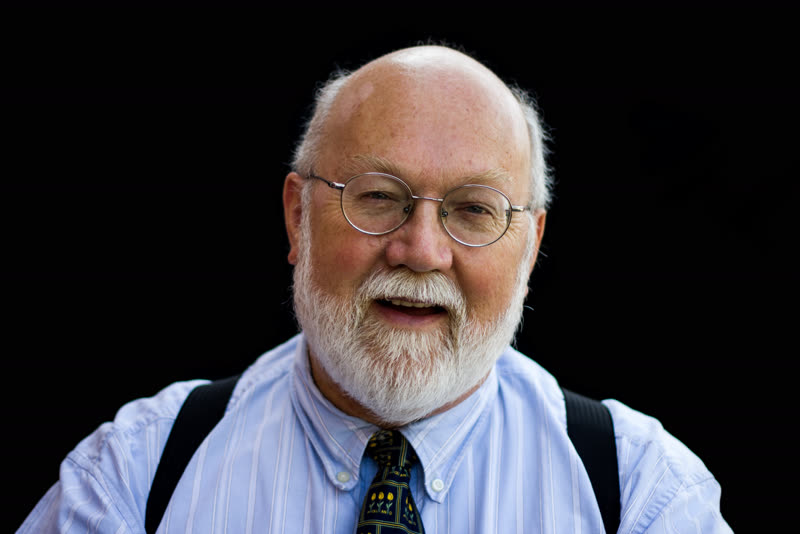 Tim Pasma Sunday AM Genesis June 8, 2014
📖 Read the Scripture passage (ESV)
You sat at the kitchen table yesterday morning looking at your grandchildren and wondering, "What is life going to be like for them?" In one sense you already know. It will be a life of conflict, pain and death. There is no escaping that reality, not even for them. Why is that? "It is what it is," some would say. "Life on this planet has always been survival of the fittest; tooth and claw; conflict, pain, and death." Really? The Bible offers another, clearer explanation. But it also offers hope in the midst of universal suffering. Come and hear the real reason for suffering and the real hope that God offers.
Transcript
Let's join together in prayer, shall we? Lord our God, we come now to your word, which speaks truth to us. A word which interprets reality for us. A word which gives us a view of the world that no one else has, but which gives us clear explanations of the way things are. Also tells us, Lord, the hope that we have in Jesus. So I pray now that you would, in your sovereign will, open our eyes and our hearts to understanding your word for your glory and our good.
We pray this in Jesus' name. Amen. Your childhood friend came home from Afghanistan yesterday in a body bag. you and your husband had a terrific fight yesterday and you're still not over it Monday's coming and you know you're going to have to get out of bed and head off to work day after day, week after week, month after month, year after year toiling in the drudgery of trying to get a paycheck The reunion last night was bittersweet.
It was good to see all your high school friends and buddies again, but it was kind of difficult since you lost your wife this last year. You sat at the kitchen table yesterday morning looking at your grandchildren and wondering what is life going to be like for them. Because you're sure of one thing, they too will face a life of conflict, pain, and death.
Now why is that? We all enjoy the beauty of the earth, the warmth of families, the love of sweethearts, the taste of good food, football on Friday nights in the fall. And yet you can't escape the reality that all of life is full of conflict, pain, and death. Well, it is what it is, we're told today. That's the way it's always been on life here on planet Earth.
Tooth and claw survival of the fittest conflict pain and death That the way it is And yet even the most die evolutionist yearns for a life when he can come home and just love his wife and leave a world of peace to his children Why can't that happen? Why is that impossible? It can never happen because our first parents lost paradise and left us a world of conflict, pain, and death.
God clearly tells us that we experience misery in this world because we live in a fallen world. And the story of that fall is found in Genesis chapter 3. So let's look, let's take our Bibles and turn to Genesis chapter 3. here is the reason why you experience the misery of conflict pain and death genesis chapter 3 beginning in verse 1 now the serpent was more crafty than any other beast of the field that the lord god had made he said to the woman did god actually say you shall not eat of any tree in the garden and the woman said to the serpent we may eat of the fruit of the trees in the garden But God said, You shall not eat of the fruit of the tree that is in the midst of the garden, neither shall you touch it, lest you die.
But the serpent said to the woman, You will not surely die. For God knows that when you eat of it, your eyes will be opened, and you will be like God, knowing good and evil. So when the woman saw that the tree was good for food, and that it was a delight to the eyes, and that the tree was to be desired to make one wise, she took of its fruit and ate.
And she also gave some to her husband, who was with her. And he ate. Then the eyes of both were open, and they knew that they were naked, and they sewed fig leaves together and made themselves loincloths. And they heard the sound of the Lord God walking in the garden in the cool of the day. The man and his wife hid themselves from the presence of the Lord God among the trees of the garden.
But the Lord God called to the man and said to him, Where are you? And he said, I heard the sound of you in the garden, and I was afraid because I was naked, and I hid myself. He said, Who told you that you were naked? Have you eaten of the tree of which I commanded you not to eat? The man said, The woman whom you gave to be with me, she gave me fruit of the tree, and I ate.
And the Lord God said to the woman What is this that you have done The woman said The serpent deceived me and I ate The Lord God said to the serpent Because you done this cursed are you above all livestock and above all beasts of the field On your belly you shall go, and dust you shall eat all the days of your life. I will put enmity between you and the woman, and between your offspring and her offspring. He shall bruise your head, and you shall bruise his heel.
To the woman he said, And you shall eat the plants of the field. By the sweat of your face you shall eat bread, till you return to the ground, for out of it you were taken. For you are dust, and to dust you shall return. The man called his wife's name Eve, because she was the mother of all living. And the Lord God made for Adam and for his wife garments of skins and clothed them.
Then the Lord God said, Behold, the man has become like one of us in knowing good and evil. Now, lest he reach out his hand and take also the tree of life and eat and live forever. Therefore, the Lord God sent him out from the Garden of Eden to work the ground from which he was taken. He drove out the man and at the east of the Garden of Eden, he placed the cherubim and a flaming sword that turned every way to guard the way to the tree of life.
So is the narrative of what happened. Now, what does this teach us? Well, first of all, it says you experience misery because of sin. The original sin begins with temptation, enticing Adam and Eve to sin. A crafty serpent appears on the scene and begins a conversation with the woman. Now, although he's not identified as this supernatural being, Satan, we always put Satan in that place because of what the Bible tells us later.
In fact, in Revelation chapter 12, verse 9, we read, So that huge dragon, the ancient serpent, the one called the devil and Satan, who deceives the whole world was thrown down to the earth Revelation 20 also states He seized the dragon the ancient serpent who is the devil and Satan and tied him up for a thousand years In the book of Romans chapter 16, the Apostle Paul says that we will crush Satan under our feet, an obvious reference to what we read in Genesis chapter 3. And so it is Satan. But what does it mean when it says the serpent was more crafty than any other beast of the field.
Crafty. What, you know, what's that all about? Well, in Proverbs chapter 1 verse 4, that word is used, and it says that we have the Proverbs to give prudence to the simple. The idea there is prudence, all right? That's the same word that's translated crafty here. It's kind of prudence on one side, crafty is the other side of the coin.
It's the idea of possessing an ability to know where the traps lay, where dangers lurk. Here it's used in the sense of having the ability to lay the traps, to put the danger where it won't be expected, an idea of cunning distortion. Now someone might say, a talking serpent? What's going on? If a serpent started talking to me, I guess I'd at least question some things.
I don't know how to explain that. I don't know anybody who has. All right. I mean, Adam and Eve were new at this dominion, taking dominion over the earth kind of a thing. All right. So maybe they weren't familiar with everything yet.
I don't know, but at least it's clear they didn't take dominion over this serpent. Now, the serpent begins with a suggestion that questions the goodness of God. I want you to see that he questions. This is how Satan tempts us. He questions the goodness of God. He says here, did God actually say you shall not eat of any tree in the garden?
He makes it sound like God forbid them to eat anything in that garden. When in actuality, what had God said? In fact, he had commanded them and said, you can eat of all the trees in the garden. Except for one. That's how he put it. And Satan says, so did God say you can't eat of any of the trees?
He's saying God doesn't provide. God's not a God who provides. He's a God who prohibits. How often do we think that, huh? So he questions the goodness of God. And she starts to believe him, it appears, because she exaggerates the command.
We're not to eat of the tree in the midst of the garden, nor are we to touch it. Well, God didn't really say that. But maybe she's starting to fall to his cunning deception. And then the serpent goes on to deny the word of God and again to question the goodness of God. He says to her, you surely will not die. Right?
He just blatantly says, God's not telling you the truth. And then he questions the goodness of God, and essentially he says, okay, all right, so God has allowed you to eat from all the trees in the garden, and he made only one prohibition. Okay, point taken, but do you know why he made that prohibition? Do you know why he told you not to eat? Because he knows that you'll be like him.
In other words, God's this meanie. Like, he doesn't want you to be like him. He's withholding good stuff from you. That's why God did that. Now, the tree is the knowledge of good and evil. What is this business about the knowledge of good and evil?
That's a tough one. That's a hard one to understand. It cannot be the idea of knowing what is good and what is evil, or knowing what is good and what is evil, or knowing what's right and what's wrong. Because what? They already knew what was right and what's wrong. Did they not?
They knew to eat of the tree was wrong, to abstain from eating of the tree was right. So they already knew what was right and what was wrong. They already knew what was good and evil. So what is that idea of knowledge of good and evil? It's not omniscience. No creature, no matter how pure, will ever be omniscient.
There's only one person in the whole universe who is, or who was, who is, who ever will be omniscient, That's God. So don't expect to get to glory someday and know everything. You won't. You never will. You can't. You're a creature.
It's not omniscience. Good and evil are more than just ideas like eating is wrong and abstaining is right. Rather, here's what he's saying. Good is what has a beneficial effect and evil is what has a harmful or detrimental effect. All right Do you see that So Satan offers man independence that enables man to decide for himself what is harmful and what is good God already told them what was harmful and what was good.
But now Satan, the temptation in essence, is offering man the ability, without reference to God, to determine himself what really is harmful to us and what really is helpful for us. What will hinder, what will help. What is detrimental, what is good. In essence, the temptation says to Eve, you don't need revelation from God to know what is helpful or what is hurtful.
You don't need God to tell you that. You don't need him to tell you. You don't need his revelation. You can make sense out of the world independent of any revelation from God. He entices Eve, if you will, to take a neutral position. Now, we all love neutrality, don't we?
We all say, when are you going to be unbiased and look at the facts? so we have naturalists saying to us don't bring that god talk into scientific discussions we want to investigate and learn without any of these preconceived notions we want to be neutral we hear university psychologists saying don't use any of those religious concepts like sin and depravity. That just clouds up the investigation. No, no, no.
We want a scientific understanding as to why people do the things they do. We see the problem with a so-called neutral position is that it is interpreting reality in rebellion against God because it says, God, keep your revelation away from us. No, we don't need that to tell us anything. We will discover it. Don't cloud our minds with all this religious stuff.
We can figure this out without that. That's what he's offering mankind here. You can understand the world. You know, you can understand what good and what evil what harmful and what beneficial You know you don need the revelation of God for that You don need that at all You can understand this world And so the issue is you can understand this world in submission to God or in rebellion against God There no neutral place folks It's either you understand.
Do you understand something here? I don't have my microphone on. I better stay right here. Here's what we need to understand. Do you realize that learning, knowing understanding interpreting is a moral issue how you learn is a moral issue do you realize that when you send your children to school you can understand they're not just sitting there neutrally listening to facts they're either understanding in submission to God or in rebellion against God.
Learning is a moral issue before God. You will either learn in submission or in rebellion. What's it going to be? You ever thought of that? You ever thought that thought? See, there's nothing outside of the purview of the lordship of Jesus Christ.
Everything is either in submission or rebellion. So the temptation for Eve is to seek understanding apart from obedient submission to the word of God and then comes the fall the fall into the first sin verse six so when the woman saw that the tree was good for food and that it was a delight to the eyes and that the tree was to be desired to make one wise she took of its fruit and ate and she also gave some to her husband who was with her and he ate taking this neutral independent stance then he follows her impressions rather than her instructions you see God's revelation to her was this do not eat from that tree because that tree brings death that's what God said about that tree. Do not eat from that tree because that tree brings death.
Now Eve, operating independent of that revelation, looks at it and the tree does not appear to be a death, a vehicle of death. Instead now it appears what The food looks good right It pleasing to the eye It desirable for gaining wisdom You see, leaving the revelation of God, the whole character of that tree now changes. It's something I want, not something I should stay away from.
And so she eats of it. And disobeys God. But there's something worse that happens. Is that her husband, who is, do you notice that phrase? Who is with her? Eats as well.
Instead of leading, as he's supposed to do, he follows her. Instead of leading his wife. See, Adam is there watching the whole transaction. He's watching this whole thing come down. He just stands there, watches it. Here's the deal.
She's deceived. She's at least deceived into sin. He's deliberate in his sinning. One writer put it this way, and I love this. He needed no temptation with clever words. He simply went along with the crime.
His way that led to transgression was willful conformity. instead of leading he was led he deliberately sinned he was wasn't deceived and disobeyed god and so their eyes were opened but guess what they weren't enlightened do you see that satan said eat the fruit and you'll be enlightened and instead they find shame now here's where we have to see another thing another point you experienced misery because sin brings consequences sin brings consequences and the rest of the chapter is filled with consequences, is it not? First of all, look at the immediate consequences of sin, the corrupting power of sin, the corrupting power of sin. Sin is a power of sin. that brings changes or that brought change into the human race.
Now here's what we often think of sin. We too often think of sin this way. Sin is merely doing what I should not do or failing to do what I should do. And you've heard me say this before, but we have an oops view of sin. Right? Oops, I did something I shouldn't have.
Oops, I didn't do what I was supposed to do. Sin is a power that actually corrupts everything. It corrupts everything. The issue here is not merely the punishment that God inflicts, but the corruption that sin brought. Now look at what happens here. In verses 7 through 11, you see these consequences. these corrupting consequences if you will then the eyes of both were opened and they knew that they were naked and they sewed fig leaves together and made themselves loincloths and they heard the sound of the Lord God walking the garden in the cool of the day and the man and his wife hid themselves from the presence of the Lord God among the trees of the garden but the Lord God called to the man and said to him where are you and he said I heard the sound of you in the garden and I was afraid because I was naked and I hid myself.
He said, Who told you that you were naked? Have you eaten of the tree of which I commanded you not to eat? The man said, The woman whom you gave to be with me, she gave me fruit of the tree and I ate. And the Lord God said to the woman, What is this that you've done? And the woman said, The serpent deceived me and I ate. Look at the corrupting influences of sin.
Sin corrupted the horizontal relationship. That's the first thing that's mentioned. Sin corrupted the horizontal, the man to woman, the human to human relationship was corrupted in that fall into sin. How do I know that? It says they knew they were naked and they were ashamed. Now the point is not suddenly that they looked and said, ooh, we're not wearing any clothes.
I'm embarrassed. That's not the point. The point is, if you remember from the last verse of chapter two, that they were naked and not ashamed, meaning there was absolute openness, transparency. There was no suspicious there was no suspecting of motives between them There was no anything that was between them It was perfect harmony We can even imagine that can we And here, so on the opposite end, it's almost as if Moses sets us up here in chapter 2, verse 25, just for this verse, to show that the human-to-human relationship was corrupted forever.
That there was now going to be suspicion, distrust, shame. it destroyed the relationship of perfect trust and openness now so why don't we just all come next week without any clothes on oh you say ah that's a horrible i don't even want don't pass or you want to imagine that let me ask you why is that why is that yeah one of the reasons why is simply this we all know we have imperfect bodies or at least imperfect by today's cultural standards right and we don't want people to see our imperfections. Some of us you can't hide, but you don't want to see those imperfections, right? We don't want people to see that we're not perfect.
And we even know how to do this with the kind of clothes we wear. Oh man, I'm putting on weight. I better wear the dress with the vertical stripes. That thins me out. Boy, if I wear the horizontal, boy, my hips will stand out, right? Right?
You all know those little tricks to hide the imperfections. Now, this verse is not about everybody walking around with their clothes on. That's not what it's about. What is it about? It's the fact that we have much to hide. We have a whole lot to hide.
We would be, would you not be ashamed if I was looking at what you did this last week? and saw everything that you did, heard everything that you said, and was able to get into your mind and see every thought you thought? Now, you follow me for a week like that, and I'll tell you what, I'll be ashamed. We want to hide. We want to cover. Sin has come in and done something wicked and evil and corrupting, and so I don't want you to know.
I don want you to know And so we not open and trusting but we suspicious and we accusing And there a good reason why we hide things because we know everybody around us will accuse us will they not Isn't that what we do? We curse people? Oh, well, we're Christians, we don't curse them, but we say things to them to make them pay for what they've done for us.
We use harsh words. We use words that cut. Because you've done something to me. And I'm not going to let you forget it. Right? And so, because that's going to happen, we hide.
We have much to hide. Not only that, but did you see verse 12? Do you see the implications of verse 12? when the Lord confronts them what does Adam do he said Lord it's her it's not my fault it's her fault now you think about that just for a moment now what had God said would happen to them if they ate of that tree. Death. What is Adam doing? Don't kill me.
Kill her. You talk about something coming between a man and a wife. My goodness, that's what he's doing here. Don't judge me. No, no, no. Don't judge me.
Judge her. Judge her. It's her fault. Wow. Can you see what's happened to this perfect marriage now? Not only that, but sin corrupted the vertical relationship, the relationship between man and God.
Adam and Eve hid from God when he appeared in the garden. Now, it appears that it seems to indicate that there was this time where they would meet regularly with God. God would come into the garden and they would meet with him. They would have fellowship with him. Can you imagine that? Walking with God.
Isn't that something? And now, instead of walking with God, they hide. And God calls them and starts asking these questions. And people always ask this question Well if God knows everything then why is he asking these questions where are you did you eat why did you hide did you eat from the tree I told you not to eat from Why is God asking questions He knows Of course He knows It's like you coming into the kitchen, and as you walk in the kitchen, you see that tub of ice cream sitting there open, and you see the door swinging closed to the basement.
And you say, uh-huh, my daughter's been in the ice cream again. and you say, Samantha, are you around here somewhere? Samantha, and she goes, yeah, Dad, are you hiding in the basement? Well, yeah, did you get into the ice cream? Now, are you some kind of fool? You know all that. You know she's in the basement.
You know she got into the ice cream. Why are you asking those questions then? Well, you want confession, right? You're making a point. God's not ignorant here he's making a point someone even suggested that this is a model of justice God's not going to bring down the punishment until he's investigated and models that for us that could be but the point to see is that fear now characterizes man's relationship with God he's afraid of being judged not only is he ashamed and afraid of being judged by another human being but man he's really scared now because God's going to judge.
And so he and his wife hide. You also see that sin corrupts man's integrity, not just his relationships, but his integrity. What do Adam and Eve immediately do when confronted with their sin? What do they do? Both of them. It's not my fault.
It's her fault. It's not my fault. It's the snake's fault. Snake now doesn't talk anymore, so he doesn't say anything. they start shifting the blame. They start vindicating self. You start defending yourself.
That's the other corrupting influence that sin has had on us. We don't like to take responsibility. We don't like to take blame for our wrongdoing. When the teacher calls you and says, Sir, your child has been misbehaving in class. How do you respond? Well, it can't be my kid's fault.
It's got to be the fault of the kid. but you know that kid that he's sitting next to him? I know that kid. You put him next to that kid, of course he's acting up. Besides that, this is your first year of teaching. You know, you're inexperienced. You know, you, right?
Besides that, he's got ADHD, and the doctor told us the other day he has oppositional defiance disorder. You laugh. That is a classification, ODD, oppositional defiance disorder. It's a kid who always says no when you say yes. You see, even today, we shift the blame to another person. to a label, to a sickness, to environment, but we're doing it all the time.
Sin has corrupted us to the point that we don't ever want to take the blame. Listen, whenever you shift the blame or try to defend yourself, you will miss God's mercy. Don't ever forget that. Now, there are judicial consequences of sin. Not just the consequences of sin in terms of corruption, but God inflicts punishment. God inflicts punishment on the serpent.
Now, crawling and eating dust does not necessarily tell you that snakes used to have legs. It's a way of saying, I'm going to humiliate you. And frankly, it seems almost universal across the world, except for my son Levi, that you stay away from snakes. You don't mess with snakes. You don't bring them into the house and ask mom and dad to keep them in the cage.
You avoid them, right? Snakes are universally held in fear, if you will, and they're, if you will, humiliated. But in the midst of this sentence of judgment is the first glimmer of the gospel. I will put enmity between you and the woman and between your offspring and her offspring. He shall bruise your head and you shall bruise his heel. Now, the seed here, some of you have the seed, all right?
And our translators have translated seed as offspring, and that's legitimate. But in the Bible, you notice that seed sometimes means an individual, and sometimes it's collective and means a group of people. For example in Galatians 3 the Apostle Paul says the seed of Abraham is what Not just Jews He says the seed of Abraham is Christ Singular And sometimes seed as it translated here means offspring And so, for example, in Romans chapter 16, we are told that we will crush Satan under our feet.
The time is coming, the Apostle Paul says. There it's collective. Here it's both. Here it's both. Both the offspring of Eve will always be at battle with the offspring of Satan. That is, there will be this constant conflict between good and evil.
And you're going to see this played out in the book. Two different seeds at war with one another as you proceed through the book. But it also means, and it's singular here because he uses singular pronouns to say, He shall bruise your, those are singular, your head, and you, singular, shall bruise his heel. And so here's the glimmer of the gospel. There's someone coming that will defeat, the seed of the woman will defeat this enemy.
Notice verse 16, God inflicts punishment on the woman. Pain now appears on the horizon. Pain when giving birth to children. now I don't have to say anything to the mothers here about pain in childbearing all right that kind of pain is legendary right I know I've heard it you will understand pain in childbirth you take your lower lip and pull it up over the top of your head I've heard all those things and I can remember being with Becca when with all six of our children all of them except for one born naturally you know and going through all that I can remember the very first one she's on the monitor and and this thing keeps track of the contractions and I'm watching this machine and all of a sudden the contraction starts and it goes, whoa, like that.
And I'm standing there going, wow, look at that. She goes, honey, honey, you don't have to tell me. You don't have to tell me. It's okay. Just don't look at it anymore, okay? All right?
You know what that's all about. But there's a part of this curse here that's, what? You notice what it is The battle of the sexes It part of the curse Notice what he says Your desire shall be for your husband and he shall rule over you Now he not talking about here husbands are going to be the head of the family and the wives are going to be submissive That not what he talking about here We already learned that That was before sin even entered in the creation of the woman We saw that a couple weeks ago What's he talking about here?
Look over at chapter 4, verse 7. That word desire is used in chapter 4, verse 7. God's speaking to Cain. If you do well, will you not be accepted? And if you do not do well, sin is crouching at the door. It's what? desire is for you now what's he saying there it's desire is to control you and so what god says is because you've sinned here's part of the curse you women have a desire to control your husband it's inbred it's in your DNA not inbred it's in your DNA okay to want to control your husband notice what else it says and he shall rule over you the word there means tyrannize here's how he's going to respond he's going to crush you there's the battle of the sexes and so marriage becomes a battleground of who's going to control this relationship.
It's part of the curse. That's what happens. And here in this curse you find all the passions and mistrust that plague everything in our society. God inflicts punishment on the man. Notice. Do you notice how he says, because you what?
Because you have listened to the voice of your wife. Now man, don't go home. don't go home now and say you better listen to me or you're going to be in trouble with God right now he's saying because you've listened to the voice or women don't go that and tell that to your husbands because you've listened to the voice of your wife you did not exercise leadership and you aided the tree and because of that these things have happened the ground is cursed that man has to wrestle his existence from it. None of you, I can only look out here and maybe see one person that's still wrestling his existence straight from the ground.
The rest of you still go to work and labor and toil for that work that paycheck You see our environment no longer willingly submits and it resists and eventually swallows you up You return to dust Work before the curse originally was an inviting prospect but sin and the curse of God changes it largely to a burden with poverty as the taskmaster and death at the end of it all. That's what work has become. God also mentions death here, returning to the dust.
What is the death here? They don't die. I think the word of God progressively reveals what death is. It's the soul losing God and the soul leaving the body. That's the first death. The second death is eternal life or eternal death.
God inflicts punishment through the loss of paradise. Man is thrown out of the garden, and cherubim, or angels, are put there to guard so that man cannot eat of the tree of life and live forever. Now it's interesting that these cherubim keep man away from the presence of God in this temple garden. That garden was originally a temple where God dwelt with man.
And now there are cherubim. You know what's interesting? When you come to Exodus chapter 36, It is cherubim that are embroidered on the veil to keep man out of the Holy of Holies and the presence of God. But how fascinating that when Jesus died, the veil was torn in two. And now we have access to God. Last point here.
You experience misery because of sin. You experience misery because of the consequences, because sin has consequences. but listen you do not experience misery apart from God's grace in all of this in the last five verses God in his grace softens the blow of sin how so grace overcomes the doom of the curse you're going to die but then we read in verse 20 what the man called his wife's name Eve because she was the mother of all living isn't that cool Eve becomes a pledge for the continuation of the race It's almost as if Adam says, God is gracious. We may die, but life continues.
We are not wiped out. And Eve is going to produce life. And in fact, she's going to produce the seed that will deliver us from this curse. Grace delivers us from the doom of judgment. Grace covers sinner's shame. Verse 21, and the Lord God made for Adam and for his wife garments of skins and clothed them.
Here God provides tender care as he improves on their faulty attempt to cover up their shame. Now, I've always wondered about this because people have said there's the first sacrifice. I don't know that that's the first sacrifice. I don't think that's what's going on, but I think God is showing something. He's showing something to them. And I'm going to quote a theologian by the name of Marcus Dodds who says it so well.
Listen carefully to this. The clothing which God provided was in itself different from what man had thought of. Adam took leaves from an inanimate, unfeeling tree. God deprived an animal of life that the shame of his creature might be relieved. This was the last thing Adam would have thought of. To us, life is cheap and death familiar.
But Adam recognized death as the punishment of sin. Death was to early man a sign of God's anger. And he had to learn that sin could not be covered up, could not be covered, could be covered not by a bunch of leaves snatched from a bush as he passed by, and that would grow again next year but only by pain and blood Sin cannot be atoned for by any mechanical action nor without expenditure of feeling Suffering must ever follow wrongdoing So it may not have been a sacrifice, but it said this, you cannot sin without there being suffering.
And it costs a life to cover your shame. You see? here's another sign of god's grace grace prevents an unbearable life those angels guarded the garden so that man could not eat of the tree of life why is that a sign of grace let me ask you something can you imagine living forever under the curse of sin let's face it for us christians we get through life on this earth with joy why because we know there's something better imagine living forever with crying and mourning living forever forever with conflict and pain ever thought of that God was gracious in closing off that other tree and there's grace in the promise that he gives that a seed is coming that will crush the serpent's head there's grace a promise you won't live like this forever So why do you labor in agony and toil Why do you live in conflict and at the end of it all face death It all because of sin Nothing short of sin's removal will end the misery. That's it.
There's the explanation. That's why there's conflict, pain, and death. And yet, in the conflict and the pain and the death that we still face, we have a clearer vision of the promise than they did. You see, the toil, the sweat, the thorns, the conflict, the tree, the dust and death are all found in Jesus. He became the curse for his people. He sweat great drops of blood in bitter agony.
He wore a crown of thorns. He hung on a tree until he was dead. And note, he hung on that tree naked and ashamed. He was placed in the dust of death. And he was raised to life. And by it all, he begins to reverse the curse.
Through Jesus, you no longer cower in fear before God, but instead you call him what? you call him father because of Jesus we don't need to shift the blame we can openly confess I am to blame why because Jesus took the blame for us he causes us to love men this is what I love he reverses the effects of the curse by redeeming men So instead of tyrannizing their wives what do they do They love them. And wives, instead of seeking to dominate that man, what? Because of Jesus you submit.
We can love our work because nothing we do in the name of Jesus is in vain. and we may return to dust, but because of Jesus, we'll be raised again never to die. See, we have a greater hope than even Adam and Eve had because we can see, we can see the removal of the curse through Jesus. There's no going back to paradise. the only way is forward to glory to join the last Adam who won the victory Father thank you for your word thank you for Jesus who is your answer to the curse God help us to realize that you have given us an accurate clear and more satisfying explanation for the misery of this world but help us to see as well and never forget and never cease to proclaim that Jesus Christ has come and he has begun reversing the effects of that curse God help us we pray to be people of hope in a world full of conflict, pain and death we thank you in Jesus name Amen
Also referenced in this sermon
Other passages mentioned, beyond the main text.