Faith or Fame and Power
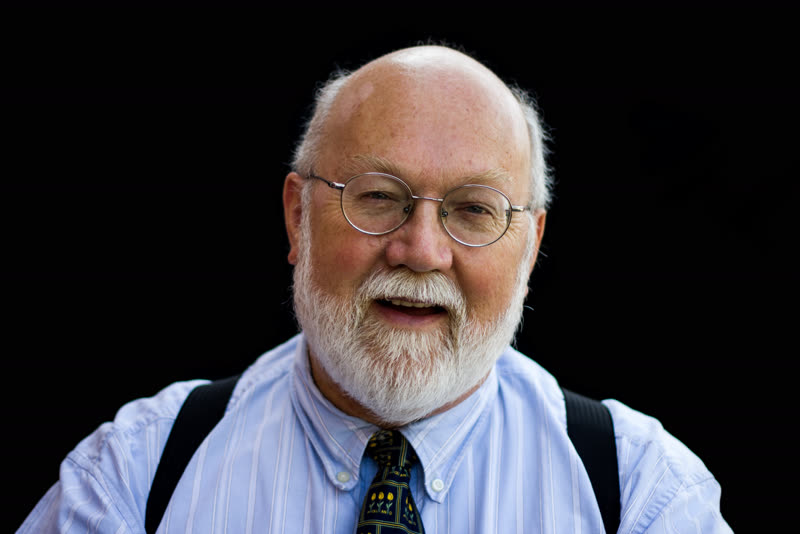 Tim Pasma Sunday AM Genesis January 11, 2015
📖 Read the Scripture passage (ESV)
14 In the days of Amraphel king of Shinar, Arioch king of Ellasar, Chedorlaomer king of Elam, and Tidal king of Goiim, 2 these kings made war with Bera king of Sodom, Birsha king of Gomorrah, Shinab king of Admah, Shemeber king of Zeboiim, and the king of Bela (that is, Zoar). 3 And all these joined forces in the Valley of Siddim (that is, the Salt Sea). 4 Twelve years they had served Chedorlaomer, but in the thirteenth year they rebelled. 5 In the fourteenth year Chedorlaomer and the kings who were with him came and defeated the Rephaim in Ashteroth-karnaim, the Zuzim in Ham, the Emim in Shaveh-kiriathaim, 6 and the Horites in their hill country of Seir as far as El-paran on the border of the wilderness. 7 Then they turned back and came to En-mishpat (that is, Kadesh) and defeated all the country of the Amalekites, and also the Amorites who were dwelling in Hazazon-tamar.
8 Then the king of Sodom, the king of Gomorrah, the king of Admah, the king of Zeboiim, and the king of Bela (that is, Zoar) went out, and they joined battle in the Valley of Siddim 9 with Chedorlaomer king of Elam, Tidal king of Goiim, Amraphel king of Shinar, and Arioch king of Ellasar, four kings against five. 10 Now the Valley of Siddim was full of bitumen pits, and as the kings of Sodom and Gomorrah fled, some fell into them, and the rest fled to the hill country. 11 So the enemy took all the possessions of Sodom and Gomorrah, and all their provisions, and went their way. 12 They also took Lot, the son of Abram's brother, who was dwelling in Sodom, and his possessions, and went their way.
13 Then one who had escaped came and told Abram the Hebrew, who was living by the oaks of Mamre the Amorite, brother of Eshcol and of Aner. These were allies of Abram. 14 When Abram heard that his kinsman had been taken captive, he led forth his trained men, born in his house, 318 of them, and went in pursuit as far as Dan. 15 And he divided his forces against them by night, he and his servants, and defeated them and pursued them to Hobah, north of Damascus. 16 Then he brought back all the possessions, and also brought back his kinsman Lot with his possessions, and the women and the people.
Abram Blessed by Melchizedek
17 After his return from the defeat of Chedorlaomer and the kings who were with him, the king of Sodom went out to meet him at the Valley of Shaveh (that is, the King's Valley). 18 And Melchizedek king of Salem brought out bread and wine. (He was priest of God Most High.) 19 And he blessed him and said,
“Blessed be Abram by God Most High,
Possessor of heaven and earth;
20 and blessed be God Most High,
who has delivered your enemies into your hand!”
And Abram gave him a tenth of everything. 21 And the king of Sodom said to Abram, “Give me the persons, but take the goods for yourself.” 22 But Abram said to the king of Sodom, “I have lifted my hand to the Lord, God Most High, Possessor of heaven and earth, 23 that I would not take a thread or a sandal strap or anything that is yours, lest you should say, ‘I have made Abram rich.’ 24 I will take nothing but what the young men have eaten, and the share of the men who went with me. Let Aner, Eshcol, and Mamre take their share.”
Transcript
Let's take a moment now and ask God to guide our thinking, to penetrate our hearts with his word, to teach us things that we need to know in order to change for his glory. Let's pray. Father, once more we take our Bibles and open them up before you in order that we might hear you speak to us. We're thankful for your word, which you gave to us, which is authoritative, which is inerrant, which is able to make us like Christ.
So give us ears to hear as we listen again of your great work in the past. And Lord, not just see it as your great work in the past, but to understand that that record of the past was intended to change us today and that you wrote it even back then with us in mind. Help us now in this endeavor. In Jesus' name, amen. If only we could elect a truly Christian president.
If only we could get a scientist like Einstein to truly follow Christ. If only Rush Limbaugh or Jimmy Fallon would get converted. If only Aaron Rodgers or Peyton Manning would profess Christ as Savior. if God would only save George Clooney and Brad Pitt, if only we could get a Christian university that had the reputation of Harvard and Yale, then we could see God really do marvelous things.
Now, you kind of laugh. I heard some of you starting to chuckle, but that's the way a lot of us Christians think. Our thinking is always the same. If only Christians could get the fame and the riches and the power and the reputation and the influence, then, then we could really accomplish great things for God. If only we could get our hands on those things.
If only we'd get the reputation. If only we'd get the cultural influence. If we could only influence our culture and capture and produce good movies and have these great celebrities who follow Jesus. And if we could only get the power, then God would do great things. But Genesis chapter 14 contradicts all of that thinking. In this chapter you going to see international politics and conquest powerful kings and great wealth But God accomplishes more through a man of faith than through those other seemingly powerful influential and wealthy means We return this week to the book of Genesis, and you all sigh in relief saying, how long is it going to be before we get back to that book?
If I were to give a title to this book, I would call it God Plants the Seed. quickly let's review you remember that god promised that the seed of the woman would bring deliverance from sin and its curse we saw how god protected that seed through the overwhelming wickedness and mounting evil that came after the fall and then we saw how god promised to bless all the nations through the seed that now is going to come through Abraham. The story of this seed now centers on this man here, named Abraham, later called Abraham, and it does so by telling the story of his faith, a life characterized by belief in the promises of God at many points, and at some points even the failure of his faith. Now in this chapter, Genesis chapter 14, we see how faith operates in Abram's life against the backdrop of international politics and power and wealth.
So let's look at this chapter. You follow as I read it. Genesis chapter 14, verse 1. in the days of Amraphel king of Shinar Ariok king of Elazar Keter Lomar king of Elam and title king of Goyim these kings made war with Bera king of Sodom Bersha king of Gomorrah Shinnab king of Adma Shemeber king of Zeboiim and the king of Bela that is Zoar and all these joined forces in the valley of Sedim that is the salt sea 12 years they had served Keter Lomar, but in the 13th year they rebelled.
In the 14th year, Keter Lomar and the kings who were with him came and defeated the Rephaim in Ashtaroth-Karnaim, the Zuzim in Ham, the Emim in Shavah and the Horites in their hill country of Ser as far as El on the border of the wilderness Then they turned back and came to En that is Kadesh and defeated all the country of the Amalekites and also the Amorites who were dwelling in Hazaz Then the king of Sodom, the king of Gomorrah, the king of Adma, the king of Zeboiim, and the king of Bela, that is Zor, went out and they joined the battle in the valley of Siddim with Keter-lo-Omar, king of Elam, Tidal, king of Goyim, Amraphel, king of Shinar, Ariak, king of El-Asar, four kings against five. Now the valley of Siddim was full of bitumen pits, and as the kings of Sodom and Gomorrah fled, some fell into them, and the rest fled to the hill country. So the enemy took all the possessions of Sodom and Gomorrah and all their provisions and went their way.
They also took Lot, the son of Abram's brother, who was dwelling in Sodom, and his possessions, and went their way. Then one who had escaped came and told Abram the Hebrew who was living by the oaks of Mamre, the Amorite brother of Eshcol and Aner. these were these were the allies of Abram when Abram heard that his kinsmen had been taken captive he led forth his trained men born in his house 318 of them and went in pursuit as far as Dan and he divided his forces against them by night he and his servants and defeated them and pursued them to Hoban north of Damascus then he brought back all the possessions and also brought back his kinsmen lot with his possessions and the women and the people after his return from the defeat of Keterlomar, the kings who were with him, the king of Sodom, went out to meet him at the valley of Shavah, that is the king's valley. And Melchizedek, king of Salem, brought out bread and wine.
He was priest of God most high. And he blessed him and said, blessed be Abram by God most high, possessor of heaven and earth. And blessed be God most high, who has delivered your enemies into your hand. And Abram gave him a tenth of everything. And the king of Sodom said to Abram, give me the persons but take the goods for yourself. But Abram said to the king of Sodom, I lifted my hand to the Lord God most high, possessor of heaven and earth, that I would not take a thread or a sandal strap or anything that is yours, lest you should say, I have made Abram rich.
I will take nothing but what the young men have eaten and the share of the men who went with me. Let Anar, Eshcol, and Mamre take their share. So reads Genesis chapter 14. Now you need to understand some of the political realities of the ancient world The basic political unit in that day was not the nation it was the city Each city was a nation of its own and had its own king And all of the actors in this drama, other than Abram and his allies, but all the actors named in this drama are kings and cities.
They are the cities over which they are king. Now some cities had a vassal status. Now what does that mean? Well let's say a city goes to war against another city and conquers that city. That city now becomes, the defeated city now becomes a vassal and its king becomes a vassal to the king that conquered them. The conquering king lets him stay on his throne.
He can still rule his city-state, but he now owes his loyalty and tribute to the superior king, the conquering king. This is a vassal city-state to this conquering king. Now that's the case here. the five cities in Palestine or the five cities down near the Dead Sea were vassals of Keter Lomor of Elam in Mesopotamia if you look it up in your map that's present-day Iraq near the Persian Gulf between Iran and Kuwait that little part of Iraq that's where he came from and by the way all the cities that came with him they were probably his vassal states they owed him loyalty and he said I've got some rebels down south.
I need you to bring your forces. And they owed him that. Well, these five cities in Palestine had rebelled. They were vassals to Keter Lomar. And so after 12 years of subjugation, they said we've had enough. So after a year of putting up with their rebellion, Keter Lomar gathers his other vassals and they go down and they deal with these five cities. we might say that Keter Lomar's eastern alliance goes to war against the Dead Sea Coalition led by Sodom.
Okay, got it in your mind? Eastern Alliance, Dead Sea Coalition these are the two forces now arrayed against each other. This then sets the stage for Abram's faith the eastern alliance, now some of you children have a children's bulletin and it has a map so if some of you parents are wise, you'll look at their map. Or you can open your Bible to the map in the back.
Because I want to show you something. Okay? I couldn't get it figured out so I could put it up on the screen. So you're just going to have to look at your map and listen. The Eastern Alliance comes down the eastern side. Jordan River.
Here's the Jordan River right here. The Eastern Alliance comes down the Jordan River and on the way down they conquer as they go. They conquer the tribes of the Rephaim, the Zuzim, the Emim, and the Horites, gaining those cities as vassal states. After reaching south of the Dead Sea, they've come all the way down the eastern side of the Jordan, conquering as they go.
They come all the way down south, way down south, and then they turn north, and they head a little bit west. And they go and they conquer the Amorites and the Amalekites. Now they're ready to turn a little bit east, right toward the bottom of the Dead Sea. Okay? That's where they are. They've come down the east, all the way south.
They've come this way. They've gone a little bit north and west. Now they're coming this way, towards the Dead Sea, where these cities are. the Dead Sea Coalition draws up its forces in the Sedim Valley, but they break before the enemy's forces and they start to run. Now in this valley are a bunch of tar pits of some kind. And in the chaos of defeat, many fall into them and are slaughtered by the forces of the east.
The survivors, of course, head for the hills, leaving their cities defenseless so that the alliance forces sack the cities, looting, plundering, pillaging, and raping as conquering armies almost always do. Now, Abram's reluctantly drawn into this war. I mean, I don't know that he cares that much about these. He doesn't seem to, but some escapee from the defeated forces reaches him and tells him that Lot has been captured.
Now Lot has moved into Sodom. And he's part of the city when these forces come through and sack the city. He has a duty of love to his kinsmen. And so Abram calls up his troop of warriors. He has a company of 318 men. The word that's used to describe them is an old word that was used by the Egyptians to describe a group of fighting men, of warriors.
And so Abram evidently had 318 men trained for battle But he also took along with him troops supplied by his allies Mamre Eshcol and Anre The word allies in our text if you look at it the word allies is a translation of a word that essentially talks about a covenant of mutual loyalty. Abram had entered into covenant with these three guys and their clans, and they supplied some troops, which is evident from verse 24. Now here's what happens.
The Eastern Alliance heads back home on the eastern side of the Jordan. Abram takes his forces and he shadows them on the west side. So as they're going up here, he's coming up on this side of the Jordan. The Jordan shields his forces from these guys. So he's shadowing them as they go up. When he gets to the north, he gets to a point that the text identifies as Dan.
And at this point, he divides his forces and makes a surprise attack at night on these plundering hooligans and defeats them and gets all of that booty and all of those people for himself. And then he continues chasing the enemy north of Damascus until he's utterly defeated them. What in the world can we learn from this? Right? Here's the first point. I think that the first 16 verses make. learn that God accomplishes his purposes through you walking by faith let me say it again learn that God accomplishes his purposes through you walking by faith how do I say that I say it this I say it because of this faith empowered Abram to do his duty to rescue his nephew Lot That was his duty.
That was what was expected. And he loved him. The ungrateful, selfish, greedy Lot, he has an uncle who still graciously loves him. You know, Abram could have said, he finally got what he deserves, right? But he didn't. He didn't.
He thought it was his duty to rescue his nephew, Lot. Now, here's the question. Abram goes up against the forces of a powerful alliance, what could have possibly moved him to do that? And here's what I would say. He believed the promises of God Up to this point chapter 12 is very important for us Chapter 12 verse 2 and I will make of you a great nation and I will bless you and make your name great so that you will be a blessing.
I will bless those who bless you, and him who dishonors you I will curse. And in you all the families of the earth shall be blessed. There's four promises there. And then back down in verse 7, To your offspring I will give this land. So there are these promises that are always central to understanding Abram. So why does he go against this powerful alliance?
Because of the promises that were made to him by God. God promised that he would protect Abram, right? He said, those who curse you, I will dishonor. And we noted when we were in chapter 12, it doesn't mean God says, I'm mad at you. It means that God's going to deal with them if they do anything against Abram. He had that promise.
He had the promise that he would make his name great. All right? So fueled by faith in the promises of God, Abram did what he knew he had to do. That's what motivated him, his faith. He did a difficult thing because he believed the promises of God. What keeps you from doing the things that Jesus commands of you?
Could it be a lack of faith? I mean, I want you to think about this. This study in Abram's been so enlightening for me personally. I've seen the central importance of faith. I've got to believe the promises of God. That's what's going to motivate me to obey the commands of God.
Do you believe the promises of God? You say, yes. That should be reflected then in your obedience to his commands. For example, loving your neighbor. Do you love your neighbor? Oh man, my neighbor is a really tough guy.
I mean, he's always fighting with us. Okay? So don't you believe that God can sustain you in that? Do you believe what Jesus says when he says, if you follow me, I'll give you joy? See, but you're believing another thing. You're believing, if I love my neighbor, it's going to get really tough, and that's going to be too much to handle.
And God says, Jesus says, for example, in John chapter 15, obey my commands and my joy will be in you. Do you believe that promise? What about the fact that you know that your brother needs help That you know that a brother in this congregation is caught in sin He trapped in sin And you say someone needs to talk to him And God says you the one that has to go talk to him You're the one who knows.
Now you go talk to him. Oh, well, I'm not, I'm not that type of person. That's just not my personality. Tough luck. Sorry, swear word there. No such thing as luck.
Too bad, too bad, do you not believe the promises of God? Does he not say? If you obey him, there'll be joy. There'll be joy in that at the end of the day. He's saying, I need to give more. I need to, but I don't know if I can make ends meet.
Can you be generous and trust God that he's going to meet all your needs? Right? There's a brother in need. You have the resources. Here he is. And in Proverbs it says, If your brother is in need and you have the resources, don't wait.
Give it to him now. But I've got that for retirement. Do you trust God or do you not? Do you believe his promises? You do the things that God commands you to do because you believe the promises of God. You see?
One of the reasons why I'm convinced that we're disobedient is we don't believe. We don't have faith. Think about doctors Jerry Brown and Rick Sacra and a nurse by the name of Nancy Wright Bull, who obeyed God by loving their neighbors in Liberia. Ebola victims. The rest of the world, if you notice, the rest of the world is just kind of standing back. The rest of the world, with all its resources, is standing back and saying, hey, you guys, you need to have quarantine.
Hey, let's close the borders. but these people are in there, missionaries, missionaries of the Lord Jesus, dealing with Ebola victims. Why? You can do death-defying things if you believe the promises of God. I'm sure they believe. If I die, where do I end up? With the Lord.
Okay. So be it. I believe that. It's interesting. The world with all its resources does very little. And these people with very little resources are in there doing something.
Because they believe. So an insignificant, apparently weak man living by faith did what he was supposed to do. Not only this, but God fulfilled a gracious objective through this man of faith. The gracious objective of rescuing Lot. Turn over to 2 Peter for a moment. 2 Peter chapter 4. in second peter chapter two and not four second peter chapter two beginning in verse four for if god did not spare angels when they sinned but cast them into hell and committed them to chains of gloomy darkness to be kept until the judgment if he did not spare the ancient world but preserved noah a herald of righteousness with seven others when he brought a flood upon the world of the ungodly if by turning the cities of sodom and gomorrah to ashes he condemned them to extinction making them an example of what is going to happen to the ungodly and if he rescued righteous lot greatly distressed by the sensual conduct of the wicked for as that righteous man lived among them day after day he was tormenting his righteous soul over their lawless deeds that he saw and heard then the lord knows how to rescue the godly from trials and to keep the unrighteous under punishment until the day of judgment, and especially those who indulge in the lust of defiling passion and despise authority.
Now note, if he knows how to rescue the godly out of trials. Now certainly this has a reference to the ultimate destruction of Sodom and Gomorrah and the rescue of Lot. But don't miss the main point. The Lord knows how to rescue the godly from trials, and Abram, operating by faith, rescued his nephew Lot, which was God's gracious purpose for Lot, to rescue him.
I'm sure Abram had no idea that was God's purpose. God has a gracious purpose for Lot. He did not have any idea, but operating by faith, he accomplished that purpose. Listen, you never know when you live by faith how you may be a part of God's gracious work. You never know, as you live by faith how God may use that. You may help someone in need with a room to live in for a few months, a homeless person, and see nothing come of it only to learn years later that that person came to faith because of that loving deed you did out of faith You may give a Bible to a co only to find people turning against you, right?
Who do you think you are? So you're saying that Joan is a dirty, rotten sinner because you gave her that Bible, and they get all over your case. You did it in faith, right? You're walking by faith, only to learn years later that there was someone else standing there watching that and seeing how you responded and came to know Christ because of the way you handled persecution.
You never know what God's going to do when you walk by faith. Some months ago, we taught the counseling class here. A number of you took the counseling class, and the word got out, and some people were talking about it. And on Facebook, something came up one day, and some woman said, oh, take that class. I went to see Pastor Tim years ago, and he helped me, and it's been great ever since.
And you know what? I don't even remember this woman. I don't know who she is. I can't remember when she came and talked to me. It's not that I'm talking about how great Tim Passman is. It's just that someone came, I shared the Word of God, and years later I find out it had an effect, right?
It wasn't me by any... well, it's never me. It's always the Word of God and the Spirit of God. The point I'm trying to make is you never know. As you walk by faith, you may accomplish something that you just don't know. By the way, do you think Abram's victory against that alliance had a rippling effect on the international scene? I think it did.
Just like those missionaries are having a rippling effect on the international scene. Look, you see, God uses insignificant, and apparently weak people to accomplish great things as they operate with faith. He doesn't take the big things. He takes the small things. We need to get rid of the big bang theory of service. I'm dead serious about this.
We need to get rid of the big bang theory of Christian ministry, which says the only way you're going to be effective is you have powerful, flashy people and events. And that's how we're going to make an effect. I am tired. Listen, I am tired of hearing Christians say, we need to have an influence on our culture, and that means we need to produce movies that are just as good as the world produces with our message Okay that okay that fine That all right Go ahead But God accomplishes a whole lot more with people like you and me who don know a thing about movie making as we walk in faith and minister to the world around us he uses insignificant apparently weak people to accomplish great things consider jesus this is the way of christ a poor carpenter with no religious credentials no political power and no social standing and yet he walked by faith in the father's will he didn't take advantage he didn't he he had nothing for all practical purposes jesus was a nobody just this renegade rabbi teaching these radically things radical things making trouble and everybody hating him and what does he accomplish the redemption of a people over the entire globe.
God uses insignificant, weak people who walk by faith. He uses you as you walk by faith. Now let's go on. Here's the next thing I see in this text, and that is learn that God gives you clear vision through faith. Learn that God gives you clear vision through faith. the story now in verse 17 picks up some weeks later Abram's on his way back from his campaign and two kings go out to meet him now I want you to notice this I really think the writer wants you to get the point of this part of the narrative by presenting to you two kings okay and when you look carefully at it you see there are two things going on here there there's a great contrast and you get the point if you see the contrast between the two kings let's look at it verse 17 let's refresh your memory after this after his return from the defeat of Keter Lomar and the kings who were with him the king of Sodom went out to meet him at the valley of Shavah that is the king's valley and Melchizedek king of Salem brought out bread and wine he was priest of God Most High And he blessed him and said Blessed be Abraham by God Most High possessor of heaven and earth and blessed be God Most High who has delivered your enemies into your hands And Abram gave him a tenth of everything.
And the king of Sodom said to Abram, Give me the persons, but take the goods for yourselves. But Abram said to the king of Sodom, I have lifted my hand to the Lord God Most High, possessor of heaven and earth, that I would not take a thread or a sandal strap or anything that is yours, lest you should say, I have made Abram rich. I will take nothing but what the young men have eaten and the share of the men who went with me.
Let Anar, Eshcol, and Mamre take their share. Here's the contrast. Notice it. You have one who is a wicked king, Bera, king of Sodom. And you have one who is the king of righteousness. That is Melchizedek.
Melchizedek is the joining of two Hebrew words. Melchi, my king. Zedek, righteousness. Okay, king of righteousness. Not my king, but king of righteousness. So you've got Bera, king of Sodom, a very wicked city.
And Melchizedek, king of righteousness. Now Melchizedek is the king and the priest of a city called Salem, which 900 years later will be called Jerusalem. Okay, do you see Salem in Jerusalem? All right. Salem then becomes Jerusalem under David. Now, we don't know anything about this king.
The book of Hebrews talks about him and says, we don't know a thing about this king, where he came from, who his ancestors were, and what happened afterwards. We don't know a thing. He looks like Jesus, just coming out of nowhere. It's funny. When you look at this, you say, where did this guy come from? God has people in his places that we don't know about. here is this king of righteousness this priest who serves the most high god now how does he even know about this god this is the god of abraham how does he know about this god he's living in a land of incredible immorality i'm telling you the the culture of that day was unbelievably immoral okay in palestine and he's the king of righteousness and he's serving the true god Wow, that's weird.
Yeah, it is. But the Bible doesn't say much else about him other than he showed up along with the king of Sodom. Notice verse 17. The king of Sodom went out while the king of Salem brought out. The bearer went out wanting something. Melchizedek came out bringing a royal feast.
When it talks about bread and wine and so forth, that is an idiom, a way of saying a royal feast. Okay? Melchizedek comes out not wanting something, but bringing a royal feast for Abram, treating him like a king. But here is the most noticeable contrast. The king of Sodom offers a deal, while Melchizedek offers a blessing. Now do you see that?
One barters, the other blesses. Don't miss that. He wants you to see that. One barters, let's make a deal. One blesses. the question here is this. Which one gives the most advantage?
Which one gives the most advantage to Abram? A deal or a blessing? Let's think about that together. Melchizedek, who knows the true God, blesses Abram. Unlike the kings around him, he's not subject to a local god. each city state had its own gods those gods were connected to the land each nationality if you will or each city state had its own gods but here we have a guy who's talking about the god most high who is the possessor of what not just our territory but what of all heaven and earth he recognizes the supremacy of this God.
In fact, he is God Most High. And not only that, but he is sovereign. Because Melchizedek, in blessing Abram, says essentially, Abram, you did not win the battle. Who did? God did. Notice what he says in verse 20.
And blessed be God Most High, who has delivered your enemies into your hands. Now, let's think about this. What does Abram get out of all this? Words of blessing. That make clear that God is everything and Abram is nothing Okay Words of blessing And with that blessing Abram gets the joy of worship okay A joy characterized then by him giving a tenth of all that booty to Melchizedek What does Abram get from Melchizedek?
You know what he gets? Words, worship, and a loss of wealth, okay put it all down there that's that's what he gets now Abram then can see the worth of an invisible God through the eyes of faith because look at what Barah the king of Sodom offers him this is a deal that would certainly enrich Abram he says I just want the people you know what I'm thinking I'm thinking that's great the last thing I want is a bunch of people from five different cities, you know, to have to deal with. Go ahead, take the people.
He says, you can keep all the booty. Now think about that. Think about that. Suppose that you had, as a result of this conquest, let's say Marian is conquered. Suppose now you had in your possession, you say, well, Marian's not much. All right, listen to me now.
It isn't much. In fact, I would guess that Sodom was smaller than Marian. A lot of these city-states were no bigger than towns in our thinking. But suppose you had all the booty from Marion. Suppose you had every car that you could do whatever you wanted with. All the money.
All the money from that town. Now, Marion's not a big, rich town, but let's say you had every dollar from that town. You had all the tools that anybody had. You have all of that. It's all yours. You have it by right.
He conquered these people. He recovered it. It's his by right. Now, do you think that would make Abram... Now, we're not talking one city now, are we? Now, do you think that might make him a rich man?
Yeah. Do you think there's kind of an advantage in that? Yeah. Okay, what did he get from Melchizedek? Words, worship, and a loss of wealth. What he going to get from Barah A ton of stuff What the bottom line here Abram says to Barah no way God gets the credit for any greatness that attaches to my name Because he promised greatness to my name, and I don't need you.
I do not need what you're offering. See? I don't need it. I want God to get the credit. I don't want anybody taking the credit that belongs only to God. You see, Abram can see that the God who promised to make his name great can do it without the help of anybody else.
He's living by faith here. Now listen carefully. The advantage of God's blessing is meaningful only to faith. What is the advantage he got from Melchizedek? Right? Ah, the eyes of faith.
The eyes of faith can see that's meaningful. And the disadvantage of worldly wealth is perceptible only to faith. It's only faith that's going to see through it and say, all that wealth, it's not worth it. It's no good. I don't need it. It's not necessary.
Do you see that? His faith gave him clear vision. He saw what was really valuable and what was not. Would you see the same thing? Would you see the same thing? You can if you believe what God has said.
That's faith. But again, does this not bring us to Jesus? Because Jesus believed his Father, he denied all advantages to come to the place of ultimate disadvantage, which was what? His death. Jesus didn't need the friendship and the fame and the power of this age. He did not need the glory of this age to accomplish great things.
And in fact, His faith took Him to the place of ultimate glory at the right hand of the Father of Heaven. He didn't need the glory of this age. He didn't need the wealth of the power or the influence of this age. His faith took Him to the very top. Now, is that how you see life? Is that how you see life?
If you have faith, you're going to start seeing life differently. Faith sees clearly as to what is truly an advantage and what is truly a disadvantage The blessing of God or the bounty of the world You say oh and when I put it that way it's really simple, isn't it? Oh, it's the blessing of God, not the bounty of the world. But what's going to happen this week when you're confronted with that?
Okay? When you know that what God says is much more valuable than this bit of bounty or this amount of influence that will cost you some as opposed to what God can do or what he does. Faith in the promises of God will see clearly. We will see that the wealth, the fame, the power of this age are actually a disadvantage. So, what do you hear God saying in this narrative?
What do you hear him saying? it's fascinating to me that what's important is not the earth shaping conflicts of kings and their armies that isn't what comes through this chapter is it that's not what's important the crux of this story is the faith of one man the power and the wealth of this story are merely the backdrops to god's greater purposes and god's greatest work going on right here in this chapter was blessing the nations through Abram in his seed, the Lord Jesus Christ. Let me ask you, before today, had you ever heard of Keter, Lomar, Bera, Bersa, and Ariok and their conquests? Oh yeah, man.
I was thinking about them yesterday. Right? This Keter, Lomar, this great king who conquered all those people and subjected the five cities again to his rule? Where are they today? But look at the conquests of King Jesus. The one who had no wealth, no power, no influence.
Right? Learn that God accomplishes more through the faith of his people than through all the power and wealth and glory and influence that the world has to offer. God, thank you for your word. Help us to live this way. Wow, Father. This is a challenge because we're so drawn to influence and power and money and glory. think that those are the things that are going to accomplish great things when, Lord, it's the weak and the foolish and the poor by the world's standards that accomplish great things for you.
Oh, God, help us to live this way. Help us to live by faith and to see your purposes worked out in marvelous ways. We thank you in Jesus' name. Amen.