The Everlasting God Is With You
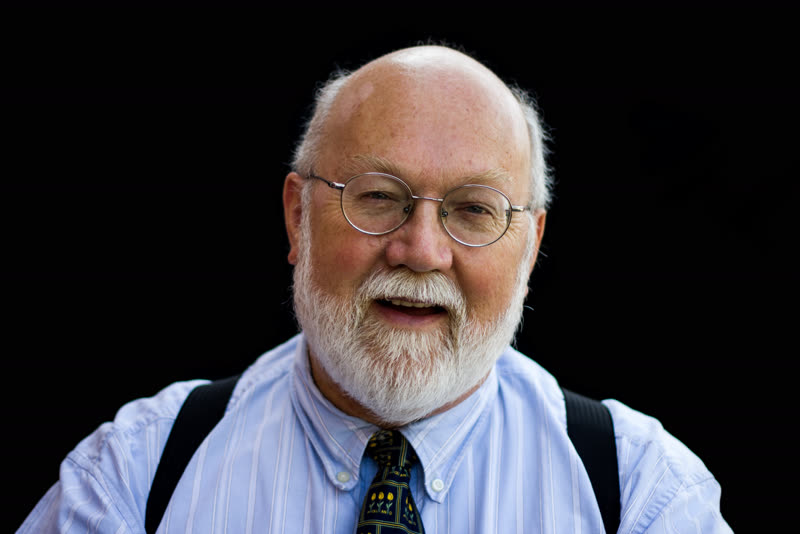 Tim Pasma Sunday AM Genesis May 31, 2015
📖 Read the Scripture passage (ESV)
22 At that time Abimelech and Phicol the commander of his army said to Abraham, “God is with you in all that you do. 23 Now therefore swear to me here by God that you will not deal falsely with me or with my descendants or with my posterity, but as I have dealt kindly with you, so you will deal with me and with the land where you have sojourned.” 24 And Abraham said, “I will swear.”
25 When Abraham reproved Abimelech about a well of water that Abimelech's servants had seized, 26 Abimelech said, “I do not know who has done this thing; you did not tell me, and I have not heard of it until today.” 27 So Abraham took sheep and oxen and gave them to Abimelech, and the two men made a covenant. 28 Abraham set seven ewe lambs of the flock apart. 29 And Abimelech said to Abraham, “What is the meaning of these seven ewe lambs that you have set apart?” 30 He said, “These seven ewe lambs you will take from my hand, that this[c] may be a witness for me that I dug this well.” 31 Therefore that place was called Beersheba,[d] because there both of them swore an oath. 32 So they made a covenant at Beersheba. Then Abimelech and Phicol the commander of his army rose up and returned to the land of the Philistines. 33 Abraham planted a tamarisk tree in Beersheba and called there on the name of the Lord, the Everlasting God. 34 And Abraham sojourned many days in the land of the Philistines.
Transcript
Take your Bible this morning and turn with me to Genesis chapter 21. Genesis 21. Before we look there, let's pray. And again, ask that God would meet with us here in His Word. reveal to us these truths that we need to hear. Let's pray. Our God, you are the everlasting God, the one with no beginning and no end.
We can come to you with confidence because you know all and you are always faithful. You will never change. We thank you that because of your eternal nature, nothing in this world will cause you to respond or to change in a way that is inconsistent with you. We thank you that we can count on you as the one who keeps his promises. Help us to see that this day, we pray.
In Jesus' name, amen. Have you seen the faithfulness of God this week? That is to say, have you seen God keep any of his promises to you in any way this week? in the events of everyday life while you're pushing the shopping cart at work as you run your press in the disagreements you may have had with friends? How does God's faithfulness look? How does it show up?
Much of the time, God shows himself faithful and we don't see it because it's not very spectacular. That's the case with our text this morning. I want you to take your Bibles and let's look at Genesis 21, beginning in verse 22. At that time Abimelech and Phicol, the commander of his army, said to Abraham, God is with you in all that you do. Now therefore swear to me here by God that you will not deal falsely with me or with my descendants or with my posterity, but as I have dealt kindly with you so you will deal with me and with the land where you have sojourned And Abraham said I will swear When Abraham reproved Abimelech about a well of water that Abimelech servants had seized, Abimelech said, I do not know who's done this thing.
You did not tell me, and I've not heard of it until today. So Abraham took sheep and oxen and gave them to Abimelech, and the two men made a covenant. Abraham set seven ewe lambs of the flock apart, And Abimelech said to Abraham, what is the meaning of these seven ewe lambs that you have set apart? He said, these seven ewe lambs you will take from my hand, that this may be a witness for me, that I dug this well.
Therefore, that place was called Beersheba, because there both of them swore an oath. So they made a covenant at Beersheba. Then Abimelech and Phicol, the commander of his army, rose up and returned to the land of the Philistines. Abraham planted a tamarisk tree in Beersheba and called there on the name of the Lord the everlasting God. And Abraham sojourned many days in the land of the Philistines.
Now as you read this text, you might be saying, just another random story in the life of Abraham. He has a problem with Abimelech about some well, and they come to an agreement. big deal but you can't look at it that way God is not in the habit of just putting random stories in the Bible for us to just draw some kind of general principles from it so why is this here again a little bit of just a little bit of Bible teaching here that's the most basic question you ask of any passage Why is this here? And as I began a few weeks ago to look at this and to think about it, I kept asking this question.
Why is this here? What is this about? Well, let's put it where it's supposed to be. It's part of the narrative of God's faithfulness and Abraham's faith, or failure of faith, as the case may be. It's of God's faithfulness to keep his promises to Abraham Now I think the key is found in verses 31 and 32 And here where we read therefore that place was called Beersheba because they both of them sworn oath So they made a covenant at Beersheba.
The place is called Beersheba, and everyone reading this story knows about that place. Generations later, when the Israelites are reading this story that Moses has written, they know where Beersheba is. They know it. They know that's a place that they should be familiar with. It's on all their maps. It's a famous place, if you will.
It's as if someone would say, and so the name of that place was called New York. Everybody knows New York City. It's famous, but this is how it got its name, we might say. So everyone who reads this story already knows about this famous place, and now they know it's the place where an important event took place. They know about the event that gave it its name.
Beersheba can mean well of seven or well of the oath. The Hebrew word for seven and oath being almost identical. I believe this time that it means well of oath because of the whole story that transpires there. This is a significant place because something significant, particularly significant, happens here. The covenant between Abimelech and Abraham is a significant event in this narrative of faith and faithfulness.
Y'all know where Beersheba is, Moses is saying. Here's how God is named. Something significant happened there. So whenever you see Beersheba on the map or someone mentions it, it should remind you of God's faithfulness to his promises. That's what I think this story is about. It's another story in the continuing narrative of the faithfulness of God to his promises.
Now let's see what happens here. Abimelech, the local Philistine king, who Abraham knew with that incident with his wife a few chapters earlier, as well as probably knew him with continuing relations with him as he lived in that land. Abimelech shows up at the encampment of Abraham with his army commander-in-chief, Fico. Now, since Abraham lives in his territory, they probably had dealings.
They weren't strangers to one another. But this is no ordinary visit because the king shows up with his top military man in tow I can imagine Abraham saying to himself what is this all about What going on Abimelech gets down to business with Abraham in verse 22. At that time Abimelech and Phicol, the commander of his army, said to Abraham, God is with you in all that you do.
Now therefore, swear to me here by God that you will not deal falsely with me or with my descendants or with my posterity, but as I have dealt kindly with you, so you will deal with me and with the land where you have sojourned. And Abraham said, I will swear. He wants Abraham to swear an oath. He wants Abraham to make a covenant with him that Abraham and his descendants will always be kind to Abimelech's family and his descendants. that Abraham's future descendants would deal with integrity with Abimelech and his descendants.
Now I get the impression that Abimelech is dead serious in this appeal. He seems to be aware of the greatness of Abraham's God. I don't know if you see that, but he seems to be aware of the greatness of Abraham's God. And he truly thinks that Abraham is going to have a family or descendants that can do ill or good to his descendants. He believes that. And I think that this appeal is motivated by some of the problems that have erupted between this man and this king.
Like the well that Abimelech's men have just seized that we read about in verse 25. Now, you've got to understand, in this area of the land, where they are. It's semi-arid. It's semi-arid. And so disputes over pasture and water rights are going to be a normal part of everyday life. There's always going to be arguing about who owns this well and who does that and who has the right to this land.
Just the normal everyday stuff of, hey, your sheep are on my property. I've got rights to this. No, that's my well, not yours. Alright? This is a normal part of life. Now Abraham agrees to this proposal.
He says, of course I'll make a covenant with you. Yeah, yeah, I will swear an oath. However, Abraham continues, there's the matter of the well that you just took from me. Of course, Abimelech says, what, what? My men seized your well? My goodness, this is the first I've heard of it, right?
I don't think so. I don't think so. Well, Abraham then says, okay, and he starts the covenant-making process by bringing or giving to Abimelech the sacrificial animals necessary to ratify a covenant. These are the animals that he talks about giving to him. Now you remember how important those animals were in covenant making. That when you made a covenant, when two people, two parties agreed or at least cut a covenant.
And by the way, whenever you see that little term, made a covenant, literally the Hebrew reads, cut a covenant. Because of what happened in covenant making. Those animals were cut in half. The halves were put opposite each other. And the parties to the covenant would walk between those animals, essentially saying, may what happened to these animals happen to me if I do not keep my part of the covenant.
So Abraham initiates the covenant making process by bringing these sacrificial animals that will be used to ratify the covenant. But after making the covenant, Abraham gives Abimelech seven ewe lambs. What's this all about, says Abimelech? Abraham says, if you accept this goodwill gift from my hand, then you are making this statement to everybody. This well that is in dispute was dug by Abraham, and he has rightful ownership of it.
That's what you'll be saying if you take these seven lambs. Abimelech essentially says, deal. Okay? I'll swear to that. So after the covenant has been affirmed and the oath taken, Abimelech and his commander-in-chief leave the encampment to go back to the royal city of Gerar Now what the point of all that This covenant and the oaths sworn began with a normal expected everyday kind of event A disagreement over a well.
That's how this whole process got started. And you might say, what? so they came to an agreement about a well about some silly thing that erupted between them what's the big deal when you dig down in this passage I think when you look at this carefully you're going to see you're going to see exactly what happened and the sign of God's faithfulness to his promises in other words you need to realize that God's faithfulness shows up in the mundane events of life. Everything that caused this covenant to happen is a normal thing.
It's a normal thing. People arguing is abnormal, right? Oh, come on, are you awake today? You're not even shaking your heads. It's not abnormal. It's a part of everyday life.
And what they went through was part of everyday life. They're arguing about who has the right to water their animals at that well. One of the parties has preemptively seized it. The other party challenges him on it. And they have to come to an agreement over this well. Now, the agreement extends far beyond that.
But that was what caused the whole thing to happen. A normal everyday event. And what I think happens here is what's going on here is that we need to realize that God's faithfulness shows up in the mundane. What is unusual are not the circumstances by which this covenant was made. This is a normal thing that happens. People get in disagreements.
But it's in the ordinary that God's faithfulness becomes evident. Let me show you how. Turn back to Genesis 12. This is the key to all of Abraham's life and all of God's dealings with Abraham. Genesis chapter 12, the story of the call of Abraham and the faith of Abraham as God makes certain promises to him. Later you remember in chapter 15 these promises are put into a covenant Renewed in chapter 17 But these are the basic promises by which God deals with Abraham These are the promises that Abraham must believe.
Chapter 12, verse 1. Now the Lord said to Abram, go from your country and your kindred and your father's house to the land that I will show you. And I will make of you a great nation. And I will bless you and make your name great so that you will be a blessing. I will bless those who bless you, and him who dishonors you I will curse, and in you all the families of the earth shall be blessed.
One more promise down in verse 7. Then the Lord appeared to Abraham and said, To your offspring I will give this land. Here are the basic promises upon which the story of Abraham and God are founded. Those basic promises. Now, let's look at those basic promises as they're played out in this story, as God is faithful to his promises in the mundane, everyday event of an argument over a wealth.
What is unusual to begin with, as you look at this, is that a king and his commander-in-chief come to initiate a covenant with a nomadic herdsman by the name of Abraham. Now remember, Abraham is incredibly rich. He's got this huge encampment. My guess is it is huge. It's like the village of Leroux at least. He's got that many retainers.
He's got all kinds of herds. He's got all kinds of possessions. He's got tons of servants to look after this. He has enough, remember, to get an army together, right? so in the previous chapter when he goes after the kings of Mesopotamia and rescues the captives of the five cities of the plain what's going on here what tells us something here is that this king considers this man his equal in the sight of this king this herdsman this nomad is equal in power and status.
So much so that a king comes to Abraham to make a covenant. Do you see that? We should not That what we often do We kind of pass over these things It like wait a minute This is a nomad This is a king He coming to make a covenant with an equal in his view What does that tell you? God's fulfilling his promise. What did he promise him? I'm going to give you a great name.
Abraham has a great name in the sight of this king. And my guess is in the eyes of others who are also around in this area. His name is great. God has faithfully kept his promise that he would bless Abraham and make his name great. What is also unusual about this that struck me as I kept mulling over this passage is that this pagan king displays faith in the true God.
Did you see that? You cannot help but notice that he refers to Abraham's God and not his own. he recognizes that God is with Abraham that Abraham owes everything he is and everything he has because of the blessing of this true God now again, please understand the culture each city had its own pantheon of gods each people had their own gods and they didn't deny the existence of your gods but they would say, you have yours, I have mine and they would invoke their gods but in this chapter you see this pagan king invoking Abraham's God, not his own he recognizes this God, in fact do you notice that he insists on making this covenant and swearing an oath by Abraham's God that is to say we're going to swear an oath that says if you don't keep your part of the bargain this God will bring judgment. You can't miss that.
This is incredible. A pagan king would not do that. Abimelech and Phicol recognize that. Now, is this a true faith? I don't know. Are we going to meet Abimelech in heaven someday?
I don't know. I don't know. But it is a recognition of one who is or was devoted to his own gods. He's calling on Abraham's God. He's telling Abraham he ought to swear by his God. In this you can See that God begins to bless the nations of the earth through Abraham.
Now we know that that promise, as the whole story unfolds, we know that the promise is ultimately fulfilled in the person of Jesus Christ. Through you, I will bless all the nations. And when we get to the New Testament, particularly the book of Galatians, we see Paul saying, God doesn't say to seeds, he says to seed. I'm making this promise to your seed meaning one, meaning Christ that all these promises were made to Christ and then they come to us as his seed but the point is this God already begins to fulfill that promise this blessing the nations how? because Abraham is introducing the true knowledge of God the true knowledge of the true God at least to this nation there's a true knowledge of God now in this nation Do you remember what Abraham said when he came there?
Remember what he said to Sarah? He said to Sarah, they do not fear God in that place, so tell them you're my sister. They don't fear God, they'll kill me. What do you think about that now? It's not the case, is it? It is not the case now.
They know the true God in this place. So, God begins, if you will. It's an already not yet. God begins to fulfill His blessing to the nations by making the knowledge of the true God evident at least in this nation. You know what else is interesting? Is that this king actually believes that God's going to make a great nation out of Abraham.
Because he makes this covenant that says make sure your descendants let's make a covenant so your descendants don't treat my nation or my descendants with any kind of hurt or that they will not do anything evil against us and they'll deal with us with integrity. He already believes. It's interesting to me, and I don't know how this all works out. I haven't got it all figured out.
But it's interesting to me that Abraham's been struggling with this whole idea of he's going to have a son that's going to produce a nation. And here's a pagan king that's already making a covenant that says, make sure your descendants, which will be enough to make life hard for mine. Let make sure that they be okay with one another Somehow he believes that Abraham will one day be a great nation just as God has promised him Lastly, you see that Abimelech seeks to do what he can to bless Abraham.
What was also part of that promise? Abraham, I'm going to if anyone blesses you I will bless them. If anyone dishonors you I will curse them. And here you see the story of a king who goes out of his way to bless Abraham and not dishonor him. God is faithful to his promises. At least Abimelech knows it.
God's going to do it. What's the point? God wants you to realize that his faithfulness is so true that it's going to show up even in the mundane events of life God's faithfulness is such that it will show up not just in the spectacular things which are very unusual but in the mundane everyday things of life God will show up and keep his promise you know we can look at those Egyptian Christians marched out onto that beach ready to give their lives and we can say boy God was faithful to them but what about you? no one's marching you out on a beach nothing extraordinary is happening to you is God faithful to you? thing is God is so faithful keeping His promises.
They are so unspectacular in the events that surround it that we often don't see it. But God is faithful to you even in the mundane events of life. You see, centuries later, another covenant was enacted. It was at a place called Calvary. And there were no sacrificial animals there, but there was a sacrifice that ratified, that guaranteed the promises of that covenant.
That was Jesus. Jesus died in order to ratify a new covenant between us and God. Jesus was the sacrifice that said God will keep his promises And in that covenant he promises to fulfill everything In that covenant he says he will fulfill all the promises he has made And he keeps his promises even in the ordinary affairs of life. Like what, you might say?
Well, Jesus once said this, Come to me, all you who labor and are heavy laden. Come to me, all you who labor and are heavy laden, and I will give you rest. Take my yoke upon you and learn from me for I am gentle and lowly in heart and you will find rest for your souls. Have you found that to be true? Have you found that to be true when you face ordinary life?
As you raise your children, we have so many young parents in our congregation now and I look at them and say, oh my, I remember those days. Boy, you're really in for it. You find rest for your souls as you raise your children? As you learn from Christ more and more, are you finding rest for your souls with your children? How about as you face opposition at work?
As you learn more of Christ, Are you finding rest for your souls as you face opposition at work and the things that are going on there? What about sin? What about your sin? And the disappointment in all that you are and do because of your sin. Are you finding rest in Christ because you know he's taken your place? Are you finding rest in your souls in the everyday things of life?
He keeps his promise. doesn't he? Our Father promises, my grace is sufficient for you, for my power is made perfect in weakness. And then Paul goes on to say, therefore I will boast all the more gladly of my weaknesses, so that the power of Christ may rest on me. Are you finding that true? When has God shown Himself faithful to that promise of grace to you?
When have you found Him to be true to that promise? Have you found grace when your children were sick You know what that like right And you just like just with your children do you find grace from God? Listen, I know there's young mothers here who say, at least once a week, if not more, I just want to run away. I just want to be done with this. If I hear Mama, If I hear mommy one more time, I think I'm going to lose my mind.
Right? Have you found the grace of God for you in that situation? You're starting that new job. Have you found the grace of God in that? You've witnessed to your father-in-law. You were scared to death.
Have you found the grace of God in your weakness at that point? Have you found the grace of God as you were weak and in a panic? Have you found the grace of God when your tablet froze and you had to preach a sermon by memory? Panic. Absolute, unadulterated, white panic in your mind. And yet God's grace is there and His power is made perfect in weakness.
Have you seen that? Has God kept His promise in all those ordinary things of life? Have you seen that? What about this? Do you know this promise? Seek first the Kingdom of God and His righteousness and all these things, that is all your clothes and your food and everything that you need, all these things will be added to you.
Has God shown up when you lost your job? Has He shown up when you lost your job and He was faithful to that promise? Boy, I can remember times. I'm thinking of one particular time in our lives where it was like, man, we are at the edge. We're at the end. I don't have a job. and I got a baby on the way.
It's only a matter of weeks before all the insurance is gone. What are we going to do? And God came through. Right? Do you know that promise when that unexpected report from the dentist comes and you think, there is no way we're going to be able to do that. Right?
Have you seen God keep that promise when the company has said we're going to cut back on our benefits and you're not going to have the insurance that you had before and you're saying, how are we going to do it? We don't have enough money to pay for our bills, our medical bills. Has God come through? events in your life. You see, God shows himself faithful to his promises in the mundane, everyday, ordinary things of life.
But they're so unspectacular that we miss it. Just like that text. Just like that text. We read it and we go, what's this all about? It's about God being faithful to his promises. When they got into a dispute about a well.
Well, the last thing you know what we find here is that because God's faithfulness shows up in the mundane events, you should worship Him. Are you driven to worship God because of the mundane things that happened this week and God was faithful to you? Are you then driven to worship Him personally? Are you driven to be here on Sunday to say, God, this week, I have seen your grace.
I have seen your provision. In the everyday things of life, you have kept your promises. I'm going to worship you. And that's what Abraham does here, doesn't he? that's what Abraham does Abraham understands what's happened in this dispute over a while God keeps his promises he knew that he knew it and as Abimelech and Phicol disappear over the hill on the way back to the royal city Abraham knows it's time to worship God he plants a tamarisk tree and he calls upon the name of the Lord.
He plants this tree that lives long. It's a long living tree like our oak trees right That live forever it seems It has hardwood and has thickly clustered evergreen leaves Now why do you think he chose a tree like that Because it's a perfect symbol for this everlasting God and to the enduring grace of this faithful covenant God. God will always, always be there.
God will always keep his promise. God will always be faithful. And then he calls upon the name of God. You know, he's called them different names in the past. You know, as you read through, he's called them El Shaddai, the Almighty One, and I can't remember the other one. This is the third one now.
The Everlasting God. He identifies this God as the Everlasting God. He's the God of old, the God who preceded Abraham, the God that will go on past Abraham. He will always be in contrast to man who's subject to death. But Abraham, as he watches the king and his commander-in-chief walk away, knows that his God will remain eternally true to his covenant.
You know what's going to happen? Another Abimelech's going to come along, and even though this covenant is made between Abraham's family and Abimelech's family, another Abimelech's going to come along, and he's going to tend to forget about this covenant. He's going to make life hard for Isaac. He shouldn't because of this covenant. But guess what? He's a different guy.
He's a different Abimelech. God. That not going to be true of God He the same one who made the covenant He always be there He will be the same one It not going to change This is the everlasting God If He made the covenant yesterday, He remembers it a hundred years from now. He is the everlasting God. So here it is. through all the mundane events of your life every week, the God who is eternal will always remain true to His promises.
Have you seen the greatness of God in the ordinary events of life? Have you seen the greatness of God keep His promises to you in your disputes, in your work, in your family, wherever you are. Are you seeing the greatness of God as He keeps His promises? Some of you are blind to those promises because you don't know God. You've never come to His Son, Jesus Christ.
You've never actually said to Him, I am a sinner and I don't deserve anything from You. But You, You have made a new covenant. And I can be part of that covenant if I will only trust Jesus. You will find a faithful God for you. I don't know all of your hearts here today. I don't know if you are related to Jesus by faith.
But if you're not, you're blind to this. But God makes a promise. You know what He says? He makes a promise. It says you trust My Son and I give you a different life I give you a different life and you watch He remain true to that promise He will give you a different life A different way of looking at life. A different way of understanding the tragedies of life.
A different way of responding to all the things that happen. He'll remain true. Do you want that? Do you want it? Christian, listen. You need to see the greatness of God in the unspectacular.
He is great because no matter where you are, what you're doing, He's going to remain true to you. He is great because He is faithful. Father, thank You for Your faithfulness to us in Jesus and Your Spirit. We're thankful that even in the ordinary mundane events of life, the greatness of God is seen when He is faithful to the promises that He has made to us.
Forgive us, Father, for looking for Your greatness in spectacular fireworks of things. Certainly you are great in that. But we have to admit that isn't our life. We're not at centers of world power. We're in small villages. We're in nowheresville.
Not doing spectacular things, but just living life. Help us to see that you're faithful to your promises to us. in the everyday, ordinary, mundane, expected things of life. Grant us eyes to see your greatness in your faithfulness, we pray in Jesus' name. Amen.