Protection & Prosperity
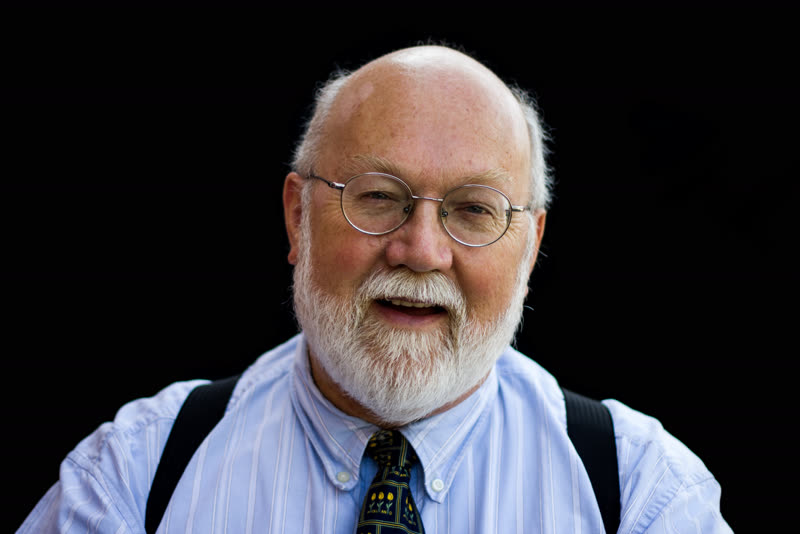 Tim Pasma Sunday AM Genesis April 3, 2016
Main passage Genesis 31:1-55
📖 Read the Scripture passage (ESV)
Genesis 31.1-55(ESV)
31 Now Jacob heard that the sons of Laban were saying, “Jacob has taken all that was our father's, and from what was our father's he has gained all this wealth.” 2 And Jacob saw that Laban did not regard him with favor as before. 3 Then the Lord said to Jacob, “Return to the land of your fathers and to your kindred, and I will be with you.”
4 So Jacob sent and called Rachel and Leah into the field where his flock was 5 and said to them, “I see that your father does not regard me with favor as he did before. But the God of my father has been with me. 6 You know that I have served your father with all my strength, 7 yet your father has cheated me and changed my wages ten times. But God did not permit him to harm me. 8 If he said, ‘The spotted shall be your wages,’ then all the flock bore spotted; and if he said, ‘The striped shall be your wages,’ then all the flock bore striped. 9 Thus God has taken away the livestock of your father and given them to me. 10 In the breeding season of the flock I lifted up my eyes and saw in a dream that the goats that mated with the flock were striped, spotted, and mottled. 11 Then the angel of God said to me in the dream, ‘Jacob,’ and I said, ‘Here I am!’ 12 And he said, ‘Lift up your eyes and see, all the goats that mate with the flock are striped, spotted, and mottled, for I have seen all that Laban is doing to you. 13 I am the God of Bethel, where you anointed a pillar and made a vow to me. Now arise, go out from this land and return to the land of your kindred.’” 14 Then Rachel and Leah answered and said to him, “Is there any portion or inheritance left to us in our father's house? 15 Are we not regarded by him as foreigners? For he has sold us, and he has indeed devoured our money. 16 All the wealth that God has taken away from our father belongs to us and to our children. Now then, whatever God has said to you, do.”
17 So Jacob arose and set his sons and his wives on camels. 18 He drove away all his livestock, all his property that he had gained, the livestock in his possession that he had acquired in Paddan-aram, to go to the land of Canaan to his father Isaac. 19 Laban had gone to shear his sheep, and Rachel stole her father's household gods. 20 And Jacob tricked Laban the Aramean, by not telling him that he intended to flee. 21 He fled with all that he had and arose and crossed the Euphrates, and set his face toward the hill country of Gilead.
22 When it was told Laban on the third day that Jacob had fled, 23 he took his kinsmen with him and pursued him for seven days and followed close after him into the hill country of Gilead. 24 But God came to Laban the Aramean in a dream by night and said to him, “Be careful not to say anything to Jacob, either good or bad.”
25 And Laban overtook Jacob. Now Jacob had pitched his tent in the hill country, and Laban with his kinsmen pitched tents in the hill country of Gilead. 26 And Laban said to Jacob, “What have you done, that you have tricked me and driven away my daughters like captives of the sword? 27 Why did you flee secretly and trick me, and did not tell me, so that I might have sent you away with mirth and songs, with tambourine and lyre? 28 And why did you not permit me to kiss my sons and my daughters farewell? Now you have done foolishly. 29 It is in my power to do you harm. But the God of your father spoke to me last night, saying, ‘Be careful not to say anything to Jacob, either good or bad.’ 30 And now you have gone away because you longed greatly for your father's house, but why did you steal my gods?” 31 Jacob answered and said to Laban, “Because I was afraid, for I thought that you would take your daughters from me by force. 32 Anyone with whom you find your gods shall not live. In the presence of our kinsmen point out what I have that is yours, and take it.” Now Jacob did not know that Rachel had stolen them.
33 So Laban went into Jacob's tent and into Leah's tent and into the tent of the two female servants, but he did not find them. And he went out of Leah's tent and entered Rachel's. 34 Now Rachel had taken the household gods and put them in the camel's saddle and sat on them. Laban felt all about the tent, but did not find them. 35 And she said to her father, “Let not my lord be angry that I cannot rise before you, for the way of women is upon me.” So he searched but did not find the household gods.
36 Then Jacob became angry and berated Laban. Jacob said to Laban, “What is my offense? What is my sin, that you have hotly pursued me? 37 For you have felt through all my goods; what have you found of all your household goods? Set it here before my kinsmen and your kinsmen, that they may decide between us two. 38 These twenty years I have been with you. Your ewes and your female goats have not miscarried, and I have not eaten the rams of your flocks. 39 What was torn by wild beasts I did not bring to you. I bore the loss of it myself. From my hand you required it, whether stolen by day or stolen by night. 40 There I was: by day the heat consumed me, and the cold by night, and my sleep fled from my eyes. 41 These twenty years I have been in your house. I served you fourteen years for your two daughters, and six years for your flock, and you have changed my wages ten times. 42 If the God of my father, the God of Abraham and the Fear of Isaac, had not been on my side, surely now you would have sent me away empty-handed. God saw my affliction and the labor of my hands and rebuked you last night.”
43 Then Laban answered and said to Jacob, “The daughters are my daughters, the children are my children, the flocks are my flocks, and all that you see is mine. But what can I do this day for these my daughters or for their children whom they have borne? 44 Come now, let us make a covenant, you and I. And let it be a witness between you and me.” 45 So Jacob took a stone and set it up as a pillar. 46 And Jacob said to his kinsmen, “Gather stones.” And they took stones and made a heap, and they ate there by the heap. 47 Laban called it Jegar-sahadutha, but Jacob called it Galeed. 48 Laban said, “This heap is a witness between you and me today.” Therefore he named it Galeed, 49 and Mizpah, for he said, “The Lord watch between you and me, when we are out of one another's sight. 50 If you oppress my daughters, or if you take wives besides my daughters, although no one is with us, see, God is witness between you and me.”
51 Then Laban said to Jacob, “See this heap and the pillar, which I have set between you and me. 52 This heap is a witness, and the pillar is a witness, that I will not pass over this heap to you, and you will not pass over this heap and this pillar to me, to do harm. 53 The God of Abraham and the God of Nahor, the God of their father, judge between us.” So Jacob swore by the Fear of his father Isaac, 54 and Jacob offered a sacrifice in the hill country and called his kinsmen to eat bread. They ate bread and spent the night in the hill country.
55 Early in the morning Laban arose and kissed his grandchildren and his daughters and blessed them. Then Laban departed and returned home.
Transcript
Take your Bibles once more and turn to Genesis chapter 31. I was commenting to my family or whoever was there at the time that I've really enjoyed this study in the book of Genesis because I'm learning things I never saw before and I don't think I'm reading things into it. I think I'm finally paying attention to the details and understanding what exactly this book is about.
And it's been an exciting trip for me, exciting journey for me. And so I hope you have the same excitement. And, you know, as we look at these stories, you know, of animal husbandry and babies abounding, and now the separation of Jacob and Laban, I begin to see why those are there. and beginning to see why God has revealed those things to us. And I hope that you're finding the same thing that I am, that I'm getting a better view of God and a better view of how we ought to live from studying this book of Genesis.
Well, before we begin again, let's pray and ask God to use this time to speak to us. Father, this is your word, not ours. It's not the opinion of men, but the very word of God. Give us ears to hear. Help us to listen. Give us hearts that will embrace the truth of the scriptures.
Father, I beg you, help us to worship you now by listening and by committing to believing what you have told us. And we will thank you in Jesus' name. Amen. Last year, when the campaign for president became serious, all the Republican candidates were asked if they would sign a pledge, that is, if they would promise that whoever the nominee was going to be, the rest would support him.
This last week, a CNN reporter asked the remaining candidates if they were going to keep that pledge. All three said they didn't think they had to any longer. I'm not here to debate whether that's a good thing or not or anything like that or to dive into politics. That not why I occupy this pulpit But I am going to ask this question When God makes a pledge when God makes a covenant do you ever doubt whether he going to keep it Do you think God going to keep his word if you set it down and said this is what I going to do Do you think that sometime later if we say, God, is that still true?
And he says, you know, things have changed. I'm just not exactly on board with that any longer. No. But that's where our story begins this morning. That's what it's about. You should bank on the fact that God will remain faithful to his promises.
He will not back out of his covenant. And what unfolds here is a magnificent display of what happens when God remains faithful to the promises that he has made. Again, we've seen this over and over and over, as every narrative that we come to seems to be about the faithfulness of God. in protecting and encouraging and making sure that the seed that comes through Abraham is going to bless all the nations.
And once more, a little part of that story comes in, we can put together now to see how God accomplishes that. And he does it here in this rather uncivil separation between Jacob and Laban. You follow along. Yes, we're going to read the entire chapter. as I begin reading in verse 25 through 55. And Laban overtook Jacob. Now Jacob had pitched his tent in the hill country, and Laban with his kinsmen pitched tents in the hill country of Gilead.
And Laban said to Jacob, What have you done that you have tricked me and driven away my daughters like captives of the sword? Why did you flee secretly and trick me and did not tell me so that I might have sent you away with mirth and songs, with tambourine and lyre. And why did you not permit me to kiss my sons and my daughters farewell? Now you have done foolishly.
It is in my power to do you harm. But the God of your father spoke to me last night, saying, Be careful not to say anything to Jacob, either good or bad. And now you have gone away, because you long greatly for your father's house. But why did you steal my gods? Jacob answered and said to Laban, Because I was afraid, for I thought you would take your daughters from me by force.
Anyone with whom you find your gods shall not live In the presence of our kinsmen point out what I have that is yours and take it Now Jacob did not know that Rachel had stolen them So Laban went into Jacob's tent and into Leah's tent and into the tent of the two female servants. But he did not find them. And he went out of Leah's tent and entered Rachel's.
Now Rachel had taken the household gods and put them in the camel's saddle and sat on them. Laban felt all about the tent, but did not find them. And she said to her father, Let not my Lord be angry that I cannot rise before you, for the way of women is upon me. So he searched, but did not find the household gods. Then Jacob became angry and berated Laban.
Jacob said to Laban, What is my offense? What is my sin that you have hotly pursued me? For you have felt through all my goods. What have you found of all your household goods? Set it here before my kinsmen and your kinsmen, that they may decide between us two. These twenty years I've been with you.
Your ewes and your female goats have not miscarried, and I've not eaten the rams of your flocks. What was torn by wild beasts I did not bring to you. I bore the loss of it myself. From my hand you required it, whether stolen by day or stolen by night. There I was. By day the heat consumed me, and the cold by night, and my sleep fled from my eyes.
Those twenty years I've been in your house. I served you fourteen years for your two daughters, and six years for your flock, and you've changed my wages ten times. If the God of my father, the God of Abraham, and the fear of Isaac had not been on my side, surely now you would have sent me away empty-handed. God saw my affliction and the labor of my hands, and rebuked you last night. then Laban answered and said to Jacob the daughters are my daughters the children are my children the flocks are my flocks and all that you see is mine but what can I do this day for these my daughters or for their children whom they have born come now let us make a covenant you and I and let it be a witness between you and me so Jacob took a stone and set it up as a pillar and Jacob said to his kinsmen gather stones and they took stones and made a heap and they ate there by the heap.
Laban called it Jagir Shahaduta but Jacob called it Galid Laban said This heap is a witness between you and me today Therefore he named it Galid and Mizpah For he said the Lord watched between you and me when we are out of one another's sight. If you oppress my daughters or if you take wives besides my daughters, although no one is with us, God is witness between you and me. Then Laban said to Jacob, see this heap and the pillar which I have set before you and me.
This heap is a witness and the pillar is a witness that I will not pass over this heap to you. And you will not pass over this heap and this pillar to me to do harm. The God of Abraham and the gods of Nahor, the gods of their father, judged between us. So Jacob swore by the fear of his father Isaac. And Jacob offered a sacrifice in the hill country and called his kinsmen to eat bread.
They ate bread and spent the night in the hill country. Early in the morning, Laban arose and kissed his grandchildren and his daughters and blessed them. Then Laban departed and returned home. Such is the story of the separation of these two men. Now, if you'd understand what happens in this chapter, we need to do a little bit of reviewing. God had made some promises to Abraham that he later incorporated into a covenant.
You find those promises in Genesis 12. So I want you to turn to Genesis 12, the key passage in the scriptures in this book. Genesis 12, and I want you to note carefully the promises God made to Abraham as they started their relationship together. Verse 2, And I will make of you a great nation, and I will bless you and make your name great, so that you will be a blessing.
I will bless those who bless you, and him who dishonors you I will curse, and in you all the families of the earth shall be blessed. Central to the Abrahamic promises is the seed that will be a blessing to all the nations. But crucial to fulfilling that are also the promises of making his name great so he'll be a blessing, and blessing those who bless Abraham and his descendants, and cursing those who curse Abraham and his descendants.
Now you see this then played out in the life of Abraham and Isaac, in the great prosperity that God gave them, the great names he gave each of them. You also see God's protection. He protected Abraham and Isaac. Egypt, he protected him when he went against the Mesopotamian cities, and he protected him when he was in Philistine country. And you notice the same thing with Isaac.
He protected Isaac when a generation later, he also was protected from the designs of Abimelech. Now, you remember that Jacob runs away as we advance in the story, and you remember Jacob looks anything but a child of this covenant, right? He's a deceptive man who doesn't even seem to recognize the God of his fathers at the time. He doesn't seem to care about any of that.
But you recall that God met him at Bethel, and in a dream he revealed himself to him. So turn to Genesis 28, and you notice that God makes a promise to him as well. Start reading with me in verse 13. And behold, the Lord stood above it, that is that great stairway, and said, I am the Lord, the God of Abraham your father, and the God of Isaac. The land on which you lie I will give to you and to your offspring.
Again, I forgot to read that promises in Genesis 12, verse 7. Your offspring shall be like the dust of the earth, and you shall spread abroad to the west and to the east and to the north and to the south. And in you and your offspring shall all the families of the earth be blessed. Behold, I am with you. And will keep you wherever you go and will bring you back to this land.
For I will not leave you until I've done what I've promised you. Now what does he do here? You recall, notice again that the promises that God made to Abraham are now repeated to Jacob. And there is what I call in verse 15 the Jacob promise. It seems to be a unique thing to Jacob. But what it is, the Jacob promise in verse 15.
Behold, I am with you and will keep you wherever you go and will bring you back to this land for I'll not leave you until I've done what I've promised. That Jacob promise is the same promise about protection. It's a reiteration, a repeat of that idea that anybody touches you, they'll be in trouble. Anybody dishonors you, I'll curse them. Anybody who does you right, I will bless them.
So that's what he's saying to Jacob there. and in response Jacob makes a vow to God to return to this land pick it up at verse 18 so early in the morning Jacob took the stone that he had put under his head and set it up for a pillar and poured oil on the top of it He called the name of that place Bethel but the name of the city was Luz at first Then Jacob made a vow saying, If God will be with me and will keep me in this way that I go, and will give me bread to eat and clothing to wear, so that I come again to my father's house in peace, the Lord shall be my God. then this stone which I have set up for a pillar shall be God's house. And of all that you give me, I will give a full tenth to you. So in response, Jacob makes his vow to return to this place and the promised land.
With that in mind then, with those promises in mind, the scene opens here on this next chapter on Jacob's faith journey. And with the story unfolding before you, here's what God tells you to do. God calls you to believe that he will always keep his promises. Now, in this case, some particular promises. Here's the first. Believe that God protects and prospers you in adversity.
Be convinced, believe that God protects and prospers you in adversity. Now, I'm not going to read the whole story over again as I make reference to these verses. I'll leave you to that. But let's recount the story. An atmosphere of hostility has now descended on Laban's household. Jacob overhears or receives a report that Laban's sons are saying that he's wealthy because he's been stealing from their father.
He also sees a change in Laban toward him. Laban is acting unfavorably now toward him. And of course, he puts two and two together. Laban must be believing the scandalous lie by his sons. Now, while all that happens, God tells Jacob to return home. So Jacob calls his wives into a field, into a field where no one else can hear them, where there won't be any eavesdropping going on, so he can safely talk to them.
And in that conversation, Jacob recalls how God remained faithful to his promise. He said, Laban may be hostile, but what? God was with me. God was with me. God protected me, he says. In the last part of verse 7 God did not permit him to harm me God protected me Laban has not harmed me even though he changed my wages ten times.
Now, it doesn't mean that he did it ten times. That's the Hebrew idiom. Like, if I've told you once, I've told you a million times, or a hundred times, or whatever. I use million. I exaggerate more. But I've told you this a hundred times.
In other words, countless times. So he's saying, I've not been harmed. Even though your father has done this to me countless times. God not only protected me, but he has prospered me. Right? Thus, God has taken away the livestock of your father and given them to me.
He has prospered me. Not just protected me. he's the one who gave me all the spotted and streaked livestock. Jacob, notice here, Jacob, as opposed to the previous chapter now, where it just talks, an observer looks at that and sees what Jacob did, this genetic engineering that he did in order to get the flocks that he wanted. Jacob realizes that no matter how hard he worked and no matter how smart he was in his genetic engineering, God gets the credit for all his prosperity.
He clearly says that. In fact, he says, it was God's idea to begin with that I would put these spotted livestock together. It was him who gave me the idea. I didn't come up with that on my own. God gave me that idea. Now, his wives are surprisingly united in their agreement for the first time in their married lives.
They're in agreement. Our father has treated us poorly. He's treated us like property, and now he's treating us like foreigners, as if we're not even part of the family. And so they agree to go on this dangerous journey and leave their homeland and its comforts behind. You should also see that they too acknowledge that God has orchestrated Jacob's prosperity and Laban's bad fortunes.
You see that in verse 16. All the wealth that God has taken away from our father belongs to us and to our children. And now then whatever God has said to you do They recognize as well that God is behind it all About in typical Jacob style Right We all need to grow somewhere. Jacob, just that idea of, you know, manipulating, just is so much a part of his blood still, that he sneaks away.
He leaves while Laban and the majority of the men are way off shearing the sheep. He takes off. And he gets a three-day jump on Laban. They're gone three days before Laban ever finds out. But on top of that, Rachel steals the household gods, unbeknownst to Jacob. Now, in that culture, that's a capital offense.
You're going to die if you do that. And that was a very rash action. Now, these are not necessarily objects of devotion, but guarantors of an inheritance. in some of the archaeology and things they've done there's a one place called Newsy which was a terrific archaeological find some decades ago I mean I remember in seminary I was hearing about the Newsy tablets okay it's just this unearthed all these tablets and you get a huge window into the culture in which Abraham lived or or around and there they found out that to possess the household gods gave you a claim on the inheritance.
So Rachel's not taking these so much as objects of devotion, but as guarantors of an inheritance. So later they could come back and claim some things from Laban. What do we find here? You find that God keeps his promise of prosperity and protection in adversity. Again, here's what always helps when you read the book of Genesis. Who are the first ones to hear this story?
Who are the first ones to hear this story? They're the Israelites on their way to Canaan. And what does God want them to understand? God wants them to understand that God calls them to go to a land, just like He did with Jacob. And they're leaving what? Tremendous adversity.
And they're walking into what? Great danger. And so he wants them to see that in adversity and danger, God will keep his promise of prosperity. prosperity and protection that he made to Abraham and all his descendants. You see? You see, Jacob had suffered 20 years of adversity. 20 years of adversity.
You know, we're crying when we face two weeks of adversity. He's gone through literally 20 years of adversity, and God remains faithful to his promise. Do you see that? God made him prosper that God God is the one behind his prosperity he also protected Jacob Laban had what Laban had dishonored Jacob and so God curses Laban in fulfillment of the promises he had made Laban loses his comfortable lifestyle his prosperity begins to evaporate Jacob's prosperity is growing Laban's prosperity is what?
It's going down He's hitting some hard economic times while his son-in-law is really doing well Notice as well what happens as God keeps his promise As he fulfills this promise he meets out justice Ever think about that? As God keeps his promise to us in our adversity, or when he's going to fulfill that promise, justice is coming with it. It took 20 years.
It took 20 years. But God told Jacob, I will be with you. And he kept that promise. And now justice, the justice of God is being felt here. The justice of God is displayed. You also cannot help but notice, and i think this is as god is at work here's what you notice you notice that jacob becomes more of a man of faith i don't know if you see it there's a tremendous change in the man in this chapter he takes the spiritual leadership of his family remember what happened when he didn't take spiritual leadership all the horrors that came now he's taking spiritual leadership because he's calling his wives He openly telling them about what God is doing and he is encouraging them to take action based on the promises of God Here a man of faith He openly talks about God He openly gives credit to God He openly talks to God with his wives and encourages them to go in the way that God has said.
And not only that, but like Abraham before him, he's leaving a land where he's comfortable and going to another land based on the promise of God. he's stepping out in obedient faith don't miss that something's happening in this man's life what's the point you must believe God's promise of prosperity and protection to his people in adversity to you you gotta believe the promise of God the promise of prosperity and protection for you say wait a minute none of us are rich here well let's think about this turn to first peter chapter three first peter chapter three you remember first peter three is written to people god's people who are suffering written to people who are suffering persecution written to people who are being persecuted by the government beaten by their bosses and wives who are living having a hard life with unbelieving husbands and after he's lined all that out all the horrible things that are happening he says this in chapter 3 verse 13 now who is there to harm you if you are zealous for what is good but even if you should suffer for righteousness sake you will be blessed now i remember the first time i studied that i can remember sitting in my office saying what are you talking about god just in the previous chapter you're talking about slaves getting beaten. Now you say no harm is going to come to you. What is that about?
You can be beaten, but no lasting harm will be yours if you are zealous to do good. God will protect you. You know, we talk a lot about all the horrible things that happen and the psychological damage. God says, as you focus on Christ and what he's done, and you're zealous for good, no harm will come to you. God will protect you. He won't protect you maybe from physical suffering, but he'll protect you from the suffering that really counts.
You won't become a basket case. You won become a victim If you zealous to do good if you are zealous to do good Some of you are facing adverse circumstances right now Right It may be at a job Guess what No one going to harm you But I lose my job It not going to make a lasting dent on you God going to keep you from harm if you're zealous for good, if you're zealous in following Him. You see?
He's going to protect you. What about, okay, what about prosperity? What about prosperity? So if I do that, should I expect my bank roll, my bank account to start suddenly, I open up my bank statement and there's more money in it? No. But I want to show you real prosperity.
So turn over to Matthew chapter 5. You want to see prosperity that we have? You want to see how God prospers you? Matthew chapter 5. I'll show you prosperity. Matthew 5, verse 2.
And He opened His mouth and taught them, saying, Blessed are the poor in spirit, for theirs is what? The kingdom of heaven. Blessed are those who mourn for what? They're going to be comforted. Blessed are the meek, because what? They're going to get the whole earth.
Right? Blessed are those who hunger and thirst for righteousness, for they'll what? Be satisfied. Blessed are the merciful, for they will receive mercy. Blessed are the pure in heart, for they what? They'll see God.
Blessed are the peacemakers, they'll be called what? Blessed are those who are persecuted for righteousness' sake, for theirs is the kingdom of heaven. There is prosperity. you're in adversity now but God has promised you protection and prosperity you need to believe that you need to believe that God's going to keep his promise to you and your adversity, whatever it is God promises prosperity and protection real protection and real prosperity now let's go on in this story the next point I think God makes is believe that God protects and prospers you in danger.
Be convinced that God protects and prospers you in danger. Now three days later Laban hears of their departure and he pursues them with the intent to do violence Because later he says I came to do you harm And the terms that are used here of pursuit okay the terms that are used here, pursued him, followed close after him, are militaristic terms. They're not used in normally like I followed him. he's pursuing them like a military force.
He's intent on doing harm to Jacob for the things that he sees he's wronged him. And after seven days his forces catch up to Jacob. But before he can take his vengeance what happens? God appears to him in a dream and says don't even try to harm Jacob because if you do you'll deal with me. I'm paraphrasing it a little bit. But that's essentially what he said.
I mean, it's a threat to Laban. And by the way, when it says, don't say anything evil, in the Old Testament, word and deed are so closely tied together that to say harm means you're going to do harm. So don't even mess with Jacob. And so at the two camps some distance apart, Laban's forces storm into Jacob's camp. And Laban makes a fool of himself. Do you see what he says here?
You tricked me. What? Are you kidding? Oh, look at me. I'm so aggrieved. You tricked me.
This is a guy that's changed his wages, who's deceived him all along in his whole career for the last 20 years. You tricked me. I'm really mad come on you've driven away my daughters what did you notice his daughters here they said we're with you let's get out of here why because our dad doesn't care for us so Laban don't come talking like you're this grieved father who's lost his daughters you don't care about your daughters.
And then he says, you robbed me of the opportunity of giving you a going away party. This is the guy who won't let Jacob go anywhere because he feels, he thinks he's his meal ticket, right? Like he would give him a going away party. Please. Give me a break. I could have kissed my family.
His family, right? The ones who don't care for him at all. And he didn't seem to care for them. But he does have a major accusation, and that is this. You stole my gods. You stole my gods.
Again, he's not worried about objects of worship. he's worried about Jacob showing up someday and saying I want more I want the inheritance now Rachel was rash in her action Jacob is rash in his vow right okay if we got it whoever took him kill him it's fine go ahead and do that because Jacob was convinced that wasn't true. But guess what? God is with him.
He's going to protect him. And even though his wife did steal those objects, for the sake of his promise, God protects them. Now Laban tears the place apart. You notice that Jacob says, you felt all about the tent, or you felt all about the tent, and it describes Laban as doing that. He tore the place apart. Now Rachel is sitting there on the camel.
You don't have to debate how to say this. Because some of you may not get what he's saying here. What she's saying, what she says is, I'd stand up, but I'm in the middle of my menstrual cycle. Okay, we'll leave it at that. I'd stand up except for that. Now by the way, that says something about Rachel and what she thought about those idols.
You know what she's done? By sitting on them in her condition, she has defiled them. The fact that she's even sitting on them says something. But in her condition, she's absolutely defiled them. And this willful defilement shows that she sees them as contemptuous, not as some sort of gods that can do anything for them. I don think Rachel stole those gods because she isn convinced about the Lord Yahweh I don think she taken them because she still hanging on to the old life I don think that at all And that clear from the fact that she sitting on them in the condition that she in Okay?
It did come in handy, though, to say, I'm not going to get up. Okay, Dad? Is that alright? Now, it's Jacob's turn to make his case. This is like a law case, okay? They've got the families there.
And in those days, they didn't have all these law courts. What they would do is they'd say, present your case and we'll decide. Now Jacob is furious. Jacob is absolutely furious as he makes his case. You would think at this point he'd be frightened. You think he'd be frightened because Laban's come with a huge force. however i believe this is a rage driven by faith this is a rage driven by faith believing that god is with him he makes his case before the families he says you've made some pretty serious accusations and they've proven completely false i've worked 20 years for you 20 lousy years where you never paid me for my losses.
I never turned in my losses to you. Whatever I did lose and you knew about it, you made me pay, which wasn't what you did with shepherds, right? That's part of what happens on their jobs. You lose some things. You don't make them pay, but he did. You made me pay and I never took a thing from you.
But the awesome one of Isaac, the one who should be feared, is my God. And he has seen my affliction and he's the one who warned you. Again, words of faith from a man who before was not a man of faith. He claims this one as his God. now what's the point again you see God keeping his promise of protection in the midst of great danger he intervenes and rescues these people by the means of a dream by the way bells should be going off in your head who else has he done this for twice for Abraham one for Isaac Pharaoh had a dream Abimelech had a dream Isaac Abimelech had a dream God intervened clearly in those cases and he does the same thing here Now what's also interesting here, this is kind of a sideline, a footnote.
What you see here is the irrationality of sin. here's how even after hearing directly from God even after hearing directly from God that you don't mess with Jacob after hearing directly from this God who which condemns him and vindicates Jacob what does he do in verse 43 you see that he's still deluded the daughters are my daughters the children are my children the flocks are my flocks and all that you see is mine this is stupidity this is delusional but that's the way sin operates folks here is a living example that sin brings delusion this is total irrationality but when sin has the grip you're completely blind you cannot see the obvious you cannot see the obvious his greed Laban's greed lost him everything and he still doesn't get it no apologies here just the continued claim that it all belongs to him now never forget that when you say about your unbelieving co-workers i don't get it they just don't get it no they don't because sin completely blinds them sin completely blinds them you know i've had opportunity in recent months to talk to some young atheists and other people have been there and they said i don't get it why didn't what you said was so true, and they just don't get it. And my response is, I can argue all day long until the Holy Spirit opens their eyes. They still going to They still going to say it doesn make any sense to me It so obvious Sin blinds completely Again, what is God saying?
You must believe that God promises protection and prosperity to His people in danger. You know, during your lifetime, God has protected you more than you will ever know. I know God's protected me many times. And I'm sure there's plenty where I don't know. But I want you to look at what we saw as our scripture reading this morning. Turn to 2 Timothy.
Fascinating words by the Apostle Paul. Paul knows he's going to die. There's no doubt in his mind he's going to die. And notice the words he uses in 2 Timothy 4, 17-18. but the Lord is saying no one stood with me at my defense everyone abandoned me but the Lord stood by me and strengthened me so that through me the message might be fully proclaimed and all the Gentiles might hear it so I was rescued from the lion's mouth so I've been rescued from some suffering from danger the Lord no will rescue me from every evil deed and what?
Bring me safely into his heavenly kingdom. To him be the glory forever and ever. Amen. He's going to die and yet he believes that God's going to protect him. How? He's going to take him to his heavenly kingdom.
Someone may kill you. Are you still protected? Absolutely. That's the kind of protection that God gives us. Did he not do that with Jesus? Yes, he did.
The one who blazed the trail ahead of us, he did it with him as well. The last point, the last few verses. Believe that God protects and prospers you by vindicating you. He vindicates you. Still complaining, still blind to his greed, Laban proposes a non-aggression pact. now this involved invoking witnesses with signs that remind you of witnesses this is a lot like our communion service First note, witnesses, invoking witnesses.
All right? This is the sign of that. Notice, there's a sacrifice. In the covenant that God made with us, there was a sacrifice. Last thing, third thing, they ate a meal together. There's a reason why this is eating.
It shows us the covenant that God has made with us. He's a witness. There's a sacrifice and we eat. But this is the covenant that Laban proposes. And what's the point? The point is simply this.
This recognized Jacob's independence. What Laban is saying is, by initiating this covenant, Laban knows he's lost the argument. He now sees, however reluctantly, that Jacob is his equal. Jacob is independent and he is his equal now again we've seen this before you remember Abraham and Abimelech and a generation later Isaac and his Abimelech what did they do they offered non-aggression pacts in which they recognized Abraham and Isaac as equal in stature as great men God's keeping his promise here he's vindicating Jacob and again the narrator recounts the faith of Jacob once again you notice I changed the reading a little bit on verse 53 It says the God of Abraham and the God of Nahor the God of their father judged between us In the Hebrew, that word judge is in the plural.
Now, we don't quite do it the same in English, but that's a plural. So what he's saying here is not saying one God, he's saying your God and these gods, the ones I have, they're the ones who are going to watch over. But Jacob only swears by one God. Who is it? The fear of Isaac. Jacob once more publicly, publicly is saying, the God of Isaac is my God.
He does not equate the God of Abraham with the God of Nahor and instead swears by the awesome one of Isaac. Jacob openly declares this God as his God as he swears only in his name. And so Laban leaves, severing forever his connection with Jacob. Kisses everybody and then he's gone. Now, what's the point? You already know.
God keeps his promise of protection and prosperity by vindicating you. After all is said and done, God vindicates Jacob. After all is said and done, God is going to vindicate his people. Now there all kinds of passages but the one that always stands out in my mind is found in 1 John chapter 3 You must believe that God protects and prospers by vindicating you.
1 John chapter 3, verse 1, see what kind of love the Father has given to us that we should be called children of God. And so we are. The reason why the world does not know us is that it did not know Him. Beloved, we are God's children now. And what we will be has not yet appeared. But we know that when He appears, we shall be like Him because we shall see Him as He is.
The world doesn't see us as children of God. They see us as bigots. They see us as hate mongers. they look at us and turn the right and wrong on its head and say, you people are evil. They do not call us the children of God. But there's coming a day when that will be clear to all men. God will vindicate us.
How do I know that's going to happen? You know how I know it's going to happen? Because there's a guarantee His name is Jesus. They said he was a blasphemer. They said he was evil. And what happened to all those accusations?
They disappeared in the light of his resurrection. God vindicated him Elevated him to the right hand of God God vindicated him and he do the same thing with his people What's the point? Here it is. In the midst of adversity, danger, and accusation, God will keep his promises to his people. You here, I know some of you are, and some of you aren't. That I don't know anything about.
You're in the midst of adversity. You may even be in danger. That you have a God who has promised prosperity and protection to you. Do you believe that? Do you believe that? You must believe it because God stands behind it.
You must believe it because He gave His Son as a guarantee that all the promises He made, He will fulfill. God has promised you prosperity and protection. You have to believe that. Father, thank you. once more for your word, which opens up the way everything works and gives us insight into not only how everything should work, but gives us insight into you.
And we see again that you are faithful. We see again that you will keep your promise. God, help us now. I pray that we would leave here with whatever adversity, whatever danger, whatever is out there, that we will believe that you have made promises of prosperity and protection, that you will vindicate us even. God, thank you for your word this morning.
Give us hope in your promises, we pray. In Jesus' name, amen.
Also referenced in this sermon
Other passages mentioned, beyond the main text.