Faith Faces The "Enemy"
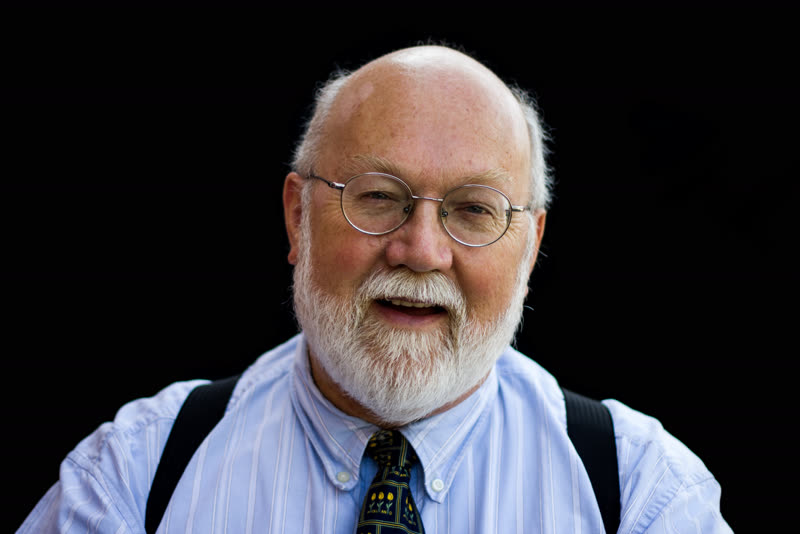 Tim Pasma Sunday AM Genesis May 22, 2016
Main passage Genesis 33:1-17
📖 Read the Scripture passage (ESV)
Genesis 33.1-17(ESV)
33 And Jacob lifted up his eyes and looked, and behold, Esau was coming, and four hundred men with him. So he divided the children among Leah and Rachel and the two female servants. 2 And he put the servants with their children in front, then Leah with her children, and Rachel and Joseph last of all. 3 He himself went on before them, bowing himself to the ground seven times, until he came near to his brother.
4 But Esau ran to meet him and embraced him and fell on his neck and kissed him, and they wept. 5 And when Esau lifted up his eyes and saw the women and children, he said, “Who are these with you?” Jacob said, “The children whom God has graciously given your servant.” 6 Then the servants drew near, they and their children, and bowed down. 7 Leah likewise and her children drew near and bowed down. And last Joseph and Rachel drew near, and they bowed down. 8 Esau said, “What do you mean by all this company that I met?” Jacob answered, “To find favor in the sight of my lord.” 9 But Esau said, “I have enough, my brother; keep what you have for yourself.” 10 Jacob said, “No, please, if I have found favor in your sight, then accept my present from my hand. For I have seen your face, which is like seeing the face of God, and you have accepted me. 11 Please accept my blessing that is brought to you, because God has dealt graciously with me, and because I have enough.” Thus he urged him, and he took it.
12 Then Esau said, “Let us journey on our way, and I will go ahead of you.” 13 But Jacob said to him, “My lord knows that the children are frail, and that the nursing flocks and herds are a care to me. If they are driven hard for one day, all the flocks will die. 14 Let my lord pass on ahead of his servant, and I will lead on slowly, at the pace of the livestock that are ahead of me and at the pace of the children, until I come to my lord in Seir.”
15 So Esau said, “Let me leave with you some of the people who are with me.” But he said, “What need is there? Let me find favor in the sight of my lord.” 16 So Esau returned that day on his way to Seir. 17 But Jacob journeyed to Succoth, and built himself a house and made booths for his livestock. Therefore the name of the place is called Succoth
Transcript
Take your Bibles and turn with me to Genesis chapter 33. Genesis chapter 33. Before we look into the Word of God, let's pray together. Father, we are a people who need to hear you speak to us. We confess to you that we are not wise enough to know how to navigate in this foolish fallen world unless you tell us how to do that. We are thankful that over the centuries you have taken your word and put it in this book and that this book before us gives us the very mind of God and tells us how we ought to live, how we ought to love men, how we ought to love you, how we ought to understand, and how we ought to obey.
And so I pray now that as we look into your word, you would guide our thinking and that you would help us, you would change us, transform us into people of faith. keep building our faith we pray as we walk with the people in this book thank you now in jesus name amen there's no putting it off any longer for 20 years jacob has been avoiding this meeting the brother who swore to kill him for stealing the blessing. But it's no longer Jacob meeting Esau. It is Israel who limps into the morning and it's Israel who limps out to meet his sworn enemy.
It is Israel, the man who has striven with God and with men and has prevailed. It is Israel who has prevailed with God through brokenness and dogged dependence. It is Israel who must now meet his enemy without any tricks and without any schemes. It is Israel who meets his brother with nothing but faith in the promises of God. Faith must now finally face the enemy. and in this chapter chapter 33 of the book of genesis god challenges us again to live by faith to live by faith in the most difficult and dangerous of circumstances now this is more this is no mere story about the the meeting of two brothers who have bad blood between them God intends to encourage you to approach the most difficult of circumstances by faith, to prevail with God and with men with nothing more than a bare reliance on his promises.
Let's see what that looks like. Genesis chapter 33, verses 1 through 17. And Jacob lifted up his eyes and looked, and behold, Esau was coming, and four hundred men with him. So he divided the children among Leah and Rachel and the two female servants. And he put the servants with their children in front, then Leah with her children, and Rachel and Joseph last of all.
He himself went on before them, bowing himself to the ground seven times until he came near to his brother. But Esau ran to meet him and embraced him and fell on his neck and kissed him, and they wept. And when Esau lifted up his eyes and saw the women and children, he said, who are these with you? Jacob said, the children whom God has graciously given your servant.
Then the servants drew near, they and their children, and bowed down. Leah likewise and her children drew near and bowed down. And last, Joseph and Rachel drew near and they bowed down. Esau said what do you mean by all this company that I met Jacob answered to find favor in the sight of my lord but Esau said I have enough my brother keep what you have for yourself Jacob said no please if I have found favor in your sight then accept my present from my hand for I have seen your face which is like seeing the face of God and you have accepted me please Please accept my blessing that is brought to you, because God has dealt graciously with me, and because I have enough.
Thus he urged him, and he took it. Then Esau said, Let us journey on our way, and I will go ahead of you. But Jacob said to him, My Lord knows that the children are frail, and that the nursing flocks and herds are a care to me. If they are driven hard for one day, all the flocks will die. Let my Lord pass on ahead of his servant, and I will lead on slowly at the pace of the livestock that are ahead of me and at the pace of the children until I come to see my Lord in Seir.
So Esau said, Let me leave with you some of the people who are with me. But he said, What need is there? Let me find favor in the sight of my Lord. So Esau returned that day on his way to Seir. But Jacob journeyed to Sukkoth and built himself a house and made booths for his livestock. Therefore, the name of the place is called Sukkoth.
Well, what does faith encourage in you when you're face to face with an enemy? What does it encourage in you? What does it build in you? What does it help you to do? Well the first thing I want you to see as we look in this text I don think I reading into it I think this is exactly what God wants us to see and that is that faith encourages in you reconciliation We see that in the first 11 verses.
Faith encourages in you reconciliation. Now you can see Jacob's repentance in the gifts and the messengers that he has sent ahead the day before. He is truly sorry for what he has done to his brother Esau. Now as he comes up over the hill and looks up over the plain, he can see that great body of armed men coming toward him, Esau and his regiment. Now not knowing, remember he doesn't know whether they intend good or evil.
He does not know whether this is an escort or an attack party. He knows nothing. And not knowing that, he divides his two camps again. He puts the two servants, Bilhah and Zilpah, and their children in one group that lead them out. Then Leah and her children in the second group. And then finally Rachel and Joseph in the last.
Yes, he still plays favorites. Can't get around that. He's still playing favorites here. But he steps out in the lead. he's the leader he walks out ahead of them as Esau's regiment approaches and he puts his face in the dust bowing before Esau seven times although placing himself in the position of danger he approaches Esau with no alarm and no panic but with calm and confidence Surely another fruit born of faith and dependence on God.
He shows himself the inferior to his superior by his bowing. This is the ancient court protocol. When you approach the king, you would bow to the ground seven times. Jacob does this with his brother Esau. But to his surprise, Esau runs to him, throws his arms around him, embraces him and kisses him and the two brothers stand on the plane and they weep together all those years apart all of them wasted and they weep Esau looks up and through his tears he sees Jacob's huge family and he says what's all this Jacob replies these are the children that God has graciously given me now this is the first time of the three times that Jacob is going to talk about God in his encounter with Esau you see it in this verse you see it in verse 10 for I have seen your face which is like seeing the face of God and you have accepted me and then verse 11 please accept my blessing that is brought to you because God has dealt graciously with me because I have enough so he talks God now by the way I don't know if you've noticed that but he saw I'm sorry Jacob did not start out that way Jacob didn't start out talking about God Jacob was not anything like the man that we see here now is he he says these are not evidences of my superior abilities these this is not evidence of how how good i am at accumulating things he gives all the credit to god these are god's gift to me then jacob introduces them all to his brother as they come forward and they all bow before him Esau wants to know what's behind all of this thing I met all these flocks yesterday what is the deal with that and Jacob says well I sent them in order to find favor in your sight now please note that Jacob is forthright and honest and says essentially well frankly I was scared and so I sent them ahead that maybe I might find favor in your sight he's not scheming no cunning tricks just the truth and it's interesting that Jacob credits God for his prosperity while Esau gives God no credit for his Esau says I have enough he he doesn't even mention God of course that shouldn't surprise us he's not cared for God in any of his life by the way if we remember the the so-called blessing that Isaac gave his son Esau you remember that he said Esau was going to gain his possessions by what by warring and fighting so no doubt Esau is a very rich man but a lot of other people have paid for it Jacob at this point verse 10 says that seeing Esau is like seeing the face of God why is that why would he say that I think there's three reasons for that first of all Jacob insists that Esau take his present just like the night before he said to God I will not let you go until you bless me.
Here he says to Esau, I will not let you go until you take this blessing. You see? Secondly, he has seen the dreaded face and he has been spared. And third, this was accomplished not by cunning and strength, but in weakness and humility. All of it happened in that way. but then he makes this very interesting statement in verse 11 and if you haven noted it please note all of this has been said he has called a present to Esau But in verse 11 he changes the word And I don think he I think this is on purpose I believe he saying something with this He says please accept my blessing The very same word that used back in chapter 27 the blessing that he stole please accept my blessing the very thing that he stole from his brother he offers now that's not to say that he can actually give the blessing back to him but it is to say he now offers a blessing in exchange for the one that he stole now do you see a different man here do you see a different man you know sometimes when we read the book of genesis we go oh man Jacob what a loser he's not as big a loser as we thought is he he's grown in faith he's grown in his trust in God he is depending upon God he's giving a blessing in return for the one that he stole a blessing in exchange for the one that he got by his cunning he now openly and honestly gives a blessing to his brother now Esau accepts the gift and does not offer one in exchange And that's important because that means that he is accepting that gift as proof of that reconciliation.
So now we see that they are reconciled. Here is the proof of reconciliation. He accepts the gift as a payment for the wrong that was done. Now in all of this, I am convinced, in all of this, After he wrestles with God and he's renamed as Israel, the man who has prevailed with God and with men by faith, by humility, by weakness. You see then the faith of Jacob, the faith of Israel.
And what you see here is that faith encourages reconciliation. You find here a marvelous picture of how one is reconciled to his enemy. And it all comes because he's become a man of faith. He now takes the steps towards reconciliation. Faith should encourage in us desire and the pursuit of reconciliation. And this is a marvelous picture of this.
Take your Bibles and turn to a very, very oft-quoted passage in Matthew chapter 5. Let's turn to Matthew 5. We're going to look at a passage that's quoted a lot. You'll see it and you'll recognize it immediately. Matthew chapter 5, beginning in verse 38. You've heard that it was said, an eye for an eye and a tooth for a tooth, but I say to you, no, that's not the right.
Yeah, it is. Yeah, it is. But I say to you, do not resist the one who is evil. But if anyone slaps you on the right cheek, turn to him the other also. And if anyone would sue you and take your tunic, let him have your cloak as well. And if anyone forces you to go one mile, go with him two miles.
Give to the one who begs from you, and do not refuse the one who would borrow from you. Notice that off-quoted verse, right? Verse 39. If someone strikes you on the right cheek, turn to him the left. That is exactly what you're seeing here in Genesis 33. Now let's understand what Jesus is saying, first of all.
Jesus says, if someone slaps you on the right, turn to him the left. Jesus does not mean turn to him the left so he can slap you again. That's not what Jesus is saying. That's what everybody thinks. If they slap you once, let them slap you twice. That's not what Jesus is saying.
Here's what he's saying. He's saying if someone slaps you on the right cheek, you turn your left to him and give him an opportunity to kiss it. That is to say, you make it easy for him to be reconciled to you. Go out of your way. Did he slap you? Yeah.
Shouldn't he be seeking the reconciliation? Sure. But you make it easy for him. You encourage it. You turn your cheek so that he has an opportunity to kiss it. So that you, even though you're the offended party, are doing everything you can to seek reconciliation.
And this is exactly what Jacob does. He takes extraordinary measures to offer Esau the opportunity to reconcile. He is turning the other cheek, if you will. now look at the fruit of this reconciliation the first thing that stands out to me is he humility is his humility he voluntarily surrenders his superior position remember he's got the superior position that the older brother occupies he has that whether it doesn't matter how he got it he has it all right he voluntarily surrenders his superior position in order to accomplish this reconciliation.
He and his family makes a great effort to bow before Esau. He consistently addresses Esau as Lord. It's fascinating to me that he addresses Esau as Lord and Esau calls him brother. But consistently he addresses Esau as Lord and Jacob gives all the credit to God for all that he has. He does not give off the air of a superior businessman who has accomplished greatness And most of all his possessions mean less to him than reconciliation You see humility here in this man And you see restitution he tries to make it right by the way that something we lost in our culture today right if if you steal something you ought to give it back and then some make restitution yes there's forgiveness but someone suffered loss help him with that you caused it make restitution And that's what Jacob does.
He makes restitution. Now, he's not buying off his brother. He's not trying to do anything like that. He's not trying to just, you know, here, take this. He's making restitution for what he took from him. Now, how does faith encourage all that?
How is it that faith encourages this way of thinking and acting? well I don't know if you notice and this is certainly true but by turning the other cheek you expose yourself to great danger you ever thought about that when you turn the other cheek you're exposing yourself to danger he may not kiss it he may hit it again and and Jacob here is exposing himself to great danger remember we all know the story remember he has no idea why these 400 armed men are coming with Esau. He doesn't have a clue. As far as he knows, they're coming to wipe them all out.
But what does he do? He takes the lead. He goes forward. He's done everything he can to make reconciliation. He exposes himself to great danger in the process of making it easy for Esau to be reconciled to him. How does faith encourage that?
Well, here's what we need to remember. Opposite that danger, he has nothing. Does he have 400 armed men? He has none of that. What does he have? What does he have?
The promise of the covenant. That's all that he has. He exposes himself to danger on the basis of a promise. God promises in the Abrahamic covenant, which is his, you remember, to make his name great. Esau can take all that he wants. Right?
He can take his tunic if he wants. But God has promised Jacob to make his name great. God has promised him a great number of descendants that will bless all the nations. And on the basis of that promise, why should he worry about death? Why should he worry about death? Now how about you?
What enemies do you face? Oh, I know, we all have enemies in our lives. I mean, even given the fact that every single one of you here this morning are really nice people, who could imagine you having an enemy? You have enemies. How do you face them? Let me ask you, do you have a spirit that shouts, let's be reconciled? you know Jacob could have avoided Esau altogether but he didn't did he we saw that last week he went out of his way to approach Esau what about you what about you are your enemies your enemies despite your efforts to be reconciled or are they your enemies because you've never made the steps to reconciliation.
Your actions have never said, let's be reconciled. What's the case with you? That's a question you need to ask. Look at this situation. Could it be that you hesitate to turn the other cheek because you're not believing the promises of God? It's interesting to me that the Apostle Paul, at the end of his life, says, no one came to my defense.
Here I am alone. I'm facing death, but what? But God is faithful, and He will take me home. I'm ready to go. Let me ask you, you're not facing death. Do you believe the promises of God to you? let me ask you this does reconciliation mean more to you than even your possessions or do your possessions mean more to you than reconciliation what can anyone do to you when you consider the promises that god has made to you what can anyone do to you look at another familiar passage with me shall we let's look at turn to the book of Philippians chapter 2 Philippians chapter 2 again another extraordinarily familiar verse to us Philippians 2 beginning in verse 3.
Do nothing from rivalry or conceit, but in humility count others more significant than yourselves. Let each of you look not only to his own interest, but also to the interest of others. Have this mind among yourselves, which is yours in Christ Jesus, who though He was in the form of God, did not count equality with God a thing to be grasped. That means a thing to be held on to at all costs.
But he made himself nothing, taking the form of a servant, being born in the likeness of men and being found in human form. humbled himself by becoming obedient to the point of death, even death on a cross. Therefore God has highly exalted him and bestowed on him the name that is above every name, so that the name of Jesus every knee should bow in heaven and on earth and under the earth, and every tongue confess that Jesus Christ is Lord to the glory of God the Father. Paul wrote this because there were unreconciled relationships. but he says look at Jesus reconciling us to God serving that purpose he voluntarily gave up all that he had in order to accomplish it just like Jacob gave up so much so Christ gave up nearly everything in order to serve you.
He went from the highest to the lowest. What, for what purpose? To reconcile you to God. You can take a small view of your prosperity and even your life as you look at what Jesus did for you you say boy you this reconciliation that sounds difficult sure it is get your heart anchored in grace though look at what Jesus has done for you look at what he's done for you so that you could be reconciled to God now you on the basis of that.
Seek to be reconciled to all that care little for you. Now that's not the end of the chapter, is it? In verses 12 through 17, we see something else that faith does. Faith encourages in you the fruits of wisdom. Faith encourages in you the fruits of wisdom. The relationship now restored.
Esau says, well, you came to put everything back together. Come on to my place. let's get back together I'll go ahead of you apparently Jacob does not see that as a possibility he doesn't see going to live with Esau as a good idea and so he says the flocks can't take such a fast-paced journey and he's right Jacob always the shepherd knows that flocks cannot travel like that and survive however his children nor can his children no problem says Esau I'll leave a troop of guys with you as a military escort in order to see that you get there safely and Jacob tactfully suggests to Esau that they should go their separate ways you see that at the end of verse 15 let me find favor in the sight of of my lord let me find favor i don't want to do this let me let me not do that so esau agrees and he walks off the pages of redemptive history never to be seen again until the funeral of their father isaac what's interesting here is that the brash speaking manipulative jacob has become the wise speaking Israel instead of scheming he speaks the truth with grace so Jacob settles in the land promised him this is part of the land that God has promised him and establishes Sukkoth which means booths referring to the cattle sheds that he built there and he settles long enough to build himself a house building his house rather than seeking the problem is he builds his house there rather than seeking God's house in Bethel. See the problem is here at least he doesn keep his vow to go back to Bethel at least not yet and it also looks like in verse 14 he uses deception with his brother Esau says I'll follow you to Zare now let me quickly comment on those two things shall I let me say something about the imperfections of Jacob too often we read these stories like this and we say, yep, there he is lying again.
Right? Yep, there he is. He's not keeping his word to God. Ah, Jacob. Oh, really? Let me ask you something.
How would you like people to treat you that way? Oh, I see. You're growing in faith and therefore you're perfect too. Right? What's the point I'm trying to make? don't interpret this story in the light of his imperfections are you growing does God has God made you perfect are you a person of faith oh pastor since you started the book of Genesis my faith has grown has it grown as much as Jacob's and are you still imperfect yes he's still playing favorites in his family yes and and the the writer leaves us with some ambiguity as to whether he's lying or not but let's say he is he's always used some deception he's not fulfilling his vow to to go to Bethel yet which by the way is only a day's journey away from Sukkot but then do you want people interpreting your life by your imperfections or by the direction.
So, what can I say? As you learn to live by faith, you are still imperfect, blemished, and not as obedient to Christ as you should be. But you're growing. Alright, what do we see here? We see here that faith encourages wisdom. Reconciliation does not necessarily mean living side by side.
If he believes the promises of God, he cannot go with Esau. It is not right for him to go with Esau. But that doesn't make sense, because since you're reconciled, you can go back to what you had before. You can be real brothers again. Well, you know what that would mean? That would mean leaving the land that God had promised him.
He hadn't promised him that part of the world. He promised him this part. And so he would be leaving the land of promise, and it would also mean allying himself to someone who is outside of the covenant. You see, knowing God's promises and believing those promises gives you a whole new framework to interpret things. Certainly he's reconciled, but those promises give him a whole new way of interpreting life, and he knows he can't live with Esau.
That would go against what God is trying to accomplish. With God's covenant now, the reason for all of his life, Jacob saw things differently and he saw things correctly. He's wiser. He is seeing the world through the, he is seeing everything through the promises of the covenant. He is seeing that there are things he can do and things he cannot do. Now, it doesn't make sense by the world's standards for him not to go home with Esau.
Put your wealth together. You two could really do something in this part of the world. You got the warrior. You got the shepherd. You got him getting all kinds of stuff and you getting all kinds of stuff Man this is a win deal No It might make sense by the world standards but this is true wisdom because it flows out of the promises of God. How do you achieve wisdom?
How do you make decisions? You. How do you make decisions? Are your decisions framed by faith or by convenience? Are your decisions framed by faith? Or by what you can see as opposed to what God has said?
Do you frame your decisions by the desire for prosperity? Or maybe it's by your emotions. Maybe it's anything but the promises of God. That's not wisdom. Ask yourself questions like this. Do you believe that it's wiser to die for Christ than keeping your life?
What would the world say? What would the world say to those 130 men who last year had their heads chopped off on a beach in Libya? the world would say what's the deal this is a no-brainer this is this is not wisdom this is foolishness i mean just for a christ who no one sees just for a religion that most of the world doesn't believe you're going to let them chop your heads off that's stupid let me ask you Is it wiser to die for Christ or to keep your life? Or is it wiser to suffer for Jesus than to live a life of ease and acceptance?
Which is wiser? Do you believe that it's wiser to follow the path of obedience to Jesus than following your emotions when it comes to joy? Jesus said, if you obey my commands, my joy will be in you. But your emotions are saying just the opposite. Your emotions are saying, I want that. I know God forbids it.
But boy, that just looks so good. And that's the way of fulfillment. And Jesus says, look, I'm telling you, the way to joy is through obedience to me. What are you going to believe? Which is the wiser? To make your decision based on what Jesus merely says, or to make your decision on what's obvious, at least to you.
You see, the wisdom that comes from faith will often take you in the opposite direction of what most people call wisdom. Look at Jesus. Luke, in his gospel, says this about Jesus. you get around to chapter 9 and Luke now takes you on the road to Jerusalem and he says this about Jesus Jesus set his face like a flint to go to Jerusalem he was determined to go to Jerusalem for what purpose to die now you look at that and say what foolishness why would a man resolutely march into his death who would do such a foolish thing oh but you see it's wise in the light of the promise of God When you look at Hebrews chapter 12, here's what we read.
Look to Jesus the founder and perfecter of our faith who for the joy that was set before him endured the cross despising the shame and is seated at the right hand of the throne of God Now you tell me what wiser keeping his life or receiving joy and exaltation to the right hand of God in heaven? Which is wiser, to believe the promise of God that he had made him or to go with what only makes sense. You don't go to your death.
That's stupid. The wisdom of God is foolish to the world, but a wisdom that's born of faith is the right way to live. Now let me ask you this question. Who is your enemy? if I were to ask you right now could you sit down take a piece of paper and write out the names of people who you would think are your enemy in fact I would encourage you to do that if you don't do it now do it this afternoon write down on a piece of paper the people who are your enemies you know what God says I want you to value reconciliation a reconciliation that looks humble and that's willing to make things right.
He says to you, this is your duty, but you can do it if you're armed with the promises of God. Believe his promises and move towards your enemy. With faith, that is this dependence on God's word, you are more than capable to live a life of true wisdom in this foolish world. But your wisdom is going to be noticeably different than the world's wisdom if it is one that believes the promises of God.
Is that the kind of wisdom you have? You can live in peace and you can live with wisdom because your Savior has preceded, has blazed the trail before you. And he gives you by his death the power to do what he says. Father, thank you for this marvelous narrative of a man of faith. Would you help us to be people of faith so that we value reconciliation and live by wisdom? help us Lord not to be like the Jacob who is cunning and clever but to be like Israel who by dogged dependence upon God lives in a way that is different Father we know we can only do that if we have entrusted ourselves to Jesus as Savior we can only do this if Jesus by his death and by our by being united to his death we see we have the bondage of our sin broken that we want to be reconciled we want to live by wisdom God help us to look to Jesus and for those Lord who are here who have never done that I beg you work in their hearts this great conviction that they can do nothing until they have entrusted themselves to the one who died for sin and can free them from the bondage of their hatred and the bondage of their foolishness so that they too can value reconciliation and live in wisdom.
Do that, we pray, for the sake of Your name. Amen.
Also referenced in this sermon
Other passages mentioned, beyond the main text.