Faithfulness And Sovereignty
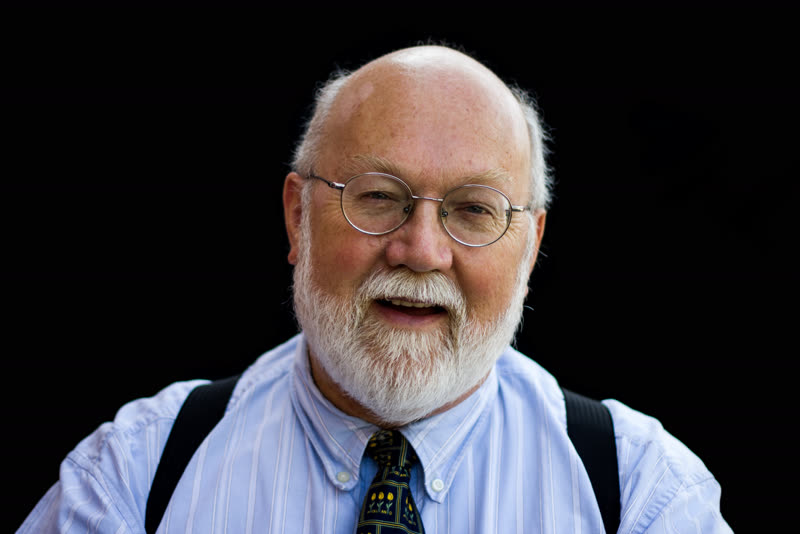 Tim Pasma Sunday AM Genesis October 9, 2016
Main passage Genesis 41
📖 Read the Scripture passage (ESV)
Genesis 41(ESV)
41 After two whole years, Pharaoh dreamed that he was standing by the Nile, 2 and behold, there came up out of the Nile seven cows, attractive and plump, and they fed in the reed grass. 3 And behold, seven other cows, ugly and thin, came up out of the Nile after them, and stood by the other cows on the bank of the Nile. 4 And the ugly, thin cows ate up the seven attractive, plump cows. And Pharaoh awoke. 5 And he fell asleep and dreamed a second time. And behold, seven ears of grain, plump and good, were growing on one stalk. 6 And behold, after them sprouted seven ears, thin and blighted by the east wind. 7 And the thin ears swallowed up the seven plump, full ears. And Pharaoh awoke, and behold, it was a dream. 8 So in the morning his spirit was troubled, and he sent and called for all the magicians of Egypt and all its wise men. Pharaoh told them his dreams, but there was none who could interpret them to Pharaoh.
...
25 Then Joseph said to Pharaoh, “The dreams of Pharaoh are one; God has revealed to Pharaoh what he is about to do. 26 The seven good cows are seven years, and the seven good ears are seven years; the dreams are one. 27 The seven lean and ugly cows that came up after them are seven years, and the seven empty ears blighted by the east wind are also seven years of famine. 28 It is as I told Pharaoh; God has shown to Pharaoh what he is about to do. 29 There will come seven years of great plenty throughout all the land of Egypt, 30 but after them there will arise seven years of famine, and all the plenty will be forgotten in the land of Egypt. The famine will consume the land, 31 and the plenty will be unknown in the land by reason of the famine that will follow, for it will be very severe. 32 And the doubling of Pharaoh's dream means that the thing is fixed by God, and God will shortly bring it about. 33 Now therefore let Pharaoh select a discerning and wise man, and set him over the land of Egypt. 34 Let Pharaoh proceed to appoint overseers over the land and take one-fifth of the produce of the land of Egypt during the seven plentiful years. 35 And let them gather all the food of these good years that are coming and store up grain under the authority of Pharaoh for food in the cities, and let them keep it. 36 That food shall be a reserve for the land against the seven years of famine that are to occur in the land of Egypt, so that the land may not perish through the famine.”
37 This proposal pleased Pharaoh and all his servants. 38 And Pharaoh said to his servants, “Can we find a man like this, in whom is the Spirit of God?” 39 Then Pharaoh said to Joseph, “Since God has shown you all this, there is none so discerning and wise as you are. 40 You shall be over my house, and all my people shall order themselves as you command. Only as regards the throne will I be greater than you.” 41 And Pharaoh said to Joseph, “See, I have set you over all the land of Egypt.” 42 Then Pharaoh took his signet ring from his hand and put it on Joseph's hand, and clothed him in garments of fine linen and put a gold chain about his neck. 43 And he made him ride in his second chariot. And they called out before him, “Bow the knee!” Thus he set him over all the land of Egypt. 44 Moreover, Pharaoh said to Joseph, “I am Pharaoh, and without your consent no one shall lift up hand or foot in all the land of Egypt.” 45 And Pharaoh called Joseph's name Zaphenath-paneah. And he gave him in marriage Asenath, the daughter of Potiphera priest of On. So Joseph went out over the land of Egypt.
...
53 The seven years of plenty that occurred in the land of Egypt came to an end, 54 and the seven years of famine began to come, as Joseph had said. There was famine in all lands, but in all the land of Egypt there was bread. 55 When all the land of Egypt was famished, the people cried to Pharaoh for bread. Pharaoh said to all the Egyptians, “Go to Joseph. What he says to you, do.”
56 So when the famine had spread over all the land, Joseph opened all the storehouses and sold to the Egyptians, for the famine was severe in the land of Egypt. 57 Moreover, all the earth came to Egypt to Joseph to buy grain, because the famine was severe over all the earth.
Transcript
And turn to Genesis chapter 41. This is the revelation from God. Not merely a story, but through the actions that we find in His Word, we see a God who is revealed and how we need to respond to that revelation. I'll begin reading the narrative at verse 25. Joe's read the first part of the chapter. Let's finish it.
Genesis 41, verse 25. Then Joseph said to Pharaoh, The dreams of Pharaoh are one. God has revealed to Pharaoh what he is about to do. The seven good cows are seven years, and the seven good ears are seven years. the dreams are won. The seven lean and ugly cows that come up after them are seven years, and the seven empty ears blighted by the east wind are also seven years of famine.
It is as I told Pharaoh, God has shown to Pharaoh what he is about to do. There will come seven years of great plenty throughout all the land of Egypt, but after them there will arise seven years of famine and all the plenty will be forgotten in the land of Egypt. The famine will consume the land and the plenty will be unknown in the land by reason of the famine that will follow for it will be very severe.
And the doubling of Pharaoh's dream means that the thing is fixed by God and God will shortly bring it about. Now therefore let Pharaoh select a discerning and wise man and set him over the land of Egypt. Let Pharaoh proceed to appoint overseers over the land and take one fifth of the produce of the land of Egypt during the seven plentiful years and let them gather all the food of these good years that are coming and store up grain under the authority of Pharaoh for food in the cities and let them keep it.
That food shall be a reserve for the land against the seven years of famine that are to occur in the land of Egypt so that the land may not perish through the famine. This proposal pleased Pharaoh and all his servants. And Pharaoh said to his servants, can we find a man like this in whom is the spirit of God? Then Pharaoh said to Joseph, since God has shown you all this, there is none so discerning and wise as you are.
You shall be over my house, and all my people shall order themselves as you command. Only as regards the throne will I be greater than you. Pharaoh said to Joseph, see, I've set you over all the land of Egypt. Then Pharaoh took his signet ring from his hand and put it on Joseph's hand and clothed him in garments of fine linen and put a gold chain about his neck.
And he made him ride in his second chariot. And they called out before him, bow the knee. Thus he set him over all the land of Egypt. Moreover, Pharaoh said to Joseph, I am Pharaoh, and without your consent, no one shall lift up hand or foot in all the land of Egypt. And Pharaoh called Joseph's name Zephanah Paneah. And he gave him in marriage Asenat, the daughter of Potiphar, a priest of mine.
So Joseph went out over the land of Egypt. Joseph was 30 years old when he entered the service of the Pharaoh, king of Egypt. and Joseph went from the presence of Pharaoh and went through all the land of Egypt during the seven plentiful years the earth produced abundantly and he gathered up all the food of these seven years which occurred in the land of Egypt and put the food in the cities he put in every city the food from the fields around it and Joseph stored up grain in great abundance like the sand of the sea until it ceased to be measured for it could not be measured before the year of famine came two sons were born to Joseph Asenat, the daughter of Potiphar, priest of On, bore them to him. Joseph called the name of the firstborn Manasseh, for, he said, God has made me forget all my hardship in all my father's house.
The name of the second he called Ephraim, for God has made me fruitful in the land of my affliction. The seven years of plenty that occurred in the land of Egypt came to an end, and the seven years of famine began to come, as Joseph had said. There was famine in all lands, but in all the land of Egypt there was bread. When all the land of Egypt was famished, the people tried to Pharaoh for bread.
Pharaoh said to all the Egyptians, go to Joseph. What he says to you, do. So when the famine had spread over all the land, Joseph opened all the storehouses and sold to the Egyptians, for the famine was severe in the land of Egypt. Moreover, all the earth came to Egypt to Joseph to buy grain, because the famine was severe over all the earth. Let's pray.
Father, as we recount this familiar story, we pray that you would help us to see your sovereignty and your faithfulness. For Lord, this is not merely a story of Joseph. It is your story. It is your revelation. Help us to see it clearly. We pray, Father, that in light of that, we would change in what we think of you and how we respond to you.
Help us now as we look to you as in your word, in Jesus' name. Amen. What a difference a day can make, huh? For Joseph, this day must have dawned like any other. He got up, put on his prison clothes, and got about doing his daily duties as he always did. Two years had passed since the cupbearer had been released from prison, and no doubt all his dreams of freedom had evaporated.
There was no sense in believing that There just was no word And then in the midst of his duties there was an urgent order Hurry up We have to get you shaved and properly dressed because we just got word that Pharaoh has summoned you into his presence. Joseph's period in the pit ended just as dramatically, or even more dramatically, even more suddenly than his arrival there. He went from the pit to the peak, from the prison cell to Pharaoh's right hand in the course of a single day.
Now, that's an incredible story. It's almost like reading a fairy tale or some novel with some great hero where he suddenly is revealed as the great man at the end. But this is God telling the story. And its intention is not to inspire awe in us at a marvelous turn of events. What's the point of this story of a dramatic turn of fortunes? Well, it's not about the reversal of fortunes, for one thing.
It is about the sovereignty of God over the fate of nations and families. And more precisely, it depicts God in his sovereignty, fulfilling the promises that he had made to Joseph and those made in the covenant. Now again, we need to remember the larger story here. God had made a covenant. In that covenant there were many promises. We have seen how he has worked towards the fulfillment of that covenant in the lives of Abraham, Isaac, and Jacob.
And the story has taken many twists and turns. It's almost unbelievable. All the twists and turns that have occurred in this story of God fulfilling that covenant. But we have seen God's faithfulness in working so that he can keep his covenant promises. Now we've seen his work in the life of Joseph. A life of great suffering.
A life of great humiliation. With a few highs now and then. And what you see in this narrative is God fulfilling his promises or continuing to work toward the fulfillment of those promises in the what he does with Joseph. he fulfills those promises because he is sovereign and he rules now as we look at God's sovereignty this morning I want you to keep in mind three words three words remember believe and trust those are the three words for today remember believe and trust on the first eight verses of this chapter, here's what we see.
Remember the helplessness of man. Remember the helplessness of man. Pharaoh has a dream, and he cannot figure it out. He has had this dream, or these dreams of cows and grain. Seven fat cows have been in the water. Now, we've all seen pictures of that in places like Egypt where it's very hot, you see cows standing in the river, half submerged in order to escape the heat and the insects.
And so he's looking out. Pharaoh's standing on the Nile, and he looks out, sees these seven cows standing in the water, nothing unusual, and they come up, these big, fat, sleek cows, and they start eating the reed grass. And then suddenly, seven ugly, thin cows come up, and they eat the fat cows. Now, you know, let's get something straight right now. This is a dream, right?
Yeah. And you remember eating, as I like to say, eating Wheaties while you're sitting on the ceiling. And it all makes sense, right? Our dreams are bizarre. Well, so is this one. Seven ugly thin cows eat the fat cows.
Well, Pharaoh woke up. Well, then he fell asleep again. And he says, and this time he saw seven ears of grain on one stalk. Now imagine, if you will, just for a moment, a corn stalk with seven great big fat ears on it, right? Talk. What is that?
What is that, Greg? About 160 bushels to the acre, right? I mean, seven heads on one stalk. And then these blighted stalks grow up. And there's, I think, seven separate stalks. And they're withered by the east wind, and they swallow the fat ears.
And so now Pharaoh wakes up again, probably wondering, what was that all about? Well, we know he wondered that, because he called in all the wise men. Now remember, the Egyptians put a lot of stalk in their dreams. They were eyes on another world. They were eyes on the future. And so Pharaoh is really troubled because he can't figure it out.
And so he calls in all the wise men. Because he may be missing some message from the gods. What are they telling me? I need to know what they're telling me. So he calls in the wise men and the magicians. men schooled in the interpretation and in the art of interpreting dreams but they have no clue what this is about. They don't have a clue what's going on.
They evidently had never seen this kind of symbolism. Here's the thing to remember. As I look at this, here's what strikes me. Man left to his own devices always ends up in confusion. man left to his own devices will end up in confusion he is helpless to navigate the waters of life or in this case as well helpless to navigate the waters of power without the revelation of god truth men will always remain helpless hopeless and confused you look around you and see the fruits of life understood and lived with no reference to God truth Just look around us Without the category of sin we end up calling the most wicked acts sickness.
Without acknowledging God's creative purposes, we end up with transgender nonsense. Without embracing God's commandments, we end up without an ethical system or an ethical system that's always shifting. Right? And so there's never solid ground in order to say someone's right or someone's wrong without believing the gospel that saves us from our sin. We see people hopelessly confused and lost and unable to do anything else but sin. powerless in the face of evil.
And so it is with Pharaoh. He's confused, helpless, and hopeless. And that's always the case when we ignore the revelation of God. So remember the helplessness of man because that is the arena in which God manifests his rule. That is the arena where the revelation of God then comes and dispels the helplessness and the hopelessness and the confusion. So, remember that man is helpless.
Believe that God rules. Now, this takes up a major portion of our chapter from verse 9 through verse 45, where the sovereignty of God is elevated to a magnificent place in this chapter in order for us to understand something of this God and what he's doing. Believe that God rules. Pharaoh's closest advisor suddenly remembers Joseph's part in his restoration, and now we begin to understand the sufferings that Joseph has endured.
We begin to understand now why those false accusations landed him in prison. We begin to understand now that in prison he came into contact with two royal officers who had dreams, which he interpreted. We begin to understand now that it all comes to a point where the cupbearer remembers Joseph and sets in motion, because of all these other events, sets in motion these events that at coming to this point of bringing his release from prison and entrance into the palace. everything from his brothers putting him in the cistern all the way to the palace it's all starting to come together we start to understand this is why he had to go through what he had to go through so he would arrive at this point in the narrative now Pharaoh cannot be kept waiting and so maybe as we imagined Joseph is hurriedly taken to the palace grounds where he shaves and he dresses appropriately and they usher him into the king's presence.
By the way, he shaves because the Semitic peoples of where Palestine is today would grow beards and so forth. The Egyptians thought that was unclean, so they would shave themselves. You know, the beards the pharaohs wore, those are fake beards because they thought growing a beard was unclean, and so they would shave everything. All right. So Joseph, in order to meet the Pharaoh, has to go through all that.
Now, Pharaoh says to him, I've had a dream and I've heard that you have an uncanny ability to get to the bottom of what dreams mean. And so Joseph hears him out. The king gives him the details again of his dream. except interesting in verse 21 he adds an interesting little statement in verse 21 he says the ugly the ugly cows eat the fat cows and they stay ugly all right they stay ugly interesting it says something and then he says he says to joseph none of the experts none of the experts have any idea what's going on here but I've heard that you can understand now look carefully at verse 16 look carefully at verse 16 where we read this Joseph answered Pharaoh it is not in me God will give Pharaoh a favorable answer that's God will give Pharaoh an answer that will settle his mind.
It is not in me. God will give the answer. Joseph takes no credit for any ability he has. Joseph could have given in to the flattery and he could be the hero, couldn't he? He could say, why, thank you. yeah i am i'm a i am a little cut i'm a cut above the others i'll admit it and he could have been the hero right but instead note he corrects the king all right he corrects the king and humbly recognizes that the true god can set pharaoh's mind at ease since this god is the only one who provides accurate interpretations he's very clear about the fact that God is the one who's doing all this.
It is God who's given him the interpretation. It's not that he is a more brilliant, more clever magician than the rest. You got to note here Joseph confidence in God He didn have to promote himself he didn have to promote himself even after so many disappointments I don know about you I think I be tempted wouldn you After being exalted and crashed and exalted and crashed.
And now I'm given an opportunity to make a really good case for myself, right? He doesn't do it. He has confidence in God, no matter the disappointments. All of that is in the hands of God. second he had confidence in the interpretation even to the point of correcting the king because he knew god rules every particle of the universe his confidence look believing in god's rule of this world ought to promote humility and confidence on our part Humility because God's the one, what can I say, God's the one running the show, right?
He's the one in control. He's the sovereign. I'm not. It ought to produce in me humility, but it also ought to produce in me confidence. Confidence. Now in verses 25 through 32, and again, we've read through the whole text, okay?
I know you came here this morning going, oh man, is he going to read that whole thing? We'll be here for an hour. Well, we read half there and half here. So you've got the picture in your head. I'm not going to reread the text. But in verses 25 through 32, Joseph delivers a risky interpretation.
It's given him by God, and just like us, we can read something from God and say, I don't want to say that. And he had the same thing, because this is a risky interpretation that he gives. He gives the Pharaoh the interpretation he'd received from God. It's the only interpretation that makes sense of these symbols. What is that interpretation? Well, you remember what he says.
He says, Pharaoh, here's what the deal is. You're going to have seven really, really, really good years of fertile production. And then you're going to have seven years of incredible famine. And so you've got to understand that that's what all those symbols are about. It's about seven years of great production of crops and seven years of incredible famine.
All right. Now, first notice the reason why that interpretation is correct. I want you to note carefully verse 25. Then Joseph said to Pharaoh, the dreams of Pharaoh are one. God has revealed to Pharaoh what he is about to do. Okay?
Look at verse 28. It is as I told Pharaoh, God has shown to Pharaoh what he is about to do. Verse 32. And the doubling of Pharaoh's dream means that the thing is fixed by God, and God will shortly bring it about. Now I want you to notice that. It's not God revealing something just because he has better eyesight into the future than anybody else.
This interpretation is correct because God has planned what's going to happen. He's going to do it. And that's why he can say to Joseph, this is what's going to happen. Why? Because that's what he has planned. He's fixed it.
He's going to do it. God is the one who revealed it. And God is the one who's going to do these things. So it's not a matter of my God can see the future better than yours. It's my God rules. my God has determined what's going to happen my God is the one who's in charge here and he's the one that's going to accomplish that he alone is responsible for both the years of plenty and the years of famine it is God alone who's responsible for that now you say why is that such a risky interpretation because for the Egyptians the Pharaoh is the embodiment of a God and his divine power balanced the natural forces and ensured peace and prosperity.
In fact, one pharaoh says this, I produced the grain because I was beloved by the grain God. No one was hungry in my years. So the pharaoh is responsible for the good years and the bad. And Joseph essentially tells the king that he is not what he claims to be. that he isn't what he thinks he is and he really makes the point that it is his God, the true God who gets all the credit for what happens.
He's the one responsible. Joseph is asserting as as bold as he can the sovereignty of God in opposition to the sovereignty of Pharaoh. Listen, believing that God rules should produce confidence in the face of power. Should produce confidence in the face of power. John Knox was a Scottish Presbyterian reformer in Scotland. And he marched into Mary, Queen of Scots, marched into her throne room and told her she was an adulterous woman and that she needed to repent.
All right? Why? He believed in the sovereignty of God, and his idea was, well, you know, God's established my days, and here's wickedness, I need to confront it. Doesn't matter if it's a queen or anybody else, and so he marched into her presence and told her. That's what happens. If you believe that God rules, you ought to produce confidence in the face of power.
And then, as we continue, he offers a risky course of action. Why do I say risky? Because Pharaoh, if you read this text, Pharaoh's not asking for advice, is he? You see that anywhere? as an interpretation of his dream. Joseph then goes on to say to the Pharaoh, and here's what you ought to do. He's not a counselor.
He's not a part of the court. He's not the court prophet or the court, he's not the cup bearer. And yet here's this guy who was in prison earlier that day, looking Pharaoh in the face and saying, here's what you ought to do. Pharaoh wasn't asking for that, but he said it anyway. All right. He says you need to appoint a vizier or a prime minister.
You need to appoint local overseers and you need to institutionalize a rational system or a system of rationing. Now, listen, revelation from God, a revelation of God's rule calls for a response from man. When God prophetically tells us something, if God prophetically threatens judgment, the proper response is repentance. When God prophetically tells us about danger, the proper response is what?
Realistic precautions. God's revealed something here. Here's our response. We need to take these precautions. Again, note the confidence of Joseph. Note the confidence he has in giving this plan.
Why? Because he is confident, he is sure, he believes that God rules. And that if God has said seven years of plenty, seven years of famine, then he is convinced that this is a good plan. I mean, how many of us make plans hoping they turn out okay? Hoping that they'll get the job done? We all do that.
Don't we? We all do that. The elders met this morning, and we're trying to hammer out some things. We're going, well, maybe we ought to do this, or maybe we ought to do that. If we knew exactly what God was going to do in the next year, we'd just say, okay, we know what's going to happen, here's what we need to do. But we don't.
He does. And he's confident that what God has said, he will do. There's not a doubt in his mind. and so therefore he proposes this plan which is entirely dependent on that information well what we see here then is that that faith is contagious it is do you notice um how pharaoh responds pharaoh said to his i'm looking at verse 37 this proposal pleased pharaoh and all his servants and pharaoh said to his servants can we find a man like this in whom is the spirit of god the king and his servants recognize that god truly is at work in this young man and they believe him his faith is contagious and it results in joseph's elevation to the second most powerful position in the government I'm trying to imagine that from prisoner to prime minister in one day now I don't know about you but I think my head would be swimming I would think I was getting prisoners' clothes together this morning now I'm going to rule a country amazing By the way, that's the sovereignty of God.
God's in control of all that. Anyway, he elevates Joseph to the place of authority that's second only to his. Now, with almost all the authority of the throne, of the crown, invested in him. I'll accept the throne. All right? Now, once more, and I think the writer wants you to see it, the same pattern follows that we've seen in the past.
Joseph is given responsibility for everything. What did Potiphar say? He says, you've got responsibility for everything except the things very close to me and my wife. You have control over everything. You have control in the prison. You have control over everything.
He runs the prison. Right? Now what do we see here? Same thing. And notice, Pharaoh says, I'm going to give you authority over what? My house.
Third house he's been having authority over, if you will. He's given responsibility for everything except for the throne. I'm still the most powerful guy. But you control everything else. Right? It's the same pattern.
He is given authority. and now is he given authority but he's given the trappings of authority he's given the signet ring you know what the signet ring is when a document would come to the king he had a ring or a seal most most of the time it was the ring and they would you know they'd if it was a clay tablet or maybe they'd put wax on the papyrus he would put his seal to it Right? That had the symbol of the king, which means this is authorized by the king. Here's my seal.
He gives that ring to Joseph, which is to say, whatever Joseph puts that to has the king's authority behind it. We're talking major trust here. Major responsibility. He gives him the ring, he gives him official clothes, and a gold chain. Now, when you see that gold chain, think of the president's seal. I don know if you know this or not but wherever the president goes whenever he speaks the seal is on the podium Even if it a campaign even if he comes to LaRue and speaks the presidential seal will be right here It's always there.
It's only there when he's speaking. If someone else would follow him, there's some way. But they put the seal right there. Well, that's what he has. He has this gold chain. It's the seal that goes with him.
Yeah, it's like our presidential seal. It's the official emblem of his authority. He gets a chariot with heralds, the second chariot, all right? And he gets heralds that go through and tell everyone to bow down before him as he passes by. You know what thought occurred to me? I'd love to be there the day he goes down the street and Potiphar and his wife are there or if they ever met at a social occasion if he goes to a social occasion everybody has to bow to him I wonder if they had a political soiree and Potiphar and his wife were there the Bible doesn't tell us that so let's, don't build a whole novel on it now, okay?
He gets a new name, an Egyptian name, that validates his position, his new Egyptian position. Now, it's interesting, that Egyptian name means, roughly translates as God lives and sees. God lives and sees. So again, we see that Pharaoh, in some fashion, is recognizing the God of Joseph. And finally, he gives him a wife, a wife from a very high-placed individual, Potiphar, the priesthood on.
He's the sun god priest. The point here is that he is now introduced, by marrying this woman, he is introduced into the highest nobility of the land. He's clearly part of the elite. Now, how did Joseph go from slave to prisoner to prime minister? How did all that happen? Because God rules.
Because God rules. And God must fulfill his purposes and his covenant, and this is the way he's going to do it. This is the way he's going to do it. The false accusations that led to public humiliation are now replaced by proclamations that lead to public acclamation. His position of powerlessness in prison is replaced by a position of great power at Pharaoh's right hand.
His impossible dream of people kneeling to him starts coming true as heralds now go before him, calling people to bow before him. You see, God puts Joseph into prison, interpreting dreams, revealing and moving the weather patterns in order to position a man to save his people. That's the whole point of all these stories of his sufferings, his humiliations, all of it.
All of it is to say, God is unbreakably committed to his covenant. And he will do whatever he wants in order to fulfill it. He will order the destinies of men and of nations in order to accomplish the things that he has promised. I mean, even the weather patterns were intended. The future weather patterns, which he reveals, are intended to place Joseph in a position of power so that he will save his people.
In fact, God introduces, as we continue to read the story, in fact, God introduces that famine so that those people must be saved. the question is do you believe that god rules do you believe that god rules okay our last word trust trust that god will do what he says trust that god will do what he says now what happens next is a record of the fulfillment of the interpretation they have seven powerfully good years. The earth produces in abundance. And he gathers up all the food of those seven years.
And not all the food, but one fifth. And he starts storing it. And then we read in verses 52 to 55 that they had seven years of incredible famine, which, by the way, is very what what is described here is extraordinarily unusual. You have Egypt, which is centered, a country centered right along the Nile River, okay? There's deserts on either side, right on the Nile River.
They depend on the Nile for everything, okay? And so, and then in up towards the east is Palestine, okay? What we can call Palestine where the Semitic peoples live, where Joseph comes from. All right? Sometimes the Nile wouldn't produce because way, way back up river in the Sudan, where the river originates, there would be drought and the river would get low And so Egypt would be in trouble But then they could get food from Palestine All right Or if Palestine had a famine right they could come to Egypt But what is described here is both are happening that there's no rain here, and the Nile is drying up in the Sudan.
And therefore, everybody's in trouble. It's an incredible, incredible problem. But notice this, God fulfills the dreams exactly as he said he would. It is exactly the way God said. Not five and two, or not five and nine, and not six and eight, seven and seven. Exactly what God said. and because Joseph trusted God's revelation as completely accurate his plan succeeded because he knew God would do exactly what he said and notice and this is important and through all of this Joseph remembers the presence and the faithfulness of God right in between the seven good years and the seven bad years, the record of those, you have the record of his sons being born to him.
One looking back, one looking forward. He names his two sons. He gives them Hebrew names, which is to say he may have a pagan name. He may be a pagan government official. he may dress like the pagans around him but he is still he doesn't adopt their religion he is still committed to his god and he gives his boys hebrew names names that once again recall the sovereignty and the faithfulness of god he names them forget and fruitful okay he names the first son forget why because he's saying God helped me to forget the injury and the hurt and all the things that happened to me in the past God has helped me forget those things by the way he's not meaning it's wiped from my memory because he has a boy he's going to grow up in his household whose name reminds him of all that but it also primarily reminds him that God has been good to him God has been good to him in all the suffering God took away the hurt and then fruitful this interprets the great success he's experienced through the same lens of God's presence and his faithfulness in other words he looks at the horrors that happened to him through the lens of God's faithfulness and presence that is to say he is not irreparably damaged by what happened to him he can look at the past through the lenses of God's faithfulness and his presence he is not irreparably damaged because he can look at those events with a different interpretation you see by the way there's a huge there's a whole sermon in that one at least for me and then he names his other son fruitful he says God's not only good to me to help me look at the past right but God helps me look at the future it is God who's caused me to prosper in the land of my affliction it is God who's responsible for the fruitfulness.
So either way, bad, good, same lenses. And he has two boys that are going to be constant reminders to him of that because they're going to grow up in his household, right? With those names. Constant reminders of God's faithfulness in his presence. He can trust God. Now what I find fascinating then, and again, this is God fulfilling his word. is what we find in verses 56 and 57.
So when the famine had spread over all the land, Joseph opened all the storehouses and sold to the Egyptians, for the famine was severe in the land of Egypt. Moreover, all the earth, notice that terminology, all the earth came to Egypt to Joseph to buy grain because the famine was severe over all the earth. finally he trusts god because of his faithfulness to the covenant what you see here not all the promises have been fulfilled but god is working beginning if you can think of it this way beginning to fulfill the promises he made in the covenant to abraham and by the way i'm beginning to see that that promise he made to Abraham, you see it beginning to be fulfilled through the whole Old Testament. Here's how.
Here's how. What did God promise Abraham? To make a great name. And because of that great name, people would be blessed. What happens here? Joseph is given a great name, right?
And what happens? Because he has a great name. People are blessed. God promised that all who blessed the name would be blessed. All who dishonored the name would be dishonored. What's Pharaoh doing here?
He's blessing him. What happens? His land is blessed. And then finally, note this. God said there would come a seed that would bless all the nations and you can see that starting to happen here The seed of Abraham blesses Egypt and all the earth You see? God is remaining faithful to his covenant promises.
But it took him taking Joseph from this young man all the way to this point. And note, just like Abraham and just like Jacob, it took a while. Notice what it says. He was 30 when he entered the service of Pharaoh. And so there were 13 years of suffering, 13 years of suffering, before God used him to bless others, at least in this way. You see, Joseph went through long-lasting suffering in order to be a fruitful blessing to many and more to come.
Now look, God is sovereign and God is faithful. And he exercises his rule for the purpose of keeping his promises to his people. and so do you remember the helplessness of your situation without God you remember that do you believe that God rules do you trust that God will do what he says you see God rules God's rule is harnessed to fulfill his promises to you you may not believe that right now given your difficult situation some of you may be here in horrible difficult situations listen at this point you may be saying i'm what's going on here god are you going to keep your promises aren't you supposed to be working for my good right god and you're saying nothing much is being accomplished listen god often puts us through suffering before he makes us fruitful and i would say to you that's the normal providence of god that is the normal way god acts suffering before fruitfulness that's the normal way in fact that's the way he works because all I have to do is look at whom oh no here comes the Sunday school answer it's Jesus but that is the right answer as you read through this text where does your mind go and where God the great author, wanted your mind to go. Here is a man who through long-lasting affliction, what?
Became fruitful. And when we look at our Savior, we see the same thing. There was the cross before the crown. There was suffering before fruitfulness. Before Jesus was exalted to the right hand of his Father and started, if you will, saving his people, he had to go through affliction. He had to take the path of the cross before receiving the crown.
He had to suffer humiliation before experiencing exaltation. And the fruit of his work, the fruit of his suffering, being mediated to the world. This is the way God works. This is the way God works. And so this is the way we ought to be thinking. God is sovereign, which means he has the power to fulfill his promise.
God is faithful. He's willing to fulfill his promise. And I know that suffering now by God's providence will lead to fruitfulness. He will keep his promise even when everything looks bad. His sovereignty has arranged all of these events in your life to produce a fruitful person. Father, thank you for your word. oh lord i stand in awe of this revelation that takes us to jesus that reveals a sovereign faithful god who even at the cost of his own son gave him long-lasting affliction before fruitfulness, had him walk the path of the cross before the crown.
And Father, you've told us that's the way that we will live because we follow in his footsteps. Father, help us to remember our hopelessness, to believe that you rule, to trust that you will do what you say and to realize that your sovereignty will accomplish all that you want. God, help us in the difficulties of life in this broken world to remember that you will keep your promises to us.
You have the willingness and the ability. Help us to believe that in our darkest hours, we pray. In Jesus' name, amen. Thank you.