The Faith Of A Dying Man
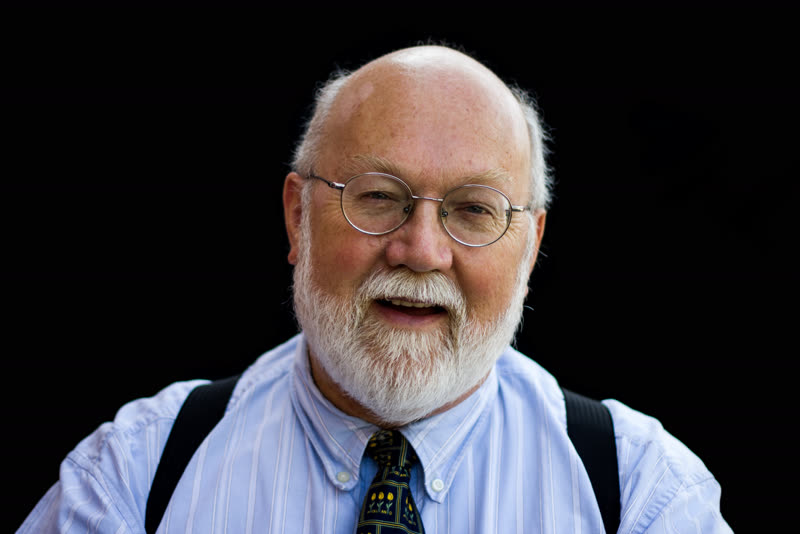 Tim Pasma Sunday AM Genesis February 12, 2017
Main passage Genesis 48:1-22
📖 Read the Scripture passage (ESV)
Genesis 48.1-22(ESV)
1 After this, Joseph was told, “Behold, your father is ill.” So he took with him his two sons, Manasseh and Ephraim. 2 And it was told to Jacob, “Your son Joseph has come to you.” Then Israel summoned his strength and sat up in bed. 3 And Jacob said to Joseph, “God Almighty appeared to me at Luz in the land of Canaan and blessed me, 4 and said to me, ‘Behold, I will make you fruitful and multiply you, and I will make of you a company of peoples and will give this land to your offspring after you for an everlasting possession.’ 5 And now your two sons, who were born to you in the land of Egypt before I came to you in Egypt, are mine; Ephraim and Manasseh shall be mine, as Reuben and Simeon are. 6 And the children that you fathered after them shall be yours. They shall be called by the name of their brothers in their inheritance. 7 As for me, when I came from Paddan, to my sorrow Rachel died in the land of Canaan on the way, when there was still some distance to go to Ephrath, and I buried her there on the way to Ephrath (that is, Bethlehem).”
8 When Israel saw Joseph's sons, he said, “Who are these?” 9 Joseph said to his father, “They are my sons, whom God has given me here.” And he said, “Bring them to me, please, that I may bless them.” 10 Now the eyes of Israel were dim with age, so that he could not see. So Joseph brought them near him, and he kissed them and embraced them. 11 And Israel said to Joseph, “I never expected to see your face; and behold, God has let me see your offspring also.” 12 Then Joseph removed them from his knees, and he bowed himself with his face to the earth. 13 And Joseph took them both, Ephraim in his right hand toward Israel's left hand, and Manasseh in his left hand toward Israel's right hand, and brought them near him. 14 And Israel stretched out his right hand and laid it on the head of Ephraim, who was the younger, and his left hand on the head of Manasseh, crossing his hands (for Manasseh was the firstborn). 15 And he blessed Joseph and said,
“The God before whom my fathers Abraham and Isaac walked,
the God who has been my shepherd all my life long to this day,
16
the angel who has redeemed me from all evil, bless the boys;
and in them let my name be carried on, and the name of my fathers Abraham and Isaac;
and let them grow into a multitude in the midst of the earth.”
17 When Joseph saw that his father laid his right hand on the head of Ephraim, it displeased him, and he took his father's hand to move it from Ephraim's head to Manasseh's head. 18 And Joseph said to his father, “Not this way, my father; since this one is the firstborn, put your right hand on his head.” 19 But his father refused and said, “I know, my son, I know. He also shall become a people, and he also shall be great. Nevertheless, his younger brother shall be greater than he, and his offspring shall become a multitude of nations.” 20 So he blessed them that day, saying,
“By you Israel will pronounce blessings, saying,
‘God make you as Ephraim and as Manasseh.’”
Thus he put Ephraim before Manasseh. 21 Then Israel said to Joseph, “Behold, I am about to die, but God will be with you and will bring you again to the land of your fathers. 22 Moreover, I have given to you rather than to your brothers one mountain slope that I took from the hand of the Amorites with my sword and with my bow.”
Transcript
Would you take your Bibles this morning and turn with me to Genesis chapter 48. Genesis chapter 48, you follow as I read this chapter. After this, Joseph was told, Behold, your father is ill. So he took with him his two sons, Manasseh and Ephraim. now it was and it was told to jacob your son joseph has come to you then israel summoned his strength and sat up in bed now jacob had said to joseph god almighty appeared to me at lose in the land of canaan and blessed me and said to me behold i will make you fruitful and multiply you and i will make of you a company of peoples and will give you this land give you this land to your offspring after you for an everlasting possession.
And now your two sons who were born to you in the land of Egypt before I came to you in Egypt are mine. Ephraim and Manasseh shall be mine as Reuben and Simeon are. And the children that you fathered after them shall be yours. They shall be called by the name of their brothers in their inheritance. As for me, when I came from Paddan to my sorrow, Rachel died in the land of Canaan on the way when there was still some distance to go to Ephrath.
And I buried her there on the way to Ephrath, that is Bethlehem. When Israel saw Joseph's sons, he said, who are these? Joseph said to his father, they are my sons whom God has given me here. And he said, bring them to me please that I may bless them. Now the eyes of Israel were dim with age so that he could not see. So Joseph brought them near him and he kissed them and embraced them.
And Israel said to Joseph, I never expected to see your face and behold God has let me see your offspring also. Then Joseph removed them from his knees and he bowed himself with his face to the earth. And Joseph took them both, Ephraim in his right hand toward Israel's left hand and Manasseh in his left hand toward Israel's right hand and brought them near him.
And Israel stretched out his right hand and laid it on the head of Ephraim, who was the younger, and his left hand on the head of Manasseh, crossing his hands, for Manasseh was the firstborn. And he blessed Joseph and said, the God before whom my fathers Abraham and Isaac walked the God who has been my shepherd all my life long to this day the angel who has redeemed me from all evil bless the boys And in them let my name be carried on in the name of my fathers Abraham and Isaac, and let them grow into a multitude in the midst of the earth. When Joseph saw that his father laid his right hand on the head of Ephraim, it displeased him, and he took his father's hand to move it from Ephraim's head to Manasseh's head.
And Joseph said to his father, not this way, my father, since this one is the firstborn. Put your right hand on his head. But his father refused and said, I know, my son, I know. He also shall become a people and he also shall be great. Nevertheless, his younger brother shall be greater than he and his offspring shall become a multitude of nations. So he blessed them that day, saying, by you, Israel will pronounce blessings, saying, God make you as Ephraim and as Manasseh.
Manasseh. Then he put Ephraim before Manasseh. Then Israel said to Joseph, behold, I am about to die, but God will be with you and will bring you again to the land of your fathers. Moreover, I have given to you rather than to your brothers one mountain slope that I took from the hand of the Amorites with my sword and with my bow. Let's pray. Father, once more as we come to you, we pray that as we always do, that you would help us to take this text, understand it, that your spirit would reveal its intent to us, that we might change, that we might be transformed, that we might live by faith.
Father, exalt your Son, convict our hearts, encourage us, and help, we pray in Jesus' name. Amen. Amen. Jacob is dying and he knows it you can see you can sense he knows it because he's starting to put the affairs of his household in order and make his final goodbyes last week we saw as he takes leave he wants his body buried in the land that God had promised them, the land of Canaan the land promised by covenant and he's so confident in God's promises that even though his people don't possess the land yet, he believes they will.
And so he wants himself, he wants to be buried there. Now once more as this scene opens, we find ourselves with Jacob in his last days But what on his mind In the twilight of his life what important to him You find the answer to those questions in this text that before us as we observe what happens in this quiet room with Jacob, Joseph, and Ephraim and Manasseh. This is a picture of faith.
This is a picture of faith. A picture intended to help you understand the nature of faith and to motivate you to live by faith. We know this because of the divine commentary that's written about this passage in Hebrews 11, verse 21. We know this was about faith because that's what the Bible tells us in that book. You remember, as we just heard at the New Testament reading, the writer is encouraging his readers to live by faith, to live in light of the promises of God.
And he has mentioned the patriarchs and has already said about them this, in verse 18. These all died in faith, not having received the things promised, but having seen them and greeted them from afar and having acknowledged that they were strangers and exiles on the earth. And then speaking of those, these who had not yet received the things promised, speaking of them, he now turns his attention in chapter 11 verse 21 of Hebrews to Jacob.
By faith, Jacob when dying blessed each of the sons of Joseph, bowing in worship over the head of his staff. So in this scene, with its strange and unfamiliar ceremonies, it is singled out by this writer as an example of one who lives by faith. And so this chapter is trying to tell us to live by faith like Jacob. The writer to the Hebrews is saying, here is one who lived by faith.
We can see it when we look at this scene with Ephraim and Manasseh. God wants you to live by faith like Jacob. At the end of his days, you don't find the conniver, the schemer, the manipulator. You see an old man with a mature faith. I don't know about you, but that kind of gives me hope. You know?
Boy, you read the story of this guy. And you think, oh my lands, what hope is this for this guy? And by the end of his life you see a man of faith And so as this story unfolds you learn something about what it means to live by faith If you're going to live by faith, then here's the first thing you need to do. You need to know the promises of God. I mean, if you're going to live by faith, you need to know the promises of God.
The scene opens with Joseph receiving news that his father is ill, implying that he didn't have much longer to live. and so Joseph heads to dad's house with his two oldest sons in tow. When they get there, Jacob is informed of their arrival and so he gathers up all the strength that he has so he can sit up in bed and see them and talk to them. Now Joseph brought Manasseh and Ephraim with him because he already knew what Jacob intended to do.
He already knew that Jacob was going to adopt his two sons. Look at verse 3. Verse 3 can be translated this way and I think it's a better one. Now, Jacob had said to Joseph. Now, Jacob had said to Joseph. In this previous conversation, Jacob had expressed his intentions.
This piece from verse 3 through verse 7 is a conversation that they had earlier. Maybe Joseph had visited his father, or maybe they had coffee together at Starbucks or something. When Jacob told Joseph this, he had expressed these intentions. Therefore, when Joseph received word about his father's failing health, he brought his sons along with him because he knew the time had come for this adoption ritual that we read about in these verses. in that previous conversation that Jacob had with Joseph he recounts the promises of God you remember well let's look at it again and Jacob had said to Joseph now Jacob had said to Joseph God Almighty appeared to me at Luz in the land of Canaan and blessed me and said to me behold I will make you fruitful and multiply you and I will make of you a company of peoples and will give you this land to your offspring after you for an everlasting possession And now, your two sons who were born to you in the land of Egypt before I came to you in Egypt are mine.
Ephraim and Manasseh shall be mine as Reuben and Simeon are. And the children that you fathered after them shall be yours. They shall be called by the name of their brothers and their inheritance. As for me, when I came from Padaw, Unto my sorrow, Rachel died in the land of Canaan on the way, when there was still some distance, to go to Ephrath. And I buried her there on the way to Ephrath, that is, Bethlehem.
So here's the conversation he had with Joseph earlier. And you remember that when Jacob fled home to save his skin from his avenging brother for cheating him out of his birthright, you remember that one night he ended up in Luz. and it was that night, remember, where he makes a stone his pillow and that night he has this dream or this vision of this stairway that goes to heaven and at the top he saw the Lord. And you remember that in that vision or that dream, the Lord reaffirmed the covenant of Abraham to him and said, you too are the recipient of the covenant promises I made to Abraham.
And you remember he expanded it a little bit and said to him, I will be with you until you come back, and I will help you in all that time. Now, you recall that decades later, when Jacob returned to Canaan, the Lord summoned him back to Luz, or to Bethel. Remember, he had named it Bethel, the house of God. And God had summoned him back to Bethel. And we read about that, as you heard this morning, in chapter 35.
This was his second visit to Bethel. And there God appeared to him, not in a vision, but what we call a theophany. That is, God in some way physically appeared to Jacob. And it's those promises that God made on the second trip to Bethel that Jacob recites here. He made these promises. I will make you fruitful and multiply you.
A company of nations will come from you and the land will be an everlasting possession for your descendants. Those were the three things he said on that second trip to Bethel. Again, reaffirming the covenant made with Abraham. And so, in this conversation, the one they're having over at Starbucks, Jacob says to Joseph, Your two sons, Manasseh and Ephraim, born here in Egypt, before I even knew you were alive will be mine.
They'll belong to me. They will be as much mine as Reuben and Simeon are mine and they will replace them as the firstborn Reuben you remember was the firstborn He essentially makes Ephraim, he says, I'm going to make Ephraim the head of the 12 clans, the 12 tribes. Now that is reaffirmed for us, if you want to look at it, in 1 Chronicles. Turn over to 1 Chronicles real quickly, because this was known all the way down then in the history of the people of God.
1 Chronicles 5, verses 1 and 2. And here's what we read. The sons, okay, now they're talking about, in this passage in 1 Chronicles, they're listing the sons of the original 12. The sons of Reuben, the firstborn of Israel, parentheses, for he was the firstborn, but because he defiled his father's couch, his birthright was given to the sons of Joseph, the son of Israel, so that he could not be enrolled as the oldest son.
Though Judah became strong among his brothers, and a chief came from him, yet the birthright belonged to Joseph. So that's what Jacob is saying to Joseph here. My intention is to give the right of the firstborn to Ephraim. He's going to be mine. And the children, he goes on to say, the children born after these two will be considered your children. However, their inheritance will come through their brothers.
That is to say, Jacob makes Ephraim and kind of Manasseh the ones who are going to receive the blessing of the firstborn. All other sons born to Joseph will receive their inheritance through these two. That is to say, it's almost as if they're the fathers. Right? They get their inheritance through these two. So, Jacob is telling his intention of adopting those two boys.
He says, you had two sons. However, as for me, my Rachel died before she could give birth to more children. And so with this plan in mind, with this already in his mind, Joseph arrives with the boys for the adoption ceremony. Now, I want to suggest to you, you can already see the faith of Jacob operating here. Do you remember the things you don't believe?
We tend to remember the things that we really believe in that we really invested in Jacob recites almost word for word You compare this with what God says in chapter 35 You will see that Jacob recites almost word for word the promises made to him those many years earlier. Living by faith means that you know the promises of God. Do you know the promises of God?
That's the point. you can already see his faith why because he believes the promises he knows the promises by the way if you're going to live by faith you're going to live what believing and acting on the promises of god but before you can do that what do you need to do you need to know him joseph knows him he believes them so his faith is already you can already see his faith being uncovered here. His faith is uncovered as he recites the promises of God. These are what God said to me.
Okay. All right. Now then, if you would live by faith, you must act on the promises of God. Living by faith doesn't just mean knowing the promises. It means you act on the promises. And this is why I believe the writer of the Hebrew says, if you want to look at faith, Look at Jacob blessing Ephraim and Manasseh.
Look at him. That is living by faith. So let's take it apart. The adoption ritual reveals Jacob's faith. Joseph and his sons arrive, and they come into Jacob's room. And the ritual begins with Jacob asking, Who are these?
And Joseph replies, They are my sons whom God has given me. Now, Jacob is not so blind that he doesn't know, if this is Joseph and two boys are with him, they must be Ephraim and Manasseh. It's not like he's so blind that he can't figure that out and has to ask. This is part of the ritual. Now, when I marry someone, and I look out here and I see a number of you that I had the privilege of marrying, right?
At one point, in the wedding ceremony, I make this statement. Who gives this woman to be married to this man? Now, I'm telling you right now, when I do weddings, that is the most nervous I ever am in doing anything as a pastor, is weddings. They just, oh. Some of you say, well, forget you. I won have you do us then But here the point I trying to make I am not so nervous at that point that I going oh man who are the bride parents Who gives this woman to this man I forgot I so nervous Is that what's going on?
No, it's part of the ceremony, right? It's part of that ceremony, and that's what's going on here. And so the ceremony begins with, who are these? Answer, These are my sons whom God has given me here. Alright? So it's the beginning of this adoption ritual.
Now Jacob's eyesight is bad enough that he can't distinguish the boys, right? And he asks Joseph to bring them near. He kisses them and he embraces them. And by the way, he's thrilled to do that. Right? Because he said, I never even expected to see you.
Here I am with your grandsons, kissing and embracing them. now it appears that part of this ritual is placing the boys between his knees as I studied this passage I'm reading it and I'm making notes I'm thinking did they put these little boys on his knees well no they're about 20 years old by this time so they're not sitting on his knees but they're put between his knees as a symbolic gesture that they have come from him as if he's the father. Okay? And the ceremony ends with Joseph prostrating himself before his father, removing the boys from his knees and prostrating himself.
Now, if you think about it, that's a stunning thing because this is the most powerful or the second most powerful man in the world. And he's prostrating himself before a man who's a nomad, right? This is a stunning thing to see. But he recognizes that Jacob mediates the promises of the covenant, the blessings of their covenant God, and that is greater than all the power and the riches that he might possess.
He recognized that this is the one who mediates the covenant promises to his sons. what I want you to see here is Jacob acting on the promises of God showing that he truly believed that God would fulfill his covenant promises. You say, how in the world do you see that? And I can say, I'm not the only one who sees it. The writer to the Hebrew sees it too.
He's saying, if you want to see faith, look at Jacob blessing those two boys. Well, think carefully. If Jacob did not believe that God would cause these boys to be fruitful and multiply, if he did not think that God would give their descendants the land, he never would have adopted them to receive the inheritance. He adopts them because he knows that the inheritance, what's going to come through him is going to go to them.
He believes that God's going to keep that promise. He's so sure that he's going to adopt these boys that they get it all or get the promises that God has made. He officially recognizes them as part of the covenant family, recipients of the covenant promises. Again, now the question to be asking yourself is, do I act on the promises of God? Do I live in such a way that says, I believe what God has promised?
I haven't seen it yet, right? That's what he says in Hebrews. These died without ever seeing those promises fulfilled, but they believed them, and they acted like it, and they lived by faith. Do you? Living by faith means knowing the promises of God an acting on the promises of God. Here he is acting on the promises of God.
What about you? That's the question to ask. Now what we see next is another ceremony, if you will. It's the blessing ceremony. They're removed from the knees. Joseph prostrates himself.
And then we see Jacob blessing these two boys. All right? I don't know if it's part of the adoption ritual or another thing, but there's something else going on where Jacob pronounces a blessing over the boys. Now Joseph, again, he's removed them from his knees. Now he's moving them to the place where Jacob can put his hands on them to bless them. You see.
And so he takes, Joseph takes Ephraim, the younger, in his right hand so that he'd be on Jacob's left. And he takes Manasseh on his left hand, he's the oldest, so that he is under the hand of blessing, if you will, the big one the right hand of Jacob He guides them over there toward them Now that normal The first one the firstborn belongs on the right Okay That the hand of strength Sorry left-handers, that's just the way it is. That's the hand of strength, and that's where the firstborn goes.
Now, his eyes are dim, but Jacob doesn't need to see the boys. He knows what the custom is. He knows, without being able to distinguish their faces, he knows that it's going to be Manasseh on his right, because he's the oldest. He knows that already. But what he does is he crosses his hands, purposely crosses his hands, intending to give the blessings of the firstborn to the younger and not the older.
And Joseph gets downright cranky about it. All right? Joseph gets downright cranky about it. You will notice verse 17, when Joseph saw that his father laid his right hand on the head of Ephraim, the younger, it displeased him. The Hebrew can be translated, it was evil in his eyes. He's mad.
He does not like this. So he switches his hands around. the firstborn. I think that's what's behind it. He's not worried about his dad being so blind. He doesn't know what he's doing because, you know, Jacob already knows the firstborn is going to be on my right hand side. He already knows that.
So Joseph is going, no, stop, wait, right? Don't do it. oh that was close right um but Jacob makes it clear that he knows exactly what he's doing he knows exactly what he's doing he's not a blind mistaken old man notice what he says I know my son I know I know what I'm doing here but he says the younger is going to be greater than the older now manasseh will also be great don't worry about that in fact these two are going to be so blessed that they'll become the standard of blessing all israel are going to say may god bless you like he blessed ephraim and manasseh okay so he saying god going to bless these two boys so much that they going to be the standard of blessing among our people By the way, and this is kind of a postscript, verses 21 and 22, this thing about, hey, by the way, I conquered some land with my sword and my bow, and I'm going to give that to you, Joseph. he's blessing Joseph as well as his boys but this is what's ironic about it this again is faith at work he's blessed he's blessed the boys and now he says at the end he says to Joseph, by the way there's some land that your descendants will get when they go back that I conquered. Now we don't know what that is.
No one's really sure what land he conquered. Some ridge, something that he conquered. But it's like saying this, Joseph, I know that you're the most powerful man in the world in charge of an empire that stretches over huge tracts of land. But I've got this little piece that I conquered. I'm going to give that to you. You see the irony of that?
Isn't that crazy? This guy is an administrator over nations that Egypt has conquered. Part of an empire. His dad is saying, I got a piece of land for you over there. But see, here's the point. Jacob knows that when they go back, this will be Joseph's land, his descendants' land. they probably won't have anything when they go back.
But he believes so much that God's going to keep his promise of giving them that land that he says, by the way, I got peace for you and your descendants. He believes that strongly that God is going to deliver. Now again, through this whole process, you have a revelation of Jacob's faith. Remember what God had promised, verses 4 and 5. Behold, I will make you fruitful and multiply you, and I will make of you a company of peoples and will give this land to your offspring after you for an everlasting possession.
The three promises made at Bethel in chapter 35. Now you drop down to the midst of the blessing in 16, where he says God going to bless the boys and in them let my name be carried on the name of my fathers Abraham and Isaac and let them grow into a multitude in the midst of the earth Okay? So that's what God had promised. This is what they get. He's so convinced that God will fulfill his covenant promises that he asserts they're going to carry on the family name, because God's promised that.
Not only that, but God has promised me that I'll be fruitful and multiply, By so, you will grow into a multitude because of that. You are going to grow because he promised me. I'm passing it on to you. It's going to happen to you. You are going to be fruitful and multiply. He is so convinced that God's going to come through that he says, that's what's going to happen with you.
And you're going to grow into a multitude within the land that God has promised you would receive. Now, in verse 16 at the very end it says, you will grow and let them grow into a multitude in the midst of the earth. I think you can, honestly, I think you ought to change that to land. Not earth, but land. Why do I say that? The Hebrew word there, and I don't like doing this normally, but just follow through.
The Hebrew word there is eretz. Eretz can be translated earth, or it can be translated land. either one is legitimate well how do you know whether it's earth or land you look at the context you look at the context by the way if you go online you would find an israeli newspaper called ha eretz which is the land that's the name of that hebrew that israeli newspaper so why do i think it's not earth but land here's why God had promised land them that land look at verse 4 make you fruitful I'll make you company of peoples and will give this Eretz this land to your offspring down here in verse 16 then he's saying they will grow and multiply promise of God fruitful and multiply and the land he's going to give them as a possession you will be fruitful and multiply within the land that God has promised to give to you. Now, what's the point?
He is so convinced that God will keep His promise. He is so convinced that God will keep His promise that He's saying, you're going to be blessed, you're going to be fruitful. and multiply, you're going to grow in the land that God has promised. See? He is convinced that God's going to come through. Once more, you have to answer the question, do you act on the promises of God?
Listen, living by faith. Living by faith means living by the promises of God. That means acting on the promises of God. That means you're going to live your life in such a way that it says, I believe what God has promised. Even though I can't see it yet, I believe it. I was talking to a young mom the other day who's in an extraordinarily difficult position.
And I said to her that one of the things that she's going to have to learn to do, because life is hard for her, one of the things she's going to have to learn to do is to live in the light of glory. Right? 2 Corinthians chapter 4, 16 through 18. for these light and momentary troubles are working for us in eternal weight of glory. Right? Live in light of glory.
And I tried to impress upon her, you've got to make this part of your thinking. There's coming a day of glory when none of this will be true anymore. God will vindicate you. And you will live in fellowship with God's people with nothing ever that's going to come between you. And you're going to know the beauty of a perfect relationship. you got to start thinking that way you got to start living in light of the promises of god do you live in light of glory by the way when things get hard for you do you start thinking oh when is this ever going to end i'm so tired of this or do you say you know what i can handle it because someday it's going to be perfect and that's going to go on for billions and billions of years will I will have perfect wonderful fellowship with God and other people life will be what God intended it to be do you live that way you see do you go to work each day with the promise Colossians chapter 3 do you go to work each day with the promise that those who work for the Lord have an eternal inheritance waiting for them when you're tempted to complain that's what you need to remember.
God has promised workers an inheritance for working hard, not for their bosses but for him Do you believe that promise When you see that your life has changed because of the accident and it never going to be the same again do you believe the promise that God made, that he's going to work all things out for good to those who've been called by him? Do you believe that? If you believe it, it's going to show, you see.
When you had those vacation days, you're looking forward to those vacation days, You wake up one morning and there is the tree in your neighbor's yard fallen on his porch, absolutely crushing it. Do you remember the promise that the one who loses his life for Jesus' sake will find it? That the good life is really losing your life? You're going to give up your vacation days to help your neighbor as you lose your life for Christ's sake?
Do you believe that promise? When given the choice between giving that extra money towards God's work or buying that really nice vehicle, do you remember the promise that God makes in 2 Corinthians chapter 9? That those who give generously will have a harvest of righteousness? Do you believe that promise? Even though things are tough at home and you're really working on the marriage, that attractive woman at work sure likes you.
But then do you remember the promise that those who hunger and thirst for righteousness will be satisfied? Do you believe that promise? When facing death, you heard that Jesus promises eternal life. Do you believe that one? See, the point of living by faith is you're going to live by the promises of God and that's going to make a difference. you're going to see some God's going to say some things and you don't see them yet but tell you the the way in front of you just seems so satisfying and so good it just seems the right way what are you going to do you're going to live by faith or as we like to say you're going to live by sight living by faith means living in light of the promises of God believing them and acting like you believe them do you live by faith now notice he has a description of God here doesn he You can live by faith You can live by faith if you know God Do you see how Jacob describes God Can you see Jacob talking about God like this when he running away from Esau I can But at the end of this life here what he says The God before whom my fathers Abraham and Isaac walked, the God who has been my shepherd all my life long to this day, the angel who has redeemed me from all evil, that's the one that's going to bless these boys.
He lives by faith. He has a mature faith. A faith that he lived by because he knows his God. He knows his God. This God is no stranger to us, for he is the God who by grace chose us from all mankind to love. We're the family that all mankind, he called Grandpa Abraham and said, you follow me.
You be mine. Jacob can look back and say I can see how this true God provided for my family for our family he called Abraham from his homeland without anything but a promise especially this I'm going to give you a son through Sarah and Abraham was a hundred years old before that happened but God kept his promise didn't he he can look back at his dad Isaac and see that God had promised him, I will be with you, particularly in the midst of this famine. You remember the story of Isaac.
He's in the middle of a famine. He wants to go to Egypt. God said, because Egypt's got the food, even in that day. And God says, no, don't go to Egypt. I will be with you. And what do you see?
You see Isaac not starving, but Isaac enriching himself so much that Abimelech, the king, comes to him. God was faithful. God was faithful. He says, I can look back. I can see what God's done in my family. He says, this is the God who shepherded me from the time I was a scheming fool to the present.
God shepherded me all those years. He was with me when I was on the run, patiently guiding me and protecting me from my brother's bloodthirsty vengeance. He saved me from that. He shielded me from a father-in-law who would exploit me, paying me nearly nothing for the work that I did. And he made me rich in possessions, and he made me rich in family. He washed over us when the people of Canaan wanted to destroy us.
You remember, you heard it this morning from chapter 35. They wiped out Shechem and God made a terror come upon the people of Canaan because they were ready to wipe that clan out But God protected us He says, I can bless the boys because God blessed me. I know this God. Our God is the angel who redeemed me from all evil. Remember that all of God's visible appearances, what we call theophanies, in all those appearances, they're in the form of an angel. and that angel redeemed me from all evil.
That is to say, that term redeemed is that intimate term that's used of a relative who comes and rescues you. When you're in debt and you're ready to sell yourself, Leviticus chapter 25, the kinsman redeemer can come, pay off your debt and rescue you from slavery. This is the God. This is what God has done for me. He's redeemed me from all evil. Not meaning, of course, that I never experienced trouble. of all the patriarchs, right?
Abraham, Isaac, Jacob, of all the patriarchs who had the most trouble. Right? Here's Jacob, a fugitive on the run, deceived into marrying the wrong girl, working for nearly nothing for a hard-driving father-in-law, losing a wife in childbirth, losing a son for years thinking he's dead, sons who would not get along, a daughter who's raped and the neighbor's ready to kill your family.
I mean, did this guy experience trouble? Absolutely he did. But he says, God, redeem me from all evil. What's he talking about me? What's he talking about here? He says, here is God's grace to me.
God used all of that to make me a man of faith. God redeemed me from all evil. That evil did not have the determining effect on my life. He used all of that evil for good to make me into a man of faith. instead of destroying him. Those traumatic experiences had been so redeemed by God that good flowed from them instead. None of Jacob's pain had been wasted.
None of his sorrow had been a fruitless wandering in the desert. His God had brought blessing and hope out of the darkest and most desperate situations. This is the Jacob that now sits here. This is the Jacob that sees God. This is the Jacob who knows God. And he's a God who works in the most unusual ways. again Joseph says don't do this do this and he says no God does not work through customary means the custom would have been this but he did this As I thought about this, have you noticed that this is the consistent theme through the whole book of Genesis?
God does not work according to custom. For example, it's Isaac, not Ishmael, right? It's Jacob, not Esau. It's Joseph, not the older brothers. And even with Judah, you remember the twins, Perez and Zerah, that he had? Right?
Zerah was coming out first. What happened? came back pulled his hand back in and para was born the younger gets the place of blessing and then finally these these two boys all the way through it's been the younger without exception it's the younger who's blessed god does not use customary means when it seems impossible that god would work recall all the times he has worked in amazing uncommon remarkable ways the question is do you know God? The question is, do you have a history with God?
Do you have a history with God? If you one of God children you have a history with God Part of the problem is we don look for it And I would challenge you that you need to spend time and recall how God has worked in your life. You have a history with God. You need to look at it. Because when you do, you'll be ready to trust Him. When you look back, and by the way, if you forget, you come to me, because I've seen them work in your lives too.
In fact, part of the time, with some of you, I've been right in the middle of it. So if you forget, you come to me. I'll help you. But I can look back and see a history with God. So can you. When you look at that history, you'll be able to say, I can trust God.
Look what He's done all these years. Look what He's done for us. you're going to know God as you dig deep into his word and look for his words and deeds and how in every page of scripture the person of God is revealed and you will live by faith if you know the God who is faithful to you the more you know him the more faith you will have know your God Know your God if you going to live by faith But frankly, you know, it all begins with Jesus. You know that Jesus came declaring that judgment was on its way?
Do you believe Him? Do you believe that? Do you believe judgment's on the way? But do you also believe His promise that escape comes from you not by what you do, but by believing in the work of Jesus. I mean, the most familiar verse we all know, right? It's one of the greatest promises in Scripture.
For God so loved the world that He gave His one and only Son that whoever believes in Him should what? Not perish, but have eternal life. Do you believe that? Do you believe that? That's where it starts. And He goes on to say, I came to give you a good life.
If you follow Me, your life will be better than you ever expected. Do you believe that? you know by dying and coming on the cross by dying on the cross and being raised from the dead jesus declared in a way that no one ever has that everything that god says is true god has staked it all on his son You see do you believe what God has said To live by faith is to live by the promises of God Do you know him? Do you act on him?
Father, thank you for your word today and this marvelous, marvelous expression of faith. I would ask, Father, that you would help us, even this week, to think about your promises and then to examine ourselves to see whether those promises are making any difference, whether we're living like we believe they're going to happen. Oh, God, help us, I pray.
Father, Father, you have given us your Son as the guarantee that you will keep all your promises. Just help us, Lord. Give us faith. Help us to believe. Thank you for your love and what you have promised to do with us, to us, in us, for us. Pray this in Jesus' name.
Amen.
Also referenced in this sermon
Other passages mentioned, beyond the main text.