Believing The God Of The Promises
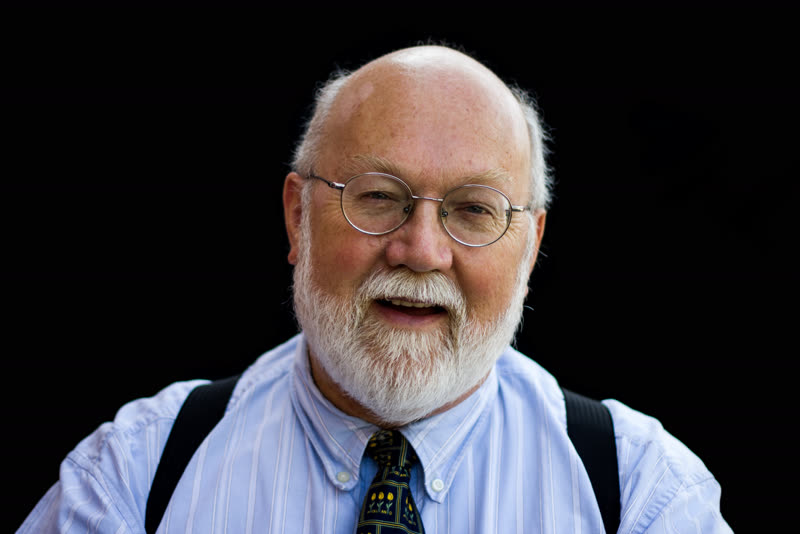 Tim Pasma Sunday AM Genesis April 23, 2017
Main passage Genesis 49:29-50
📖 Read the Scripture passage (ESV)
Genesis 49:29-50:14(ESV)
29 Then he commanded them and said to them, “I am to be gathered to my people; bury me with my fathers in the cave that is in the field of Ephron the Hittite, 30 in the cave that is in the field at Machpelah, to the east of Mamre, in the land of Canaan, which Abraham bought with the field from Ephron the Hittite to possess as a burying place. 31 There they buried Abraham and Sarah his wife. There they buried Isaac and Rebekah his wife, and there I buried Leah— 32 the field and the cave that is in it were bought from the Hittites.” 33 When Jacob finished commanding his sons, he drew up his feet into the bed and breathed his last and was gathered to his people.
50 Then Joseph fell on his father's face and wept over him and kissed him. 2 And Joseph commanded his servants the physicians to embalm his father. So the physicians embalmed Israel. 3 Forty days were required for it, for that is how many are required for embalming. And the Egyptians wept for him seventy days.
4 And when the days of weeping for him were past, Joseph spoke to the household of Pharaoh, saying, “If now I have found favor in your eyes, please speak in the ears of Pharaoh, saying, 5 ‘My father made me swear, saying, “I am about to die: in my tomb that I hewed out for myself in the land of Canaan, there shall you bury me.” Now therefore, let me please go up and bury my father. Then I will return.’” 6 And Pharaoh answered, “Go up, and bury your father, as he made you swear.” 7 So Joseph went up to bury his father. With him went up all the servants of Pharaoh, the elders of his household, and all the elders of the land of Egypt, 8 as well as all the household of Joseph, his brothers, and his father's household. Only their children, their flocks, and their herds were left in the land of Goshen. 9 And there went up with him both chariots and horsemen. It was a very great company. 10 When they came to the threshing floor of Atad, which is beyond the Jordan, they lamented there with a very great and grievous lamentation, and he made a mourning for his father seven days. 11 When the inhabitants of the land, the Canaanites, saw the mourning on the threshing floor of Atad, they said, “This is a grievous mourning by the Egyptians.” Therefore the place was named Abel-mizraim;[a] it is beyond the Jordan. 12 Thus his sons did for him as he had commanded them, 13 for his sons carried him to the land of Canaan and buried him in the cave of the field at Machpelah, to the east of Mamre, which Abraham bought with the field from Ephron the Hittite to possess as a burying place. 14 After he had buried his father, Joseph returned to Egypt with his brothers and all who had gone up with him to bury his father.
Transcript
Would you take your Bibles this morning and turn to Genesis chapter 49. Genesis chapter 49. I will be reading Genesis chapter 49 verse 29 through chapter 50 verse 14. You follow. Then Jacob commanded them and said to them, I am to be gathered to my people. Bury me with my fathers in the cave that is in the field of Ephraim the Hittite.
In the cave that is in the field of Machpelah to the east of Mamre in the land of Canaan, which Abraham bought with the field from Ephraim the Hittite to possess as a burying place. There they buried Abraham and Sarah, his wife. There they buried Isaac and Rebekah, his wife. And there I buried Leah. The field and the cave that is in it were bought from the Hittites.
When Jacob finished commanding his sons, he drew up his feet into the bed and breathed his last and was gathered to his people. Then Joseph fell on his father's face and wept over him and kissed him. And Joseph commanded his servants, the physicians, to embalm his father. So the physicians embalmed Israel. Forty days are required for it, for that is how many are required for embalming.
And the Egyptians wept for him seventy days. And when the days of weeping for him were past, Joseph spoke to the household of Pharaoh, saying, If now I have found favor in your eyes, please speak in the ears of Pharaoh, saying, My father made me swear, saying, I am about to die. In my tomb that I hewed out for myself in the land of Canaan. There shall you bury me.
Now therefore let me please go up and bury my father. Then I will return. And Pharaoh answered, go up and bury your father as he made you swear. So Joseph went up to bury his father. With him went up all the servants of Pharaoh, the elders of his household, and all the elders of the land of Egypt, as well as all the household of Joseph, his brothers, and his father's household.
Only their children, their flocks, and their herds were left in the land of Goshen. And there went up with him both chariots and horsemen It was a very great company When they came to the threshing floor of Atad which is beyond the Jordan they lamented there with a very great and grievous lamentations And he made a mourning for his father seven days. When the inhabitants of the land of Canaan saw the mourning on the threshing floor of Atad, they said, this is a grievous mourning by the Egyptians.
Therefore, the place was named Ebel Mitzrayim. It is beyond the Jordan. Thus his sons did for him as he had commanded them. For his sons carried him to the land of Canaan and buried him in the cave of the field at Machphila to the east of Mamre, which Abraham bought from the field from Ephron the Hittite to possess as a burying place. After he had buried his father, Joseph returned to Egypt with his brothers and all who had gone up with him to bury his father.
Let's pray. Father now would you open this text of scripture we know that you have for us what we need to hear this day in your providence you have brought us here in your providence you recorded these words and Lord we pray now that your providence bringing us together over this text your spirit would speak to us and teach us and to help us so that we will be people of faith we thank you now for all that you have done for us in Christ We pray now that one of the great rewards of his sacrifice, your spirit, will be at work in our hearts as we consider these words. In Jesus' name, amen.
Once again, let's join that nation leaving Egypt, those people hearing for the first time the story that we just read. You trudged toward a land that you have never seen, but which you hear had been promised to you many, many years ago. Your family has lived in Egypt for generation after generation. Generations have come and gone in that land. But now you're pulling up all your roots because God has delivered you from Egypt and is sending you to Canaan, the land that he had promised you.
You are a people despised by your Egyptian neighbors, not to mention the Pharaoh. Until recently, you were their slaves. You're only valued because of your labor. and now you've been the cause of untold trouble and plagues because the God of your people has brought all of these things down on the Egyptians. But as you leave that land you must realize that you on a journey of faith You headed to a land you never seen and you headed there solely on the basis of the Word of God Why should you believe that you will even reach that territory, and why would you believe that you can take it?
It is to people like this that Genesis is directed. All the way through this book, we have seen God keeping His promises. We have seen God making promise and keeping them. We have seen how God faithfully kept his promises, especially to the family of Abraham and his descendants. You have heard of Abraham and Sarah, Isaac and Rebekah, and finally Jacob, the great schemer who becomes a man of faith.
And now you come to the death of this last patriarch. What does that death tell you? Why does Moses include these particular details in the telling of the death of Jacob? The story, I believe, the story of Jacob's death is intended to move you to greater faith. It should move you to believe in the promises of God. As you read the details of Jacob's death and burial, you should be moved, first of all, to imitate the faith of Jacob, and second of all, to recall the faithfulness of God.
As these people are leaving that land, they are hearing this story, and God intends for those people, facing what they face, that they grow in their faith as they head for this new land. A land, of course, they'd never seen, but it had been promised to them by God. And like them, we're in a situation where we are thrown upon the promises of God. Are we going to believe them or not?
And the story of Jacob's death was intended to increase their faith, and so it's intended to increase ours as well. Let's look at this story together. Notice that after blessing his sons, Jacob then gives him these instructions. He commands them to bury him in Canaan, in the burial grounds of the family. the plot that Abraham had bought from Ephraim the Hittite in the cave in the field of Machpelah.
He insists that they bury him with Abraham and Sarah, Isaac and Rebekah and his wife Leah This is the only piece of Canaan that the people of God possess Having expressed his wishes then Jacob lays down and dies. Joseph, of course, is weeping and he kisses his father, and no doubt, even though it's not mentioned, his brothers mourn along with him. He turns his body over to the physicians to embalm him. now the Egyptians believed in embalming preserving the body because they thought they needed to preserve the body for the afterlife, you've got to have a body in the afterlife and so they would embalm the bodies in order to preserve it so you'd have something to move around in in the next world now Joseph and his brothers these people don't believe the same thing as the Egyptians however, this is a way to honor their father I mean, you know, he gets the full 40 day treatment okay this is the way to honor him this is something that was very special in that culture and they honored his father and to be honest with you it's going to make the process of taking his body to Canaan a lot easier it's not like they can get on a jet and fly it the casket there right and so they embalm him primarily I would guess so that they can make that trip more easily with that body.
Joseph then asks Pharaoh for permission to go on this mission, to fulfill his father's burial wishes. And he promises to return. And by the way, they leave behind their herds and their flocks and their children and probably the mothers with them as a guarantee that they'll come back. Of course, Pharaoh gives permission. I mean, Jacob is his right-hand man.
He's the guy that saved them, saved the whole country from starvation. And so he gives him his permission to go to the land of Canaan. But not only that, but you will notice that beginning in verse 3, you will notice that Pharaoh evidently declares a national season of mourning. it says there that all of Egypt wept for 70 days. It's not like everybody just wept for this clan leader by the name of Jacob.
Because 72 days 72 days was the common mourning period for a pharaoh. They're giving him 70. That is to say, the Egyptians honored Jacob in a way befitting a king. Now, you've been to military funerals or the funerals of veterans where they salute the veteran with a three-gun salute, right? Three volleys. But a president or a head of state gets a 21-gun salute, right?
Well, that's kind of what they're doing here. They're mourning for him for 70 days, two days short of an official mourning for a pharaoh. Therefore, they're treating him in a way that befits a king. But that's not all. He receives a funeral entourage that also befits royalty. It included pharaoh's court officials.
It included elders of the land, which would be officers that were responsible for the welfare of the Egyptian empire, also went along. and all of Joseph's official, if you can think of it this way, it's like all of the State Department going or all of the prime ministers, advisors, and everyone else that works for him in his administration, they all go along as well. In fact, it says it was a very great company that went there. Now, when you look at that word in Exodus chapter 14, verse 20, it's translated army or hosts. that is to say, this was a huge entourage.
This was unbelievably big, so that when the Canaanites looked at him, it looked to them like it was an army. That's the kind of honor they bestowed on Jacob. When I was eight years old, I saw something I will never forget. It was the funeral procession and the funeral of John Kennedy, the President of the United States at that time. I can still remember that coffin draped in an American flag on a caisson.
I can still see, in my mind, I can still see that horse, Black Jack was his name, in which the boots of an absent rider are turned backwards in the stirrups as the guy leads that horse behind the caisson. There was an honor guard made up of representatives of every branch of the military. I saw what appeared to me mile after mile after mile after mile of military units marching behind that coffin I remember seeing these foreign dignitaries The one that stands in my mind is Charles de Gaulle, this huge tall guy, along with all kinds of heads of state, walking in that funeral possession.
And not only that, but there was a 21-gun salute, not with rifles, but with artillery, that went off after they reached Arlington. Now, all of that impressed my third-grade mind with the idea, this guy must have been very important. Now, I knew he was the president. But man, that really impressed upon me the dignity and the power of that office. That whole funeral procession was something that impressed clearly upon me how important this figure was.
And so it is with Jacob. That's exactly what's going on with Jacob. That's what he wants to communicate to you. that this is, this entourage that accompanies him to the land of Canaan is such a big affair that it looks like a king is being buried. They cross the Jordan and Joseph has seven more days of mourning. Of course, this army of Egyptian officials catch the attention of the Canaanites there and they named the place Mourning of Egypt, Ebel Mitzrayim, Mourning of Egypt.
At last, having reached Mamre, the boys, his sons, carry Jacob's body to the burial place and interred there. And soon after, they returned to Egypt. Now the point is this. As you look at this through the eyes of the Israelites leaving the Exodus, it becomes clear that God's intention is to encourage you to a greater faith, a stronger faith, a faith in the promises of God.
How so? The story first says to you, imitate the faith of Jacob. Imitate the faith of Jacob. Jacob story now has stretched over half this book Do you realize that The story of Jacob takes up half the book of Genesis and we have witnessed his journey from a schemer to a believer Although the birthright was promised to him by God, he manipulated and schemed to get it, not believing God's promise.
You recall that although God promised to be with him, and to bless him and to bring him back on that night when he laid his head on that stone and saw the vision of the stairway into heaven. Even though God at that point had promised to him very clearly, I will be with you. I will bless you. And I will bring you back to this land. Nevertheless, he continued in his manipulative, scheming, underhanded ways.
However, in all of Jacob's compromise, In all of his weaknesses, God remains true to his promises. You see God protecting him. Right? You see God protecting him against his cheated brother, against an enraged Laban, and against vengeful Canaanites. God protects him every step of the way. He prevailed with God through weakness.
You remember, he is wrestling with God. You remember that? on that faithful night, he's wrestling with God and he wants God's blessing. And when it appears like God is going to leave him, and God actually lames him permanently from that point on for the rest of his life, he will not let go. He says, I cannot let go until you bless me. Finally, finally in his weakness, in his weakness, he is blessed by God.
He comes to the point of realizing that. And so here he is now, a man of faith, believing that God will keep his covenant promises. The promise that Canaan, the whole land, belongs to his family. For one, he gives a detailed description of the burial place. You know, it seems like the narrative of Jacob just keeps moving along. and all of a sudden when we're at the death scene, which starts in chapter earlier, when he's blessing his sons, when it starts there, all of a sudden everything comes to a stop And now we get this microscopic look at Jacob life at the very end when he dying Why is that It that we get the idea that here a man of faith You see that right now in this very microscopic thing.
He's talking about the burial place and he goes into incredible detail about it. Do you notice that? It doesn't say bury me in the family burial plot. What does it say? I am to be gathered to my people. Bury me with my fathers in the cave that's in the field of Ephron the Hittite in the cave that is in the field at Machphila to the east of Mamre in the land of Canaan, which Abraham bought with the field from Ephron the Hittite to possess as a burying place.
Why does he do that? It's a detailed description. Well, it's like this. If I would say to you, there's a place in my mind, it's got a big white farmhouse, a big red barn, it's got a chicken coop in the back, it's got a little house in the back, it's got a lot of nice trees around it, that's my home. Would you believe it if I told you that was my place?
You would tend to believe it because I know all the details about that place. So it is with him. This detailed description of his intended burial plot, Jacob is saying, that's our land. That is ours. And someone might say, but how can you say that, Jacob? Everything around it belongs to the Canaanites.
And he would reply, it is ours. God promised it, and it's as good as ours. By his wishes to be buried there in that place in Canaan. Jacob says, home is Canaan. There is no home outside of that place. That is our home.
Now again, remember, do they have Canaan? You know how much of Canaan they possess? A burial plot. That's it. That's all they have. But he's going to be buried there because that's home.
That's home. Recall though, he lived for decades in Mesopotamia. He lives for many years in Egypt. And there's that peace in between where he lives as an adult, where he lives in that land. Right? I spent almost 18 years in Wisconsin.
I've spent a total of 36 years in Ohio. I've spent 8 years in Indiana. What would you think if I said to you, when I die, bury me in Waukarusa, Indiana? Well, you might think I'm kind of crazy. Why would you go there? What's Waukarusa anyway?
But beyond that, you would probably think, well, that's where he considers home. That's what Jacob's doing. Bury me there. That's home. That belongs to us. That's where we all belong.
When we die, that's where we go. That belongs to us. It's a statement of His love. faith. And his commitment shows his common faith with his ancestors. Along with them, he believed in the promises of God made in that covenant to Abraham, that God would certainly fulfill it. What he's saying is, bury me there because they are there because they believe that I want everyone to know that I believe it too.
I believe just like they did, that the covenant that God made with us, he will fulfill. So take my body, take it there, and bury me with my ancestors. This is a promise that his sons can embrace. This is what he's trying to communicate to them. Take me home. That's the kind of faith we ought to imitate.
Like Jacob. For one thing, like Jacob, you too can grow in faith. Right? Remember this, Jacob is not here, full-blown, faithful man, believing in God like he's been that way his whole life, right? He's not been that way. God put Jacob through the ringer, didn't he?
I think that's putting it mildly. He has a brother who threatens to kill him. He has a cheating, manipulative uncle, Laban. his unruly violent sons. And remember all those years when he thought Joseph was dead. Right? Those are hard times.
And through it all, Jacob learned to trust God. Jacob is here expressing this kind of faith, believing that God would keep his promises. Because he's lived a life where he has seen that God did keep his promises. and even when he was unfaithful, God stayed with him. And he was weak and compromising a lot. I mean, do we have to go through the whole story again?
The whole story of Jacob is a story of a guy who begins as this incredible manipulator and here he is, a man of faith, and all that happened with him brought him there. You know, you can imitate Jacob's faith, first of all, by saying, I can grow in this. You can say to me, my faith is weak. I have a tendency to bail out instead of believing the promises of God and my response to that is imitate Jacob and stay with it Stay with it Remember that God is faithful and he will bring you through God puts you through difficulties and trials and life in this broken world in order to convince you that you can trust him.
By the way, I don't know that any of us would trust God unless we're put in a position where we have to. I mean, we do some. I mean, we do trust God, but it really comes out when we're put through hard times and we have to depend on God in a way that we haven't before, and that's how God strengthens our faith. Imitate Jacob. Stay with it. Grow.
Don't give up. Don't give up. If you want your faith to grow, imitate this kind of faith. That is, believe all that God has promised. You look to the future. Right now, you look to the future and you see a culture that's deteriorating at a rate that we never thought possible.
It seems like evil is advancing in like in the speed of light right now. And some of us have a tendency to lose hope. We see our culture deteriorating and it's becoming more and more hostile towards people like us. And we tend to lose hope and that's expressed in ways like this, oh man, what are our children going to face? What's going to happen to them?
Or, man, this life just is so uncomfortable for me. Look, can you look at the history of God's promise-keeping in your life? Can you look over your life and see God's promise-keeping to you, how he kept his promises for you? By the way, I think one of the ways we can really learn to grow in our faith is to just stand, turn around, and look back. and look at all those things in your life where God kept His Word to you.
That is an amazing thing. That is an amazing thing when you do that. Sometimes we just need to take time to look back. We don't even have our own lives. That's not all we have. We have the whole Bible.
Don't we not? Do we not? Can you see God's faithfulness all through Scripture? Can you see it? I mean, we've got the whole history of redemption laid out for us. And we can go you can drop your finger in the Bible anywhere and you going to find the faithfulness of God You going to find him keeping his promises Can you trust that kind of God The answer is of course you can When I was preparing this sermon, I wrote this, pull out any promise that God has made.
So I said, okay, I'll do it. So where did my finger land? My finger landed, or I went to Matthew chapter 5, verse 5, where it says, how enviable are the meek, for they will inherit the world. Alright? Hmm. You think God will keep that promise?
Seriously, do you think God will keep that promise? You know what he's saying there? He's saying when it's all said and done, my people, the meek ones, the ones who aren't fighting and fussing over what we've got to have and our rights and what... that's not my people. They're the meek ones. What's going to happen? They get the whole thing.
Right now we're thinking, man, it's really tough. It's really hard. We don't have any influence. We don't have anything. It's going to be really... And God's saying, hey, you get the whole thing at the end.
Stop your fussing. Do you really believe that promise? Do you believe that promise? You see, Jacob had his little burial plot. but he believed his family was going to get the whole thing. Same thing is true of you, by the way. We may have a little here, but we get the whole thing in the end.
It's ours. To me, that's just an amazing thought. You know, you've got whole nations fussing over land. And at the end of it all, when the judgment's over, we get the new earth, and the whole thing is ours. That's what he's saying here. Imitate the faith of Jacob.
Believe God when he says what he says and be confident in that. Be confident in that. Faith ought to change the way you live now. Looking to the future and believing what God has said and saying, it's a sure thing, ought to change the way you are right now. Imitate the faith of Jacob. But he also tells us here to recall the faithfulness of God.
So we want to imitate the faith of Jacob, but we also want to recall the faithfulness of God. Moses interrupts the basic story of Jacob burial in these verses to show you something interesting And I marked it out in my Bible and that is from the second half of verse 7 down through verse 11 It seems like almost an interruption. Because we're just talking about getting buried in Canaan and all that sort of thing, and all of a sudden we have all these details about elders here and officials there and all that sort of thing.
Why would Moses do that? Why is that important to the story? Remember, always remember when you're reading the Bible, there are no useless details. Moses included these details for a reason. He could have just said what? And Pharaoh gave them permission and they went and buried Jacob in Canaan.
But he doesn't. He goes through all these incredible details. What is going on here? What you see here is this leader of a little clan receiving the honors due a king from the most powerful man in the world. He's being honored as if he's a king by the most powerful man in the world. From calling the nation to mourning to official and military escorts, Pharaoh honors Jacob.
Why is that there? Why is that there? It's there so that you recall the faithfulness of God. And to do that, you've got to go back to chapter 12. Go back to chapter 12. Here's what God promised Abraham.
Verse 2. As He calls Abraham, He says this. I'm going to make you some promises. And I will make of you a great nation, and I will bless you and make your name great. So that you will be a blessing. I will bless those who bless you and him who dishonors you I will curse.
And in you all the families of the earth shall be blessed. You see, I'm going to make you a great name. I'm going to make you a great nation and a great name. Here is Jacob with a great name. God's keeping that promise. Here is Jacob with this huge honor of something that you'd never expect.
I mean, this is an old man. The only reason why Pharaoh knows him is because of Joseph. But for some reason, Pharaoh gives him, elevates his name, and gives him all these honors. Now why is that? so important. Because the Israelites leaving Egypt for Canaan need to know that. They're despised.
So are we, by the way. We too are despised. You remember that the Israelites hearing this are only valuable for their labor. They were despised by the Pharaoh and his people. But generations before them, what happened? There was a Pharaoh who had given the highest honors to their family leader.
Will God keep His promise for them? Will their name be exalted? Now what do you think Moses is trying to communicate to these people? God did it already. Do you think He can do it again? Alright.
All the officials of this great nation pay honor to Jacob. And they escort his body. We've got empire officials. We've got officials from Pharaoh's household. We've got the prime minister's officials there. All of them are there to honor this man.
Now, these people leaving Egypt, hearing this story, are what? They are despised. They are despised by Pharaoh, by his officials, by everyone. What's Moses trying to say? You're despised now. Do you think God can change that?
You think God can change that? Do you believe God can change that? He's a faithful God. And it's interesting to me, and it struck me too as I read this, he makes a big deal out about chariots. You notice that? Chariots and charioteers are also escorting them in this honorable, this sign of honor.
Well, when you read the Exodus, do you see chariots in that story? Yeah. What are they doing? chasing them down until they get so frightened you remember what happens God puts the big cloud right between them and the Egyptian charioteers and then he gets them across the Red Sea and he wipes out the chariots Now what the point What's the point? The chariots aren't treating them that way in this story, are they?
They're their escort, not their enemy. Do you think God can change that too? Do you see what I'm saying? This is what Moses is trying to communicate. He's saying, look at what happened in the past. Do you think God could do that again?
Absolutely He can. Certainly He can. Now like them, we too are despised. But God has promised us greatness as well. He has promised us greatness as well. What did Jesus say?
Let's go back to it. The meek will inherit the earth. You know, like Jacob and like God, like Jacob, God's people, that is us, have very little of this world, don't we? We don't have much of it. And we don't have much influence in getting what we think is ours, right? We don't have much influence.
But can you bank on that promise that we get the whole thing? And does that change the way you're looking at the world now? Is God going to be faithful? Is he going to be faithful to his promise? Absolutely. Absolutely.
Does it seem to you that most folks despise us as followers of Jesus? And they despise us for what we stand for? At least in our culture, we're approaching being despised. There are Christians all over the world today who are dying and suffering because they follow Jesus. what hope do they have? As the despised, at one point the Apostle Paul describes himself as the scouring of the earth That is like you know like when you done frying eggs in the pan and you scrape out all that stuff that left behind He says, that's what we are.
That's what we are. In the sight of the world, that's what we are. We're just the stuff that you scrape out of the pan. Right? Well, is that always going to be the case? No.
Listen to Romans 8. this promise from God in Romans 8, 16 and 17. The Spirit himself bears witness with our spirit that we are children of God. And if children, then heirs. Heirs of God and fellow heirs with Christ provided we suffer with him in order that we may also be glorified with him. All through the New Testament. Another place is 2 Thessalonians chapter 1, where it talks about Jesus being glorified with his saints.
1 John chapter 3, verse 2. What are we now? We are the children of God, but the world doesn't see it. But on that day, they will. You see, God's made a promise. He's saying to us, we may be despised, but someday we'll be glorified. we may be the scouring of the pan now, but someday we're going to reign and rule with Jesus.
You see, God will keep his promises. God is faithful. Remember the faithfulness of God. Now, the question is, can we have the same confidence that Jacob did? And the answer is, of course we can. But your faith has to find a resting place in Jesus.
Why? Why in Jesus? because at the cross Jesus bought us for God and so in a sense he purchased us for God so that God is ours and we are his and we inextricably bound to this God do you think that God is going to be faithful to us You see he sacrificed his son to make us bound to him by covenant You think he'll keep those covenant promises he's made to us? Yeah, he will.
We will see glory. We will see what he has promised. It is as sure as, it is ours, just like Jacob. It's as if it already belongs to us. we can live that way because of that cross God has bound himself to you and he will keep that promise and you can count on the faithfulness of God because of a faithful savior God wants us to grow in faith he wants us to live in a way that says I see beyond what's happening now and I see what God has promised and that is just as real, if not more real, than what I'm seeing now.
I can live that way in confidence and joy because God is faithful. Father, thank you for your word this morning. Thank you that you kept your promises to these people. The covenant you had made with Abraham that we see fulfilled in these words. we thank you for the faith that we see in Jacob our prayer this morning is help us to live like that help us to grow in our faith so that as we live by faith we can live with confidence and joy God help us to remember that when things are hard and things are difficult or when everything looks bleak remind us of your promises help us to believe those promises and then to live in a way that reflects that kind of faith work that in us we pray for your glory in Jesus name Amen