Cornerstone Of The Reformation
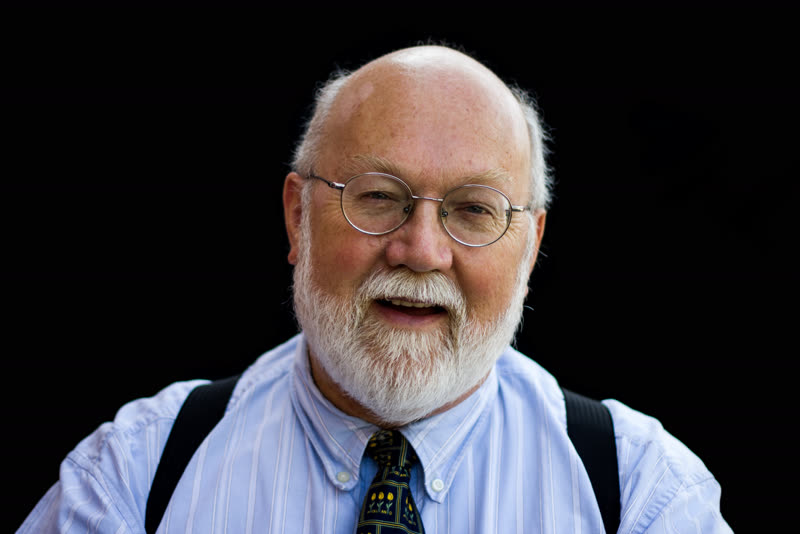 Tim Pasma Sunday AM Reformation Sunday October 29, 2017
📖 Read the Scripture passage (ESV)
How do you light the fires of revolution? Must you amass an army and some major firepower?
What does it take? Does it take years of secret planning? Do you need to educate the common people in your ideology? God lit the fire of the Protestant Reformation through a simple pastor concerned for the souls in his congregation. Through that pastor he launched a revolution that turned the world upside down. Through that pastor he changed the course of Western history - the world would never be the same again. But most importantly of all, through the concern of that pastor, the gospel of God’s grace was recovered from centuries of corruption. Listen to "Cornerstone of the Reformation: Sola Gratia, from LBC's Reformation Sunday service, and hear the good news of grace recovered, in God's providence, by Martin Luther.
Transcript
Let's pray together. Remember your marvelous grace that is extended to us, a grace that freely grants to us the righteousness of Jesus, a grace that you freely give, a grace that is ours, a grace, Lord, that settles our hearts in hope. because we know that we can never, ever do enough to earn Your favor, but only receive from You what You require from us. Father, help us to rejoice in Your grace today.
We thank You in Jesus' name. Amen. Suppose there's a professor at the University of Scranton, Pennsylvania. Scranton. Probably some of you have never heard of Scranton. Some city in Pennsylvania.
Some professor there writes a book and suddenly the whole country is aflame with the ideas of that book. That gives you a sense of what happened when Martin Luther nailed 95 theses on the door of the church in Wittenberg. He started a revolution. What does it take to start a revolution? Well, it takes the providence of God. That's all it takes.
God lit the fire of the Protestant Reformation through a simple pastor concerned for the souls in his congregation. and through that pastor he launched a revolution that would come down through the ages and turn the world upside down it's through that pastor that he changed the course of western history the world would never be the same again but most importantly of all through the concern of that pastor the gospel of God grace was rescued from centuries and centuries of corruption That rediscovered gospel freed millions of people from the burden of what they carried in the teaching of their church. It gave them the easy yoke of Jesus who said, come to me all you who are weary and burdened and I will give you rest. It gave them Jesus as Savior.
That pastor, of course, was Martin Luther, and it was he whom God used to trumpet the grace of God, that is, the free forgiveness, the free forgiveness of sins in Jesus. The fire of that revolution of grace was lit in the waning days of October 1517. Pope Leo X, in an effort to raise money to build the church in Rome, St. Peter's in Rome, that church which still stands today, in order to build that church, authorized the sales of the certificates of indulgence.
What are certificates of indulgence? Well, the Roman church taught that it had a custody of the treasury of merits. What's the treasury of merits? It was simply this. You had to live a good life to get to heaven. And some of the saints had lived such exemplary, fantastically good lives that they had more merit than they needed.
And so that extra merit went into the treasury of the church. And the church could dole out that merit to people in order to shorten their sentence in purgatory. And so in order to raise money for the church, the St. Peter's in Rome, the Pope authorized the sale of indulgences so that you could buy these indulgences and find your time or the time of a relative reduced in the suffering of purgatory.
Johann Tetzel was a Dominican monk, and he was appointed an agent to sell these certificates of indulgence in the German states. Tetzel promised his listeners that they could purchase remission for their sins or the sins of loved ones in purgatory. He even said, if it were possible that you could violate the Holy Mother, Mary, you could buy a certificate of indulgence for that.
He was quite the salesman. He had a catchy slogan. As soon as the coin in the coffer rings the soul out of purgatory springs People came from far and near to purchase the certificates seeking to liberate loved ones from the fires of purgatory But some of those folks came from the congregation of Dr. Martin Luther, pastor of the church in Wittenberg and professor of the Bible at the University of Wittenberg there. he told the souls under his care that they had been cruelly deceived that the church could not dispense such grace he spoke out vigorously against the sale that deceived and damned those who put their trust in those certificates and so on October 31st 1517 aflame with indignation and concern Dr.
Luther went to the door of the castle church and nailed on that door 95 theses, or if you will, 95 propositions concerning the sale of indulgences. Now that action was nothing extraordinary. Again, it was like a faculty member posting an invitation to debate on a bulletin board. That's all it was. He was calling on scholars from around to come and let's debate this whole issue of indulgences.
That was his intent. It was to gather scholars at the university to debate this thing. But in God's good providence, that ordinary action of posting some theses on the town bulletin board lit the fire of this revolution that never went out. because you see for Pastor Martin God's grace was God's grace it cannot be bought, sold or parceled out in indulgences the very understanding of the gift of God's grace was at stake in this whole issue if you do not understand the grace of God you have no hope And that is true, as true today as it was 500 years ago.
It is still true. And so with the Reformation came the cry on our bulletins, sola gratia, by grace alone. Salvation comes by grace alone well just like dr luther you too must recognize God grace to you in salvation Luther was angry because no matter what anyone else said, the scriptures asserted that God declares you righteous freely, without anything from you.
He does it without a thing from you. Turn to Romans chapter 3 with me today. Romans chapter 3. Let's begin in verse 21. Now, but now, but now, the righteousness of God has been manifested apart from the law, although the law and the prophets bear witness to it. The righteousness of God through faith in Jesus Christ for all who believe. for there is no distinction for all have sinned and fall short of the glory of God and are justified by his grace as a gift through the redemption that is in Christ Jesus whom God put forward as a propitiation by his blood to be received by faith but now the righteousness of God has been manifested apart from the law.
Remember what the Apostle Paul has said so far. He says that the whole world lies under the sentence of God. Every human being is damned. Can I put it that strongly? Every human being is under the sentence of God's wrath without exception. He's just got done saying that.
In chapter 1 he says, what about people who've never heard about God? And he says, God reveals himself in nature and man is so wicked that even though he knows there's a creator, he suppresses the truth. He suppresses the truth in his unbelief and in his unrighteous actions. He refuses to believe that. They're condemned on that count. What about those who do have the Bible? well they don't obey God either they also go against what God says they know clearly what God says is right and wrong and what do they do? they disobey until he comes in verse 19 of this chapter and says now we know that whatever the law says to speak to those who are under the law, so that every mouth may be stopped, and the whole world may be held accountable to God.
For by works of the law, no human being will be justified. That means made right with God, not by obeying what God says in his sight. Since through the law comes the knowledge of sin. The only thing law can do is tell you that you're a sinner, and you can try to keep it, and You never can. But now, he says, but now, the righteousness of God has been manifested apart from the law.
There's a righteousness that's not part of the law, not something that you do. It's the righteousness of Jesus. God makes two declarations. You are guilty, and you cannot rid yourself of that guilt by any effort to observe the law of God. You cannot. Now listen, if you're here today, hear these words.
If you're here today, listen to me now. If you are here today and you are thinking, okay, I'm coming to church and I'm doing all these good things and by that God will accept me, you will be utterly, horribly surprised on Judgment Day. Because the Bible clearly says here, For by works of the law, no human being will be justified in his sight. God clearly says, stop trying to obey my law to be accepted by me.
You'll never do it. The only thing the law does is point at you and say, you can't do it and you're a sinner. That's all it can do. It can do no other. You cannot earn any righteousness before God. much less buy it. You can't buy it either.
Since God will never declare you righteous by your efforts to observe the law, that righteousness must come from another source. And there it is in verse 21. The righteousness of God has been manifested apart from the law, although the law and the prophets bear witness to it. They point you in that direction. The righteousness of God through faith in Jesus. how do you acquire that much needed righteousness through faith in Jesus God says I require righteousness you say how can I have the righteousness that meets your standard he says I have it and you get it by faith in Jesus what happens when you trust in Jesus You are justified Verse 20 that word justified If you have the New International Version, it has declared righteous.
I love that translation. Declared righteous. You're declared righteous. You're declared as, yes, you've done. You're declared righteous before God. the verdict for which one had to wait until the day of judgment is rendered the moment you believe the verdict what's going to happen on judgment day you say well I already know the verdict I'm justified and when that day comes I won't be surprised because I put my faith in Jesus and he already tells me I'm justified now the verdict of that last day has been brought right up here to the present you already know what the judge is going to say on that day if you trusted jesus god brings that ultimate future verdict into the present recall what the roman church taught in luther's day and still teaches to this day still teaches to this day that you can never know that verdict until the day of judgment you will never know the verdict until the day of judgment the Bible says you can know it today but here's what you must see and take note the verdict comes to you freely by the grace of God do you see that? do you see that? verse 24 you are justified by his grace as a what? gift You don't do anything to earn it.
God just gives it to you. It's free. It's free. Can you just embrace that truth for a moment? Absolutely nothing you can do, nothing you will do in the future, nothing you can do now, or nothing you've done in the past. It doesn't count for anything.
It's free to you. Free by the grace of God. Nothing you are or did constrain God to give you that gift. Nothing you are or did compels God to declare you righteous. He does it freely. In fact, everything you are and did compels God to curse you.
Everything you are and did compels God to curse you to condemn you But you see this is grace Although you merit damnation God freely justifies you not because you earned it but because he gives it to you as a gift. You are justified through faith by grace and grace alone. There's nothing you do. That's what the Bible says. Clearly says it there. You see, Luther recognized that God saves by grace alone.
Martin Luther came to understand that after years of trying to earn that verdict of righteousness from God, he came to understand years later that it was free, that you couldn't earn it. Luther was the son of a prosperous silver miner. His dad, Hans, sent him to the University of Erfurt. He wanted him to be a lawyer. And one day as Luther was on his way back to school, a thunderstorm suddenly overtook him.
A bolt of lightning struck a tree nearby and he fell to the ground. And in fear he cried out to Saint Anne, who is the patron saint of miners. And he called out and said, Saint Anne, I will become a monk. And in keeping with that vow, he entered the Augustinian monastery in Erfurt. So young Martin presents himself to become a monk. And there he's received in a ceremony that set the course of what he believed would earn him his salvation.
The head of the monastery, who's called a prior, the prior stands upon the steps of the altar while Luther prostrates himself before him. And the prior asks, What seekest thou? To which the young novice replies, God's grace and thy mercy. The prior then raises him up and asks if he was married, a bondsman, or afflicted with secret diseases, to which Luther replies, No.
The prior then describes to him the rigors of the life he now enters, the renunciation of self-will, the scant diet, the rough clothing, vigils by night, labors by day, the mortification of the flesh, the reproach of poverty, the shame of begging, and the distasteful existence of life lived in this cloister, not among other people, but just with these monks. Was he ready to take upon himself these burdens? And the answer was, yes.
And this is the answer that he was to give. Yes with God help and insofar as human frailty allows And then he was admitted to a year of probation As the choir sings his head is tonsured which means it's shaved so that, you know, they have that ring of hair. Of course, if you don't have any up here, it doesn't count. But he's tonsured so everyone can recognize him as a monk.
And he's given the clothes of a monk. over him the prior prays this this is the official prayer of what the prior would pray when you accepted a novice into the monastery here oh lord our help our heartfelt pleas and deign to confer thy blessing on this thy servant whom in thy holy name we have clad in the habit of a monk that he may continue with thy help faithful in thy church and merit eternal life through jesus Christ our Lord. Amen. And merit eternal life.
And merit eternal life. Luther then prostrated himself, his arms out like in a cross. And the prior admonishes him with these words, not he that hath begun, but he that endureth to the end shall be saved. Do you hear what they say? you walk away from this and you're lost you've got to endure now this these rigors to the end a new life began but there's no grace here no free declaration of god's forgiveness through jesus but a life of human agony intended to earn for young martin luther his place in heaven and his peace with God.
And that life of seeking to earn the righteousness that he needed to be right with God proved to be a road of agony and even hatred. Luther was to perform his first mass and he approached the altar with the intention of turning the elements into the blood and body of the Lord Jesus. Remember, the cornerstone of Catholic theology back then and even today is that in the mass, the elements, the bread and the wine are literally turned into the body and blood of Jesus.
So that by eating the body and blood of Jesus, you receive grace. You receive grace to help you do better in earning your salvation. By the way, I don't know if you noticed that, but that's a kind of a contradiction in terms. Have you thought of that? I have to come, eat, receive grace so that I get power to do what I'm supposed to do to earn my salvation.
Be that as it may, that's the official teaching of the church. He took his place before the altar and began to recite the words of the Mass. We offer unto thee the living, the true, the eternal God. In other words, we're offering Jesus to you. It's a re-sacrifice of Jesus in the Mass. Remember that as well.
That's still true today. as he lifts the elements up to consecrate them and turn them into the body and blood of Jesus at that point terror strikes him it was there that he realized as he later said I am dust and ashes and full of sin and I am speaking to the living eternal and true God and he couldn't go on with the mass he stopped and he couldn't go on from that moment he lived in fear of the condemning sentence of God. And so he began in earnest to live up to the prayer of his prior that is to merit the salvation by great deeds of mortification, by great deeds of killing the sin in his body. He began to go to his superior to confess his sins, sometimes taking as much as six hours a day in the confessional.
Now I feel bad for Luther, but I'm trying to think of the priest on the other side of that screen, listening for six hours. His superior, Father Staupitz, he confessed sins so that they could be forgiven, and he would ransack his memory. Only sins that you confess could be forgiven. Right? If you didn't confess some sins, they weren't forgiven. You had every sin.
And so he would ransack his memory, probe his motives, think of every little sin that he had committed. After hours in the confessional, he would leave and then return a few minutes later because he remembered some foible he'd forgotten. At one point, his exasperated superior, Father Staupitz, exclaimed, Brother Martin, if you're going to confess so much, why don't you go do something worth confessing?
Kill your mother or father. Commit adultery. Quit coming in here with such flummery and fake sins. give it a rest and then he would be plagued with another thought What if I wasn contrite enough What if I wasn sorry enough I've confessed everything I can think of, but what if I wasn't sorry enough? Then what? Driven to despair, Luther relates this. This to me is a sentence that just sticks in my head.
This is what Luther would later write. I was myself more than once driven to the very abyss of despair, so that I wished I had never been created. Love God, I hated Him. Because this is the God who condemns us because we're depraved. This is the God who condemns us because we commit sin. God, I hate you. and of course what do you think that would do to him drive him further to despair oh no I hate God right he was a life not of peace with God but a life of despair seeking to earn the favor of God there was no grace and there was nothing but despair so Father Stalpitz in an effort to help him sent him to the little city of Wittenberg, there to become professor of Bible in that little university.
Now, as I told the Sunday school class this morning, one thing you need to understand is that universities back then were all church schools. There's no such thing as Ohio State University, okay? There's no such thing as that. All the universities were church schools. They were all connected to the church. And so there was always big theology and Bible departments, all right?
And so as professor at Bible, He begins this intense study of the scriptures in order to lecture. And it was there in the Bible that the grace of God began to dawn. The first tiny little streaks of light appeared. He was preparing lectures on the Psalms when he came to the 22nd Psalm with the first verse. My God, my God, why have you forsaken me? the very words of Jesus.
And he asks, why should Jesus know such desperation Why should Jesus feel the same way as me How is that possible Luther knew why he had such desperate feelings, because he was impure, he was unholy, he was unrighteous before a holy and righteous judge. He knew why he felt that desperation. But Christ was not impure. Christ was not impious. Christ was not unrighteous.
Why should he be overwhelmed with such desperation? He couldn't understand that. Why should this one who is holy and righteous be overwhelmed with the same desperation that I feel? The answer must be that Christ took upon himself our iniquities. that he so identified with us that he also felt the same alienation from God. That could be the only answer.
And the light of grace began to break. Next he went to the book of Romans and he began to study the book of Romans and saw for the first time that God's justice does not just condemn, but yet God in his justice actually saves helpless sinners like him. How could this be? how could this be how could righteousness which is this unimpeccable standard of god that cannot be broken which will be used to judge me how can he and his righteousness save me and in romans he found the answer and here's what he wrote night and day i pondered until i saw the connection between the justice of god and the statement that the just shall live by his faith.
Romans 1.17 Then I grasped that the justice of God is that righteousness by which through grace and sheer mercy God justifies us through faith. Thereupon I felt myself to be reborn and to have gone through open doors into paradise. The whole of scripture took on a new meaning And whereas before the justice of God had filled me with hate, now it became to me inexpressibly sweet in greater love.
This passage of Paul became to me a gate to heaven. Now listen here what he writes If you have a true faith that christ is your savior then at once you have a gracious god for faith leads you in and opens up god heart and will that you should see pure grace and overflowing love do you see that the grace of God like the noonday sun now shown brilliantly on Martin Luther it's all of grace there's no earning it God justifies freely because he's gracious you are not the laborer who labors for that salvation but you are the beggar made rich as God the father because of his son freely bestows the riches of salvation and forgiveness on you because of His grace. Listen to this one hymn he wrote.
And by the way, did you notice the hymn, the second hymn we sang today was written by Martin Luther. Weren't those marvelous words? The words of the second verse, right? If we could do it, if we could do it on our own, but we can't. It's all by grace alone. Here's a hymn that he wrote.
And he wrote many. He wrote a ton of hymns. here's one that he wrote I don't know the title to it here's what he says I cry to thee in direst need oh God I beg thee hear me to my distress I pray give heed oh father draw thou near me if thou shouldst wish to look upon the wrong and wickedness I've done how could I stand before thee with thee is not but untold grace evermore forgiving we cannot stand before thy face not by the best of living no man boasting may draw near all the living stand in fear thy grace alone can save them therefore in god i place my trust my own claim denying believe in him alone i must on his soul grace relying. He pledged to me his plighted word.
My comfort is in what I heard. There will I hold forever. But what does this have to do with you? Recognize that God's grace saves you. I want you to turn to a familiar passage. It's in Ephesians chapter 2.
To me, this is the passage that says so much about grace, that says, that lays out grace to us in a way that you cannot deny it. Some of you today may not be tormented like Luther was, but you may be laboring under the same misunderstanding. You may think that you are good enough to get to heaven. You may think that you can earn your way with God. God says otherwise listen to what he says in Ephesians 2 we heard it this morning already once and though and you were dead in the trespasses and sins in which you once walked following the course of this world following the prince of the power of the air the spirit that is now at work and the sons of disobedience among whom we all once lived in the passions of our flesh carrying out the desires of the body and the mind and were by nature children of wrath like the rest of mankind.
You have a distorted view. If you think you're good enough, listen, you have a distorted view of your condition. You think you're able to do what God expects you to do. But God says you're dead. You're dead. You're dead.
You know, I remember the day I walked into the hospital room and saw the body of my mother laying in that bed. She was gone. I could have said goodbye to her for the rest of the night. She wouldn't have heard a word I said. It was too late for that, wasn't it? No dead body can hear.
No dead body can respond. No living human being can listen, hear, and obey what God demands. You're dead. You're dead in your sins. You are powerless. You have a distorted view of your abilities. notice what he says here you're a follower of satan you're a follower of satan you remember so many years ago can you still see the images of those planes flying into the building in new york those two buildings in new york city can you still see that why did those people do that they were followers of osama bin laden they were followers of him they did whatever he said now you may not be killing cats or sacrificing babies in dark ritual places.
But if you're not a believer, you belong to Satan Even the most righteous holy people who have never believed in Jesus are slaves of Satan That what he says here Apart from Christ you sold out to Satan You a slave to your desires and your cravings, he says here. Suppose you've been at work for 12 hours and the only thing you've had that day is a Pop-Tart at seven o'clock in the morning before you went to work. And now you come home and you walk into the kitchen and your stomach is growling.
You have this incredible empty feeling in your stomach. You've got this ravenous hunger, and on the table is steaming roast beef with mashed potatoes, corn, and peas, and freshly baked rolls with homemade strawberry preserves and scrumptious apple pie. Let's see you sit down at the table and carry on a polite conversation at that point, right? Oh, me?
Oh, no, thank you. I'm not hungry, right? No. You can't help yourself. You are so hungry, you're going to dive in. You're so hungry.
So it is with sin. You cannot resist satisfying the cravings of sin. You are sold out to sin. You cannot help but satisfy its cravings. You have a wrong. You have a distorted view of God.
God understands. He won't condemn me. He knows that we make mistakes. How are you described here? Before Christ, you're described as an object of wrath. An object of wrath.
Don't think that God is like your teacher that looks at you after you've disobeyed and you smile with those cute little dimples and the teacher says, okay, it's all right, never mind. God's not like that. You're objects of wrath. He is not an indulgent school teacher who winks at wrongdoing. What is God like? verses 4 and 5 here's what God is like look at verse 4 but God being rich in mercy you know what mercy means? it means compassion it means he feels sorry for you alright God who is rich in mercy because of the great love with which he loved us even when we were dead in our trespasses made us alive together with Christ by grace you have been saved.
Do you see that? By grace you have been saved. God defines that. God gives you the proper view of himself What does he do He raises you from the dead What have you done to get him to raise you from the dead Nothing You powerless You helpless You a slave What have you done So God looks at you and says Oh, you know, you've earned the right. What have you done?
Nothing. He just comes along and raises you from your spiritual death so that you believe. That is grace. Nothing you've done. Absolutely nothing you've done. causes God to give you life, to give you life, that is grace. Nothing drew out His mercy.
He did it because He is gracious. You are saved by grace alone. Listen, do not labor any longer under the pretense of earning your way with God. You'll never do it. It's by grace. he freely saves you rest in Jesus that's all he says in January of 1546 Martin Luther now 62 went to Mansfield Mansfield to settle a dispute between some family members he was successful in his mission and he prepared to go home but suddenly he was taken ill he started having some pains and no amount of aid could afford relief and Luther knew he was dying at about one in the morning he awoke in pain and repeated Psalm 31 verse 5 into thy hand into thy hand I commit my spirit thou hast redeemed me O Lord God of truth his friend who was with him, Justice Jonas, asked him, Reverend Father, will you die steadfast in Christ and in the doctrine you have preached?
Luther responded loud enough for everyone in the room to hear, Yah. Yah. By daybreak he was dead. On the desk next to his bed Luther friends found the last sentences he had written We are beggars that is true He captured the essence of grace. We can only receive from God. We have no legs of our own on which to stand.
We can earn no merits which will purchase our forgiveness, are standing before God. We are beggars, needy, and totally without resources. We would be lost but for one thing, the grace of God. Sola gratia, grace alone. Father, above the history we've recited, Above all that, even the fact that you used a simple monk and a pastor to recover the gospel. Above all that, we are thankful for the grace of God revealed in the scriptures.
The hope that we have that you do not count our sins against us. the hope that we have that you freely grant us forgiveness that we can look to you and see a gracious face a face that smiles upon us because you've given us this gift and that that grace is ours until the day we die that grace is ours on the very last day when all men will stand before your judgment seat. We thank you that our hope is built on your grace and not on our efforts. That that grace forgives us because you love us.
God help us to live in light of that grace, to love you more for it, to obey you more for it to Father live a life of joy because of it help us to that end we pray oh God help us to see Your grace. Amen.
Also referenced in this sermon
Other passages mentioned, beyond the main text.