The Word Became Flesh
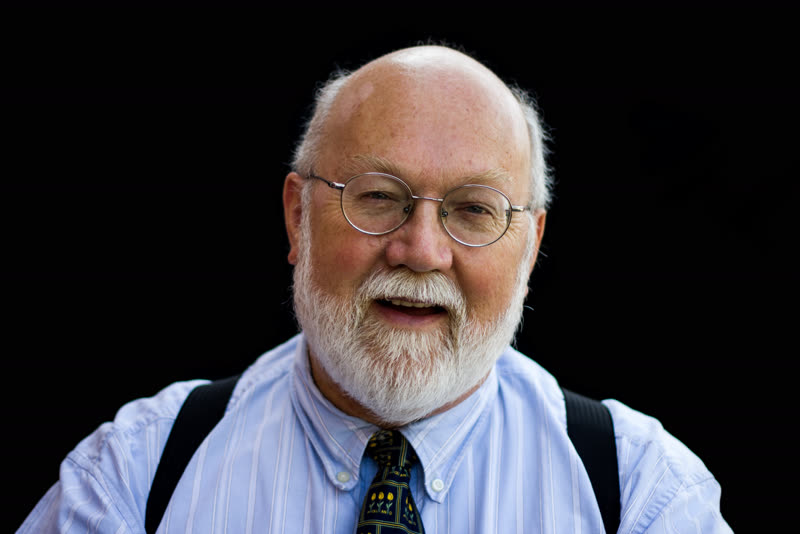 Tim Pasma Sunday AM A Theology of Christmas January 7, 2018
Main passage John 1:14-18
📖 Read the Scripture passage (ESV)
When the Israelites left Egypt, they were loaded down with silver, gold, clothes and many possessions. But the true glory of the Exodus was not all the glittering gold, shining silver, expensive clothes, or abundant possessions. The true glory was the presence of the glory of God in their midst as both cloud and fire. Similarly, the true glory of Christmas is not all the stuff of our Christmas celebrations. The true glory of Christmas is that Christ himself became flesh and the glory of God dwelt amongst us. Find out more as Pastor Tim opens up John 1.14-18 in the last installment of our theology of Christmas series called, "A Theology of Christmas: The Word Became Flesh."
Transcript
This morning I'd ask you to take your Bibles and turn once more to John chapter 1. John chapter 1 as we finish this series. Man can lay his plans, but God sees how they're executed. This is the last sermon in our Advent series. Not intended for today, but God chose to change those plans. Nevertheless, let's look at what John has to say in the first 18 verses in this prologue to his gospel.
In the beginning was the Word, and the Word was with God, and the Word was God. He was in the beginning with God. All things were made through him, and without him was not anything made that was made. In him was life, and the life was the light of men. The light shines in the darkness, and the darkness has not overcome it. There was a man sent from God, whose name was John.
He came as a witness to bear witness about the light that all might believe through him. He was not the light, but came to bear witness about the light. The true light, which enlightens everyone, was coming into the world. He was in the world and the world was made through him, yet the world did not know him. He came to his own and his own people did not receive him.
But to all who did receive him, who believed in his name, he gave the right to become children of God, who were born not of blood, nor of the will of the flesh, nor of the will of man, but of God. And the word became flesh and dwelt among us, and we have seen his glory, glories of the only Son from the Father, full of grace and truth. John bore witness about him and cried out, known.
Let's pray. Father, would you guide our thinking now and our hearts as we consider the text of scripture? We again, Lord, do not want to fall into the trap of just coming to church to listen to sermons, but Lord, to hear your voice in those sermons, in the text of scripture, so that we might change and we might be what we ought to be before our God and our Father.
So help us guide our thinking so that we will change, so that we will have the right view of our Savior and of our God. Grant that we pray by your spirit in this hour that follows in Jesus name. Amen. Well Christmas is past. I wonder though if we've reached the place yet where we've lost all our Christmas optimism and we've settled once more into the normal routine that we always do with the optimism that this Christmas will be different and and we'll have peace and everything else only to be once more again back in our routines.
Now Now, normally we don't think about Christmas, but I would suggest that we need a theology of Christmas all year long. Now, today's sermon, of course, was to be the fourth in a series of Advent sermons, but God saw fit to postpone it. Nevertheless, I would suggest to you that the text that we have before us still has much to say about us, about the Lord Jesus, regardless of what the season of the year is.
This is indeed still relevant. Now, as we've noted before, John's prologue, these first 18 verses to his gospel, has been telling the Christmas story in theological terms. He began by stating that Jesus is the eternal word who was with God and who is God. And then he goes on to say that the word came as life and light into the darkness. and now he tells us how all of that happened in verses 14 through 18.
Let's look at it one more time. This is where we'll spend our time this morning. And the word became flesh and dwelt among us and we have seen his glory. Glory is of the only son from the father full of grace and truth. John bore witness about him and cried out this was he of whom I said he who comes after me ranks before me because he was before me. And from his fullness we have all received grace upon grace.
For the law was given through Moses. Grace and truth came through Jesus Christ. No one has ever seen God, the only God, the only God who is at the Father's side. He has made him known. Here are the last building blocks in John's theology of Christmas. What does John say here that is important in understanding Christmas?
He says this. It's incarnation, glory, grace, and truth. Incarnation, glory, grace, and truth. Those are the final blocks that we want to put into this foundation if we're going to understand the Lord Jesus, if we're going to understand why we've even celebrated this whole season of Christmas. Now remember why John wrote this gospel But these are written he says at the end of the book but these are written that you may believe that Jesus is the Christ the son of God and that by believing you may have life in his name so what must you believe according to John in this prologue here's the first believe that the word became flesh and the word became flesh he says in verse 14 here you find the incarnation.
Jesus was born of a virgin. Her name was Mary. He was born in a little town, the Bethlehem, but he did not come into existence then. He did not come into existence at that point. The second person of the Trinity did not come into being at that birth. In the beginning was the word he's told us and at a certain time the word became flesh clearly clearly John makes the point that the word existed before he came to Bethlehem God the son the word did not come into existence in his incarnation but he became a human being in addition to being a divine being That means that God the Son became human in the fullest sense.
He became human in the fullest sense, yet at the same time not losing any of his deity. What happened at the incarnation? Well, when it says that Jesus, when it says the word became flesh, he's not saying that Jesus took upon himself all the corruptible things of our human nature, Rather, he took on mortality. He didn't take on corruption. He took on mortality, the weak, the finite, the frail frame that we possess.
He was sinless without losing his full humanity, uncorrupted, true humanity. Let me just say something here. Oftentimes, this is what we say to one another. Well, I, yes, I did that. I lied, but I'm only human. And by that, we mean I'm human.
Therefore, I've sinned. But what we have to understand is sin is not the essence of humanity. Because at one time, humanity was sinless, right? When God created Adam. To be human, in other words, humanness does not mean necessarily to be sinful. Now, all of humanity is sinful.
We've all been corrupted. That is true. But the essence of humanity is not our sin. That is a corruption of our humanity. so so don't say try to avoid okay and i'll try not to jump all over you if you say it but but try not to say well i'm only human that's why i sinned okay you can be a human being you will be human being throughout all eternity you will be a human being fully without a speck of sin.
It is not necessary for humanity to be sinful. And Jesus shows us that. He was truly, fully human, yet flawless and without sin. By taking on flesh, he gained a human body, by which he was enabled to suffer death in our place. By taking on flesh, he came into possession of a human mind and a human heart. He felt all that you feel, including the sorrow and the joy and the weariness and the temptation that comes with living in a fallen world.
He felt all that. Taking on flesh, Jesus lived a human life in the same world that you live in. You know, one of my favorite Christmas songs is Once in Royal David's City. And one of the reasons why I like it so much is for the third verse. I love this. And I did some research and the woman who wrote that Christmas song was involved in writing songs and writing things for children.
So she was keyed into children. and in this song, in the third verse, in the third verse, once in Royal David's City, it says this. To me, it captures the incarnation. It says this, Jesus is our childhood's pattern. Day by day, like us, he grew. He was little, weak, and helpless. Tears and smiles, like us, he knew. and he feeleth for our sadness and he shareth in our gladness.
In other words, Jesus knew what it was to be a kid. He had the smiles and tears of every child. He knows what it's like to be a child. He knows what it's like to be the oldest brother and have bratty younger brothers and sisters. He knows what that's all about. He learned to trade in his father's carpenter's shop and he probably had to deal with irate, double-dealing customers.
He had friends. He had neighbors. He paid taxes. He was subject to the government. He truly lived life as you live it. Jesus has not experienced anything that you haven't experienced.
He came to die for you. He came to sympathize with you. And then he came to show you what it really means to be human. In this fallen world. The word became flesh. Now it's hard to understand.
Actually, it's impossible to fathom the mystery of the incarnation. This is one of the things that you just can't fathom. One person with a divine nature and a human nature without any confusion of those two natures. not giving up one or the other as we say in theology 100 human 100 divine again poor math good theology right I mean how can we explain it A helpless baby, yet the all-powerful God.
A mortal man, yet eternal God. A hungry traveler, and yet the self-sustaining creator. How do we explain that? We can't. J.I. Packer wrote, the mystery of the incarnation is unfathomable.
We cannot explain it. We can only formulate it. We can say what it is, but we'd never understand how it works. God sent his son to become a son of man so that we can become sons and daughters of God. The word became flesh. Believe that the word became flesh.
Believe that the word dwelt among us, he says in verse 14. The word became flesh and dwelt among us. Now, John uses that word dwelt, and it means to tabernacle. It means to live or camp in a tent. That's what that word dwelt means. And no doubt the Apostle John is directing our attention back to the Exodus, where the people of Israel came out of Egypt, and at some point they built the tabernacle, the place where God would dwell, the place where God would show his glory, the place where God would reveal himself, was the tabernacle.
What could John possibly have been saying? First, that Jesus fulfills the picture of the tabernacle. Jesus is the meeting place between God and man. The tabernacle was where man met with God. The tabernacle gave way to the temple, as we heard today in the scripture reading, and that temple became the meeting place between God and man. If you wanted to meet with God, you had to go to the temple.
It was the meeting place. This was where they connected. Now, Jesus has fulfilled that. He's fulfilled that whole picture. He's fulfilled the purpose of the temple and the tabernacle. Jesus is the meeting place now between God and man.
If you want to meet with God, you don't have to go to a certain place. You don't have to go to Jerusalem to the temple or to a tabernacle. what you need to do is you need to go to Jesus. He is the meeting place. This is where God and man come together. He is the new and the greater gathering place. The tabernacle and the temple were mere pictures pointing to the true meeting and the true gathering place for the people of God.
Second, the tabernacle was the place where God's glory resided. You remember in Solomon's and the dedication of the temple, where Solomon is in the midst of this prayer, and suddenly the glory of God so fills the temple that they are blinded, and they cannot take the revelation of the glory of God at that point. They are driven, if you will, from the temple.
Well, what we find here is that Jesus reveals the glory of God. He is the revelation of the glory of God. Notice what it says, And we have seen his glory. glories of the only son from the father full of grace and truth paul the apostle wrote some years later in second corinthians for god who said let light shine out of darkness made his light shine in our hearts to give us the light of the knowledge of the glory of god in the face of christ if you want to see the glory of god you look at jesus if you want to see the full manifestation of the marvelous glory of God, you go to Jesus, for there God's glory is most fully seen.
You may say, well, we don't have this great cloud of glory that descends on our church here. We don't have that great cloud of glory, that shining glory of God that drove people out of the temple. No, you have something better. You have Jesus. And the revelation of Jesus is a greater revelation of the glory of God than anything that happened before. So you need to believe.
You need to believe that the Word became flesh. You need to believe that the Word dwelt among us. You need to believe that the glory of God can be found in Christ. This is what he says in verses 15 and 16 and 18. First of all, see the glory of his person. In verse 15, this is a parenthetical statement where John the Baptist, John the Baptizer is talking, John bore witness about him and cried out, this was he of whom I said, he who comes after me ranks before me because he was before me.
See the glory of the person of Jesus. Great as John the Baptist was, he insisted that greater glory belonged to Jesus, to the person of Jesus. It'd be harder to find a more impressive man than John. jesus said john was the greatest of all the prophets and i can see why an angel announced his birth saying and he will be great in the sight of the lord and he will be filled with the holy spirit from luke chapter one he will be great in the sight of the lord and he will be filled with the holy spirit john had an incredibly powerful ministry where where you know the old testament prophets are going out and preaching and there is some sometimes some response most of the time people hated the prophets but with John you read that literally hundreds maybe even thousands of people flocked to hear him they flocked to hear him and they repented at his preaching he was a man of great character and courage he marked he marched right into the palace of Herod and face to face told Herod, you're an immoral, wicked man.
You shouldn't be doing what you're doing. He lost his life standing for righteousness. It would have been an honor to follow that kind of a powerful spiritual leader Yet John said he who comes after me has surpassed me because he was before me You could say well John wait a minute That doesn make sense John because you two are related right Yeah he my cousin Okay aren you a year older than he is Weren't you born a whole year before he was?
Yeah, that's right, but he's greater than me because he was before me. What in the world could John be talking about? John knew. John understood. He was before me because he existed long before I was born. He ranks above me because he is God.
You can't get any plainer explanation of it than that. He who comes after me ranks before me because he was before me. John understood that. It's clear what he's saying here. He was before me. The glory of Jesus is evident because he is God, the eternal king.
But Jesus isn't only glorious in his person. and he's also glorious in his provision, the provision that only he can give in verse 16. And from his fullness we have all received grace upon grace. All that you could possibly need can be found in Christ. There is an abundance of grace in Jesus. We are utterly destitute. We are utterly destitute and empty of all spiritual blessings.
Let's face it, we are completely impoverished, we are destitute, hungry, and thirsty without Jesus. But the abundance which exists in him can more than satisfy our thirst and our hunger. It can relieve our poverty. If you turn away from Christ, it is vain to seek any drop of happiness anywhere. I love what John Calvin says. you shall find angels and man to be dry heaven to be empty the earth to be unproductive and in short all things to be of no value if we wish to be partakers of the gifts of god in any other way than through christ everything is empty without him grace upon grace comes through him right he's an inexhaustible fountain you find one blessing after another or grace upon grace there is grace after grace for all who come to jesus in a never-ending provision for us when one grace has been given there's another that comes when we need it jesus provides all kinds of grace that we need one writer's name is william barkley put it this way We need one grace in the days of prosperity and another in the days of adversity.
We need one grace in the sunlit days of youth and another when the shadows of age begin to lengthen. The church needs one grace in the days of persecution and another when the days of acceptance have come. We need one grace when we feel that we are on top of things and another when we are depressed and discouraged and near to despair. Whatever the place where we are, whatever is going on, there is grace for us.
And it always comes through Jesus. Without Jesus, we would not have that grace. He's the one who brings it. He's this inexhaustible fountain of grace so that no matter what it is, I've lost my job, my friend has betrayed me, things are just going downhill fast, or they're going well, there is grace for every need that you have. And it comes because Jesus has bought it for you. and with him God is gracious to you.
All right? I have this written in the margins of my Bible from this verse. This is from Jerry Bridges. And he writes this. Ocean waves crashing on the beach. One wave has hardly disappeared before another arrives.
Keeps coming from an inexhaustible supply. receiving grace in the place of grace. One manifestation of God's unmerited favor in Christ is hardly gone when another arrives. That's the picture that John gives for us. Here is Jesus who brings grace upon grace. The first wave comes in and splashes and before it goes out another wave comes. That's the kind of grace that God gives us.
That's the kind of grace that we have in Jesus. No matter where you are, no matter what's happening, There is grace upon grace for you. I don't know about you, but as I meditated on that in preparation for this morning, that just was really encouraging to me. I hope that's encouraging to you. You know how it is, especially this time of year. It's after Christmas and we're back into our routine.
It's like, got to go back and start the old drill again. Right? Well, you got to understand there's grace, wave after wave after wave of grace that's yours through Christ. We can get through it because of the grace of God. You see the glory in His divine person. You see it in His provision.
Now look at it in His revelation. The glory of God in the revelation that Jesus gives us in verse 18. No one has ever seen God. The only God who is at the Father's side, He has made Him known. What's He saying here? He's saying that Jesus is God.
That's clear. Jesus is God. he's been at the father's side and he has made him known this is the the glory of jesus in his revelation of god to us all through the old testament godly men and women long for an intimate knowledge of god god could not be seen because solomon said he dwelt in thick darkness abraham saw god but only as an angel only as that that angel who came on us on the way with the other two on the way to Sodom. He saw him as a burning pot in the midst of the animal parts in the renewing of the covenant.
Elijah heard a still small voice. Moses, who had the most intimate knowledge of God, could only see the passing glory of God. For God said to him, I cannot show you my face. I'll hide you in the rock and you can my glory as it passes by, but you cannot see it full face on. Jesus comes with the perfect revelation of God and we can look at him and there we see the glory of God.
He is perfectly revealing God to us. John describes him as God the one and only or God the only God who is at the Father's side. Jesus is himself God. You know, several years ago we used to, we used to, and I I love this creed. We used to recite the Nicene Creed on Sundays. Remember that?
I really like it because it makes a big deal about Jesus. It starts out, I believe in one God, the Father Almighty, maker of heaven and earth and of all things visible and invisible. And then it goes on to say, and in one Lord Jesus Christ, the only begotten Son of God, begotten of the Father before all worlds, God of God, light of light, very God of very God, begotten, not made, being of one essence with the Father, by whom all things were made, who for us men and for our salvation came down from heaven and was incarnated by the Holy Ghost of the Virgin Mary and was made man.
I love that confession. Right? God of God, light of light, very God of very God. That's exactly what John is saying here. And He has made the Father known. Now the word there made known is the Greek word exegete.
Now you may not be familiar with it. What does it mean to exegete? What does it mean to do exegesis? If you go to seminary, that becomes like pounded in your head. You are not ready to preach until you have exegeted the passage. What does that mean?
You dig into the passage. You understand the original audience. You understand the culture. What did that word mean back then? And what was the author trying to say? And how does it fit into the bigger context?
In other words, you want to get into the text so you can explain it. And that's what Jesus does. He exegetes the Father. He's so much into the Father that he can explain it. Isn't that interesting? He's the Word.
He's the word that comes and explains the Father to us. He interprets. He explains. He exposits God. That is to say, if you want to know God, where do you go? Go to Jesus.
If you want to really see God, then you go to Jesus. For he speaks most plainly and eloquently of God. and that is what you should fervently desire to know god through jesus to know god through jesus do you see the glory of god in the person the provision and the revelation of jesus here to trust in him begins a life of seeing his glory and of partaking of his grace and truth it begins a new life called eternal life not eternal life is not just a longer life it a different quality of life It to know God You see What's the last thing he tells us? Verse 17.
Believe that grace and truth can be found in Jesus. The glory of God's grace and truth blazes brightly in the person of Jesus. The glory of God's grace and truth blazes brightly in the person of Jesus. Now, you might say, but aren't truth and grace found in the Old Testament? Aren't truth and grace found in the law of God? Wasn't it God's grace that delivered Israel from Egypt?
Wasn't it God's grace that forgave David of his adultery? Wasn't that God's grace? And doesn't the law reveal God as holy and just and majestic? And the answer is yes. Grace and truth are found in the law. It can be found there.
But with Jesus, the grace and the truth of the law are but sparks compared to the fire. You see? They're sparks compared to the fire. The fullest revelation, the brightest revelation, the most unmistakable revelation of grace and truth can be found in Jesus. The law could not reveal God like Jesus does. The law could not do that.
Why? Because Jesus is God with us. He is God with us in a unique and observable way. Do you want to see the holiness of God? Look to Jesus. Do you want to see mercy and love and compassion of God?
Then look to Jesus. You see? He is a greater manifestation of the truth than even the law could give us. The law could not do what Jesus does. It could never do what Jesus does. Grace came through Jesus.
The law could never offer permanent, unconditional forgiveness. Right? The day of atonement came year after year after year after year until one day of atonement when Jesus died on the cross and all days of atonement are gone. are gone. The law could never offer permanent, unconditional forgiveness. It could not bring reconciliation with God. It never could renew your heart or change you.
In the old covenant, if a man committed adultery, the law demanded his death and did not offer forgiveness. It demanded his death. It could not reconcile you, for it demanded that you be cut off from the people of God and cut off from God. It demanded purity. Do not covet your neighbor's wife. But it could not change the covetous heart.
You see? It demanded but could not change. It did not offer forgiveness but only justice. John Newton in a hymn wrote this listen to what he says I think this really captures it let us love and sing and wonder Let us praise the Savior name He has hushed the law loud thunder He has quenched Mount Sinai flame He has washed us with his blood. He has brought us nigh to God.
Let us wonder. Grace and justice join and point to mercy's store. when through grace in Christ our trust is justice smiles and asks no more. He who washed us with his blood has secured our way to God. Isn't that interesting? I love that phrase. When through grace in Christ our trust is justice smiles and asks no more.
That is to say, I have sinned, but because of Jesus, justice doesn't demand my death anymore. You see, the law could not do that. The law would demand justice and execute the sentence. But with Jesus, justice can look at us and smile. Why? And justice can smile and ask no more.
Why? Because Jesus has manifested the grace of God so that he has taken the punishment. Justice has been served so justice can look at us and not ask for more. That's marvelous, isn't it? Doesn't that say it? This is what Jesus has accomplished.
The law, the law's demand for justice has been satisfied. You also see that the cross is the greatest display of the glory of God's grace. In John chapter 12, there's this fascinating passage. Jesus has just come into Jerusalem to the accolades of all the people. Everybody's for Jesus. And some Gentiles, through Philip, say we want to talk to Jesus.
And Jesus gets into this conversation. And in that conversation he says, The hour has come for the Son of Man to be glorified. John 12, 23. The hour has come for the Son of Man to be glorified. Now, he wasn't talking about the hosannas that were going on around him. he wasn't talking about fulfilling the dreams of glory that the people had of a triumphant political military messiah what jesus was referring to was the cross the hour has come for the son of man to be glorified now i don't know about you but that just does not make a bit of sense not a bit of sense because the cross was the ultimate place of shame not of glory now get that in your minds no one else no one would say they're going to nail me to the cross tomorrow tomorrow is the day of glory no no tomorrow is the day of shame what in the world could Jesus be talking about?
Only one thing. To the world, the cross was the most shameful of all things. And this was God's way of showing the shame of our sin. But because the spotless Son of God died in this way for us the cross displays the glory of grace It displays the grace of God to the glory of his name And so the son looks at the cross the ultimate instrument of shame and says the hour has come for the son of man to be glorified for the grace of God is glorified at the cross you see god's name is glorified at the cross we we because of the cross we now turn to god and we glory him in him we praise him we love him because of what he has done in that shameful act of crucifixion grace and truth have come through jesus so our question then is even now even now i should say particularly now do you have a theology of christmas because that's the theology we need all year round not just the good feelings not just the the happiness of christmas but a good solid theology of christmas a theology that points you to the grace and truth of God shining in the light of Jesus who came as a Savior.
The Christmas is about God's glory found in Jesus. Here is Christ, very God of very God, the Word becoming flesh for your sake. And He dwells among us. He's not distanced. He is with us. And when the Word became flesh, the glory of God shines in Him, the glory of God of grace for the destitute, hungry sinners.
Glory of God seen in the face of Christ and what He has done for us. This is what a theology of Christmas is all about. Thank You, Father, for Your Word. Thank You, Father. We thank You that You have glorified Your name in Jesus that we can see the light of the glory the knowledge of God in the face of Christ Father hope us to to glory in that grace because of that grace to leave here intent on honoring your name living holy lives because now we can see that Jesus, in Jesus, grace and truth has been revealed.
We can serve you without fear because justice smiles on us and asks for nothing more. How we thank you for this marvelous, marvelous grace, the truth that is in Jesus, the glory seen in all that he is and what he has done. Now as we come to this table, we pray that we would see the glory of Jesus. Thank you in his name. Amen.