A Man of the Word
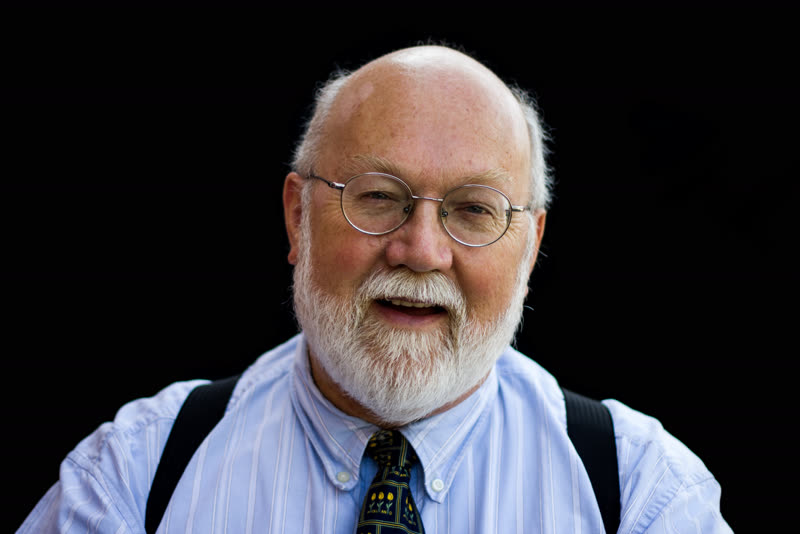 Tim Pasma Sunday AM April 22, 2018
📖 Read the Scripture passage (ESV)
Do you want the blessings of God upon your life? Who doesn't?! But what are those blessings? It doesn't necessarily mean riches and prosperity, nor even an easy life. It can mean joy and peace and love in the midst of adversity. It means that even when times are "good" you experience the goodness of God and rejoicing in each day because God has granted it. But how do you reap those blessings? Only when the Word of God remains central to your existence. Listen to the story of God's blessing in the days of King Jehoshaphat in A Man of the Word, from 2 Chronicles 17.
Transcript
I'm glad to be back. It's quite a whirlwind when you're over there and you're in a different country and you can pick out a few words here and there, but not a whole lot. It's just a tremendous opportunity to minister the Word of God. I'm glad the Lord allows us to go over there and be a part of that and again I want to encourage you with this that it isn't that we're going over there because we're such great guys it's we're going over there as guys who have been seasoned by ministry in congregations for several decades now and that when we go over, we're not going over with the knowledge that Tim and Dave and Daryl have.
We're going over with what we have learned together with you and seeking to reproduce what we think is biblical from here over there. And so I want you to know that what we do over there is not us, us three. What we're doing there is all of us here. and I think Dan could attest to the same thing as he goes as well we're not just going over there with what we have we're going over there with what we have learned as we've ministered together and hammered out things together I think of 33 years here 33 years here and how we have walked together and learned together and found out how to work together and so it's been I think a great ministry of this congregation.
Well, having said that, let's look at 2 Chronicles 17. I'll be reading the entire chapter as we look at the ministry of the Word of God in ancient Judah. You follow as I read. Jehoshaphat, his son, reigned in his place and strengthened himself against Israel. He placed forces in all the fortified cities of Judah and set garrisons in the land of Judah and in the cities of Ephraim that Asa his father had captured The Lord was with Jehoshaphat because he walked in the earlier ways of his father David He did not seek the Baals, but sought the God of his father and walked in his commandments, and not according to the practices of Israel.
Therefore the Lord established the kingdom in his hand, and all Judah brought tribute to Jehoshaphat, and he had great riches and honor. His heart was courageous in the ways of the Lord. And furthermore, he took the high places and the ashram out of Judah. In the third year of his reign, he sent his officials, Ben-Hail, Obadiah, Zechariah, Nethanel, and Micaiah, to teach in the cities of Judah. and with them the Levites, Shemaiah, Nethaniah, Zebediah, Azahel, Shemiramoth, Jehonathan, Adonijah, Tobijah, and Tabanijah, and with these Levites the priests Elishama and Jehoram.
And they taught in Judah, having the book of the law of the Lord with them. They went about through all the cities of Judah and taught among the people. and the fear of the Lord fell upon all the kingdoms of the lands that were around Judah and they made no war against Jehoshaphat. Some of the Philistines brought Jehoshaphat presents and silver for tribute and the Arabians also brought him 7,700 rams and 7,700 goats.
And Jehoshaphat grew steadily greater. He built in Judah fortresses and store cities and he had large supplies in the cities of Judah. He had soldiers, mighty men of valor in Jerusalem. This was the muster of them by father's houses of Judah, the commanders of thousands. Adna, the commander with 300,000 mighty men of valor. And next to Jim, Jehohanan, the commander with 280,000.
And next to him, Amasiah, the son of Zichri, a volunteer for the service of the Lord with 200,000 mighty men of valor. A Benjamin, Eliadah, a mighty man of valor with 200,000 men armed with bow and shield. and next to him Jehoshaphat with 180,000 armed for war. These were in the service of the king, besides those whom the king had placed in the fortified cities throughout all Judah.
Let's pray. Father, we come to you now and ask you to open the word of God to us that we might understand it We thankful for your goodness and grace to us in your word Help us to understand its importance this day as we think through this passage We thankful again that you have not let that you have not left us ignorant but as we have revealed Jesus to us through your word Help us now Lord to understand those blessings that come with it in Jesus name Amen in the first week of being in Romania every day we would leave the town of Bikaz which is where Benny and Ioana live and we would go up into the Damuk Valley to what's called Damuk I there are two Damuk churches so we would go to Damuk I for our class and every day we would go, we would go by the house where Benny Hendrick grew up I remember visiting that house many years ago Benny's parents have died in the last year and I remember visiting that house way back, way, way back. I think it was about 13 or 14 years ago when I first met the Hendrix and we stopped at the house.
We'd go by that house every day going into the valley and I remember stopping there one time and meeting his parents. As we walked up the path to the house, I remember Benny showed me the flower beds where his mother had planted vegetables to eat and the flower beds reminded him of the time when the police had come back under communism. You see, his parents had opened the house for an underground seminar or seminary for pastors and there was a pastor who was going to come.
His name was Joseph Zahn, who was going to come and teach the pastors, but the secret police had found out about it and they showed up with a squad of soldiers. And what they did was they ran through that garden with their motorcycles. that, no, well, what's so big about that? The only thing big about that is they depended on the vegetables from that garden for their food for the rest of the winter, and the police just totally destroyed all their food source for the coming winter.
They took Benny's dad out and said they were going to kill him, they were going to shoot him, but for some reason they didn't, and he returned. I remember going into that house and I met Benny's mom. she's one of those babushkas with weather worn and wrinkled face that beamed with joy and I remember after talking for a while I said God has been good to you and she clasped her hands She clasped her hands together, looked up, and said, forte bene, forte bene, which means very good, very good. now here was a woman who understood what the blessings of God meant it did not mean riches and prosperity it meant joy and peace and love in the midst of hardship and heartache it meant that even now when times were much better than they were in communist days that She was experiencing the goodness of God and delighting in it. And it meant rejoicing in each day because God had granted it.
She knew the blessings of God. Now, when we come to 2 Chronicles chapter 17, you have to remember who the first readers were. And many years ago, we went through this book. And so I think I need to remind you who the readers were. This book is written at the end of the exile. when they're just coming back from the exile. This book was written to a people who were poor.
They had returned from exile. They're living in a poor land. They're living under the rule of a foreign emperor. And they long for the days of blessings that they had heard about that had happened so many, a generation or two ago. And so the chronicler is writing this book about their history to show that the way of blessing is through the Word of God and through the temple of God, and that there's a king that they long for, and that the blessings of God were poured out on them through kings that were obedient.
And if they want the blessings of God, they had to know His Word. And it was the blessings of God in making them one people. All this was written to them when they were experiencing very little of what their forefathers had experienced before them. But the chronicler did not want them to think that blessings merely meant riches and prosperity. He wanted them to know the atmosphere of God's blessings.
And so he introduces them to this great king by the name of Jehoshaphat. Jehoshaphat takes... It's a little over four chapters of this book. Jehoshaphat is one of the great kings mentioned in the books of the Chronicles. He's one of four great kings that the Chronicler tells us about. He wants you to see how the reign of this king provides the conditions of the blessings for God's people. now the key to blessings the blessings of God is the centrality of the word of God in the people's lives at least that's what second chronicle 17 would lead us to believe now if you read this book you remember that the chronicler describes a king's greatness this way whether the king seeks God.
That's the key in this book. If you want to see a great king, you're going to see that he was one who seeks God. Now, Jehoshaphat's father, for example, was one of those great kings. And if you would read chapters 14, 15, and 16, and I'm looking at my Bible and seeing all the highlights there were there is one two three four five six seven eight times in those three chapters where it says Asa sought the Lord and so the greatness of a king was measured by whether he sought the Lord or not Saul the first king mentioned in these chronicles is deposed.
Why? Because he did not seek the Lord. He did not seek God. He does not inquire of God. And the chronicler elevates Jehoshaphat's father to greatness because he did seek God. And now we find Jehoshaphat.
He was known for seeking God. If you read the next four chapters, you see over and over and over again that this is one who sought God. In fact, as we look at it, It says that about him in verse 4. But he did not seek the Baals, but sought the God of his father and walked in his commandments. All the way through it, we find that he is one who seeks God.
So in chapter 17, you see God blessing his people because their king was a man of God's word. He was a man of God's word. He sought God and his direction. He believed and obeyed the word of God He taught that word to his people And he saw the fulfillment of the promises of God Word So let look at this a little bit Let understand the importance of the ministry of the Word of God for blessings Now as I begin, I want to say right now, and I'll say a little bit more about it later, but we're not talking about you seek the Word of God and you're going to get rich.
Right? We can go anywhere in America today and find those kinds of pastors. You can go all over the world. You can find them in Romania. You have the same kind of people say, if you obey God, if you do things, then he'll make you rich. We're not talking about those kinds of blessings.
But the point is then, how can we reap the blessings of God? Like Mrs. Hendrick, who even though her husband was taken out to be shot, and even though her generation lived through the entirety of this communist regime, how she could look at me and say, forte bene, forte bene, when I asked her, when I said to her, God has been good to you. How could she say that?
And even at that time, they were not rich people by any means. They both worked until the day they died. So what kind of blessings, how can we reap the blessings of God? What does Jehoshaphat teach us in that regard? Here's the first thing we see. You must believe and obey the word of God, the first six verses.
You must believe and obey God's word. Right away we're introduced to the character of this king. He sought the God of his fathers, verse 4. He sought him. Look at verses 3 and 4. He walked in the ways of David and followed the commands of his God.
Verse 6. His heart is devoted to the ways of God. Lost my place there for a second. His heart was courageous in the ways of the Lord. And furthermore, he took the high places and the ashram out of Judah. His heart then was devoted to the ways of the Lord.
Here was a king when he knew the word of God, believed it, and obeyed it. He could say with the psalmist in Psalm 119, verses 14 through 16, I rejoice in following your statutes as one rejoices in great riches. I meditate on your precepts and consider your ways. I delight in your decrees. I will not neglect your word. The same psalmist says in that same chapter of the book, Open my eyes that I may see wonderful things in your law.
My soul is consumed with longing for your laws at all times Your statutes are my delight They are my counselors We receive the blessings of God as we spend time in the Word of God and they become our counselors. Now notice this. Jehoshaphat believed and obeyed the Word of God for the security of his nation. Verses 1 and 2. In the north, in Israel, Ahab had ascended the throne.
Now remember, at this time, when you read the term Israel now, we're talking about the northern kingdom of Jews. The Jewish people had been divided right after Solomon into two kingdoms. The northern kingdom of Israel with ten tribes, the southern kingdom of Judah with two tribes, Judah and Benjamin. And Ahab had ascended to the throne of Israel and he had proved to be a very shrewd and powerful king.
And it would have been easy, maybe even wise, for Jehoshaphat to gain an alliance with Syria like his father Asa had done. Who could blame him for that? There's security in that. Line up the nations. Line them up in an alliance so that, you know, you've got to be careful of a guy like Ahab. You notice that he has mentioned the cities that were in Ephraim, which is Israel's territory.
Asa had conquered them, and they were part of Judah now. But instead, he garrisoned the cities without the help of any foreign alliance, and he believes the word of the covenant, which says that God will protect his people. In the covenant, as we read it in Deuteronomy, it says there that don't make any foreign alliances. Don't go back to Egypt. Don't make an alliance with them.
Don't make alliances with anybody else. You believe that I will protect you. And so he took God at his word, and he did not seek those alliances. Now, sadly, many believers today do not trust the word of God for their security. You say, well, yeah, we do. You know, there are so many times when I've heard people, Well, for example, all right, here's an example.
Ephesians 4.26, blatant, right out there. Therefore, each of you must put off falsehood and speak truthfully to his neighbor, for we are all members of one body. What are we supposed to do? We're supposed to speak the truth. How many times have I heard people say, no, wait a minute. If I tell the truth, I'm going to lose my job.
You know, if I reveal this to my wife, it'll be the end of us. I'll have an angry wife on my hands. Or I'll get in more trouble than I am anyway. what does the Bible say? It says tell the truth Do you believe that God will take care of you or not You got to believe what the Bible says It naked faith folks It really is I recall the time I was in a church in Wisconsin and the leadership wanted to talk to me.
God gives me opportunities periodically to talk to leaders, like these last two weeks. And I talked to these leaders of the church, and they were telling me about some of the issues the church was facing and so forth. And I said, are you guys aware of what Jesus says about church discipline? He said, what are you talking about? And I said, well, look at Matthew 18.
If your brother sins against you, you all know it. Show him his fault. If you gain him, you've gained your brother. That's it. If you don't, take one or two others. If he doesn't listen to them, take it to the church.
If he doesn't listen to the church, put him out. Treat him as a publican and a tax collector or a pagan and a tax collector. And here's what they said. I will never forget this. Oh, we could never do that. Why not?
Well, that would just drive our problems underground. I'll never forget. And I forget a lot, folks, but I won't forget. I won't forget the first thought that went through my mind was this. Oh, I see. You have a better idea than Jesus as to how to run his church. but see they didn't believe that oh yeah i know what it says but we can't do that that won't work right and so you know we can't trust jesus for the security and well-being of the church listen listen to me we've got to trust god's word for our security if the word of god tells us to do something it goes against everything that we think is wise go with the word of god believe what god says.
That's what Jehoshaphat did at this point. He didn't line up with any foreign powers like God had said. God said, I will take care of you. And so he did. You must believe and obey God's word for your direction. It's interesting.
Look at the end of verse 3 and verse 4. This is very important. He did not seek the Baals, but sought the God of his father and walked in his commandments and not according to the practices of Israel. So, he's seeking God for direction, not the Baals, the false god Baal. And when you read of Asherim in verse 6, Asherah is Baal's female consort. Baal was a fertility God.
Asherah is his consort, you know, the one with whom he has intimate relations in order to produce fertility in the soil and fertility in people. The attraction of Baal and any idolatry was that you had a visible God who commanded you to do particular rituals in order to get good things. But Jehoshaphat chose instead to seek the God of Israel who was an invisible God.
This is what's so radical about Israel's faith. This was an invisible God who just said, trust me. I'll make sure you have enough crops. I'll make sure that everything goes well. And with Yahuwah, this God, you had nothing but his naked word. Nothing more.
You had to take him at his word alone and believe his promises alone. He demanded naked faith. Now before you get too judgmental and think how poorly those people back then were, you need to ask yourself the question, how often do you trust in your money or do you believe that God will provide. How often do you say, I've got to have that job or we won't make it.
I've got to have this much money or we won't make it. I've got to have this or that or it's not going to work. And we forget the promise of Matthew 6.33, which says, seek the kingdom of God and his righteousness and all these things. What things? Your food, your clothing, everything else will be given to you. Seek his kingdom first.
Recently I was talking to a young pastor who was, you know, okay, what am I going to do here in terms of our finances and so forth? And should my wife work or not? Or should we do this or the other thing? And I said to him this, do not make this decision based on financial considerations. You make this decision based on what you think would be more effective for your ministry of the word of God.
Don't make it on the base of finances. Why? Why? As God said he take care of you If you do what you think God wants you to do in seeking his kingdom and his righteousness he will take care of you And so we have to believe God word for direction God word for direction He didn go to the bales to find out what to do He sought after God. He did what God said.
You have to believe and obey the word of God in your worship. That's what happened in verse 6. His heart was courageous in the ways of the Lord, and furthermore, he took the high places and the Asherim out of Judah. He was so devoted to God that he destroyed all the high places in his kingdom. Now, what are high places? Let's back up and talk about that for a moment.
In the pagan world of their day, you would find the highest places and put your altars to your gods on those high places. All right? And Asherah, Asherim is the plural for Asherah, all the high places devoted to the female goddess. And not only that, now here's the other thing. That the people of that day not only built high places to foreign gods, but they also built high places to worship the true God.
Okay? They adopted the pagan form of worship, even though they were worshiping the covenant God of Israel. They built high places for him. Okay? well what's the problem with that they're still worshiping jehovah the reason the problem with that is god had said i'm putting my name at this one spot it's the temple everybody goes there no high places you all go to the temple and so what jehoshaphat is doing is he wanted no distractions for the worship of god but intended for the people to worship god in the way that god intended, not in the way that they intended.
He was so devoted that he overcame any difficulty, proved courageous in heart, and no matter what the pushback was, destroy all the high places, because our God has told us to worship here. Are you devoted to God in worship? Are you willing to get rid of everything that would distract you from the worship of God? Now, of course, in our day, with Jesus coming and elevating everything to the place of worship, what keeps you from doing everything you do for the glory of God?
Get rid of it. Get rid of whatever will keep you from that, distract you from that. What happens when we believe and obey God word Verse 5 tells us what happened then Therefore the Lord established the kingdom in his hand and all Judah brought tribute to Jehoshaphat and he had great riches and honor He blessed them He poured out his blessings. Why? Because of the obedience and devotion of their king.
Now the writers, the writer of the chronicler wants you to get this message loud and clear. and that is this the blessings of the people depended on the devotion of their king and this king is devoted why do you receive all the blessings from God that you experience why could Mrs. Hendrick look to heaven and say forte bene why could she do that you know why because our king the Lord Jesus is entirely devoted to our God and because of his devotion we have what we have we have joy we have peace in the midst of hardship we have all of those things not because of how good we are but because of how our king has won all of those blessings for us and as we devote ourselves to the word of God it's not that we earn those blessings it's that we now enter the atmosphere where those blessings can become ours that king died to free us from sin And so now we can believe and obey the word of God and find blessing. Now, if you would see God's blessing on his people, then seek leaders.
Seek leaders who teach the word of God. Do you know what Jehoshaphat does here? He sends out teams to teach the word of God in all of the cities. Do you notice that? They were composed of royal officials, priests, and Levites. In this, Jehoshaphat was obeying what the covenant had required of the Levites.
Look back at Leviticus chapter 10 for a moment. Leviticus chapter 10. Alright, Leviticus chapter 10 beginning in verse 8. And the Lord spoke to Aaron, saying, Drink no wine or strong drink, you or your sons with you, when you go into the tent of meeting, lest you die. It shall be a statute forever throughout your generations. You are to distinguish between the holy and the common and between the unclean and the clean Now note and you are to teach the people of Israel all the statutes that the Lord has spoken to them by Moses What were the Levites supposed to do?
They were supposed to do all these other things here, but they were also supposed to teach the statutes of God to all the people. Turn over to Deuteronomy chapter 33. Deuteronomy chapter 33. beginning in verse 8. All right. Here's Moses' final blessings on the different tribes. And it says, And of Levi, Moses said, Give to Levi your Thummim and your Urim, to your godly one, whom you tested at Massah, with whom you quarreled at the waters of Meribah, who said of his father and mother, I regard them not. he disowned his brothers and ignored his children for they observed your word and kept your covenant they shall teach jacob no they shall teach jacob your rules and israel your law they shall put incense before you and whole burnt offerings on your altar bless oh lord his substance and accept the work of his hands crush the loins of his adversaries and of those who hate him that they rise not again note they were to do all these other things but they were also to teach the nation the rules of Israel, the law of Israel.
And so he sent out these teams to do that very thing. You know what you find here? You find these ancient, you find ancient trium teams here. Just like we sent to Romania, that's what he's doing. He's sending these teams out and they're going to these different places and they're ministering the word of God. They're teaching the word of God.
You see, Jehoshaphat was a shepherd king. He was a shepherd king. Probably one of the reasons why the chronicler spent so much time on this king is because he had a pastoral concern for his people he wanted them to know the covenant he wanted them to know the word of god he wanted them to obey the word of god he desired to see the faith of god's people nurtured kept alive and growing he had a pastoral concern for the people of god he was more than just a king he served those people as God's representative and gave them the word of God.
He desired to see the faith of God kept alive and nurtured. He believed what Moses had said centuries before in Deuteronomy chapter 32. I love this passage. This is one that I always go to. Take to heart all the words I solemnly declared to you this day, so you may command your children to obey carefully all the words of this law. They are not just idle words for you.
They are your life. By them you will live long in the land you are crossing the Jordan to possess. They are your life. People, the Word of God is your life. if you don't know the word of God you won't live life not the way that's the way God wants it nor the way that's a life of blessing a life of joy and all those things they are your life this king wanted everyone to hear the word he wanted everyone to hear the word of God so that his people might find freedom from idolatry and its shame producing corruption so that his people would know the delights of God and the joy of life Jehoshaphat believed in the power of the word of God God reveals himself in the word he trusted that God would work in the word work through the word in order to change his people and bring about the blessings that were promised in that covenant see the word of God is powerful it changes people and if God's people want to see God work and God bless they must seek out leaders who minister the word of God they have to find out people who will show a pastoral concern for the people of God I love what Paul says in 2 Corinthians chapter 11 verse 2 2 Corinthians chapter 11 verse 2 this is what Paul says to the church at Corinth I am jealous for you with a godly jealousy I promised you to one husband, to Christ, so that I might present you as a pure virgin to him.
That's the kind of leaders we need in God's church, who love the people of God and who want them to be pure. They ought to be leaders who believe the word of God can actually change people. Now you know it kind of fun to go to Romania like for the first three days And then after that you kind of want to come home It not easy to leave family behind and it only for three weeks for me You know, I'm not leaving my family behind forever.
But, you know, I miss my wife terribly when I'm over there. I miss my kids, I miss my grandchildren, I miss you. It's just not the same. But why do it then? Why do it? Because of the power of the Word of God.
Listen, I'm here to tell you, we've been involved in this ministry like for 15 years. The first year we went over was 2003. That was the very first full module in Romania to start the whole thing going. All right? And I can tell you that if you look at a map and you go from central, north central, along the east and down to the south, there's been a radical, radical change in the way church operates in that part of the country.
There's been a significant influence of men who have been in those classes who, let me tell you something, the first two years they're not buying it. Okay? Our theology is not like theirs. And the first two years they're not buying it. The third year they're buying in. the fourth year they're eager to become shepherds of God's people and they have had tremendous influence right you know I can see the faces literally of all these guys that have been in these classes who've gone home to their churches and some of the guys there some of the leadership that's there now is telling us you know what one by the name of Adi Barzu he's the pastor of the church in Kamenich.
Now, Adi's unusual because Adi's got education here. He's a brilliant theologian. God, he's a good theologian. Great pastor. And he's writing for his doctoral program. He's writing a history of the Baptists in Romania.
And he's told us that in the last 15 years as he's done his research, he said that the most significant change that's occurred has occurred with the coming of the Tri-Am teams and the work that they've done in that part of the country And it amazing to see that Now look it not because we such great guys because you know we just a bunch of you know if you saw us over there you see we three fumbling clowns alright It's no kidding. Right? And yet God's used that.
It's not us, it's the Word of God. As we open the Word of God and they say, yeah, but what about this? I said, well, let's see what the Bible says. And it's transforming things. And I'm telling you, folks, the Word of God has had an incredible, powerful influence in that country. They're starting to not ignore gypsies now, but include them.
They're starting to work together. They're starting to minister the Word of God by serious preaching of the Word of God that they had not done before. And it's had a tremendous influence. And so it's because they have leaders now. They have leaders now who actually believe the word of God can change people. And it has changed them.
And it's changing their people and it's changing their churches. If you want to see God work, you use God's word. If you want to see God's word work, you use men who love that word and will minister that word in a pastoral way to the people. Not just giving them lectures, but ministering to their souls. By the way, he's not in here right now. And I hope he's not listening.
But Greg Field is a good shepherd. Here's a guy, right? Here's a guy who has not had any advanced theological education who can take the word of God and bring it into your lives. I know we can. I've heard about it. I've heard about it.
And that is what you want. And in our congregation, if we want to see the blessings of God, we need to be committed to the word of God. We need to be committed to find men who will use the word of God and who will bring it to you and minister it to you when you're going through the deepest waters and when you're going through the greatest times. people men who know and love the word of god and who will minister that word and so god's word ministered brings dramatic changes in our lives all right the last thing i want you to see is verses 10 through 19 is where we see the fulfillment of god promises in his word look at the blessings that God pours out on His people Verse 5 there the stability and the prosperity of the king Same verse, the stability and the prosperity for the people.
Verses 12-19, we see the power of the kingdom of Judah. Verses 10-11, note, there is peace on every hand. There is peace for their country. And again, that's the fulfillment of what God had promised in the covenant. Turn back to Deuteronomy chapter 28. Deuteronomy chapter 28, verses 8 through 13.
The Lord will command the blessings on you in your barns and in all that you undertake, and he will bless you in the land that the Lord your God is giving you. The Lord will establish you as a people holy to himself. He has sworn to you if you keep the commandments of the Lord of your God and walk in his ways. And all the peoples of the earth shall see that you are called by the name of the Lord and they shall be afraid of you.
And the Lord will make you abound in prosperity in the fruit of your womb and the fruit of your livestock and the fruit of your ground within the land that the Lord swore to your fathers to give you. the Lord will open to you his good treasury his good treasury the heavens to give the rain to your land in its season and to bless all the work of your hands and you shall lend to many nations but you shall not borrow and the Lord will make you the head and not the tail and you shall only go up and not down if you obey the commandments of the Lord your God which I command you today being careful to do them and if you do not turn aside from any of the words that I command you today to the right hand or to the left to go after other gods to serve them. Note, especially verse 10, And all the peoples of the earth shall see that you are called by the name of the Lord, and they shall be afraid of you. What's the point?
The point is that because they pursued the word of God, God kept his promises. Now what can we learn from these passages of Old Covenant blessings? Recognize that the nature of the blessings as those fit for the people in their youth. When you have a small child, you tell them, if you do this, if you obey mom and dad, this is going to happen. It happens to me.
If you obey us, then we're going to be able to go. Go to the, you know, go to the zoo, all right? And you do that. But you don't say that to your 16, 17-year-old, right? You say, look, if you do this, if you obey, guess what? You'll enjoy things a lot better.
It's a whole lot less tangible. Here in the youth of the people of God, the very young age of the people of God, the blessings are immediate. Now, where we are now, in the mature people of God, they're less immediate. We have things like joy and peace and kindness and all those sorts of things. The fruit of the Spirit, right? Those are all part of it.
Those are our blessings. All right? And what we have to see is the blessings are not earned. They're not earned. Rather, they're reminders of God's faithfulness to his word. These folks did not earn the blessings of God.
God was faithful to do what he had promised. And the ministry of God's word prepares people for God's blessing. You're not going to earn any blessings from God. They've been earned by Jesus, right? The word makes you ready. Makes you ready for God blessings We today receive blessings from God not because we earned them but because God prepares us for them by His Word Turn over lastly to John chapter 15 for a moment.
John 15. Look at verse 9. As the Father has loved me, so have I. Oh wait. John 15 verse 9. As the Father has loved me, so have I loved you.
Abide in my love. If you keep my commandments, you will abide in my love, just as I have kept my Father's commandments and abide in His love. These things I have spoken to you, that my joy may be in you, and that your joy may be full. I obey those commandments, right? And I end up in God's love. Not that I earn His love.
That's not what's happening. that's not what's happening we have joy our joy is complete in us why? because when you obey you have joy right? and so the word of God prepares us for those blessings the word of God prepares us you know what? I love my wife but that is not that not the reward for marrying her That what happens Your love grows when you marry right That marriage isn't the thing I do and now I'm going to earn love. It's the outgrowth of that.
And that's what I'm trying to say. The ministry of the Word of God produces the blessings of God, not that we earn them by our obedience. It's the natural outcome of obeying the Word of God. So I hear the Word of God. I understand the Word of God. I obey the Word of God.
The Word of God is central in my life. There are blessings galore, not because I've earned them, but because the Word of God has had an impact in my life which produces a change, which the natural outcome then is the blessings of God. So what can I say? The Word of God is central. The Word of God is central to our joy and our happiness and our blessing.
Not because we earn anything from it, but because it prepares us for it. It produces that in our lives. I say to you again this day, make the Word of God central. Don't neglect it. Read it. Study it.
Listen to it preached Don neglect that And you will find God bringing great great blessings into your life just as the people of God knew in that country long ago Let pray Father, we're thankful for your word because it does work in us. It prepares us. It produces in us the very blessings of God. Would you, Father, help us to remember that? Help us to remember that Jesus, the living word, gave himself for us and won for us all the blessings of your word.
That as we obey it, as we know it, as we meditate on it, as we obey it, we find great, great blessings growing in our lives. Father, thank you for your word. Thank you for the privilege of ministering that word. We pray that you would raise up more men among us who would minister that word. We pray, Father, that we would, as a congregation, as individuals, give ourselves to your word.
Thank you, Father, for the word of God. In Jesus' name, amen.
Also referenced in this sermon
Other passages mentioned, beyond the main text.