Models
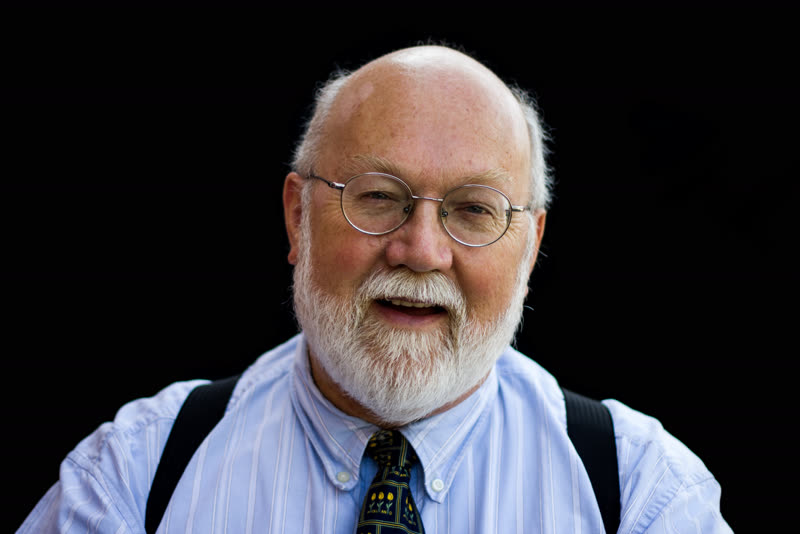 Tim Pasma Sunday AM Cheering Champions to the Finish May 27, 2018
📖 Read the Scripture passage (ESV)
As you begin to read 1 Thessalonians you see the Apostle Paul saying to these folks, "I thank God that you imitated the example of my friends and me." Wait a minute, is it OK to say that?!! After all, we've been told countless times "Never look at others; don't follow people because people will fail you every time. You should only look to Jesus, he'll never fail you." Actually, that advice is wrong, even unbiblical, because the Bible encourages you in several places to follow the examples of others, to actually imitate them. In the sermon Models, Pastor Tim looks at 1 Thessalonians 1.6-10 where you see God cheering you on to the finish by giving you models to imitate.
Transcript
Would you take your Bibles this morning and turn once more to the book of 1 Thessalonians chapter 1. 1 Thessalonians chapter 1 as we continue to understand God's word to us. 1 Thessalonians chapter 1, you follow as I read the first 10 verses, well the whole chapter of this book. Paul, Silvanus, and Timothy to the Church of the Thessalonians and God the Father and the Lord Jesus Christ grace to you and peace.
We give thanks to God always for all of you constantly mentioning you in our prayers remembering before our God and Father your work of faith, labor of love and steadfastness of hope in our Lord Jesus Christ. For we know, brothers, loved by God that he has chosen you because our gospel came to you not only in word but also in power and in the Holy Spirit and with full conviction. You know what kind of men we prove to be among you for your sake.
And you became imitators of us and of the Lord. For you received the word in much affliction with the joy of the Holy Spirit, so that you became an example to all the believers in Macedonia and Achaia. For the word of the Lord has sounded forth from you, not only in Macedonia and Achaia, but your faith in God has gone forth everywhere so that we need not say anything.
For they themselves report concerning us the kind of reception we had among you and how you turned to God from idols to serve the living and true God and to wait for his Son from heaven, whom he raised from the dead, Jesus, who delivers us from the wrath to come. Let's pray. once more father we come to you in humble submission to learn from your word to be equipped to be able to to understand better what it means to follow christ so open your living word to us i pray your spirit would be at work in us i pray you would equip this congregation in the way that you would have it according to your word god help us now give us understanding change us. We pray this in Jesus' name.
Amen. Yesterday as all of you know we had the funeral of our brother Paul Savage And in preparation Josh and I talked about our respective parts what I was going to do and what he was going to do and so forth He preached the sermon. I delivered a eulogy in a sermonic kind of way, I guess. It was difficult for both of us in the sense that we were burying a dear friend and a colleague in ministry.
But on the other hand, it was easy. It was easy. As Josh remarked to me after the funeral, this was an easy funeral to preach because Paul believed the gospel and his life reflected the gospel. He lived in a way that said he truly believed the promises of God. He lived in a way that people could look at him and they could say he believes what the gospel says.
He lives the way the gospel tells us. to live. And that's what you see in our text this morning. You see people who not only know and believe the gospel, but they obey the gospel and it shows. Now remember that here Paul reports his thanksgiving to God for the Thessalonians. He commends them for what he's heard. Timothy has returned to him with a report of what's happening in that church.
And so he's commending them at this point on the basis of what he's heard about them and here in our text verses 6 through 10 here he thanks God that they followed the example of Paul Silas and Timothy and the example of the Lord Jesus he also thanks God for the fact that they have become an example a model to other congregations. Is that right? Should Paul be doing that?
Like, after all, haven't all of us said these words? Hey, look, do not look at other people. Do not follow people. People will fail you. People will disappoint you every time. The only person you look at is Jesus.
Fix your eyes on Jesus Guess what That wrong That is dead wrong You say what It wrong In fact the Bible in several places calls us to imitate other people to imitate faithful people to model our lives after those people and in the process then follow Christ Now one of those places that proves us wrong in what we say is this text right here. Let's look at our text for this morning, chapter 1, verses 6 through 10. Listen carefully.
And you became imitators of us and of the Lord, for you received the word in much affliction with the joy of the Holy Spirit, so that you became an example to all the believers in Macedonia and in Achaia. For the word of the Lord has sounded forth from you, not only in Macedonia and Achaia, but your faith in God has gone forth everywhere, so that we need not say anything. For they themselves report concerning us the kind of reception we had among you and how you turn to God from idols to serve the living and true God and to wait for his son from heaven whom he raised from the dead Jesus who delivers us from the wrath to come how does God cheer us to the finish how does he encourage us to finish well he does it by giving us models to imitate, examples to follow.
So here's what we find. We find Paul saying to us this, make it your ambition to follow gospel models. Make it your ambition to follow gospel models, verse 6, and you became imitators of us and of the Lord, for you received the word in much affliction with the joy of the Holy Spirit. You need to fix your eyes on and you need to follow faithful people because that's how you learn.
That's how you learn. Several times in the New Testament, you find this call to imitate others. Paul calls on people to imitate him. He says, I want to commend you. You imitated us. You know what he says in 1 Corinthians chapter 4 verses 16 and 17 you just heard it a few minutes ago I urge you then be imitators of me that is why I sent you Timothy my beloved and faithful child in the Lord to remind you of my ways in Christ in first Corinthians chapter 11 the apostle Paul says be imitators of me as I am of Christ in Philippians chapter 3 verse 17 brothers join in imitating me and keep your eyes on those who walk according to the example you have in us He goes so far as to say if they not living like us be careful of them.
Well if that's not bad enough the writer to the Hebrews says this in Hebrews chapter 13. Remember your leaders, those who spoke to you the word of God, consider the outcome of their way of life and imitate their faith. And then Jesus himself in Luke chapter 6 says this, a disciple is not above his teacher, but everyone when he is fully trained will be like his teacher.
You see? Now, this is not pride. This is not arrogance. But rather, this is the way you disciple other people. It's the heart of discipleship. How did Jesus disciple his apostles?
You know how he did it? He used a method called show and tell. Show and tell. That's how you make disciples. That's discipleship. You don't just stuff their heads with facts.
You don't just do that. You show what the truth looks like in your life. You show how it works. You show how these specific commandments of God find expression in everyday life. You see, it's the heart of discipleship. Imitate me.
This is what God says. This is how I obey it. Now do it that way. Do it that way. Several years ago, over 30 years ago now, when I went to my first basic counseling class, way back in 1986, traveling over to Faith Baptist out in Lafayette, Indiana. We'd spend an entire day there.
Start at 9 o'clock with lectures. We would have case studies around lunchtime, and then from 2 o'clock to 9 o'clock, we would sit in as the staff there counseled people and watch them counsel. Now, they assigned us books to read. We had to read about three books in that 12-week period. But they didn't teach us counseling just by us reading books and getting lectures.
We learned counseling by reading the books, hearing the lectures, and then watching it in action. That's how we learned. That's how they trained, or that's how they made counselors. We saw it in action. I could see Pastor Goode take the things I'd learned that day and I could see what that looked like. I could see Tim Turner as he took what we learned in the lecture.
And I watched him with another person as he counseled them and helped them along. I watched Randy Patton take the truth of the Word of God and minister it to people. And so it's show and tell. That's how we learn. That's how discipleship happens. And so make the effort to imitate others who are faithful followers of Christ.
And as you do, as the Apostle Paul says, you follow Christ. He says you became, I want to commend you, you became imitators of us and of the Lord Jesus. And he tells us here to imitate those who model how to handle affliction. Who should our models be? Those who handle affliction. How did Paul handle affliction?
How did he handle affliction? this one who was beaten, who was whipped, who was slandered, who was hated beyond anything we've ever seen in our lives, how did he handle it? Well, no doubt, remember, he'd come to Thessalonica from what city? What was the city he just came from? Philippi. What happened in Philippi? You remember?
He and Silas get thrown in jail. And they're sitting there in stocks, in the cell, and what are they doing? Remember? You know the story? What are they doing? They're singing.
They're singing. And just reading those things should blow your mind. Like your work is hard. Do you sing at work? I bet it's not harder than sitting in a cell in just some straw with your feet in stocks and you can't move and you're getting an achy back and you and your buddy there are singing songs. That's how he handled it.
That's how he handled affliction. Paul looked to the hope of glory. he writes in 2nd Corinthians 4 for this light momentary affliction again you've heard me say this a thousand times light momentary affliction what? beaten with rods having your back ripped up by a whip three times being shipwrecked everybody hates you everybody's saying false things about you these light momentary afflictions right? wow for this light momentary affliction it's preparing for us an eternal weight of glory beyond all comparison as we look not to the things that are seen but to the things that are unseen how did he handle affliction what did he model for us what should we be like here what we should be like in the midst of affliction in the midst of that dirty rotten job that you have in the midst of the people at work hating you you look ahead and you set your hope on glory where everything is going to be the way it should be. And Jesus will reign with grace and mercy and peace and we will have nothing but glorious peace.
You see. Fix your eyes on that. That's eternal. They didn't see a bitter, angry, vengeful man, but a man who said this, pray that I have sufficient courage so that now as always Christ will be exalted in my body, whether by life or by death, whether they kill me or whether they free me. The only thing I want is Christ to be seen. He had a purpose that said, I'm not the main player in this drama.
Jesus is. I want him to be seen. That's how he handled affliction. Look for people who handle affliction like that. How did Jesus handle affliction for that matter? How did he handle affliction?
When he threatened, Peter tells us, when he threatened, he did not revile. Or when he suffered, they're taking him to the cross. They're whipping him. and they're jamming a crown of thorns on his head. They're nailing him to a cross. What did he do? Not one word came out of his mouth that reviled those who hated him.
He didn't threaten them. He didn't threaten them. What did he do? Peter says he entrusted himself to him who judges justly. Jesus was nailed to that cross knowing that God is the just judge, and he will set everything straight. I can wait for that.
You know what he did? remember what he did when they were nailing him to that cross? He was praying for the people who nailed him to that cross. Those are the models that you want. And so when the gospel came to the Thessalonians, they imitated Paul and the Lord Jesus. No amount of persecution could sway them from embracing those life-giving words. They found the promises of God more wonderful than a life of ease now.
If they would just repudiate the gospel, their life would be easy. But they remembered the promises of God and what he has waiting for us is greater than any life of comfort I might have now. No amount of persecution could sway them from embracing those promises Imitate those right Like they did Imitate those who can model affliction Imitate those who model true joy.
Notice he said, you receive the word of God in great affliction and with the joy of the Holy Spirit. The gospel gave them joy. No amount of persecution could rob them of the joy of sins forgiven, of citizenship in the kingdom of heaven, of God as a loving Father, as they now have a glorious purpose, a transcendent purpose for living life that goes beyond the dull life they had lived before.
Nothing could take that joy away. Why? Because he says here it was the joy of the Holy Spirit. When the Gospel comes and claims you, the Holy Spirit begins a work in your life so that the joy that you have is supernaturally produced by the power of God the Spirit who works in you. Nothing could rob them of that joy that they had in the gospel. Nothing could sway them from that joy.
The persecution that came their way would not keep them from the joy that was theirs by the Holy Spirit as they heard the gospel message. Look around. Do you know people who are like that? You know people who can model affliction? People who can model joy for you? Those are the people you follow.
Watch them carefully. Ask them how they do it. you might even say can i spend time with you find those people make it your ambition make it your ambition to find gospel models to imitate gospel models but you know what here's what's fascinating it is what paul says he says look what happens when you become imitators you become a congregation that others imitate that's what happens you become a congregation that others imitate. And so he says now, through the rest of this chapter, make it your ambition to become a gospel model.
Now just a word here, just a word here. He uses the singular here. Verse 7, because of you imitated us, that you became an example to all the believers in Macedonia and in Achaia. You became an example. He's not talking about each individual person being an example. Now he's broadened the scope and he says, this congregation is an example.
Singular, not plural. The whole congregation is a model now of what you should be of what a congregation should be Isn that amazing These people have so embraced the gospel now that they have become a model for other congregations We see that in verses 7 through 10. This congregation became a model for other believers, for other congregations. Here's what he's saying.
In the midst of adversity, you believe the gospel. In the midst of all this horrible thing, you believe the gospel. And as you heard the word of Christ, you experienced joy. Now, what happens? Here's what he says. You became an example for all the believers in Macedonia and Achaia.
But not only there, but the word sounded out in Macedonia and Achaia. Not only there, but it's gone everywhere. their response to the gospel became news it became news the way they embraced the gospel became news they they gained a reputation I imagine it when something like this hey have you heard about that group in Thessalonica they call themselves I don't know Christians or I don't know disciples of Jesus they believe that this Jesus is a king and that this king appeared and he was crucified like a common criminal. And here's what they say, that he was raised from the dead.
Can you believe that? Wow. He's been raised from the dead. And they say that this king has come as a redeemer to ransom people from what they call sin and to bring salvation to the world and that he's going to come and he's going to judge the world. And get this, get this, okay, this is the really weird part. Although people hate them for believing this message, no amount of pressure, no amount of hatred, not even jail time is going to sway them from their allegiance to this crazy king.
And guess what? They're happy about it. You imagine that's what's going on. This is what's going out. This is what's leaving Thessalonica. People are talking about them.
And that's what they're saying. And what I find here then in verse 8 is that this kind of model, this kind of reputation spreads the gospel. It spreads the gospel. over the place, you see, your reputation spreads the gospel. Now Thessalonica is a city in the Roman province of Macedonia. If you have, and my guess is, if you stick your finger where we are here, and don't don't get distracted, but my guess is you have a map in the back of your Bible.
Unless of course you have one of those things you got to swipe everything, then now you're, now you got a problem. Now you've got to go on the internet. But there's this Roman province called Macedonia. Thessalonica is way up here in the right-hand corner of Macedonia, right at the top of the Aegean Sea. Okay? This is the Roman province of Macedonia.
It's like what's northern Greece today and a little bit further. And then Achaia is in the south. Okay, way down in the south. So you've got Macedonia, Achaia. And he says, your reputation has spread all the way from here. And he's in Corinth right now, which if you look at the map, is way down here at the very, way down in the south of Greece.
He says, you know, he's just left them and he's gone to, he went to Athens first, Berea and then Athens, and then to Corinth. And this is where he hears, this is where he hears the report from Timothy. But he says, look, people are talking about you guys all the way down here, right? And not only that it's gone everywhere it's spreading east and west maybe as people are coming east from Rome maybe they're meeting people going going that way and they're telling about you crazy Thessalonians and people coming from the east or maybe you know meeting people leaving Thessalonica and going going east as they're coming west and they're telling them this story I mean this stuff is spreading around he says now I've changed the wording of the text a little bit and it's legitimate there's question about what he's saying for not only the word of the Lord sounded forth but should it read for the word of the Lord has sounded forth not only in Macedonia but in Achaia I think that's better because just because the word of the Lord has sounded forth and your faith has become known they're parallel he's talking about the same thing so he's basically saying your reputation or not your reputation the gospel has spread all over the place It all over the place And other congregations hearing about your response to the gospel have a model that they can imitate Other congregations now are seeing how to imitate you guys.
All right? Now look, here's what's happening. And as I studied this and thought about it and reflected on it and read about it, I don't think he's saying that you sent out missionaries. I think what he's saying is because of what people are saying about you, the message of the gospel itself has spread. Okay. Because of what people are saying about you, remember what they're saying.
They've talked about, you become an example of how you received in much affliction and you received it with great joy. That's what's being spread around. and so he's saying these people are spreading around this story about the way you've reacted to this particular message what is that message these crazy people got a a dead resurrected king what is that all about that's what's going out so how can they respond to a message like that and say well put all the pressure on you want i'm not going to change or or they're they're happy about it. How is that possible?
And so that's what's being spread. These people are believing this crazy thing and they're unmovable. Okay? And he uses the word echo here. And when it says that the word of the Lord sounded forth, that's a Greek word that we could translate as echo. Right?
You know how it is? You stand in a canyon. Your buddy is a mile down the canyon. You go, hey! You can hear it echo in here a little bit. If you weren't all in hear absorbing the sound it bounced a little bit more but the the gospel message is echoing boom boom boom boom boom boom boom and it's going it's going you see and and he says because of what happened to you it's echoing it's going out it's sounding forth everybody's hearing about it and he says it's traveled is the next phrase so your faith in god is has gone forth it's traveling along the way.
All right. If you look at Thessalonica, it's way up here in the north. There was a road that's traveling from east, from west to east. And then you go across the Adriatic and they have a point like this between Greece and Italy the Italian boot and another road that goes straight to Rome So people would come here hop a ship come here and travel all the way to the other end of the empire So they right on that road And so this is going all over the place There's people talking about these crazy Thessalonians.
It's going everywhere, he says. So much so that we need not say anything. You say, wait a minute. Wait a minute. Paul's not preaching? You mean you don't have to preach the gospel?
No, no, I don't think that's what he's saying. I think what he's saying is he doesn't have to start from scratch. Enough of the message has spread that he's got some ground to work with. He doesn't have to do it from scratch. People are already hearing the message. Now let's think about what this tells us about the importance of models, if you will, for effective evangelism.
If we as a congregation live consistently with our beliefs, we will gain a hearing. Now, don't misunderstand me. I think we need to get rid of this crazy and unbiblical idea of, well, I didn't share the gospel, but people will be converted by the style of my life. They'll see how I live and they'll come to Christ that way. That's not how people come to Christ.
They see how you live, they call you crazy, they call you religious. Without you articulating the gospel, they won't understand why you're living the way you live. And you're only converted by the word of the gospel. now don't hear what I'm not saying on the other hand if we as a congregation do not live consistently with the gospel forget about anybody listening forget about anybody listening right? how do we respond to one another? how do we treat one another in this congregation? you know what Jesus says? the night before he was crucified here's what he said A new commandment I give you, that you love one another as I have loved you.
By this, all men will know you are my disciples if you love one another. All right, if we're fractious and eating each other up, right? If we're not building relationships, how different are we from those outside? What kind of a message do we have? You know, Jesus loves sinners. Well, I can see that.
You guys sure love one another. I can see how God's changed you. right No no we got to live consistently with the gospel How will we respond when affliction hits us Are we going to respond to affliction to persecution to adversity in a way that's entirely different than the world? This place was filled yesterday for Paul's funeral. It was not only filled, but the back was filled. all the tables we lay out to eat all of them except there were three lines of tables filled with people hearing the message back there of Paul there were a lot of people here who did not know Jesus and I pray they saw Christians in this place who handled the grief of losing someone dear differently than they do In fact, in this very same epistle, the Apostle Paul is going to talk about, we are not like those who grieve without hope.
How do we handle affliction? How is the gospel going to gain a hearing if we don't handle adversity any different than an unbelieving world? We don't despair. We have hope. We always have hope. Christians, I remember, I forget who said it.
Christians should not be people who have faces so long they can pick up corn from the bottom of a Coke bottle. never mind, you didn't get it, but we should be people of hope all the time, you see. We should be people of hope all the time. We'll re-respond in such a way that people say, wow, what do those crazies believe? Right? It's the way they responded to the gospel, and they said, what?
What's with these people? This is crazy what they believe. It's nuts that they're not being swayed. You see, the message goes out. We'll gain a hearing. Who wants to listen to us if we're no different than them?
We have a life-changing message, you see, and we'll gain a hearing. Secondly, if we as a congregation live in consistently with our beliefs, we become a model for other congregations. And as other congregations model us, there's more basis for the launching of the gospel in different places. You see? Listen, I can see that. What's this whole business about going to Romania all these years have been about?
To go into Azerbaijan and Mongolia. What has that been all about? It's taking what we've learned together here in the ministry gospel and how we live together, taking it somewhere else, teaching them, this is how we do it. This is how go. This is what God says that you need to be as a church, how you need to lead, how you need to preach. This is what you know how you need to treat one another, how you need to solve your problems.
That's the way we've done it. And when you do that, you have a model you can point to. And then those become launching pads for the gospel in different places. Can you see how the when you become a model, it becomes something that will spread the gospel, you see. And so that's what he's saying to them. They won't have to start from scratch, you see.
So this kind of model then, this kind of model is effective for evangelism. But notice this, notice this as well, that that kind of model, this kind of reputation encourages gospel obedience. That's what he's talking about in verses 9 and 10. They report about us, how you received us. You know, we show up and we're talking and they hear about how you received us.
And that makes an impact. He's talking about gospel obedience here and how they turn from idols. What is gospel obedience? Let's talk about that just for a moment. Gospel obedience is not earning anything. It's not earning anything. but gospel obedience begins with obeying the summons of God to believe Paul himself said to the Philippian jailer believe in the Lord Jesus Christ and you will be saved you and your household so he says to him you and your household here's what you need to do.
You need to believe and then you'll be saved. And Jesus himself in the, in the, at the end of the book of Luke said that repentance and forgiveness of sins should be proclaimed in his name to all nations. What are they saying? They're saying God sends out a summons and he says, here's the one thing you need to obey. You believe, you repent, obey that summons and you'll be reconciled to God right Apostle Paul in 2 Corinthians 5 says we implore you as ambassadors of God be reconciled to God There a command And so gospel obedience begins with obeying the summons of God He says believe obey and believe Believe that commandment and you will be saved And then the gospel produces the grace of God, then produces obedience to God. you say what what's going on in verse 9 when he says they report to us already about us they're talking about us it's a topic of conversation they're talking about us and they're saying how you received this what is that all about is this arrogance again this is oh paul there you go again talking about yourself is that arrogance no no not at all what's going on he's saying what they were saying, what were they saying?
What were the Thessalonians communicating when they welcomed Paul and Silas and Timothy? What were they communicating at that point? They're communicating this. These guys are not out to swindle us. They're not out to enlist us in some crazy cause. They're not out to use us.
In fact, they've come to us with the truth that will save us. We welcome them because they were for us. They were concerned about us. They brought a message that we needed to hear. Several years ago I remember a former college friend called me up. He says, hey, let's get together.
And I'm thinking, well, this is nice. this college acquaintance is calling me up to renew our friendship. You know what I found out? He was calling me up to come to a meeting to enlist me to sell some products, right? He didn't care anything about me. He just wanted to use me so he could move up the pyramid, right, and make more money. That's what that was all about.
And what they're saying is, that's not what these guys are about. They're about a message that will change your life, you see. That's why he says in verse 9, they're talking about our reception. That's an example of their gospel obedience. So this model congregation has enhanced the reputation of the messengers so that others will more easily accept the message that they bring.
Hey they not out to use you They not out to swindle you They out to bring you a message So your reception has helped us The news about how you received us has helped us in our ministry And it also, this kind of a model, a congregational model, encourages a changed life because the gospel changes lives. Notice, you turn to God from idols. You turn to God from idols, to the living and true God.
The gospel, because of the gospel, these people in Thessalonica turned away from idols to serve the living and true God. He alone is the living God, and therefore he alone is the true God over against multiple false gods that do not exist. You're serving the one true God, and your whole life has changed. You see, remember, idols ruled that culture, and they have abandoned listen, they have abandoned a whole way of life so that people now hate them.
That's what repentance is. That's what turning to God is in the gospel. You're turning your back on your old way of life, so much so. You want Jesus more than you want what you got. And people are going to hate you for it. Think about it this way.
This is what's going on in their culture. Suppose you're a member of the Gay Action League. and you stand up in a meeting and you say this, I've got to tell you something. I no longer believe that human sexuality is determined by the individual. I believe that human sexuality is defined by God. And that God has revealed himself in Christ with a message of salvation whereby God rescues us from ourselves.
What's going to happen to that member of the Gay Action League? What's going to happen to him? He will be despised. He will be hated. He will be kicked out. They will hate him.
They will spread rumors about him. They will try to discredit him. That's the idea you need to get about what these folks had been through. Idols so ruled the culture that to say they are false and God has revealed himself in Christ and I'll serve that God, the only God, how do you think people are going to respond to that? They going to hate them They going to despise them They going to say false things about them you see That the way it ought to be with us We turn our back on the life we once lived And we're different.
Because of the gospel, they turned away from idols, not just to serve the true and the living God, but they turned to wait for their deliverance. Notice that in verse 10. And to wait for his son. It goes like this. Here's what he says. and how you turn to God from idols to do two things, to serve the living God and to wait for his son. When you turn from your idols, he says two things happen.
You now serve the one true God and you now become a waiter. One who waits. Waits for whom? Waits for what? Waits for the son of God who is in heaven. Waits for the one who is in the place of all authority and power.
You're waiting for him. and he will come again because he's been raised from the dead, never to die again. He's alive in the place of authority and power, and he will come again to deliver his people from the very wrath of God, the wrath of God that will be visited upon all those who do not turn to Christ. He has rescued you from that. And when God comes and Jesus arrives with all his judgment, And he says a lot about this in the next epistle.
When he arrives with judgment, only those who belong to Christ will be saved from that wrath. So as he looks to the future, he says, look, there's coming a day when Jesus is going to deliver you. What's going on here? Why does he say that? He says that they can now wait. They can endure.
They can endure the persecution. They can endure the adversity. Why? Why? Because someone is going to come from heaven who will deliver them. And so they can handle it.
They can stand. They can stand steadfast. They know a deliverer is on his way. So the question is, are we a model of gospel obedience? We need to be. We need to be.
We need to aspire to that. And so here is God's message to us, right? Models. They're important. People who belong to Jesus have been transformed. Believers, there are those amongst us and all of us ought to aspire to become a model.
And we ought to look to find people who are faithful to Christ and find out how they live. How do they do it? We all can do it. We all can look for those models. We want to become imitators. And as we become imitators of those who follow Christ, we can live in this world in the way we ought to.
Model people who handle affliction and who have joy. are the two things he talks about. Find those people. Imitate them. And become a model, he says, to us as a congregation. Become a model. Look at what he can do with the gospel when there is a congregation with a reputation of living consistently with the gospel.
Watch what can happen as the gospel spreads. This is what God tells us. This is what we must do. Let's pray. Father, thank you once more for Your marvelous wonderful Word It just makes life understandable It makes us see clearly how we ought to live and how we ought to believe and how we ought to learn. Father, there are some here today where this just sailed over their heads.
They don't get it. their blinders have not been removed their stony hearts still are in place I ask that you would even take the words that have been spoken today to smash that heart of stone and to transform it into a heart of flesh use it to open their eyes to Christ and Father I would also pray this that you would use what we've heard today to transform us as a congregation help us to grow more and more into the likeness of Jesus as a whole congregation grant that I pray thank you for your word this morning in Jesus name amen