Session 2 The Burden Of Prayer
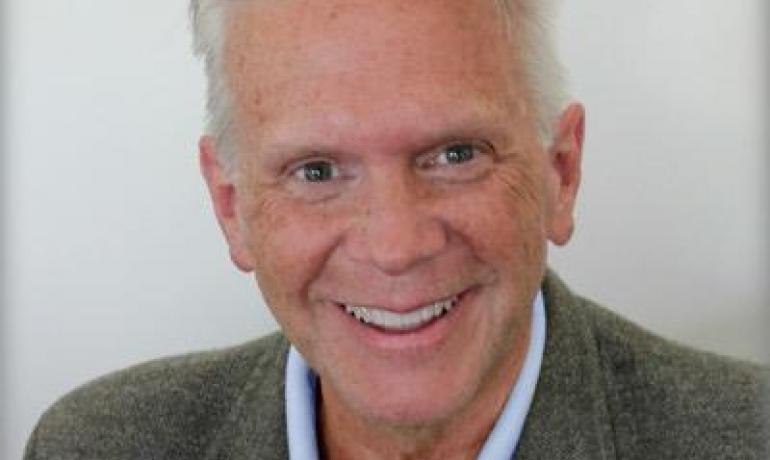 Steve Camp Special Service 2019 Midwest Regional FIRE Conference November 5, 2019
📖 Read the Scripture passage (ESV)
FIRE Session 2 The Burden Of Prayer
Transcript
What a delight. I've had a great time already getting to know Steve and hearing the Word of God preached last night, and I'm anticipating God meeting with us again today. And so, if you would, let's just pray and open the day with prayer, shall we? Lord God, what a delight it is to sit under the ministry of the Word of God. and thank you that we have a brother who believes in that word, believes its sufficiency, its inerrancy, that it is profitable for us.
And so we ask that you would help him, as he ministers the word of God to us, help us to listen carefully and to not just think about the text of Scripture, but the state of our own hearts and our own actions. And so, Father, we commit this time to you, thanking you for the inevitable blessings that come when the Word of God is preached. In Jesus' name, Amen.
Well, this morning, let's turn together to Colossians chapter 1. Colossians chapter 1, and though we started it out on a strong word last evening about some of the barriers to prayer, This morning we're going to be looking at the burden of prayer, how to pray for our congregations. This morning, Colossians chapter 1, verses 9 to 14. I had a brother come up last night and he says, do you read anything besides the ESV?
And I said, oh yeah, I have a dozen different translations and so forth. And he goes, do you ever preach out of the King James? And I said, yeah, if it was good enough for Paul, it's good enough for me. And so here I'll be preaching out of the King James this morning, even though our church is more ESV inclined. But the King James does get this portion correct.
And so it's a... Well, it does miss it. I mean, all they had was the Textus Receptus, and we have better manuscripts, right? But anyway, this morning, Colossians. I didn't mean that joke. This is going to be a fun hour together, I can tell that already.
So here Colossians chapter 1 verses 9 to 14 And could we stand together as we read God Word in honor of the Lord this morning For this cause, we also, since the day we heard it, do not cease to pray for you. And to desire that we might be filled with all the knowledge of His will and all wisdom and spiritual understanding. That ye might walk worthy of the Lord unto all pleasing, being fruitful in every good work, and increasing in the knowledge of God.
Strengthened with all might according to His glorious power. Unto all patience and longsuffering with joyfulness. Giving thanks unto the Father which hath made us to be partakers of the inheritance of the saints in light. who hath delivered us from the power of darkness and hath translated us into the kingdom of His dear Son in whom we have redemption through His blood even the forgiveness of sins.
Father God, we're grateful for this wonderful epistle to Colossae in Hierapolis, Laodicea, the surrounding communities, Lord. And here's the Apostle Paul a thousand miles away in a Roman jail and this faithful pastor of Paphos comes to meet him to share with him his burden for the church of encroaching air that was coming upon these young Christians on how to face what later became known as Gnosticism of the day. The asceticism and legalism of even those coming out of Judaism and those given over to self-flagellation thinking that the mere mistreatment of the body gives them a standing before God.
So Lord, open our eyes to behold Your meaning of this text. It's a great text on how we can pray not only for each other as brothers, as co-laborers in Christ, but most importantly, how we can come before the throne of grace for our congregations. that we are so honored to serve. We are servants First and foremost we are servants And what a joy it is to serve another No task is too small No challenge is too great Because we serve not with human resources, but with love and power and a sound mind.
So therefore, we do not need to be given over to a spirit of fear, even though the days around us are fearful. Love is abating and lawlessness is abounding. And what an opportunity, Lord, to speak truthfully of the things of God. Father, we do pray for this dear family that lost nine members in a Mexican cartel attack upon their lives. Grandkids burned in a jeep.
Family destroyed. And Lord, though they come from a Mormon background, we would ask that in the horrific tragedy of this terrible hellish situation that you would bring Christian voices into this dear family's life to encourage them in the gospel of Jesus Christ and that what is tragedy can be used for your glory in seeing others contemplate eternity through the lens of your gospel and so Father we would ask that we know in this world we're going to have trials and tribulation but as believers we can even say today be of good cheer for I've overcome the world sovereignty is not just a theological concept it is how we live and so Father it's in you alone that we move and we exist and we have our being may you be glorified even this hour thank you for these dear men and the churches that they shepherd continue to bless them deep in their ministry and enlarge their coastline of influence as tremendous voices for the Gospel. We love You.
In Jesus' name we pray. Amen. You may be seated. It has been said that before our salvation that we were Christless, stateless, covenantless, hopeless, godless. That our minds were given over to futility our understanding was darkened That we were cut off from the life of God ignorant hard callous immoral impure and greedy The only thing we were qualified to receive from God was His eternal wrath poured out upon us in unmitigated fury and gall in a living hell forever.
And that is what we would have received if not God's mercy toward us. most unsaved people do not think of themselves as the enemies of God they have no conscious feelings of hatred for Him some, but do not actively oppose His work or contradict His word they consider themselves at worst to be neutral about the things of the Lord but no such neutrality is possible the very mind of every unsaved person is at peace only with the things of the flesh and as Romans 8, 7 says that the mind is hostile toward God and cannot be otherwise. Therefore, not only are all unbelievers enemies of God, but God is also the enemy of all unbelievers. Psalm 7-11, He is angry with the wicked every day.
And Psalm 5, that He hates all who do iniquity. We know the wrath of God is revealed from heaven against all ungodliness and unrighteousness who suppress the truth in unrighteousness. sin is a dangerous thing it strikes at God and says I don't care what you say I'll do what I want it is God's would be murderer sin would un-God God if it could sin defiles the conscience it's irrational it forfeits blessing sin is painful it hurts sin is damning sin is degrading sin mars the image of God and man and like Samson, it cuts the locks of purity and leaves men morally weak. Sin poisons the springs of love and turns beauty into leprosy.
Sin defeats the mind, twists the heart, distorts the will, and all the affections that has made a whole world of people, all of mankind, children of wrath by nature, objects of God's wrath. Sin brings man under the domination of Satan in his sick sin system, which he controls. man and the world is a slave to sin, open to rebellion and defiance to God, and a slave to Satan. No wonder Charles Spurgeon one time said, convert in our churches distinctly and deliberately declares that he knows the Lord's will, but does not mean to attend to it, you are not to pamper his presumption.
But it is your duty as pastors to assure him he is not saved. But is that cut across the quintessential political correctness of a lot of churches in America today? Assure someone they're not saved? It's a way to kill church growth, isn't it? Do not suppose Spurgeon goes on to say that the Gospel is magnified or God glorified by going to the worldlings and telling them that they may be saved this moment simply by accepting Christ as their Savior while they are still wedded to their idols, their hearts are still in love with sin and they reject Him as Lord.
If we do so, we tell them a lie, we pervert the gospel, we insult Christ, and we turn the grace of God into lasciviousness. Praise God for Brother Spurgeon. So the burden of prayer, how do we avoid that pitfall in our churches? Well, I believe as we are faithful in ministering the Word, again our theme verse of Acts 6-4, that we are to give ourselves over to the ministry of the Word and to prayer. and I believe that those two things as we spend time in the studies of the scriptures we need to spend equal time in the prayer closet praying for the dear people the Lord has called us to serve to His glory so I hope this will be an encouragement to you here out of the book of Colossians very first and foremost six wonderful things that we're going to see this morning to be fervent in prayer to be filled with His word faithful to walk, worthy, fit for the inheritance, to have freedom from sin and forgiveness of sin.
So let's begin together. Fervent in prayer. Notice this in verse 9 of chapter 1 of Colossians. For this cause, go back to verse 3, we give thanks to God our Father and our Lord Jesus Christ, praying always for you. This cause is since we heard of your faith in Christ Jesus and of the love which you have to all the saints For the hope which is laid up for you in heaven whereof you heard before in the word of the truth the Gospel.
I love that phrase that defines the Gospel. The word of the truth. The word of the truth. It's come to us as it is in all the world and brings forth fruit as it does also with you since the day you heard it and knew the grace of God and truth. So here the Apostle begins by saying, for this cause. It was the cause of the Gospel.
The cause of the fruit-bearingness of a transformed, fully regenerated life. And he says, we heard of it. And we do not cease to pray for you. We do not cease to pray for you. A group of Christians he hasn't even met while he's in prison in Rome. But here, this dear faithful pastor, you notice here in verse 7, as you learned of Epaphras, our dear fellow servant, the sundalas, a fellow slave, who is for you, a faithful minister of Christ.
Could you imagine what it meant to Epaphras to have the Apostle Paul encourage his own local church by saying, here is a faithful minister of the Gospel. If you go to chapter 4, we see even Epaphras' dedication as a minister of the Gospel in verse 12, but also for prayer. He says, Epaphras, who is one of you, a servant of Christ, Salutes you. Always laboring.
Here's this word again. Fervently. Fervently. Again, there's an urgency. There's a steadfastness for you in prayers. It was the first characteristic Paul mentions of a faithful minister of the Gospel.
He says, and here's what he's praying for, that you may stand perfect and complete in all the will of God. for I bear him record that he has a great zeal for you and them that are in Laodicea and in Hierapolis. And so we see here this dear man who traveled by foot and horseback and carriage and so forth by land and sea to come a thousand miles. Think of how many weeks it took him to get to Rome simply to say, Paul, we're experiencing some problems here. he was coveting Paul's prayer in his in his work here in the ministry of the gospel so he encourages us first of all brothers to be fervent in prayer to not be losing heart to stand fast as our Lord said in Luke 18 when men ought always to pray and not to faint And if the inference is if we not praying we fainting Remember Asaph in Psalm 73 says, until I went in the sanctuary of the Lord, then I discerned their eternal destiny, as it were.
He was envious of the wicked. His foot was slipping. He said, I've been faithful and it's my faithfulness that all for naught. I see the wicked abounding. I see their wealth increasing. They seem to have a life of ease.
And he says, I was even reduced to the reasoning of a brute beast. He was simply operating by animal instinct rather than a clear order of a sound, prepared, disciplined mind that's been captivated by the Word of God. That's easy for any of us to fall into, isn't it? You think of John the Baptist. Here, six months older than our Lord. here is family. Elizabeth and Mary are first cousins.
And so John and the Lord, that made them family. They grew up together. And John understood that Isaiah 40, verses 3 and 4 were about him. That he was going to be the voice of one crying in the wilderness to make straight the king's highway. And hereafter, he prepares the way for the Lord and he was anxious to see his day. In fact, he said, the one that comes after me is greater than me because He existed before me.
I'm not even worthy to untie His shoelaces. I baptize with water, but He baptizes with the Holy Spirit. That's regeneration. And with fire, that's eternal judgment. But here John is sentenced to prison. And in Matthew 11, he sends some of his disciples to Jesus and he says, ask Him, are You really the Messiah?
Did He get it wrong? Did I imagine something that wasn't true? Are you really the one prophesied about? And the Lord says through His disciples to get back to John, He goes, tell John the lame are leaping, the blind are seeing, the deaf are hearing, and the Gospel has come to the poor. And then I love what a dear old friend of mine, Vance Havner, used to say in Matthew 11.6.
He would say, he called it the forgotten beatitude. And he said, blessed is he who does not get offended in me. In other words, blessed is the one who doesn't get upset by the way I run my business. God was operating unscheduled. John thought, how could the ministry continue? I here in prison soon to be beheaded because he confronted a politician with his sexual exploits saying that not your wife it your brother wife He wasn only guilty of adultery but incest and it cost him his head.
Oh, for men of God like that that are not afraid to walk up to any politician and to love them enough to tell them the truth. But here, this is what he was giving. And John lost hope. Are you really the one? So we can understand why the call here for the Apostle Paul to encourage us to pray earnestly, fervently, faithfully. And here's how he begins to pray.
Number two, that they would first of all be filled with His Word. Filled with His Word. Plerao, you know this. This is taken also out of Ephesians where he says to be being filled with the Holy Spirit. It's a nautical term. It means the wind that would fill the sails of a ship carried along the ship.
We all know that phrase, the Spirit-controlled life. This is not filling, meaning a glass has been drained empty and you have to refill it. No, it means the wind of the sails of a ship is moving that ship along. It's carrying it along. It's directing its steps and its guidance. In the same way here, we are to be filled with the knowledge of His will.
We are to be filled with the knowledge of His will. and here the apostle is speaking here very boldly, very clearly of the knowledge of what it means to grow in the grace of our Lord Jesus Christ. This was not abstract theoretical wanting as it were. It was knowledge that was to be rightly possessed by any Christian and lived out in the practicum of everyday living.
And so he says, may you be filled with the knowledge of His will. Filled with the knowledge of His will. And it had a dual purpose. It was to provide wisdom and spiritual understanding. Now that word here, spiritual, that King James has placed before understanding, maybe some translations place it to make sure the wisdom and the understanding are spiritual.
Pneumatikos, the work of the Holy Spirit. But we know this, wisdom is applied truth. That's the word of the knowledge of His will applied to daily living. Oh, how wonderful it is when a pastor in the council of one of his congregants can give a verse or two or a passage of Scripture that fully meets the need of the One that's coming for encouragement and discipleship and counsel.
That here, it's a great blessing to the heart to have God's truth to walk faithfully in the Lord. But then to have all complete understanding. So this is the totality of God's Word. This is God's Word fit aptly and appropriately. This is the ministry of any pastor and that we want to be given over to a faithful exposition of Scripture. As you know, in 2 Timothy 2.15, study to show thyself approved unto God, a workman that needeth not to be ashamed, rightly dividing the word of truth.
It's a Seamstice term, orthodomeo, to cut straight. We know that phrase well. To cut straight the Word of God so that every piece of the fabric of Scripture is perfectly aligned and fits wonderful. It's not that we play Russian roulette with the Word of God and we just make it mean whatever we want it to mean and say it has a meaning in and of itself.
We are to cut straight its fabric so every piece perfectly fits and is applicable to the knowledge of His will and it's complete with all wisdom and with all spiritual understanding. So Paul prays for this, that they would be filled with this wonderful knowledge of God's will. Wonderful knowledge of God's will. And this was so important. If you go to chapter 2 of Colossians, they needed this to confront the Gnostic heresy of the day.
They needed the clear direction of truth. Notice some of the keys on this heresy. Verse 8, Beware lest any man spoil you. It means to haul off his stolen goods through philosophy, empty deceit, vain deceit, by the tradition of men after the rudiments of the world, the elementary aspects of the world, and not after Christ. Those are real issues that can come in.
He further expounds in verse 16. And he says, Let no man therefore judge you in meat or in drink or in respect of any holiday of the new moon or of the Sabbath days which are a shadow of things to come but the body is of Christ In other words the substance belongs to Him Verse 18 Let no man beguile you of your reward in a voluntary humility and worshiping of angels. Boy, is that true of our culture.
Intruding into those things which he hath not seen, vainly popped up by his fleshly mind. But here we are to be given over to the holding truth of the Gospel. In Ephesians 4, the Apostle Paul is encouraging here a wonderful exhortation of the use of God's Word and the benefit that it has to the whole church. We've been given in verse 11, apostles and prophets and evangelists and pastors and teachers for the perfecting of the saints, for the work of the ministry, for the edifying of the body of Christ.
That's what it does. Till we all come to the unity of the faith. We know here in verse 3, we are to endeavor to keep the unity of the Spirit. That's our initial unity by regeneration. But the unity of the faith, that is the growth in theological and doctrinal clarity. The faith.
The entirety of the Christian faith. And of the knowledge of the Son of God into a perfect man under the measure of the statue of the fullness of Christ. How does it warn? How does it protect? That we are no more children tossed to and fro, carried about with every wind of doctrine by the delight of men and the cunning craftiness whereby they lie in wait to deceive.
I'm sorry, by the slight of men. But speaking the truth in love, we may grow up into Him in all things which is the head of even Christ. So here's the Apostle Paul. He's warning of these Gnostic heresies. He's warning of the leaven of unsound doctrine. The guardians of truth.
We must guard the trust not only in the message, but in the methods as well. And so he's saying here, be filled with the knowledge of His will. Make sure it's given with all wisdom and full and complete understanding. they need to be students of God's word and so here the penetrating knowledge which is part of the Christians lives we must be faithful to call them to its truth number three this morning we see it unfold here out of the text in verse 10 If we are fervent in prayer for our churches if we are filled with His Word and the knowledge of His will with all spiritual wisdom and understanding, then what flows from that in verse 10, number three, is that they will be faithful to walk worthy.
Faithful to walk worthy. That ye might walk worthy of the Lord unto all pleasing. our object is to please Him, to honor Him. We live a life to serve for an audience of one. As you know, Sunday morning behind the pulpit is probably the most lonely place in all the planet at that moment because we are there preaching for an audience of one that He may be exalted and glorified, pleased, adored, given majesty, honor, power, and glory.
The congregation hopefully is the benefit of that weekly faithful study in Scripture. But yet we must apply ourselves to realize, Lord, are you pleased? Is this sermon a wonderful, pleasing aroma to you? I remember years ago I was asking Dr. MacArthur, what separates a good preacher from an average one? And he said the average pastor gets out of the study chair too quickly.
He says the good one keeps in the chair, applies himself faithfully to the instruction of God's Word until he can rightly stand before the people of God and say, thus says the Lord. See, that's our duty as faithful shepherds. So walk worthy. Interesting word here. The most common word for walking is how Paul describes the Christian life more than any other word in the New Testament.
Surely we are to run the race faithfully. But yet, he calls us here to walk. Peripateo. It means simply to keep step with Christ. We line up behind Him. and that's why he could say in 1 Corinthians 11, what follow me is I follow Christ. We only follow Paul when he was following the footsteps of the Master.
When Peter was rebuked publicly by Paul because out of fear of the Judaizers, he reverted back to a gospel of works righteousness to avoid persecution by the Jews. He had a spirit of timidity, a spirit of fear, and even the Apostle had to be corrected. How much more we, that we might walk worthy. It's the most highest form of nobility of the Lord, pleasing Him in all respects That worthy walk captures the heart of any pastor that we would be those that would have every delight in a worthy walk.
To live lives worthy of the Lord Jesus Christ. In other words, our complete conduct. It's talking about the habits and the pots and pans, the fine print, the insignificant moments as it were. We are to walk faithfully with an absolute conscious striving to please God in everything. May I give you two verses on this? 1 Corinthians 10.
1 Corinthians 10.31 Whether you eat or drink, whatever you do, do it all to the glory of God. Glory of God. And then 1 Thessalonians 4.1 Finally then, brothers, we ask and urge you in the Lord Jesus Christ that as you receive from us, how you ought to walk and to please God just as you are doing and that you do so more and more that this would continue on.
That the worthy walk is not an additive to the faith. It's essential to it. It's essential to it. And so this is what we see here. This worthy walk gives us four tremendous evidences in that walk. Notice here at the back half of v.
10, the first evidence of walking worthy. This is not an aimless walk. This has divine purpose. Number one, we are to be fruitful in every good work. Fruit bearing in every good work. Being fruitful.
Paul says in every good work, this is the sign. There must be the evidence of fruit. In John 15, the Lord is giving this. This is His upper room discourse before He was going to the cross. John alone describes what that upper room discourse looks like. And in John 15, He tells of that fruit-bearing life.
He says in John 15, I am the true vine and my Father is the husband. I love it. Keith Green used to say, He is divine, we are the branch. In verse 2, He says, every branch in me that beareth not fruit he takes away. Every branch that beareth fruit he purges so it may bring forth more fruit. Know that you are clean through the word which I have spoken to you.
John 15 4. Abide in me and I in you. As the branch cannot bear fruit of itself, except it abide in the vine, no more can you, except you abide in Me. I am the vine, you are the branches. He that abides in Me, and I in him, the same bringeth forth fruit. Without Me you can do nothing.
This is what Paul is speaking of here. Fruit bearing in every good work, if we are walking worthy to please the Lord. And then John says something very powerful here in John 15.6, quoting the Lord, If a man abides not in Me, he is cast forth as a branch and is withered, and men gather them and cast them into the fire and they are burned. But if you abide in Me and My words abide in you, you shall ask what you will and it shall be done unto you.
Herein is My Father glorified that you bear much fruit and so you shall be My disciples. If you notice there in John, no fruit is never an option. No fruit is never an option. Matthew 7, A good tree produces good fruit. A bad tree produces bad fruit. No fruit is never an option.
We will know them by their fruits. And the call here is similar to Philippians 2 to not work for our salvation, but to work out our salvation with fear and trembling. Not doing everything with murmurings and disputings. My mom used to tell me as a young child when I didn't want to clean up my room or clean the garage or do something as a seven or eight year old and I would complain.
She says, you know Steve, do all things without murmurings and disputings. Later on in life I said, Mom, that was really clever. She goes, I know I took that verse completely out of context, but it's what the Lord He goes, got you to clean your room. That was a good thing. But here the murmurings and disputings were against God's sovereign providence on how He was ordering our lives.
And so Paul is indirectly saying, be mindful of the sovereignty of God. We live the worthy walk to please Him, but we want to be fruitful in every good work. It's moved from monergistic saving faith and glorification, monergistic, to Titus 2, where grace brings salvation to all men, but then grace enables us to live godly, righteously, and holy, and to deny worldliness and ungodliness in this present evil age. there a synergism in sanctification that does not exist in salvation We are dead in sins and He alone must regenerate our lives But now that we new creations we can walk by His enabling grace and the power of the Word of God and the enjoyment of the Holy Spirit to live a life fully pleasing to Him.
Never absent of Christ. No fruit is never an option. But we are to be fruitful in every good work. Secondly, He says here, not only fruit bearing, but fully increasing in the knowledge of God. Notice this. At the back half of verse 10, and increasing in the knowledge of God.
Increasing in the knowledge of God. Would you go with me, please, to 2 Peter 1. 2 Peter 1, and here we are given this wonderful progression of faith that tells us what this increasing faith should look like. increasing in the knowledge of God. Increasing in the knowledge of God. Again, this is not mere words. This is not academics.
This is not a download of doctrines so that we may win the debate. This is knowledge that must be applied. This is knowledge that must be applied. This is being a hearer of the Word, but more importantly, a doer. As you notice in 2 Peter 1, verse 3, according to His divine power, which has given to us all things that pertain to life and godliness through the knowledge of Him that has called us to glory and virtue.
That's the highest moral capability of civility. Moral living. Whereby are given unto us succeeding great and precious promises. So here he's putting this call to life and godliness in the context of Scripture. That you might be partakers of the divine nature having escaped the corruptness that is in the world through lust. and then he says giving all diligence add to your faith virtue virtue knowledge, knowledge temperance or self control, patience to godliness to brotherly kindness then to charity, notice in verse 8 if these things be in you and abound in other words are increasing they make you that you shall neither be barren nor unfruitful in the knowledge of our Lord Jesus Christ Interesting, Peter uses two words here that depict most of the time in the New Testament a non Unfruitful barren or unproductive He says a true believer could take on the characteristic of a non-Christian if these qualities are not increasing.
Think of that. We've seen this happen with too many in the body of Christ. I've heard it even with people around town. This one goes to your church? Are you sure they're a Christian? Do you know what they're doing at work?
Do you see their life? How they treat people at the local Starbucks or whatever the common place would be here in LaRue, whatever that would be. Where is it that people hang out? Where do they know your life? And so here he says you could be unfruitful and unproductive. And he says in verse 9, He that lacks these things is blind, cannot see afar off, hath forgotten that he was purged from his old sins.
Wherefore then, brethren, give diligence. Here's that word again. Make your calling and election sure. There's something we must do being equipped by the Word of God and the Spirit of God upon regeneration. If you do these things, it's a call to obedience, you will never fall. And an entrance shall be ministered unto you abundantly in the everlasting kingdom of the Lord and Savior Jesus Christ.
What a great passage. So here in Colossians, we see that we're not only to be praying for our congregations, that Lord, may they bear fruit in every good work. May they be fully increasing in the knowledge of God that that truth is taking root in their lives and they're being productive and fruitful with all wisdom and spiritual understanding. A third quality of the worthy walk is fortified for joyous long-suffering.
Fortified for joyous long-suffering. Back to Colossians 1 verse 11. That we would be, the King James says, strengthened with all might according to His glorious power unto all patience and longsuffering with joyfulness. And that's the right connection there with verse 11. Some carry over with joyfulness to verse 12. But I really believe that this is correct in how it's adjoined to verse 11. joyfulness, rejoicing.
The early church, as you know, when they would greet one another they wouldn use our common vernacular What up You know anything like that But they would come how you doing what happening They wouldn say any of this but they would use the little Greek word kairite. Kairite. And as you know, it means to rejoice. So they would come up and say, Pastor Tim, kairite.
Brother Greg, kairite. It was a call of a derivative of joy, kaira. and it's different than happiness which is fleeting. Kairate literally meant the quiet confidence God is in control. Suffering Christians need to know that. If you're persecuted for the faith, you need to be remembered. Kairate.
God is in control. Suffering for the kingdom is a good thing. For our own sins, we deserve to suffer. But if we're suffering, as Peter says, for bearing the name of Christ, we suffer for what is right. For what is right and true. Would you go with me please to 2 Timothy 1.
Oh, I love this great epistle. 2 Timothy 1. As you know, Paul is in a Mamertine prison in Rome. You can see that prison to this day. It's a circular prison. Have some of you ever been there and seen the Mamertine prison in Rome?
You've seen it. It's a circular prison. In the old days, they had about the size of a manhole cover at the top and the Roman guards could put a rope ladder down it. It was where they kept the worst of the worst and this is where Paul was kept. One of the walls in that prison could be raised by pulley and it would wash out the excrement and the fluids and the blood and so forth from the persecution and the torture and even the bodies that were destroyed and killed and it would wash them out into the sewers of Rome and then they were carried out into the waterways.
What was interesting, in this Mamertine prison, it was reserved for the worst criminals, and that's where Nero had placed Paul. His hands were put in stocks against the wall. His legs were put in these carved out pieces of wood, small at the ankle, wide at the hip, one on the bottom, one on the top. And while he was sitting, the splinters would carve into his legs, and those boards were hooked onto a chain or a rope, that was fastened around a large wheel and the Roman guards could take that wheel and as they turned the wheel, what was ever in those stocks there that held the legs, it would gradually begin to spread eagle the legs. until the flesh would begin to rip.
This is how he wrote this epistle. He was not in a beautiful hotel like you have put me in here in Marion. This was a suffering. This was a suffering. And this was something that demanded complete attention. And Paul is writing his last will and testament to young Timothy here.
And he says in verse 8, He says, Timothy, do not thou therefore be ashamed of the testimony of our Lord, nor of me his prisoner. Timothy was timid. He was about self-preservation. And he says, be thou partaker of the afflictions of the Gospel according to the power of God. Notice he's saying to Timothy, Timothy, join me in suffering for the Gospel. The text doesn't say it, but in the white part of the page, Timothy must have thought, is Paul okay?
Is Paul okay? I'm safe. He's bound. And then he says, who has saved us and called us with a holy calling, not according to our works, but according to His own purpose and grace which was given to us in Christ Jesus. I love this phrase, before the world began. Literally, in times past eternal.
He says this in 2 Timothy 2. And he says that no man that warreth and tangles himself in the affairs of this life, that he may please the one who has chosen him to be a soldier, that here we are to suffer for the things of the Lord. And in 2 Timothy 3, 12, Yea, all who will live godly in Christ Jesus shall suffer persecution. I had a chance to meet a Chinese delegation a few years ago in South Florida. this dear man of God.
We spoke to each other through a translator. He had just been released from a Chinese prison. He was put in there for handing out a Bible. They kept him in a little cell and it was very cold, very uncomfortable for many years. He had been in there, I think, for over 15 years. And this dear, sweet, gentle man, this small in stature, mighty in the Lord, and he had tears coming out of his eyes I asked him a simple question how was it to suffer Are you glad you released And he looked at me with tears streaming, and he said, Brother Steve, can you imagine that the Lord actually thought that I was worthy to suffer for Him?
I'd gladly do it again. I've never seen such courage. I've never been brought low to such humility. Could we say that? This is what Paul is talking about here. Back to Colossians 1.
He says it's patience and long-suffering. We do this according to His glorious power with joyfulness. Patience. Meekness. Gentleness. In other words, free from revenge to the ones that are giving the maltreatment. long-suffering, endurance, persevering.
I love what Paul says in 2 Corinthians 4, we may be knocked down, but we are not knocked out. We realize this light affliction is but for a moment. The underground church in many aspects of the world, they don't have a full Scripture. Somebody has torn out a page or two of Mark and a page or two out of Philippians and maybe file Lehman and given it and they pass it around and then someone shows up with the whole Bible and what they do is they tear it up not out of disrespect so they can divide it up and give it to other churches and people around that area in the underground as they meet in barns and buildings and in homes and in tunnels they have dug in.
It's interesting. One gentleman told me in England he said, we have church every day. not just on Sundays he goes we meet every day because the time is so desperate he says we celebrate the Lord's Supper every day we need it desperately for our fellowship, for our endurance and this is what Paul has said in this fortified for not only here for suffering but fortified for joyous long suffering endurance in the persecution well we need to pray for our congregants, my brothers, because persecution is coming to America. I always love what Ruth Graham Billy wife said many years ago Billy quoted it but it was really his wife who said it She said, if God does not judge America, He'll have to apologize to Sodom and Gomorrah.
I love that. Are we under the judgment of God in our nation? Yes, we are. Yes, we are. You only have to look to one issue among many, but even the blood of 50 plus million unborn children cry out. Our nation has become the child murderers.
We might as well be standing at Molech at the Asheroth in the Babylonian Baal worship of fire burning of the kids. It's the destroying of these young lives. Suffering. Suffering. You heard what Congressman Beto suggested a few weeks back that if anyone does not support an LGBTQ mentality or belief system, that their tax-exempt status as a church ought to be disinvolved and they ought to be prohibited from worship.
It's coming. By the way, I like to define LGBTQ this way, living gospel biblical truth quantitatively. I put that on Facebook and someone from the LGBTQ community contacted me, ministered to me very directly, and said, you can't take those letters. They belong to us. I said, I'll tell you what, I'll give you back those letters if you return back to us the rainbow.
There was no need to carry on the discussion any further. But you see, we are to give ourselves over not to the pressures of the culture, but to please God with patient, long-suffering joyfulness. We need to prepare our congregations congregations and teach them how to suffer how to suffer how to endure persecution for the sake of the Lord how to be rid of all things materially if the Lord strips us of those things to be faithful to him in other words we cannot perform same-sex marriages in our churches we can call them to repentance we can give them premarital counseling and let them know from Genesis to Revelation of the sinfulness of man and the sin against nature that they are employing in.
We are to show them the love of Christ and pointing them to the gospel and calling them to repentance But God forbid we should succumb to the pressures of the times and simply say that we can enjoin this as if marriage is something that is a creation ordinance that we can redefine out of political correctness We are not called to intersexuality, we are intersectionality, to virtual signaling. We are called to be faithful to the truth of Scripture. This is what he's saying here, faithfulness, patience, long-suffering, endurance.
It's the P of the doctrines of grace, isn't it? Total depravity, unconditional election, limited atonement, irresistible grace, and the perseverance of the saints. It's how we are marked. It's the fruit bearing that we are to be. And then that worthy walk. Forever thankful to God.
Forever thankful to the Lord. Notice here in verse 12, giving thanks unto the Father. Giving thanks unto the Father. This is marking our lives of thanksgiving. It's constant. who has made us meet to be partakers of the inheritance of the saints in light. Light is the disinfectant, the light of the Gospel when it shows upon the darkness of our lives and it reveals to us the sinfulness of our own sin.
We don't get revealed to us the sinfulness of our sins so we know how great and wonderful and far-reaching and magnanimous is the grace of God. No, we get a right view of the Savior. We look unto Jesus, the author and the finisher of our faith, as Isaiah standing before Yahweh in glory. And he sees the Lord high and lifted up. A right view of Christ gave him a right view of his own sin.
Woe is me. He pronounces self-damation, eternal judgment. I am a man of unclean lips. I've come undone. Humpty Dumpty got pushed off the wall and he was disintegrated into a thousand pieces. And no one could put him back.
I'm a man of unclean lips. I dwell among a people of unclean lips. We must preach the terribleness of sin, but we must first preach the glorious good news of the Gospel of grace. And if they get a look of the Gospel and a right view of Christ, they will have a right view of their sin and then a right view of their salvation of what it means to follow Jesus.
This is here what Paul is saying. We give thanks unto the Father. He has made us fit to be partakers of the inheritance of the saints. Oh, I love this in Romans chapter 9. The great non-controversial chapter on the sovereignty of God over the clay. I love this chapter.
It's probably a well-worn, traveled highway in your Bibles. Romans 9. What an amazing thing. He will have mercy. Verse 18, on whom He will have mercy and whom He will harden. verse 16, so that it is not of him that wills, nor of him that runs, but of God that shows mercy. That skewed, heretical evangelist, Charles Finney, the father of all modern day invitationalism, said upon his deathbed, I believe it's been my lot in life to produce many temporary converts.
Why did he say that? He would call them to what he called, you know, down front is the anxious bench. He would plead with them to repent of their sin and come down, and he would give them false hope by saying a sinner's prayer which doesn't exist in Scripture. One of our congregants years ago said, Brother, why don't you lead people in a sinner's prayer?
I said, because there is none in Scripture. I can't find one. And it's interesting today, Finney realized they were back doing their old business two or three months later. It doesn't matter the emotional response. God does not call for the hand to be raised. He calls for the life to be surrendered in obedience to the Gospel unto the Lordship of Jesus Christ.
We do not serve a divided Christ and God forbid we should edit His Gospel. So Paul is saying here, what shall we say then? Verse 14, is there unrighteousness with God? Translation is what our kids always say. that doesn't seem fair. It's not fair. Jacob I loved.
Esau I hated. And this was done before the twins were born? That's not fair. I will have mercy on whom I will have mercy. I will have compassion on whom I will have compassion. The Scripture says even for the same purpose in verse 17 that I raise thee up that I might show My power and that My name might be declared throughout all the earth Verse 19 And thou wilt say unto me Why then does he find fault Who hath resisted his will Nay but O man who art thou that thou replies against God?
Shall the thing formed say to him who formed it, Why have you made me this way? Has not the potter power over the clay, the same lump to make one vessel of honor and another of dishonor? What if God, willing to show His wrath to make power as known, endure with much longsuffering and the vessels of wrath fitted to destruction. But look at this. That He might make known the riches of His glory on the vessels of mercy which He had afford prepared unto glory.
Why do we give thanks to God here? Paul says because He made us fit for the inheritance. There's nothing good in us to be saints of light. Simply the goodness of God freely given. Do I believe in free will? Yes.
God has it. We don't. Even a good pagan doesn't believe in free will. Our will is bound by sin before the cross. After salvation, it's bound by grace. It's still bound.
He's had to prepare us, make us fit for the grand inheritance, the inheritance of receiving Christ and the Holy Spirit and being called children of God. of now no longer saints in the darkness, but saints in the light. The light meaning holiness, new life, purity, righteousness. On my best day, I'm clothed with my rags of my own righteousness. On my best day, I would always choose the darkness over the light.
John 3.19 On my best day, I'm dead and trespassing sins apart from the regenerating work of God. On my best day, I'm a slave to Satan and his sick world system. On my best days, I was polluted and corrupt in my mind and the passions of my life. Proverbs 24.9 says, the foolish thoughts of man is a sin. I don't know about you, I've had way too many foolish thoughts.
On my best day, I might have been civil and moral growing up in Wheaton, Illinois, the holy city, the Vatican too. I was a good kid I was opie growing up I didn't get in a whole lot of trouble I never was tempted by alcohol or drugs or any of that I was a nice young man I was winning Bible memory contests at age 13 and I was lost as a goose I had no godliness in me, but I lived a nice civil moral life and people would pat me on the back and say, Steve, we're so proud of you. Little did they know how corrupt and lost my heart was.
I never suffered the temptation, say, of cocaine. But I suffered from a sin far much worse than that. I suffered from self-righteous religious pride. It's the cocaine of the church. It's what drove Satan out of heaven, pride. It's what made Nebuchadnezzar strub in his Babylonian palace saying, look at the kingdom that I have built by my power, by my might, and for my glory.
Herod in Acts 12 he spoke and the people were saying not the voice of a man but the voice of a God and Herod believed his own press release he fell over, was eaten by worms and died why? he would not give God the glory self-righteous religious pride unbroken pride it's the worst of all sins how's my life? how can I give thanks to God? I don't have the kind of testimony that will get written up in Christianity today or Moody Monthly. But I have to tell you, it was profound.
I deserve His wrath. I deserve His wrath, but He saved me instead by His grace. I deserve His eternal judgment in the fires of perdition, but instead He expended to me His fathomless mercy. I deserve only His enmity against a foul, wretched man like myself. I deserve only His enmity, but in place of that, He's given me His unfailing love so that therefore, don't we echo in our testimonies the bookends of Romans 8, there is no condemnation to those that are in Christ Jesus and nothing can separate me from the love of God which is in Christ Jesus my Lord.
Amen? That is our testimony. there's no one good except for God and so our thankful hearts erupt in praise to Him He made us fit and so we made fit here number four for the inheritance And it gives us four things that we must be as that worthy rock Fruit bearing, fully increasing, fortified for joyful longsuffering, forever thankful. But then He had to make us, number four, fit for the inheritance at the end of verse 12.
As we conclude this morning, this gives us two great truths. Here's how we can pray for our church. freedom from sin and forgiveness of sin freedom from sin number 5 and number 6 forgiveness of sin notice this He hath delivered us from the power of darkness and hath translated us into the kingdom of His dear Son the Son of His love His beloved Son in whom we have redemption through His blood even the forgiveness of sins. Would you go with me please to Hebrews 2.
Hebrews 2. And here we find one of the great chapters on the glory of the cross. In Hebrews 2, verses 9-18, there are five views of the cross of how Jesus is exemplified here. We'll go down to verse 14. He says, For as much then as the children are partakers of flesh and blood, He also Himself likewise took part of the same. Let's stop there for a moment.
Partakers of flesh and blood. Koinonia. That's all that we ever were. We are conceived in sin, but we have flesh and blood. That's the commonality between us all. Saved or unsaved.
We are koinonia-ed by flesh and blood. Conceived in sin. Humanity. Now it says of our Lord, He also Himself likewise took part of the same, but now He flips it. He no longer uses the word for a commonality, a fellowship, a koinonia. He uses the word metakos.
Metakos very simply means to take that which is common to one, but yet foreign to another. Jesus Christ in the beginning was the Word. The Word was prostatheon, face to face with God. The Word was God. John 1.14 I love this which Calvin says is probably the most shocking miraculous statement in all of scripture the word became flesh think of it the eternal God of the universe The second member of the Trinity came and put on flesh and He dwelt among us.
And we beheld His glory as the only begotten of the Son, meaning not created as the Arian heresy was, but no begotten, His eternal generation, His deity, His member of the triune God, the second member of the Godhead, the Son of God. The Son of God became the Son of Man. the word became flesh and we beheld him full of grace and truth and so he says here he took that which was common to us flesh and blood but yet for and for him why did he do this? why did he do this? that through death he might katargeo him who had the power of death that is the devil whatever power Satan had in the power of death he takes and uses that exact weapon against Him and crushes the head of that wicked serpent on the cross. I get so tired of Christian television, I never watch it, but I had to on October 31st of last week.
We know it as Reformation Day. Carnal Christians know it as Halloween. Sorry, that was an attempt at a little humor. And here it was interesting. I turned on Christian television and this televangelist, this health, wealth, and prosperity gospel was saying on the cross, Satan killed Jesus. A friend of mine, Carmen, wrote a song about it called The Champion.
I was in Tulsa after he wrote that song. He called me up and he goes, can you come on over? I want to play you a new song. I said, sure. And he played me the song The Champion. He said, what do you think?
And I said, well, apart from the rocky impersonation you're trying to do with the voice, I said it's a very exciting song there's just one problem and he said what's that? I said it's not true. Satan did not kill Jesus on the cross and that there was this referee that he assimilated as God the Father counting backwards 10, 9, 8, 7, 6 and he had all these voices coming out ultimately on the recording these all kind of demonic voices of what he thought and then on one the resurrection that Satan thought he destroyed the Son of Man and then he breaks through and all is well Well that didn happen The real version is so much better You know I love it when people say have you seen that movie The Bible I say no but I read the book and it so much better And so here, what happened on the cross?
Satan did not kill Jesus. No man took His life from Him. John 10, He has the authority to lay it down of His own free volition. It was a volitional, substitutionary atonement. And He has the freedom given by the Father to raise it up again. Raised by God the Father.
Raised by the Spirit of God. Raised by His own volition. It was a willful sacrifice. Satan was trying to offer Jesus what prosperity teachers are trying to offer you. A crown with no cross. Bow down and worship me, He said to the Lord.
I'll give you all the glories of the world. He was offering Him that which was not His to offer. the prosperity crowd wants to give you not your pie in the sky and the sweet by and by but when you're down on the ground while you're still around that's what they teach it's terrible and here through death I love John Owen on this the death of death and the death of Christ he took that same weapon that Satan might use who had the power of death and he destroyed him It literally means as if he never were created. The destruction, the victory was total.
There's still, for a brief time, spiritual warfare here. But Satan, according to Revelation 12, even knows that his time is short. He will be judged. He's not Lord of anything, especially Lord of hell. And notice this, and he delivered them who through fear of death were all their lifetime subject to bondage. Death keeps men bound.
And I love how King James says it here. In verse 16, For verily He took not on Him the nature of angels. Share this with a Mormon. Share this with a Jehovah's Witness that think Jesus was Michael the archangel incarnate. No, He says, They were all their lifetime subject to bondage. But He took on Him not the nature of angels, He took on Him the seed of Abraham.
Here's the fulfillment of Genesis 12, the promise. Genesis 15, the covenant. Genesis 17, the sign of the covenant. the Abrahamic covenant in the seed of Christ and notice this word for in all things it behooved him to be made like his brethren in all respects that he might be two things a merciful and faithful high priest Merciful to us. Faithful to God.
It took a sinless man to live because Adam could not. It took a faithful high priest who was sinless and absolutely perfect in all respects, fully righteousness to satisfy God because the Levitical system could not do such and it took a spotless lamb, not the lambs that were brought night and day, every day, especially on the Day of Atonement in the Holy of Holies. It's a miracle.
Christ was the sinless man, the perfect high priest, the spotless lamb, and He came, He laid down His life, He gave Himself for us so that we would have freedom from sin. And look at it here, brothers. to make reconciliation. I think most of the translations say propitiation. It was in things pertaining to God and this was done on behalf of the sins of the people.
Prostathet on again. Again, that little phrase face to face. On the cross, what happened? Christ was a propitiatory sacrifice for the sins of the people. As you know, it carries a double meaning. to satisfy wrath or assuage anger and to satisfy God's holiness, righteousness, and justice. Both had to happen.
God had to be satisfied. His anger had to be assuaged before we could be justified. It's a wonderful modern day hymn. Above all, we love singing it at our church, but I had to rewrite the last part of the chorus. The original version says, as a rose trampled on the ground. Jesus was no victim.
He took it all and thought of me above all. Isn't that just precious? We are so special, aren't we? He thought of me. Above everything else in the world at that moment, He thought of me. Boy, that is just the oprification of the Gospel, isn't it?
No, what did He do? We change the lyric to, As the Lamb, He wore the sinner's crown. He took it all and honored God above all. Now it's worship. Now it's worship. We are not the chief reason He died.
It was to satisfy God and to redeem Himself It wasn a potential salvation on the cross It was our actual salvation Look at it here He says it was in things pertaining to God to make reconciliation for the sins of the people on the cross. And this is how I was raised in a wonderful Bible church background in Wheaton, but it wasn't correct. It was a sentimental view.
But here people will say that God turned His back on Christ on the cross. that He put His back to them. Because why? God could not look on sin, but yet Scripture doesn't say that. Habakkuk 1.13 He says your eyes are too pure to look upon evil, but they leave out with favor. God cannot look at sin with favor because He's holy. It will be punished.
It will be justified. It has to be dealt with either exacted in Christ for the elect or punishable in the flames of perdition forever by those who have rejected Christ and whose names are not written in the Lamb's Book of Life. Either way, a suffering must occur. Either through the perfect Son of God or through individuals in an eternal punishment in hell.
And so the Father did not turn His back on Christ. Jeremiah 16.17, He says, My iniquity is ever before your eyes. Proverbs 15.3, Lord, You behold the good and the evil every day. It's not that God cannot look at sin. And it's not that His holy sensibilities are offended just by viewing sin in that anthropomorphic language. He cannot look on it with favor.
He must be satisfied. He is a holy God. I swore in my holiness. I swore in my holiness all throughout the Old Testament. What did He say to our first parents when they disobeyed in the garden? And He made skins for them to cover their nakedness even though they tried fig leaves.
I hope that that was some sort of poison oak. So they felt the tendency of that disobedience. But here they were covered with animal skins and they were driven away from the garden and there was cherubim there with flaming swords to keep them out. Why? God is holy. Man is sinful.
Keep away. Keep away. In Exodus 19, before Moses ascended to the holy mountain to receive the law of God, He said, Moses, do not let your people come to the mountain, ascend to the mountain, or even touch the base of the mountain, lest they die. Why? God is holy. Man is sinful.
Keep away. On the cross, our Lord had to enter the Holy of Holies. It's a wonderful sign of the Day of Atonement, of the imagery where the high priest would take the blood and sprinkle it upon the Ark of the Covenant, the Mercy Seat, the Bemis Seat, inside the Law of God, Aaron's buddy Rod, and then you have a piece of manna from the wilderness. But man had defiled the Law of God.
A sacrifice was given once a year by the high priest and the Holy of Holies, and he must have had to do it honorably, commanded biblically by God or he would be executed on the spot. He had to enter in humility offering a sacrifice for himself and for the sins of the people because of man's eternal crimes and rebellion against a holy God. Man is sinful.
God is holy. Therefore, just keep away. Keep away. How different is the cross? On the cross, the Father faced the Son. He did not turn away. my God, my God, why hast Thou forsaken me?
The forsaking was not a turning. The forsaking was facing the propitiatory One who is to be the sacrifice for the sins of the people. He faced the Son. We just read it in 2 Timothy 1.9. This eternal covenant of redemption between the Father and the Son in times past eternal. No wonder in Revelation 13.8 we will sing forever and ever worthy is the Lamb that was slain before the foundation of the world.
It was an eternal covenant. The Father faced the Son. The Son faced the Father. And that cup that Jesus wrestled with in the Garden of Gethsemane was not a cup of dying wicked men had died. He was bookend by wicked men, criminals deserving of death. Wicked men had endured the cross.
Wicked men had gone for penalties of crimes they deserved to be put to death for. Not our Lord. He laid down His life willingly. He wrestled with that cup in the Garden of Gethsemane, the cup of wrath. The eternal Trinity. Father, Son, and Holy Spirit.
One being of Yahweh. Three persons. Father, Son, and Holy Spirit. That unity was never broken, but this time the Son would commune that has never happened before and since then in the Father wrath On the cross every sin ever committed by everyone that would ever believe was thrust on Jesus The guilt and the penalty of the sin And the eternal wrath of a holy God for those that He came to save was compressed into time And from noon until 3 p.m., that beautiful sky became like a midnight evening.
And it was dark. And it was a physical sign and creation of what was happening. the Son was propitiating the Father on behalf of the sins of the people. And the Lord poured out His wrath upon the Son in unmitigated fury and gall. That's what hell is, by the way. Hell is not simply a place of hot heat and fire. It would be clubbed, met, if it wasn't for the wrathful presence of God upon those who have disobeyed the Gospel.
Hell is the eternal wrath of God forever being poured out. But for the elect, that wrath was compressed. it was put on Jesus. And He cried out, Eloi, Eloi, lama sabachthani, my God, my God, why hast Thou forsaken me? He's fulfilling Psalm 22.1 and the Sanhedrin knew it. And then He gave up His Spirit and upon resurrection for our justification, what happened?
Jesus Christ endured that wrath so that we might have peace with God forever. That's the glory of the cross. That's what Paul is saying here. freedom from sin. Freedom from sin in Colossians 1.13. And then the forgiveness of sin. It's full and free.
It's complete. He Himself has suffered being tempted so He is able to come to those who are suffering. You see, this is the glory of the cross. This is the glory of the cross. Freedom from sin. Brothers, that penalty has been paid for and our people need to know it.
And we need to pray for them that they increase in the knowledge of this Gospel. That they truly need to know that there's true freedom from sin. Not just its penalty, but daily we can pray, Lord, give them strength against sin's power. Why? Because they've been translated, taken out of the kingdom of darkness into the kingdom of the Son. Set free from the law to Gospel Set free from darkness to light set free from sin to now righteousness Set free from the control of the prince of the power of the air to being slaves of God.
Set free from being conceived in sin, dead in trespasses in sin, and by nature children of wrath, to now being lavished with the love of God so much so that we are now called the children of God. What redemption! Oh, may we pray for them that they know how free they are. It was for freedom that Christ set us free not to go back to a yoke of slavery. Growing up in Wheaton, I grew up thinking if I didn't dance and didn't drink and didn't smoke and didn't play cards and didn't go to movies that I had reached this pinnacle of holiness as I shared.
And that just wasn't true. The absence of those things. Legalism. It doesn't make us holy before God. It doesn't make us honorable before God. but in whom we have redemption verse 14 through his blood even the forgiveness of sins forgiven by the penalty of sin once for all forgiven daily in the power of sin if we sin may we be quick to repent quick to confess quick to keep short accounts with others quick to go and ask forgiveness of those that we've offended quick to go to those that our sin has damaged and even if it's the secret faults and the presumptuous sins of our own private wicked hearts before our king that we would be quick to turn from those things even in motive of heart and mind and conscience so that we'd be free to live in the freedom that we've been given in Christ.
Free to serve one another and to know the reality of the forgiveness of the redemption through His blood, the forgiveness of sins. Brothers, isn't this great hope that we have? All glory belongs to God and He won't share that glory with another. all that we have in life and salvation is from His sovereign hand He has accomplished it all through Jesus Christ not only the atonement of the cross but even granting the faith which allows sinful men to be saved and the enabling grace on which to live a life of sanctification to Him every aspect of salvation is a grace gift from the Lord and thus all praise belongs to Him and Him alone this is our hope that we have in Him this is our great hope we have in Him May we pray May we pray brothers for our churches that we would have a fervency in prayer for them, an urgency that there would be, filled with the Word, faithful to walk worthy, fruit-bearing, fully increasing, fortified for suffering, faithful and forever being thankful to God, made fit for the inheritance, that they would know they're free from sin and that they would emulate the forgiveness of sin in Him.
Father God, thank You for this burden of prayer. This burden of prayer that we have, Lord, in You and in You alone. This burden that we want to see every person under the sovereign call of God that attends our churches to be brought in excellency of faith. To be brought to full salvation and to live for You joyously, free from sin. And we know, Lord, that that takes the work of Your sovereign grace every day in our lives.
But Father God, may we press on with an aggressive sanctification in these things. Amongst Paul's suffering in 2 Corinthians 11, the thing that weighed him down was his burden for the churches. Oh Lord, it's so good to hear the burdened hearts of these brothers in the briefness of our conversations for the people that You've given them to serve. I know I feel that too.
Concerts are easy. Making recordings are simple. Shepherding God's people, it takes a fathomless grace to do it faithfully, biblically, honorably to You. And so, Lord, thank You. May this hymn be our amen this morning. O great God of highest heaven, occupy my lowly heart.
Own it all and reign supreme. Conquer every rebel power. Let no vice or sin remain that resists Your holy war. You have loved and purchased me, made me Yours forevermore. O Lord, that which You've done in us, do in our churches. We love You.
To Your glory to this end. we pray and all God's people said
Also referenced in this sermon
Other passages mentioned, beyond the main text.