A New Passover
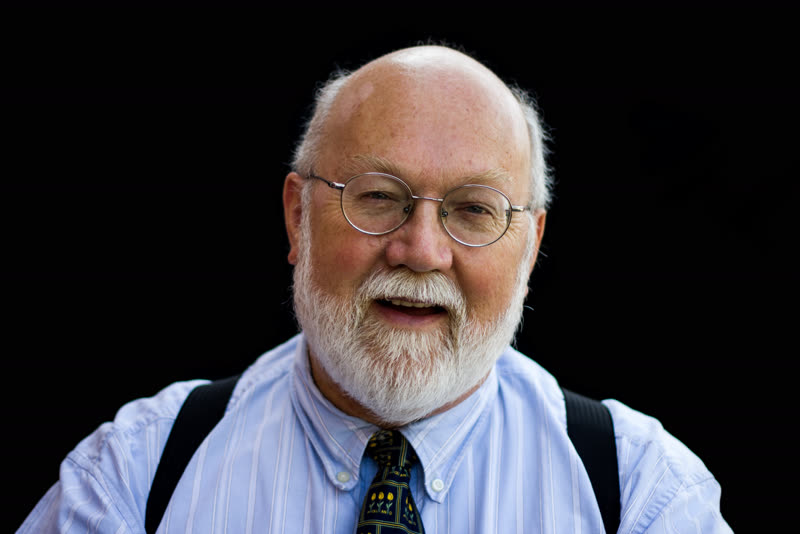 Tim Pasma Sunday AM January 5, 2020
Main passage Matthew 26:26-30
📖 Read the Scripture passage (ESV)
Matthew 26:26-30 (ESV)
26 Now as they were eating, Jesus took bread, and after blessing it broke it and gave it to the disciples, and said, “Take, eat; this is my body.” 27 And he took a cup, and when he had given thanks he gave it to them, saying, “Drink of it, all of you, 28 for this is my blood of the covenant, which is poured out for many for the forgiveness of sins. 29 I tell you I will not drink again of this fruit of the vine until that day when I drink it new with you in my Father's kingdom.”
30 And when they had sung a hymn, they went out to the Mount of Olives.
Transcript
I ask you to take your Bibles this morning and turn to Matthew chapter 26. As we consider the Lord's table today, Matthew 26. Begin reading in verse 17. Now on the first day of unleavened bread, the disciples came to Jesus saying, Where will you have us prepare for you to eat the Passover? He said, Go into the city to a certain man and say to him, The teacher says, My time is at hand.
I will keep the Passover at your house with my disciples. And the disciples did as Jesus had directed them, and they prepared the Passover. When it was evening, he reclined at table with the twelve. And as they were eating, he said, Truly I say to you, one of you will betray me. And they were very sorrowful and began to say to him one after another, Is it I, Lord?
He answered, He who has dipped his hand in the dish with me will betray me. The Son of Man goes as it is written of him. But woe to that man by whom the Son of Man is betrayed. It would have been better for that man if he had not been born. Judas, who would betray him, answered, Is it I, Rabbi? He said to him, You have said so.
Now as they were eating, Jesus took bread, and after blessing it, broke it, and gave it to the disciples and said, Take, eat, this is my body. And he took a cup, and when he had given thanks, he gave it to them, saying, Drink of it, all of you, for this is my blood of the covenant, which is poured out for many for the forgiveness of sins. I tell you, I will not drink again of this fruit or the vine until that day.
I will not drink again of this fruit or the vine until that day when I drink it new with you in my Father's kingdom. Let's pray. Father, now would you open up your word to us as we approach this table. We pray you would help us to understand it better as we see what Jesus did when he instituted it. And so we are here today to learn from you We pray your spirit would open our hearts to embrace the truth that you have in this good news of the gospel We'll thank you in Jesus' name.
Amen. I grew up in a church where any kind of ritual was frowned on. to have any kind of ritual like actually composing a prayer ahead of time or have a public confession of sin, that was forbidden. Because we all knew that ritual meant dead religion. That people were just doing what they did as rote and it was just a religious thing they did as if it would please God.
But what's interesting about that attitude is that's not the attitude God has. Because God instituted rituals in order to communicate spiritual realities. In the Old Testament book of Exodus, as we heard this morning, God gave his people this ritual called Passover. In order to communicate in every single year from that point on, the great deliverance that God had accomplished for Israel. in bringing him out of the land of Egypt and out from under the heel of their oppressors.
In the same way, just before achieving the redemption of the cross, God gave his people a ritual to communicate what he had done there for them in Christ. So ritual is not such a bad thing. In fact, just about all of you here will participate in a little bit in this ritual that we call the Lord's Table. But the ritual does no good if we don't know what it means.
And so we want to participate in it in the way that our Lord Jesus intended. Here in the Gospel of Matthew, we find the institution of the Lord's Table. We're all familiar with every gospel, every single gospel writer has Jesus instituting the Lord's table for his new covenant people, for his church. But Matthew comes in the middle of this road. It's a road that he begins a few chapters earlier, the road of Jesus to the cross.
And on that road we come to this stop this station as it were in which Jesus interprets the events that will soon transpire Jesus explains to you the meaning of the events yet to happen and that so important because we can all look at particular events and put a different interpretation on them. Jesus doesn't leave interpretation up to us, he actually tells us what those events are going to mean and he also in the process institutes for the church the celebration of something new, which is the Lord's table. Now the occasion of all this is the Passover, the Passover celebration.
This was the most anticipated celebration in the life of the people of God. If you want to understand the Jewish perspective on Passover, think Christmas. Everybody goes wild about Christmas. Everyone looks forward to Christmas. That's a high point in the year of incredible celebration. I mean, we lead up to it with weeks and weeks of music and all kinds of things.
That's what you need to be thinking. That's kind of the idea of Passover, not Christmas, but in the sense of that's the kind of celebration it is. It's a festive occasion, a wonderful meal, and all of it's celebrating God's glorious deliverance of his people from the Egyptians. In this celebration, they recall the horrible, bitter years of serving and slavery to the Egyptians.
And that's where, when you just heard it from Exodus this morning, the bitter herbs. Part of the meal is bitter herbs, and in modern day Passover meals, it's like horseradish. And that's to remind them of the bitter years that they spent under the oppression of the Egyptians. And then in that meal, they recall the glory of God's purpose as he miraculously brings the plague of death upon those Egyptians.
But yet he passes over all those houses who have the blood splashed on the doorposts. They remember the incredible, in Passover, they remember the incredible might of God as he delivers them through the Red Sea. And so all of this is part of what's going on here as they gather for this Passover meal. They're gathering for this incredibly festive occasion of celebration of God's deliverance of his people from the Egyptians.
But in the middle of this Passover celebration with his disciples Jesus shatters their joy by announcing I tell you the truth one of you will betray me All of a sudden in the middle of this festive occasion Jesus says one of you is going to betray me Now, Jesus is not vindictive in this revelation, and he is not panicking in this revelation. Rather, he points out that his death is part of God's redemptive plan. It harmonizes with God's divine plan. and yet he also say says indicates that the traitor remains responsible for his actions that it would be better if he had never been born here again by the way you have the intersection of god's sovereignty and human responsibility he says to them i'm going to this is all happening according to god's plan but it would be better if the man who betrayed me had never been born Again, God's planned it, but Judas was entirely responsible for the evil that he perpetrated.
And yet Jesus clearly and calmly accepts the purpose of God in his death. In fact, Jesus explains now what his death is all about and the importance for the future in recalling that death. And so now he gives us an interpretation of his death, the events that will happen, as well as giving us the ritual, if you will, that will take our minds back to those events that he's interpreted for us.
And so in the table, if you will, is this divine explanation of what Jesus has accomplished for his people. He intends to teach what his death actually accomplishes, and he also forever changes the Passover, investing it with entirely new meaning so that what we do here exceeds goes beyond what the Passover ever told us now the original audience of this gospel of the gospel of Matthew the people who first heard it had been celebrating the Lord's table for decades before they got this book one of the things you need to remember is the later books in the New Testament were the gospels the epistles were the first books written the gospels came later you see the apostles had been circulating among the churches telling them about Jesus and they would arrive at a church and tell them all the things that we read in the gospel near the end of their life though they said we need to commit this to writing and so although they had heard about Jesus they had heard this story when this gospel was written they had already been celebrating for decades and no doubt You here too, you're hearing this after years and years, decades on your part of celebrating the Lord's table, but here it is before us, Jesus' interpretation, His investment of these symbols with their meaning. And so here He explains it.
Now, the first thing we need to do is to grasp the nature of this table. It is first and foremost a gift of God to us, not our giving to God. Hear me out. The nature of this table is God giving to us, not us giving to God. The commands, take and eat and drink from it, all of you, speaks of Jesus giving to us. He intended this table to be given to us.
Now the Roman Catholic view is a view that this is a sacrifice that we offer to God. In fact, the priest is invested with authority to offer the sacrifice of Jesus for the people there. It's something, it's a sacrifice that we offer to God rather than a gift received from him. rather than a gift received it becomes a good deed performed just reverses it all now before we get too hard on our catholic friends the typical protestant is no better many come to this table right many come to this table not thinking of of it as a gift to us but as some kind of memorial meal in which we bring to God our devotion or in which we bring to God our worthy selves as if you're ever worthy of the Lord's table which you're not which I have said at least a million times here as we always come to this table right we we're going to offer God our sincere our sincere intentions and when you do that you miss the point the nature of this is this is God's gift to us.
Jesus takes a sovereign initiative. He is the one who gives. And at the table, we must never focus on ourselves and what we bring, but on Jesus and what he gives. That must be the focus of the table Not on us and what we bring but on Jesus and what he gives and has given As we come to this table, you see that Jesus gives up his body for your salvation.
Let's look at the words again. Now as they were eating, Jesus took bread and after blessing it, broke it and gave it to the disciples and said, Take eat, this is my body. Now, we're so used to that. We're so used to that. Okay, that's what Jesus said. Okay, ho-hum, let's get on with communion.
But what we miss here is the absolute radical thing that Jesus does here. This is, you know what, if you were a disciple, your head would have snapped up at that moment around the table, and you're going, what in the world is going on here? Why would they say that? Well, during this part of the Passover celebration, Jesus gives thanks over the bread. with the traditional prayer at Passover, which is this.
These are the words that Jesus no doubt said. Blessed art thou, O Lord our God, King of the universe, who bringest forth bread from the earth. And then, as you would at any Passover meal, you distribute the bread. But then he says something that surely stunned his disciples. When he's passing out the bread, he says, this is my body. is this some kind of arrogant audacity on the part of this rabbi what in the world is he doing this is crazy i want you to get the view of what it would have been like to sit there at a passover meal he's supposed to thank god for the bread and then pass it out and then he says this is my body the celebration of the passover was a celebration of the mighty deliverance of israel from their Egyptian oppressors.
It was a celebration of the mighty acts of God. It was a celebration of God himself. The God who revealed himself to Moses, for example, in Exodus 6 when he said, I am the Lord, I am Yahuwah. I appeared to Abraham, to Isaac, and to Jacob as God Almighty. I also established my covenant with them. Moreover, I have heard the groaning of the Israelites whom the Egyptians are enslaving, and I have remembered my covenant.
This is Yahweh, the covenant-making and covenant-keeping God. He is the center of the celebration right now And Jesus calls on these disciples to transfer their worship from God from the God of their fathers to Jesus of Nazareth That what happening at this moment in this traditional ritualistic meal, to lay aside their ancient covenant for a new one, to replace the annual celebration of this impressive ritual of the Passover for a simple remembrance of bread and wine. He says, this is my body.
What is going on? One theologian capturing the newness of this whole thing wrote this, and now here is a Galilean peasant in a borrowed upper room within 24 hours of his humiliating death, which might seem to blast all his work, who steps forward and says, I put away that ancient covenant which knits this nation to God. It is antiquated. I am the true offering and sacrifice.
By the blood of which sprinkled on altar and on a people, a new covenant built upon better promises shall henceforth be. That's what's going on. Jesus is, if, listen, if Jesus is not God, then this is blasphemy but you see he is god and what he's doing here is taking us into something new something new here is a new interpretation of the food and drink indicating a new and greater deliverance from now on jesus people like the old people of god will think of redemption as they come to this meal.
But it will be the deliverance of God in Jesus. The deliverance from sin by means of a new Passover lamb. This is what he's doing. He is saying, deliverance is here. It is in me. You note that Jesus sacrifices himself to establish the new covenant.
The next verse. And he took a cup, and when he had given thanks, he gave it to them, saying, Drink of it all of you for this is my blood of the covenant which is poured out for many for the forgiveness of sins Here is the blood poured out That the unmistakable imagery of violent sacrificial death Whenever you read in the Bible, why does the Bible talk about blood? Why is there that reference to blood?
That kind of reference to blood is always a reference to violent dying. Jesus died a violent sacrificial death this violent death is a substitute for many he says it's poured out and I'm sacrificed for many for the forgiveness of sins just as the scripture said of the predicted lamb in Isaiah 53 chapter 12 therefore I will divide him a portion with the many and he shall divide spoil with the strong because he poured out his soul to death and was numbered with the transgressors yet he bore the sin of many and makes intercession for the transgressors he takes the place of sinners and sacrifices himself for the forgiveness of their sins note again what jesus does there's this traditional thing where you take the cup and you offer thanks and then you pass it but when he does it he says what this is my blood this is no longer representing the blood of those lambs that were shed at passover to to and this is no longer representing the blood of the lamb that we're eating this is my blood right for the forgiveness of sins forgiveness is found in my death forgiveness is found in me you see this is radical Jesus is is saying this but by pouring out his blood then he ratifies a new covenant between God and his people now when a covenant is ratified the death of something is required and the sprinkling of blood is required turn back to exodus 24 where we see the mosaic covenant coming into force. Exodus.
Did I say Ezekiel? Well, I'm saying Exodus now. Exodus 24. Let's pick it up in verse 6. And Moses took half of the blood and put it in basins, and half of the blood he threw against the altar. Then he took the book of the covenant and read it in the hearing of the people.
And they said, all the Lord has spoken, we will do, and we will be obedient. And Moses took the blood and threw it on the people and said, Behold the blood of the covenant that the Lord has made with you in accordance with all these words. A covenant comes into force. That is, it becomes the ruling document of life with the shedding of blood. And so Moses, when the people entered into this covenant with God, a sacrifice was made.
Blood was sprinkled on the altar, and blood was sprinkled on the people. And by that action, that old covenant came into force. It became the ruling document of their life. Now, a covenant is a rule, is a document, is a contract, if you will. It's more than a contract, but something like we would call a contract. that outlines people's obligations to one another.
And in that Mosaic covenant, the people took upon themselves certain obligations and God took upon himself certain obligations. But now Jesus is saying this is a new covenant. He's referring to a covenant that's coming into force. It's a different one. It's a new covenant in which the obligations of the covenant are entirely on God. They're entirely on God.
He's referring here to the covenant predicted in Jeremiah 31. Let's turn there. Jeremiah 31, this wonderful covenant that was predicted. As the people would continually turn away and not keep their covenant obligations, God promised another covenant was going to come. And the prophet Jeremiah tells us about that in Jeremiah 31. Verse 31. behold the days are coming declares the Lord when I will make a new covenant with the house of Israel and the house of Judah not like the covenant that I made with their fathers on the day when I took them by the hand to bring them out of the land of Egypt my covenant that they broke though I was their husband declares the Lord but this is the covenant that I will make with the house of Israel after those days declares the Lord I will put my law within them and I will write it on their hearts and I will be their God and they shall be my people and no longer shall each one teach his neighbor and each his brother saying no the Lord for they shall all know me from the least of them to the greatest declares the Lord For I will forgive their iniquity and I will remember their sin no more Note what Jesus says.
Or note what God says here through Jeremiah. Note, this is what Jesus says is coming into force with the shedding of his blood. This covenant now comes into force. And notice, it is not our commitment, but it is God's promises to us that are the focus of this covenant. It's the focus of this covenant. This covenant brings obedience.
The old covenant could never accomplish obedience. The Israelites made a covenant with God to obey him, but they failed in that. They failed to keep their part of the covenant. The law of that covenant could command, but there was nothing that could empower them to obey those commands. It couldn't do it. That covenant had nothing in it that would empower them.
But in this new covenant, God writes the law on our hearts so that there's a resonation there. But this new covenant then writes the law on our hearts so that we want to obey God. This covenant even brings us the power to obey God. That's how good this covenant is. God says, I promise to write the law in your hearts. You will obey me.
The covenant brings knowledge of God, he says. Do you see that? It brings knowledge of God. Everyone will know me, from the least of them to the greatest. He says, it will make sure that I'm your God and you're my people. There's no ifs about it.
If you keep my commandments, I will be your God. Jesus kept all the commandments. But notice this as well. The covenant brings forgiveness. It brings obedience. And it brings forgiveness.
Our main hindrance to fellowship is our sin. And our consciousness of our sin. Because we know that the Lord abhors sin. We know that. He has a profound aversion to sinners. but the Lord's table conquers our consciences when you come to this table no doubt more than any other time when you walk into this building your conscience may accuse you and your conscience will say you don have any right You remember what happened yesterday Right You remember?
This table, I should say, your conscience does not have the last word. This table does. Because this table speaks of the covenant in which God forgives you on the basis of the sacrifice of His Son. not on the basis of your intentions. It does not matter. When you survey your whole life, and you look at all the things you have done, know this, that under this covenant, those sins are all forgiven.
They are all forgiven. That's incredible good news, isn't it? There's not one sin that God will hold against you. because he promises by covenant to forgive. This then is what Jesus accomplished. A covenant means the community of God's people. The new community of God's people is constituted by the sacrifice of Jesus.
We are now the people of God. It is composed of all those who partake of the benefits of his death. the Passover brought about the formation formation of Israel but now there is a new redemption constituting a new people of God we are the people of God we are those whom God has brought together by this covenant who has written his law in our hearts and he has forgiven all our trespasses one last thing this table speaks of that Jesus speaks about here. And Jesus speaks to you about the future fulfillment.
Isn't this interesting? I tell you, verse 29, I will not drink again of this fruit of the vine until that day when I drink it new with you in my Father's kingdom. The Lord's Table speaks not only of Jesus' death and what it has accomplished, but it talks about new life with Him and the Father at that great messianic banquet that still awaits us. Now Jesus doesn give up his wine here in order to perfect his character and say no I going to abstain from wine so I look better to God all right he not doing that he just saying I don want to enjoy this without you the family of the redeemer can look forward to the time when Jesus will be with his family again Jesus doesn't need this celebration but he desires the love and the submission and the company of his of his redeemed people and he counts it a joy to be with him have you thought about jesus that way have you thought about jesus that way listen can i tell you very vividly this morning as i was in prayer um you want to talk about conscience occupy a pulpit and then say i'm going to preach god's word today you you i was before god today and very vividly as I was I was saying Lord Jesus is my only hope right very vividly there's this picture in my mind of God frowning right is that the picture in your mind oftentimes this table tells us that listen God looks upon us and there may be sorrow because well you've blown it but it's not an angry face it's a face that loves you because of what jesus did not because of what you did and jesus embraces us in his love he desires our fellowship you see now he talks about the last day here and if you if you turn back a few pages in the in the gospel of matthew oh my goodness you come to chapter 24 and 25 and there's all kinds of stuff about when Jesus comes again there's going to be horrible things happening right but now at this place what does he emphasize about the last day here's what he does he uses the language of a banquet and a party in order to assure you, his disciples, that the last day will be full and rich and joyous.
All right? Now, I don't know about you. I mean, some families aren't this way. Thanksgiving is, I've heard from my family, Thanksgiving is the highest holiday of the year. And when we get together for Thanksgiving, we have a good time. Right?
Now, that's not true. of all families, but it is with us. I don't know, you get to pass McLan around a table full of food and we always have a good time, but Thanksgiving especially, we love it, we enjoy one another's company, we laugh, we remember, there's all kinds of things going on. That's what this is. When we think last day, don't just think judgment, think party.
You got it? That's what Jesus is saying here. The last day for us is going to be this rich banquet with Jesus and with the Father. So just as this table fulfills the Passover, it yet awaits its fulfillment in the great messianic banquet that's going to be ours on the last day when we're finally reunited with Jesus, the one who has saved us and the one who has rescued us, who will yet rescue us from all of sin and set for us a table of rich feasting. so this table then speaks to us of a Passover lamb who far exceeds what the original lambs did this Passover lamb causes God's wrath to pass over us because he has delivered us from the penalty and the guilt and the power of sin and thus God can love us This table speaks of a new covenant in which God promises that He is our God, in which He promises us that He will work in us to bring about the joy of obedience.
The new covenant which speaks of great forgiveness. This table speaks to us of a coming King. who wants to celebrate our relationship, who will one day rescue us and set a table that we might enjoy Him like we've never enjoyed Him before. That's what this table is about. At least that's what Jesus says. Father, thank You for Your Word. Thank You for Jesus, our Savior, who has told us all these things so we can come to this table with the right frame of mind, We can come to this table celebrating it like we should.
How we thank you. How we thank you, Lord, for the joy that is ours in what Jesus has accomplished and will yet do. Thank you for this time. We pray it in Jesus' name. Amen.
Also referenced in this sermon
Other passages mentioned, beyond the main text.