Faith?
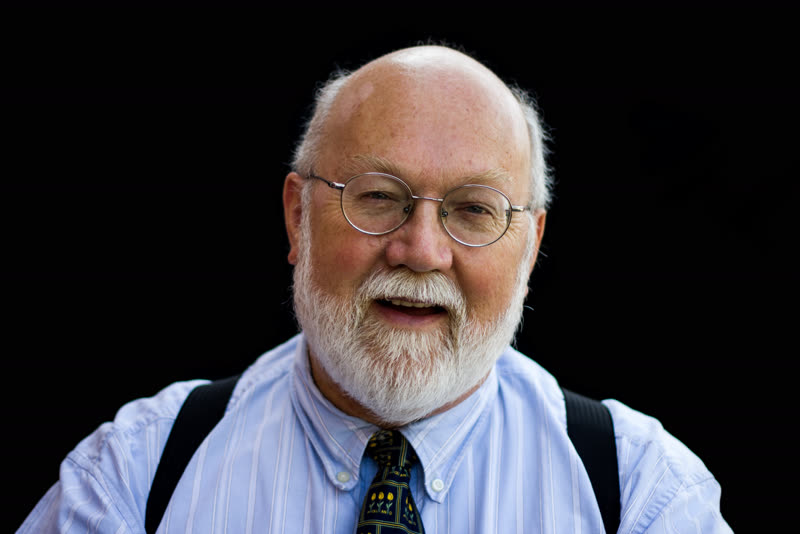 Tim Pasma Sunday AM Hebrews November 27, 2022
Main passage Hebrews 11:1-7
📖 Read the Scripture passage (ESV)
Hebrews 11.1-7 (ESV)
11 Now faith is the assurance of things hoped for, the conviction of things not seen. 2 For by it the people of old received their commendation. 3 By faith we understand that the universe was created by the word of God, so that what is seen was not made out of things that are visible.
4 By faith Abel offered to God a more acceptable sacrifice than Cain, through which he was commended as righteous, God commending him by accepting his gifts. And through his faith, though he died, he still speaks. 5 By faith Enoch was taken up so that he should not see death, and he was not found, because God had taken him. Now before he was taken he was commended as having pleased God. 6 And without faith it is impossible to please him, for whoever would draw near to God must believe that he exists and that he rewards those who seek him. 7 By faith Noah, being warned by God concerning events as yet unseen, in reverent fear constructed an ark for the saving of his household. By this he condemned the world and became an heir of the righteousness that comes by faith.
Transcript
Take your Bibles and turn with me this morning to Hebrews chapter 11. Hebrews 11. You follow as I read these first seven verses. Now faith is the assurance of things hoped for, the conviction of things not seen. for by it the people of old receive their commendation by faith we understand that the universe was created by the word of God so that what is seen was not made out of things that are visible by faith Abel offered to God a more acceptable sacrifice than Cain through which he was commended as righteous God commending him by accepting his gifts and through his faith though he died he still speaks by faith Enoch was taken up so that he should not see death, and he was not found because God had taken him.
Now before he was taken, he was commended as having pleased God. And without faith it is impossible to please him, for whoever would draw near to God must believe that he exists and that he rewards those who seek him. By faith Noah, being warned by God concerning events as yet unseen, in reverent fear constructed an ark for the saving of his household by this he condemned the world and became an heir of the righteousness that comes by faith let's pray father we want understanding today we need understanding if we don't have it we will not live as we ought and so we pray that you would grant us understanding of this great concept of faith.
Now help us as we seek to understand your words about this. And Lord, we will thank you. And as we learn more of faith and learn to live by it, we'd be more pleasing to you. Thank you in Jesus name. Amen. Christine is your friend and she's just told you that her husband, Zach, has just received word that he has lung cancer.
And as you talk to her, she says, you know what, I know God will heal Zach because I believe that he can and will do it. I have faith that God will restore his health. And you carefully but graciously respond, but Christine, you don't know that for sure. and she replies but the bible says faith is the assurance of things hoped for the conviction of things not seen and even though i don't see the healing accomplished i am sure of what i hope for and i am convinced that god will heal even though i don't see it yet now let me ask you is that faith is that faith or is it foolishness is it trust or is it presumption well we've come to this great chapter on faith hebrews chapter 11 a description of faith it's often called the hall of faith because in it all these old testament heroes are are set up for us as those who had faith.
And so this whole chapter is about people who've lived by faith going into chapter 12, where the final example is Jesus himself who lived by faith. But if you want to understand what faith is and how this chapter addresses you, you have to ask this question. Why is this chapter here? Why is this chapter here? By the way, you should always be asking that question as you study the scriptures.
Why is this chapter here? Did our Jewish pastor decide, you know what, I think it would be incredibly edifying if I told them about what faith is. Is that what he was doing? No, not at all. That's certainly not what he was doing. How do you know that?
Well, let's recall some things. Do you recall where we were a few weeks ago in this book? We are in chapter 10. And if you remember right, He ended chapter 10 with a call to faith. Again, God has told us over and over that we will endure persecution if we follow Jesus. We will experience that because we follow him.
And the temptation will always be that if I back off of Jesus, if I deny Jesus, the pressure is off and I won't suffer. and you remember that his whole theme through this whole book is you cannot deny Jesus ever because you will not reach glory apart from a faith in Jesus you have to persevere through the suffering in chapter 10 we were warned that those who shrink back will be destroyed but that the righteous will live by faith. And then there was a word of confidence. But we are not of those who shrink back and are destroyed, but of those who have faith and preserve their souls.
And so the question inevitably arises, well then what is faith? What is faith then? Alright? If we don't shrink back, if we don't shrink back, but we have faith, we'll preserve our souls. Well, then what is faith? Chapter 11.
This is not just a chapter, it's not just a term paper on faith to explain faith to us. It's to say, this is the kind of faith that the heroes and Jesus had that saw them through the difficulties the hardships the sufferings the persecutions that they experienced And what follows then is a description of how faith behaves what faith does And by recounting these heroes of the faith, he shows us that others have walked the path before us, that we're not the first ones that have to live by faith in the face of suffering. What is this faith?
Well, let's look at it together. First of all, in the first two verses of chapter 11, he says, Understand the basic nature of faith. Now faith is the assurance of things hoped for, the conviction of things not seen. For by it the people of old received their commendation. Here you find the basic idea and nature of faith, and then how it looks like in the lives of others.
So here's the basic idea of faith. Faith is assurance and conviction. Okay? Faith is assurance and conviction. Faith is sure that what is hoped for will become a reality. All right?
Let me say it again. Faith is sure that what is hoped for will become a reality. You cannot see yet how God will accomplish what he says he will do. But you are sure that what you hope for will indeed become a reality. you know, I think of a world with no weeds, no more weeds, no more death, no more pain or suffering, completely banished from our existence.
No more pain or suffering. Everyone loves one another with complete openness. That will be our reality. Those who belong to Jesus. We want that. We hope for it.
And it will be ours. Alright? It's sure of what we hope for. It's sure that it will become a reality. I am convinced. I am sure that will be a reality.
Faith is also convinced that what God promises will certainly be fulfilled. Even though you cannot see it, and though it seems impossible, God, you believe that God's promise will certainly be fulfilled. you believe no matter how impossible it is God's promised it and it will be fulfilled you're convinced of that it's like we just heard a few minutes ago Gabriel telling Mary that she was going to bring forth Jesus and what was her response how can that be for I am a virgin in other words what was she saying that's impossible right that's exactly what she said that's impossible but she ended up believing it why why did she believe it because God said it now tell me what's the difference between Christine's faith and Mary's faith what's the difference? Christine hasn't heard from God.
She's not heard a promise that Zach will be healed. Mary did hear a promise that she would conceive and bring forth the son outside of the natural processes. You see? Now, what is unseen here is not always defined in terms of future promises. As we go through this, you're going to see that it's not always what's future. It's mostly future, But there are other things that are unseen.
For example, creation, past realities. Verse 3, it says, By faith we understand that the universe was created by the word of God, so that the things that were made were not made by things that were. Okay? It's also about past realities. I believe it because God tells us about it from the past. The unseen can be present realities. verse 6 he talks about that whoever would draw near to God must believe that he exists God's existence I have to believe that it can be present realities like the power of God as we see for example in verse 19 Abraham considered that God was able even to raise him from the dead raise Isaac from the dead from which figuratively speaking he did receive him back.
So it's believing that although I can't see it, I know God is powerful. So it's believing these unseen things on the basis of what God has said. Now notice what else he says. God has always commended, God has always esteemed people who exercise faith. All the people mentioned in the following verses have been commended by God because they exercise their faith. have you ever commended someone for a job you essentially witness to the fact this person will be good good employees got good character he's a good worker i commend him to you well jesus i'm sorry god takes the witness stand to testify on behalf of these old testament saints these folks are righteous and pleasing to me because of their faith imitate them and you too will be commended You see, God values faith.
If you want his commendation, then believe him when he tells you what he will do, even if it seems impossible. Believe what he tells what he's going to do, even if it seems impossible. At its foundation, simply speaking, faith is this. Faith is taking God at his word. Faith is taking God at his word. what he says may appear impossible but you believe it just because he said it it's taking God at his word faith is not irrational faith is not a leap in the dark faith is taking God at his word alright it taking God at His Word So that the basic nature of faith Taking God at His Word.
If He said it, even though it seems impossible, you believe it. Alright? Now, he goes on and talks about the dawn of faith, if you will. Understanding the dawn of faith. Now, our pastor friend begins by describing the faith of some people before Abraham. And after this little group, he goes on and goes from Abraham on.
So he's talking about a few people from the very first part of Genesis, at the dawn of faith. He's going to describe for us those people as well as our faith. He begins with a test case, creation. Here's a test case. how do you know that God created the universe by merely speaking it into existence let's look at our verses verses three through seven by faith we understand that the universe was created by the word of God so that what is seen was not made out of the things that are visible by faith Abel offered to God a more acceptable sacrifice than Cain through which he was commended as righteous God commending him by accepting his gifts.
And through his faith, though he died, he still speaks. By faith, Enoch was taken up so that he should not see death, and he was not found because God had taken him. Now before he was taken, he was commended as having pleased God. And without faith, it is impossible to please him, for whoever would draw near to God must believe that he exists and that he rewards those who seek him.
By faith, Noah, being warned by God concerning events as yet unseen, in reverent fear constructed an ark for the saving of his household. By this he condemned the world and became an heir of the righteousness that comes by faith. All right, it begins with a test case, creation. How do you know that God created the universe by merely speaking it into existence?
When you go back to Genesis, you read this in Genesis 1. And God said, let there be light, and there was light. And it was so. You keep moving on. And God said, let the earth sprout vegetation, plants, yielding seed, and fruit trees, bearing fruit in which is their seed, each according to its kind on the earth. And it was so.
It happened. There it was. Day four. And God said, let there be lights in the expanse of the heavens to separate the day from the night, and let them be for signs and for seasons and for days and years and let them be lights in the expanse of the heavens to give light upon the earth. And it was so. How do you know that God created everything ex nihilo?
Ex nihilo means out of nothing. How do we know that God created everything out of nothing? Or as our writer says, what was seen was not made out of things that are visible. It didn't exist. He spoke and it came into existence. How do you know that?
Well, you say, if you really look carefully at the scientific evidence, it points to the fact that God created everything ex nihilo. Now listen, if you're ever going to go that route, if you ever want to recruit science to be on your side, you've got to understand this. For a truth claim to be acceptable, You have to be able to run an experiment under the same conditions and get the same results every time.
Now, let's run the experiment. You know, the experience of creating something out of nothing. Let's do that. Well, how are you going to do that? You can't do that. So don't start running to science as if it's going to prove your point.
It's not. You can't run the experiment. How do I know that God spoke and the universe came into existence? He says that's what he did. He says so. That's faith.
We know that what appears impossible, have you ever seen something created out of nothing? No. You've never seen that. You've never seen anything created out of nothing. Well, how do I know it happened? Because God says it happened.
That's how I know. that's what faith is, taking God at his word. He moves on to Abel. Look at Abel. Now, the story of Abel and Cain is a story, and their sacrifices is a story of faith. Now, our writer makes it clear that the issue was not the type of sacrifice offered. It was faith or the lack of it.
Now, oftentimes we go to the Old Testament, and we look at Genesis 4, and we say, well, God accepted Abel's sacrifice because it was a blood offering, but he rejected Cain because it was an offering from the field. That's not necessarily true. Because later in the law, God says, you offer the fruit, you offer the grains as an offering to me. That's not the main issue between Cain and Abel.
That's not the issue. The issue is, Abel had faith, Cain did not. The fundamental problem with Cain was his lack of faith. How did Abel exhibit faith in this instance? Well, first of all, it seems that any act of obedience that pleases God flows from faith. And this is what we're going to see all the way through this chapter.
Acts of obedience often document and verify faith. All right, look at verse 8 of this chapter. By faith, Abraham obeyed when he was called to go out to a place. How do I know Abraham had faith in what God said? because he did what God said. He stepped out in faith. He said, well, if God says that, I'll do it.
It doesn't make any sense, but he says, that's what I need to do, I will obey. We saw it in chapter 4 with the example of the children of Israel. They were going to go into the land of Canaan. What happened They didn go They disobeyed God They didn cross the Jordan They disobeyed Why Because they really did not believe God promise that he was going to deliver the land into their hands Their actions prove that they never had faith.
You see? And so, you know, the wellspring of obedience is always an attitude of trust. The wellspring of obedience is always an attitude of trust. I trust, therefore I'll do what you say. Cain obeyed God. Now, I don't know, maybe God did say it should be a blood sacrifice, and Cain did not believe it.
We don't know for sure if that was the case. What we do know is Abel believed what God said, and Cain did not. Cain's offering was not accepted because he did not trust God. Now, God commended Abel here by declaring him righteous on account of his faith. He says that Abel was declared righteous. Abel's sacrifice was the visible expression of his faith, documenting the reality of his faith.
He truly believed. And even though Abel is dead, his faith still speaks to us. His faith declares, believe what God says, trust him, and God will declare you righteous as well. He believed what God said about the necessary sacrifice, and God declared him righteous. Now this faith speaks to us and points us to a better sacrifice, does it not? You know that God has provided a sacrifice in His Son, the Lord Jesus.
And God says these words, You are declared righteous by His grace as a gift through the redemption that is in Christ Jesus, whom God put forward as a propitiation by His blood to be received by faith. you believe that what God says is true. You say, I'm not going to try to make it up to God. I can never make it up to God. But I believe that what God has done in Jesus in paying for my sin is more than adequate and I trust that sacrifice.
That's faith. Are you saved? How do you know? Because God says so. God says you are if you receive it by faith. So he tells us, follow the example of the faith seen in Abel.
Now he says, look at Enoch. Let's talk about Enoch. Enoch escaped death. By the way, in verse 5 alone, he mentions the fact that Enoch escaped death five times. If you look at all the phrases there, he says it five times in one verse. He's trying to make a point here, right? the curse of death is not the final word.
That was what it meant back then. That the curse of death is not the final word. And when you look at Enoch's story, his story is preceded by, and he died, and he died, and he died, and he died, and he died, and he died. Enoch did not. God's making the point way back in Genesis that the curse does not have the final word. But how is it that Enoch escaped death?
Enoch's escape from death was because he was commended as one who pleased God. Well, how did he please God? Verse 6, without faith it's impossible to please God. Enoch had faith. His trust in God spurred his walk with God. He drew near to God because of his faith.
And he did what was pleasing to him. And because of that faith, God delivered him from death. so if Enoch pleased God by his life of faith then what's the nature of this kind of faith verse 6 first of all it's grounded upon the proper object you have to have the proper object of your faith what is it and without faith it's impossible to please God well what kind of faith do I need then for whoever would draw near to God must believe that he exists you must believe that he exists The object of your faith must be God. You want to be pleasing to God?
Then you have to exercise your faith in God. You've got to believe that He actually exists. You've got to ground your faith in God. He is the object of your faith. You know, we need to hear this over and over again, because we live in a culture that incessantly says to us, Believe in yourself. What foolishness! wrong object for your faith my friend believe in yourself you ever looked at yourself i'm not going to trust me right or believe in your dreams wrong object wrong object why would i believe in my dreams how's that going to accomplish anything or this one i believe in the power of prayer no wrong object do you actually believe it's your prayer that gets things done?
Is your prayer really powerful? No. That's the wrong. I don't put my faith in my prayer. I put my faith in the God who answers prayer. By the way, so, you've got good warning now.
Don't ever say that. I believe in the power of prayer. I've just given you the warning. Who knows? I may explode all over you if I hear it. no you believe in God who exists you believe in God God is the object of your faith not you not your prayers it's God he's the object of your faith you won't draw near to God unless you believe he exists how is that Enoch walked with God or drew near to God he believed that God existed second he says in verse 6 you must believe that God is the rewarder of those who seek him do you believe that do you believe that God is will reward you if you seek him if you seek him in Christ will he reward you will he give you eternal life would you believe in God if you weren't convinced that he would respond to you you see a writer draws a parallel here you too will be rewarded rewarded with life everlasting do you believe that what's going to help you through the persecution and the suffering even the death that may come from persecution you believe that god is a rewarder of those who have faith in him that's what produces the endurance that you need you believe that through christ god will give you an eternal life or God has given you eternal life.
You must believe that God rewards those who seek him or you will abandon Jesus. If you really don't believe that God's going to follow through on his promises, you will abandon Jesus. You have to believe that God is a rewarder of those who seek him. Believing that God rewards equals it's worth it. It's worth it. That's the kind of faith that produces endurance.
You believe that God exists and that he rewards those who seek him. Follow Enoch's faith. And the last example he gives us is Noah. How is Noah an example of faith? Well, he mentions it here. He says, by faith Noah, being warned by God concerning events as yet unseen.
You see, God told Noah that the entire world would be destroyed by a flood. Now, if I understand those first few chapters of Genesis, and I think about it, I would say this. No one had ever even seen a flood up to that point. Flood was not even a conception in the human mind yet. And God is telling Noah there's going to be a flood, okay, right? That gonna destroy the entire earth That seems impossible Right Never seen a flood have no concept of a flood destroying everything But God told him that and he believed him And Noah exercised faith He was fully persuaded that what was not yet seen would become a reality.
He hadn't seen it yet, but he was sure it would be a reality. He had no conception of the torrent of destruction that would descend on the earth, but even though he had never seen it, he believed it would become a reality because God had said it would. He took God at his word. In fact, think about this. He was so convinced of that reality that he built an ark. and it took him 120 years to do it.
Can you see faith in that? Can you see faith in that? Can you imagine people walking around saying, what is that thing? It's an ark. What's an ark? Well, it's supposed to save us from the flood.
What's a flood? 120 years of that. Right? And he kept at it because he was convinced that what God said, even though he'd never seen anything like it, he was convinced that what God said was really going to happen. It would become a reality. In the same way, you should look to the unseen and believe that what God has promised will certainly be realized.
What do you see around you right now? you see hatred you know we're getting marginalized little by little or much more now we're getting marginalized out to the edges of our society we are becoming more and more unacceptable to our culture as Christians that's what you see that's what you see do you believe then that God has a purpose for you Do you believe then that God will reward you as you endure such things? As you continue to hold fast to Jesus? Do you think?
You don see that What you seeing around you is very real what do you believe Do you believe what God has said You've got to believe in the unseen. Now look at the effect of that kind of faith. He condemned the world by his faith. Now think about that. Because of his faith, he did not give himself up to the evil culture of his day. Because he believed what God said, not seen yet, He didn't give himself up.
And because of his faith, he built that ark, which stood as a testimony of judgment, proclaiming to those around him, the warning of God to you is a real thing. You will face judgment. By his faith, he condemned the world. And more importantly, such faith gave Noah the declaration from God that he was righteous. He became an heir of the righteousness that comes by faith.
He too was declared righteous. You've got to be like Noah. You believe what God has said, even if you've never seen it. You believe it because God said it. You take God at His word. So, faith looks to the unseen, trusting in the promise of God. it is not irrational it is not irrational since it believes that God will certainly do what he said he will do it believes in a God who truly created the world even though you've never seen that happen it believes in a God who rewards those who trust him as Abel did even though the immediate consequence of his actions were death and he will reward you even though persecution and hardship seems like the only reality that you're seeing.
You believe in a God who rescued Enoch from death and can rescue you as well even if the only thing you see right now is death. That reality. You believe in a God who delivers you from death. You believe in a God who rescued Noah from a flood even though he had no conception of what God would do. And even though you can only see the cost of following Jesus you believe that God has an inconceivable rest waiting for you You see, faith fuels perseverance.
And as we go through this chapter, you must keep that in mind. Here is where he's beginning to tell us now. He's pumping us full of fuel, if you will. faith fuels perseverance. And as we've gone through this book and we've talked about perseverance and endurance, some of you may have walked away saying, I can never do that. I can't stand. I can't do it.
Well, the point is you don't have to look to yourself and summon up all your energy in order to endure until the end. Endurance means to keep believing the promises of God. endurance comes from trusting God it's not summoning up all the energy you have in order to stand under all the persecution you stand because you believe that what you haven't seen yet God is going to deliver and it's going to be better than anything you've ever conceived that's what gets you through that's what produces endurance strength comes as you put your trust in God and His promises and so faith means you put your trust in what god has promised even though those promises seem impossible or they are inconceivable you believe it because god has said it faith is taking god at his word father thank you for thank you for these verses this chapter thank you that it means much more than some academic understanding of what faith is, but it's the very fuel of our endurance. God, help us to become the kind of people who trust you, no matter how impossible your promises, no matter how inconceivable they may seem.
Help us to be those who trust you because you promised it. Lord we anticipate great blessings as we understand faith more and more through this chapter help us Lord then to live with that kind of faith and we will thank you throughout eternity Amen
Also referenced in this sermon
Other passages mentioned, beyond the main text.