When Afraid, Trust In God
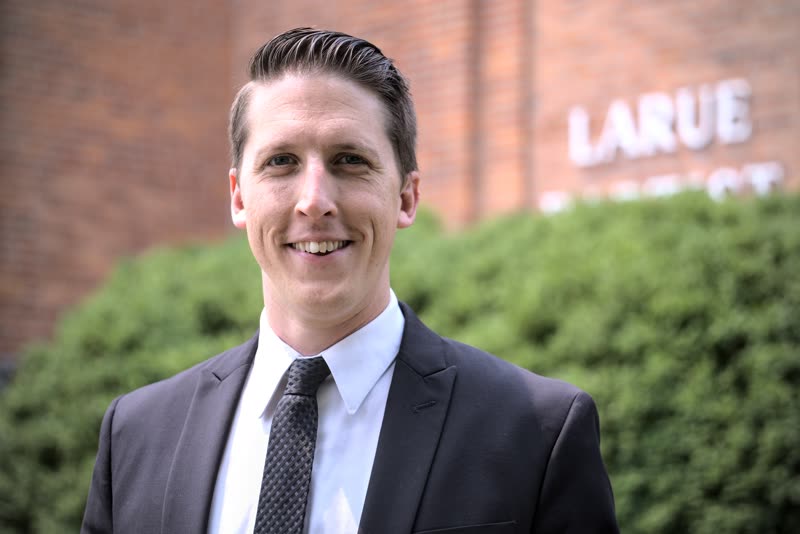 Andrew Beebe Sunday AM The Psalms and Your Worship April 30, 2023
Main passage Psalms 56
📖 Read the Scripture passage (ESV)
Psalm 56
To the choirmaster: according to The Dove on Far-off Terebinths. A Miktam of David, when the Philistines seized him in Gath.
56 Be gracious to me, O God, for man tramples on me;
all day long an attacker oppresses me;
2 my enemies trample on me all day long,
for many attack me proudly.
3 When I am afraid,
I put my trust in you.
4 In God, whose word I praise,
in God I trust; I shall not be afraid.
What can flesh do to me?
5 All day long they injure my cause;
all their thoughts are against me for evil.
6 They stir up strife, they lurk;
they watch my steps,
as they have waited for my life.
7 For their crime will they escape?
In wrath cast down the peoples, O God!
8 You have kept count of my tossings;
put my tears in your bottle.
Are they not in your book?
9 Then my enemies will turn back
in the day when I call.
This I know, that God is for me.
10 In God, whose word I praise,
in the Lord, whose word I praise,
11 in God I trust; I shall not be afraid.
What can man do to me?
12 I must perform my vows to you, O God;
I will render thank offerings to you.
13 For you have delivered my soul from death,
yes, my feet from falling,
that I may walk before God
in the light of life.
Transcript
Good morning. Thank you for your singing. If you'd open up your Bibles to Psalm 56, please. The 56th Psalm. Psalm 56. To the choir master, according to the dove on far off Terebinth, a mictum of David, when the Philistines seized him and gaff.
Be gracious to me, O God, for man tramples on me. All day long an attacker oppresses me. My enemies trample on me all day long, for many attack me proudly. When I am afraid, I put my trust in you, and God whose word I praise and God I trust I shall not be afraid what can flesh do to me all the all day long they injure my cause all their thoughts are against me for evil they stir up strife they lurk they watch my steps as they have waited for my life for their crime will they escape and wrath cast down the peoples oh God you have kept count of my tossings or my wanderings put my tears in your bottle are they not in your book then my enemies will turn back and the day when I call this I know that God is for me and God whose word I praise and the Lord and Yahweh whose word I praise and God I trust I shall not be afraid.
What can man do to me? So I must perform my vows to you, O God. I will render thank offerings to you, for you have delivered my soul from death, yes, my feet from falling, that I may walk before God in the light of life. O Father in heaven, your word is sure. It is timeless. There is truth to be had to understand and to apply.
The implications are endless, Lord. You have one truth and boundless implications. Oh, Lord, let us not be slow to hear or let us not be dull of hearing, but rather let us seek the Spirit who applies to us ears that can hear. Father in heaven, we know that sin is a great enemy and that it is in the way. we rather would do other things but to hear your word and apply it oh god in heaven may you send your spirit to apply the work of jesus even to us now that our sins would be forgiven through our repentance and looking upon jesus and that you would give us ears that hear truth and lord just to hear truth and go on about our day is vanity let us rather hear your truth and live out your truth.
Oh, Father, we're in desperate need of your help, and so we ask humbly before you, as the one who is our strength, help us in our time of need. Thank you for being a God who hears us, who's intimate with us through the covenant of grace. May you be praised now as we preach your word, as we hear and listen, and as we live our lives in light of it. In Jesus' name, amen. well we're back in our study of psalms and we've been grabbing hold of major themes in the psalms and one of the major themes that we had that we've had throughout the psalms is it will guide you to proper and true worship of god this world is filled with false worship our hearts naturally want to go to worship that is false and boring and wrong directions but god's word is faithful and true.
And in the Psalms, we have a guidance for our hearts and minds to guide us into proper worship to our God. And we see that, and we've been seeing that proper worship or proper relationship with God is not just one-dimensional, but as we said, it involves all of our emotions that we experience in life. In our life, we experience a whole litany of different emotions that God has given us.
And they all are supposed to come together ultimately to worship our God in a full-bodied way, as we've been seeing here in the Psalms. And again, just to remind ourselves, it's so easy for us, like the world, to get the negative emotions to say, I don't want that. Instead, I'm going to grab hold of the emotions I want, like happiness, and think that's where my worship is to be found.
Well, certainly our worship is to be found in happiness, but we cannot deny the other emotions that God has given us. But instead, we need to look at them all as under the lordship of Jesus Christ and working for our greater good to understand him more and enjoy him more. Yes, even sadness will do that in obedience to Jesus. But here we have a different kind of emotion that's located in the Psalms, that even that is supposed to submit to our Lord Jesus Christ for the greater good of his glory and our worship to him. and that is to be afraid.
That when we are afraid, that is used by God. That emotion, that fear is even used by God to glorify God, to enjoy him forever. And that's something that needs to be dominating your mind as you experience your life, is every single emotion and thought you have, you need to say, how can I make this vow to the King of Jesus? And even when you're afraid, that comes forth.
Even when you're afraid, that can bow the knee to Jesus and you can see God working even in your fear. What does it mean to be afraid? It is a state of fear. It is a state of fear driven by weakness and self and strength and something else that can cause you harm You get that Fear is a, or being afraid is a state of fear driven by your weakness and driven by the strength that is in something else that you see can cause you harm.
I remember as a child I was afraid of many things And one of the things I was really afraid, deathly afraid of was thunderstorms. And especially at night when I was supposed to be in my bed alone, thunderstorms terrified me because I couldn't help but think me, little self, was going to get eaten by, just whole by the thunder. I had a certain sense of my weakness and the power of God's display of his thunder.
I remember the only thing that really brought me comfort was a lie that my dad told me that he got a really nice roof and that roof, any lightning or anything that strikes it, it can just deflect it every single time and so I remember just being fearful that my dad told me that and that gave me a sense of security because of the strength of our roof a child that hears a scary noise right has fear of its own weakness and so what does it do naturally it goes to its strength it goes to its mother or father and in there it feels secure and psalm 56 we are going to learn how to handle our fear to locate to see that it's only pointing to our weakness so that it actually builds us up in our worship as we go to the one who is able who is strong and so here in psalm 56 we see and we need to locate what makes David afraid what what is the nature of his fear in Psalm 56 because we're going to be able to see our own fear in that and Psalm 56 it's different from the last Psalm we went in you remember the last Psalm we were at is Psalm 51 and and the major issue was the sin that David had in himself that he needed Jesus to take care of you remember he says have mercy on me oh God for I know my transgression and I need forgiveness well here this psalm is a little different. He says, be gracious to me, O God, in verse 1, for man tramples me. And so the emphasis is not on sin within his own heart in this psalm, but rather it is an enemy on the outside that's causing him fear.
We see David's circumstance, it tells us in the prelude there, whatever you want to call it, in which it says, this was written when the Philistines seized David and Gath. So if you look at 1 Samuel 21 and verse 10, and we read it earlier, you'll see the situation that caused David to write this psalm. 1 Samuel chapter 21 verse 10. and David rose and fled that day from king Saul and he went to Achish who is the king of Gath and the servants of the king of of Gath of Achish said to him is not this David the king of the land and did they not sing to one another of him and dances Saul has struck down his thousands and David his ten thousands?
And David took these words of Achish to heart, and he was much afraid of Achish, the king of Gath. See, David, the situation here is that David is fleeing from King Saul. And why is David fleeing from Saul? It's because Saul knows the word of God that was proclaimed to him from Samuel that says that David would be king of Israel and would replace Saul.
And one thing we can see about monarchs in history is that just as much as they like their own reign, they love the idea of their son reigning after them. And so with that knowledge that King David or David would be king, would replace him, that dynasty would replace him. And as Saul saw David acting in a mighty way by the Lord, right? David was seeing victory in victory.
Saul hated David. So because of David's, not his sin, but because he was faithful to God, because he was anointed by God, because of the word of God, David had an enemy in Saul. And so he had to flee. He had to run away. And where he flees and he runs away to is a place, it's like being in the middle of a rock in a hard place, because he goes to Gath. And Gath was where the Philistines were.
And David was a mighty warrior. And guess who he was killing a lot of in the name of God? Philistines. So there he is fleeing from one enemy in Israel, and he has to go to another enemy in the Philistines. and if we know our history really well who was from gath there's a major figure from gath and he might have had some family around it didn't like what happened years ago goliath was from gath we know that goliath was a champion of the philistines champion of the city and he's arrayed to battle the israelites and here comes little david and he says who's this uncircumcised, someone who's not in covenant with God at all.
He doesn't have the strength of God. He doesn't have the word of God on his side. Who is this that's taunting the Israelites to circumcise those who are in covenant with God? Who is this? And because of that great truth of the word of God, he goes out and he knocks Goliath on his behind. Knocks off his head.
We need more men like David. Just lobs off his head and says, here it is. the point what's the point i'm getting at well david is afraid in this situation why not because of a sin but because he faithful to god it because the word of god the word of truth has created an enemy for David and now he in a situation where that enemy is loud vicious and dangerous and he's afraid. And he is afraid.
His faithfulness to God has created an enemy to him all around, and in that situation, he finds himself afraid. He says, verse 1 and 2, God's enemies has become David's enemies. And God has ordained a situation here in David's life that causes him to be afraid of them. David's not the only one who has dealt with negative circumstances because of his faithfulness to God, is he?
This is a timeless truth that God's people, because of their faithfulness to Yahweh, because of his word standing firm on it, creates enemies around and it creates fear because of the loudness and power of that enemy. We even think of Jesus our Lord, who in Hebrews 5, 7, the writer to the Hebrews says, in the days of his flesh, Jesus offered up prayers and supplications with loud cries and tears to him who was able to save him from death. And he was heard because of his reverence.
You see, even Jesus encountered very negative circumstances only because he was faithful to God. Jesus was hated in this world because of his faithfulness to God. What made him hated was his faithfulness to our Lord. Or to our God, I should say. Him being our Lord. And it's not just unique to David or all of history. but it's true in our day too.
Paul says in 2 Timothy 3.12, Indeed, all who desire to live a godly life in Christ Jesus might be persecuted. No, will be persecuted. If you are faithful to Christ and are consistent to him, you will in some degree face persecution from a world that hates Jesus, hates God, and wants to destroy it. It's because it's led by the prince of the power of the air, who has one mission in mind, and that is to destroy Christ or destroy his church.
They don't know they're being used as pawns for that end, but that is what they're being used for, and so they have a hatred of God's word, of his truth, and everyone who would stand on top of it. we live in a fallen world directed by satan who hates jesus and his followers from abel to john the baptist from stephen to the martyrs of today this has been a timeless truth and just because we live in america doesn't make us free from that it is a common theme to see his hatred the world's hatred on display in every age it is common to be afraid of it in a certain way as we'll discuss but when used rightly it will turn into greater worship for you like it did for david now individually we might have our own anecdotal stories of how times we face an enemy because of our faithfulness to God. You might have your own stories, whether at work or whatever, in which you were faithful to God and it created enemies around you. And these enemies, in some degree or other, got louder and louder and stronger and stronger, which perhaps caused you to be afraid.
My own is boot camp, where there's many wicked people there and to be faithful to God makes you stand out like a sore thumb and so in that there was this period long period of which I had to look like a fool for the sake of Christ it is not easy it's not pleasant to be in that state and we all might have our own stories to some degree and some of the saints of of the past and even currently face this with even their own life but even beyond the anecdotal stories of being faithful to God and having enemies as a result of it that grow and fester. We all see what's going on in our culture today. We all, to some degree, watch the news, and we all see what's going on across our nation, and it is mind-blowing to see the strength of the enemy, the growth of it in just the last generation, and to see how powerful they are getting.
And I don't think we need to be afraid to say terms. Now, when I say the leftist ideology, I don't mean to say that our answers are found in conservatism or the Republican Party. That makes me throw up almost as much as the leftist ideology. But the point of the matter is we cannot be mistaken to see that the enemy of our day, the enemy of the church, is no doubt the leftist ideology, the leftist philosophy.
It is a great hater of God, his word, his church, and the family. and all of their many forms that they take on they share a common identity of wanting to destroy god his word his church the family whether it be the lgbtq plus who promises this is true love or the fourth wave feminists who promises this is true equality or critical race theory that promises this is true justice they all have one thing in common they hate god and they hate his church it's all a work of the prince of the power of the air with the aim to destroy you and your confession the church has always has had its enemies the church has always been had an enemy that had as its leader satan that had its purpose to destroy the confession of the church it is not anything unique and as we see the growing influence a growing power of this leftist ideology of course there's many other enemies including the sin that's within you but nevertheless there is a sin that's without it can grow a confessor if this was just a fringe movement we might be able to ignore it, but as we can see, it has grown exponentially in the past even few years. When it has taken over whole cities, state governments, and even the White House, it can be very terrifying to see it on display. We can begin to relate with David, who says, a proud enemy attacks me all day long. and as the beast grows bigger like David, we can become afraid, and I think a lot of people in our church today, they see the news, they see what's happening, and I think they respond in fear more than they would like to admit, whether it's bitterness and hatred of all those who make up of that system, wanting to just argue and wanting to just knock them over with the conservative club or Republican club, rather than wanting to preach to them the good news of the gospel, or whether it's trying to just avoid the word in general because of the scariness of them hating the word and everyone involved with it.
Well, I just won't say the word. I will camouflage it. I'll try to avoid it. And we cannot act in fear when we're faced with the same enemy that the church has been faced with from the beginning. As the beast grows bigger, like David, we can become afraid. And so here we have teaching from David, who is faced with the enemy for his faithfulness.
He's faced with the enemy, the growing enemy. He's stuck between a rock and a hard place, and he teaches us what he does. He says, when I am afraid, in verse 3, when I am afraid, I put my trust in you. He says, when I am afraid, this is what I do. I put my trust in you. You see, our fear needs to drive our trust in the one who is trustworthy.
When our weaknesses causes fear, we need to trust in the one who is stronger. Like a child that runs to its mother, the weakness of the child acknowledged and he goes to the one who is stronger. So in our fear, when these things are scary and they're big and they seem to be attacking everything away of life, we need to, in that initial fear, go to the one who is stronger.
Now the question needs to be asked, how do you know that you are trusting in God and your fear? How do you know that's taking place? Well, look what he says in verse four. He says, in God whose word I praise. So he says, when I'm afraid, this is what I do. I put my trust in God.
And he says, in God, whose word I praise. How do you know that you are trusting God in your fear? When the word that created these enemies of yours becomes your comfort when you are afraid of those enemies. You see what I'm saying? The very same word that made David's enemies hate him, the word of Yahweh, his truth, was the same word he went to for comfort when he was a fear of his enemies.
So instead of making distance with the word in order to try to appease his enemies, he rather goes to the word and grabs hold of it even more. What a relevant truth for us. When we stand upon the word of truth and the enemies of God hates it, what do we go to when we're in fear of those enemies. We go to that same offensive word for our comfort. So what does this look like?
So when the world says, I choose my own identity, when they have their own system of thought, when they have their own understanding, and in that system of thought, the understanding says, I can choose my own identity, the word we confess says no your identity is a sinner before a holy God and so the world in response to that truth has murderous hate and return or when the world says I need to be confirmed in my own desires we answer no you need to repent of those desires when the world says salvation is being true to myself and doing whatever makes me happy following my own idols? We tell them, salvation is denying yourself, picking up your cross, and following Jesus. This is truth.
And as we are faithful to God's word, they are enraged against it and whoever believes it. And so whenever we are afraid, we take comfort in that same word, not shying away from the offensive word, but growing closer to it. I'm a sinner, saved from the slavery of my wayward desires since I bowed the knee to the Lord Jesus, and he will never leave me nor forsake me.
What can flesh do to me? See, that same word that we hold to that creates enmity with the world is the same word we go to for comfort. He's changed me from that. And he will hold me. He will keep me. What can flesh do to me in light of the stronger Jesus?
Look what he says. When I'm afraid, I put my trust in you. In God whose word I praise. In God I trust because of his word. I shall not be afraid. What can flesh do to me?
You see that? When I am afraid, and then you got the meat and potatoes there. I put my trust in you. In God whose word I praise, that's my trust, in God I trust, I shall not be afraid. When I am afraid, I shall not be afraid, is what he's saying. When I am afraid, when I follow it, the proper route of God's word, being my trust, being my confidence, I shall not be afraid.
So it's not bad, it's not wrong, for you to have an initial feeling of fear or afraid when you see the world acting as they do. when you see the world acting as they do on the news when you see them hating truth hating your way of life there's nothing wrong with having a certain feeling of fear as you see that that fear the initial feeling of fear is actually a good thing because it causes you to recognize your own inherent weakness and then it needs to cause you to go to the one you know who is stronger that is God and so you see God works you being afraid for you to acknowledge your weakness see your weakness experience your weakness and know that but there is one who is stronger that is Yahweh I shall go and find my shelter in him it's like again the child who hears a scary noise and right away flees and runs and where does he flee and run to to the one who is stronger his mom or his dad. It's the same thing for us. When the things of this world draws fear within our heart, our first response needs to go, and when I'm afraid, I go to God and his truth, and I find shelter there.
I shall not be afraid. So the initial fear drives our weakness, but it also acknowledges the strength that's found in our God, and it creates a, and I shall not be afraid, response in us. You need to respond by reminding yourself the strength of God. This is exactly what David is doing here. He has a hatred of the world on him for his faithfulness to God.
He has them wanting to destroy him and he says, and when I have the natural response of fear as I see that they are stronger than me, I find my comfort in God God and I shall not be afraid. The psalm kind of continues this and it's kind of like a song in which you have verse one, chorus, verse two, chorus, right? And the two verses are similar and the chorus is similar.
The two verses have the same theme, the same teaching, and the chorus has the same teaching, but it kind of expands a little bit. And that's what we have going on here. We had, that's the first verse, right? Man has made me afraid. My enemies, who's God's enemies, have made me afraid because of my faithfulness to God. And in response, here's the chorus.
When I'm afraid, I put my trust in you and God whose word I praise and God I trust. I shall not be afraid. What can flesh do to me? And now he's going to go back to verse two now. And he repeats the same kind of theme. He says, all day long, they injure my cause.
All their thoughts are against me for evil. They stir up strife. They lurk. They watch my steps as they have waited for my life. For their crying will they escape, and wrath casts down the peoples of God. So we have that same kind of theme in which David is acknowledging why he's afraid, because he has great enemies who are looking for his life, who hate him, who hates his truth, who hates his word.
And so they hate David, right? So verse 2 is much like verse 1. And so then he goes back to the chorus. If you look, he has a couple notes before it, which I want to explain the second chorus again, because I think it gives weight and understanding to verse 8 and 9. Look at that second chorus. It's the repeated words, only something a little bit added from the first chorus.
Look at verse 10. He says in response to this, And God, whose word I praise, and the Lord, whose word I praise, and God I trust, I shall not be afraid. What can man do to me? You see, I think there's an added note there, right? It's the same chorus, but he adds in an extra sentence in which he says, In Yahweh, or in the Lord, whose word I praise. When you see the word Lord, when you see Yahweh, that is God and his covenant name.
Okay? That's how God has expressed himself through covenant. And that's important here, that that's his covenant name, because to be in covenant with God, to be in covenant with God, means that though your sin creates an eternal distance between you and God, through covenant with God, through forgiveness of sins, God draws near to you. That make sense?
When you see God's covenant name, think of although my sin drives a distance between me and God, through his covenant through the eternal covenant through Jesus Christ there is a forgiveness there is a reconciliation or God draws near And there a second aspect that I want to highlight before we look at 8 and 9 is that by this covenant, God, he has promised me victories. He's promised me victory in the end. And so whenever we think about our God and being in covenant with him, we think about being near to him because of his work, and we think about the fact that he has promised us victory in Jesus.
And I think this is what's going on in David's mind as he's considering the enemies all around him and their hatred and their power against him in this time. I think he's considering his covenant God who has made a covenant with him and it's creating peace within him in that moment and peace because he knows what's in the future because of that covenant he has with God. Look at verse 8 and that nearness that God has with him. look at verse 8 and think of the nearness right and when you're in covenant with god he draws near to you in jesus he says in verse 8 in the midst of his being afraid of his enemies all around he locates the nearness of god he says you have kept count of my tossings another word i mean because you think it might be like him tossing around in bed being nervous or something.
But I think the better translation, all the other translations, it has wandering, his wanderings. He's a wanderer because of the hatred of Saul. So he's wandering about. He can't be in Israel. He's wandering. You have kept count of it, he says.
This isn't hidden from God. God is very near to David and God knows what he's going through because of this situation. You have kept count of my tossings. Put my tears in your bottle. Are they not in your book? And it's one of the most poetic and beautiful expressions that God, when he has a saint before him who is shedding tears because of him being afraid of his enemies around, it's not like God is distant from that, but he is quite aware of what he's going through.
Even right then, we had to make immediate implications to you. If you're in happy covenant with your God, he knows intimately what you are going through, and he keeps track of every one of your tears, because one day he will dry every one of those tears and the completion of Jesus Christ and what he brings us in glorification but nevertheless I think we need to highlight the fact that David was in covenant with God that means God was near to David he felt that in the fact that even as he was afraid and he shed tears and his wanderings he knew that God was intimate even in that in verse 9 he says then my enemies will turn back in the day when I call this I know that God is for me so David says I will have the final victory because my God is for me now if you look at the covenant you look at the word that Samuel brought to David even at the beginning before the covenant was displayed, we see that God has said, you shall be king. You will rule.
In other words, I am for you. This is what I'm going to do for you. And so as David is going through this period of fear, because his enemies seem to be overly strong for him, he cannot handle them. He relies on the fact that he's in covenant with God, the one who is drawing near to him and the one who says, I will give you victory. So even whenever the enemy looks terrifying, there's no victory to be had.
David relied upon the covenant he has with God or the promise that God has given him and says, I will have victory. I know that God is for me. And so I think it's within this context of David relying upon his covenant relationship with God. In which he then says, in God whose word I praise, in the Lord, in Yahweh whose word I praise, the word of the covenant, the word of promise.
And God, I trust, I shall not be afraid. What can man do to me? We need to see that, of course, the covenant made with David and the nearness that brought him close to him was a covenant that was pointing to the new covenant, was a covenant that was pointed to Jesus Christ and how he would bring about a covenant with him and his saints. And so in the same way, we have Yahweh.
We have our covenant God. We have a God who has made promises. We have a God that has came near to us through Jesus Christ. We have a God who has promised us great things in Scripture, promised us victory in Scripture. And so as we see our enemies, as they grow, as they get more scary, as we know that the future is uncertain, we don't know what's going to happen in our nation, we don't know what's going to happen in our culture, we have no idea, and this draws many Christians in fear. and it causes them to be trying to go in their bomb shelter and just wait it out.
Instead, we need to grow confident in what God is doing in his covenant that we will have the final victory, that he is near to us and he's not distant. I think this is exactly what Paul is getting at in Romans 8.31. That in Jesus we have victory In Romans 8 In Jesus we have the covenant And that covenant is he near to us He's never distant. No matter what's going on circumstantially in your life, he is still near to you.
And we see this victory, this nearness, this confidence we can have in Jesus because of this covenant in Romans 8, 31-39. Look at what the Apostle Paul says. in Romans 8, 31. He says, what shall we say to these things? If God is for us, again, what can man do to me? What can flesh do to me? Who can be against us?
He who did not spare his own son, but gave him up for us all, how will he not also with him graciously give us all things? Jesus, if you are in Christ, you have already received all things in Christ. Paul talks, he says, every spiritual blessing in the heavenly places has been given to you in Ephesians 1. There is not one thing the Father withholds from you.
And so let that be the answer to your heart as you are afraid. Oh God, what is going to happen to me? You've already been given Jesus. You've already been given everything. What can man possibly do to me? He can't take away Jesus from me.
And this needs to be the answer to our fear. He says in verse 33, who shall bring any charge against God's elect. It is God who justifies. You see, the Christian is the one who says, my greatest issue is the fact that I'm separated from my God. And my greatest solution is the fact that Jesus has brought me near. And so if my greatest problem has been fixed in Jesus, that no charge can be laid against me, what can man do to me?
They can't charge me. They can't bring guilt upon me. Jesus has done away with it. He says in verse 34, who is to condemn? Christ Jesus is the one who died. More than that, who was raised, who is at the right hand of God, who indeed is interceding for us.
Who shall separate us from the love of Christ? Shall tribulation, or distress, or persecution, or famine, or nakedness, or danger, or sword? As it was written, for your sake we are being killed all the day long. We are regarded as sheep to be slaughtered but no on all these things what does he say we are more than conquerors through him who loved us he says for i'm sure that neither death nor life nor angels nor rulers nor things present nor things to come nor powers nor height nor death nor anything else in all creation will be able to separate us from the love of god in christ jesus our lord so there is this sense in which because God has come near to us through Jesus Christ, he answers all our fears because we have been made right with him in Christ.
So no matter how much the enemies rage, no matter how much they hate his word, his truth that we stand on, that word that creates enemies, it's the same word we go to remind us that I have been made right with the Father, that no matter how dangerous they appear, they cannot take my status away for being in union with my covenant God because of Jesus Christ. So in our fear, we rely upon that. And so when we're afraid, we will not be afraid because of that basic fundamental truth that we have as Christians.
Your God keeps track of your wanderings, of your tossings. Your God keeps every tear of yours in his bottle. He is intimate with you, he is close to you, and he has promised you ultimate victory. Does that mean that you won't go through scary times? No, you will. But in it, you see the victory is Jesus's.
And you go with that confidence in him. And so you shall not be afraid. So he says in verse 12, the implications, the result, the summary, is it gives proper worship. Just like we've been saying a lot with Psalms. Is that these emotions, as we take them to God and remind ourselves of the truth, we take it to him and it promotes proper worship. He says in verse 12, because of this God who is for him, that even though his enemies are strong, God is stronger, and he relies upon that, what can man do to me, David says.
He concludes, because of this, I must perform my vows to you, O God. I will render thank offerings to you. He says, now that I'm confident in my security because of his word, because of his truth, even though my enemies rage, I'm confident in my security. This creates a thankful heart in David. there is something to be said that whenever you hear of a storm or tornado outside going on and you go into a tornado shelter and you feel secure you feel extra thankful when you know the storm is raging outside and you know for sure i am safe within this shelter each battering wind and no longer is it a source of dread and fear but it's a source of thank you god that i am protected And so we know that ultimately it's the same thing.
As we know that Jesus ultimately has control of our hearts, our lives, our everything. He will ultimately give us everything we need in Christ in the end. Ours is the victory. We know that no matter how much the storm rages, we are secured in him. And that feeling that contrast of danger yet security in Jesus creates a thankfulness in our heart Oh God thank you that I have such a security It created thankfulness in David heart and it drove him to say I must perform my vows to you.
Or I must live obediently to you. I must show my thankfulness by the way I live my life to you. It's the same thing that Paul says in Romans 12. By the mercies of God, be a living sacrifice to God. because of what God has done for you in Jesus, now your life is to be a living sacrifice for Jesus. It's the same thing what David's saying here. Since you have done all these things for me, I will respond as being performing my vows or being a, in the New Covenant language, a living sacrifice for the Lord.
He says, because you have delivered, in verse 13, my soul from death. Yes, my feet from failing, that I may walk before God in the light of life. So it's amazing that this terror that David is going through, this thing that has created fear in him, ultimately because he relied upon God, becomes something that causes him to walk in the light of life. The contrast of death and life.
And as he walks through obedience to God, it creates this resolve within his heart, and I shall walk in life. and so God uses our fear to remind us of our strength in him and we walk confidently in that strength resolve that oh my God loves and cares for me and takes care of me again this is what God does for his covenant children for his people he allows the enemies to come he allows them to be scary. He allows them to locate our weakness as sheep ready to be slaughtered so that we would, in our fear, run to our Father who is our strength, run to his promises who tells us we have the victory, run to him and tells us that he comforts us, he knows what we're going through, and he tells us to be patient to wait upon his victory. This is what God does in our fear.
But you see, when we, in our fear, we rather watch more Fox News, or in our fear we rather put our hope in the next Republican candidate, he'll solve our problems. All that does is it drives our fear further, and it causes us to be ineffectual for the Lord Jesus Christ. We are blessed when we have godly leaders, but our hope is not found in that. But rather in our fear, we remind ourselves of the covenant that God has made with us through Jesus Christ.
And we know that ultimately, what can man do to us? And in that, it gives us the confidence to face the world, to tell them the gospel, to tell them the truth in love, and to be confident that Jesus Christ, all things are under him. So rather than putting our fear, our trust in other things that just drives our fears more, we put our trust in God, who in him we will not be afraid, in him we will do valiantly because we are fighting for the Lord.
It will cause us to be able to give the gospel in truth and love. It will cause us to be bold yet loving to a dark world who needs truth badly. It will cause us to act in a way that is full of truth and life. Let us pray. God in heaven, I thank you, Lord, that we do not need to be a victim of our fears. As David faced many enemies because of his faithfulness to God, oh Lord, we're not short on enemies in our own day.
We have many who hate your word and those who are faithful to it, they want to stop it. And God, we don't know how big they will get. We don't know what your plan is. Lord, they could get to the point to where they could take control of everything. They could get to the point in which, because of your gospel and reformation your gospel changes them we don't know what is on the horizon other than the fact that you have promised us ultimate victory in jesus that although they may kill the body because of our confession because we profess jesus they cannot destroy the soul that we will ultimately be glorified with our lord and in that we along with david say what can flesh then do to me I'm thankful for the truth, for the word.
Although it creates enemies for us who hate the word, it's the same word, Lord, that comforts us, that we go to when we are fearful of that enemy. It's the same word that promises victory. It's the same word that promises closeness to you. You know what we go through. You know what's on the horizon. It's not far from you.
You are not distant, but you're a God who deeply cares. So let us remind ourselves of these truths. when we see things on the news, let us not grumble and complain as if God is not in control, as if you're not in control, but let us rather resolve that he is in control, that you are in control, and that you are doing great things even now, that Jesus will have the victory. And so let that give us the courage to go out and be faithful with your word and in love and truth speak this word.
And may you do your work to bring about people out of darkness to your marvelous light. Thank you for the confidence we can have in Jesus. May he be glorified now. In Jesus' name, amen.
Also referenced in this sermon
Other passages mentioned, beyond the main text.